REVIEW · ARUSHA
Discover The World’s Top Best 4-day Tanzania Group Camping safari
Book on Viator →Operated by AFRICA NATURAL TOURS · Bookable on Viator
Four days, and Tanzania goes full-on. This shared-group camping safari is built around big wildlife days plus guided time in Ngorongoro Crater, so you’re not stuck figuring anything out.
I especially like the pop-up roof game viewing from a 4×4 safari Land Cruiser. You also get the payoff of a smaller group and a real guide who’s there to explain what you’re seeing. One thing to think about: the park list is described as including Tarangire and Manyara, but the day-by-day schedule you’ll follow here focuses mainly on Central Serengeti and Ngorongoro, so you should confirm your exact routing.
In This Review
- Key reasons this safari style works
- Serengeti and Ngorongoro in four days, without the driving headache
- Which parks you’ll actually cover: what’s promised vs what’s scheduled
- Your safari ride: 4×4 Land Cruiser with pop-up roof viewing
- Day 1: Arusha to Central Serengeti and your first afternoon hunt
- Day 2: Full-day Central Serengeti game drives for Big Five odds
- Day 3: Dawn at Central Serengeti, then transfer to Ngorongoro/Karatu
- Day 4: Ngorongoro Crater descent, guided tour, and picnic lunch
- What’s included: where the value is actually coming from
- Camping nights at Nyani and Simba: food, water, and “stars included”
- Wildlife you can realistically hope for, and how guides work those odds
- Small group size (up to 50): what it means on the ground
- Booking with Africa Natural Tours: what to look for before you pay
- Who should book this 4-day camping safari, and who might skip it
- Should you book this Tanzania 4-day camping safari?
- FAQ
- How long is the safari?
- Where does the safari start and end?
- What parks are included?
- Are hotel transfers included?
- What meals and water are included?
- Is a professional guide included?
- What’s the policy if weather is poor?
Key reasons this safari style works
- Pop-up roof views for cleaner photos and less “what was that?” moment
- Central Serengeti time with a full day of game drives for multiple chances at predators
- A dawn game drive to catch wildlife moving when the light is best
- Ngorongoro Crater for about five hours with a guided descent and picnic lunch inside
- Camping stays at set campsites like Nyani Campsite and Simba Campsite
- Included park entrance fees and purified water, so you’re not doing surprise add-ons mid-trip
Serengeti and Ngorongoro in four days, without the driving headache
This is the kind of Tanzania trip you book when you want the wildlife, not the stress. The structure is straightforward: you’re based in campsites, you go out on game drives, and you follow a tight plan that hands you the most productive wildlife windows.
What makes it feel efficient is the pacing. Day 2 is a true long wildlife day, and Day 4 gives you a guided crater experience instead of a quick drive-by. You’re also not stuck negotiating road conditions, entry timing, or route changes. A professional team handles the logistics.
The big question for you is fit. If you want a slower, deeper “safari at your own pace” trip, this may feel a bit schedule-heavy. If you want to maximize wildlife time with guide-led navigation, it’s a strong match.
A few more Arusha tours and experiences worth a look
Which parks you’ll actually cover: what’s promised vs what’s scheduled
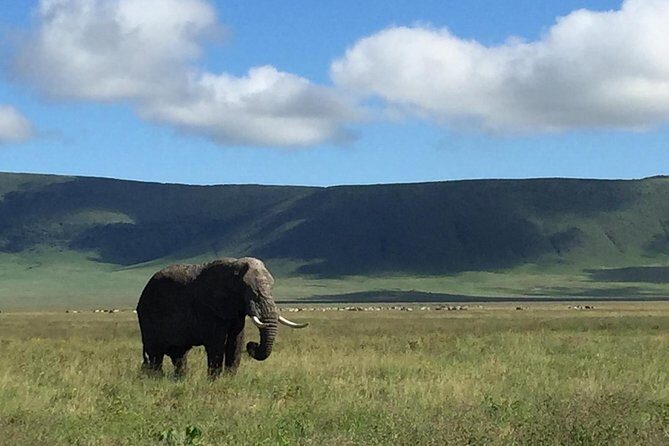
The tour description highlights a circuit that can include Tarangire and Manyara, along with Serengeti and Ngorongoro. But the day-by-day plan provided here puts the spotlight on Central Serengeti for Day 1 and Day 2, then Ngorongoro/Karatu for Day 3 and Day 4.
So here’s my practical advice: when you confirm your departure date, ask the operator to spell out your exact parks for your specific group. That way you get the trip you think you booked, not the trip that fits only part of the description.
Your safari ride: 4×4 Land Cruiser with pop-up roof viewing
Game drives in Tanzania are all about positioning. You want a vehicle that can reach the right places and a setup that keeps you from spending half your time craning your neck like a meerkat.
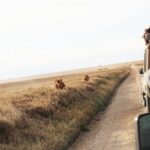
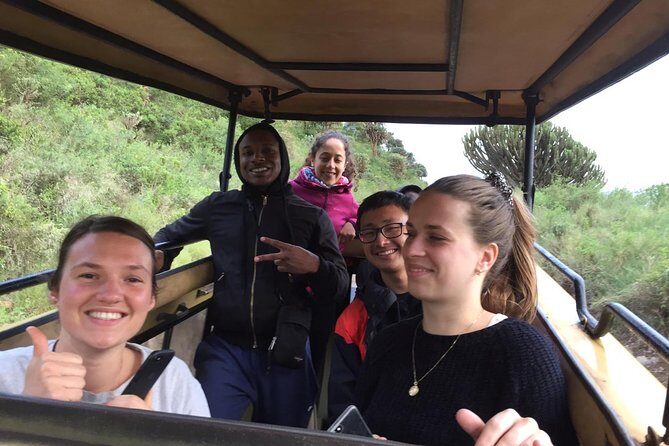
This safari uses a 4×4 safari Land Cruiser, and the car includes a pop-up roof for unobstructed views. That matters for two reasons. First, you get a better line of sight when animals are moving at the edge of the track. Second, your photos come out more “no-stand-in-the-way” clean, since you’re not fighting seat backs and window frames.
You should also know what that means for comfort. You’ll be outside-looking-forward a lot, so wear layers for early starts and bring something for dust. Long days are normal here.
Day 1: Arusha to Central Serengeti and your first afternoon hunt
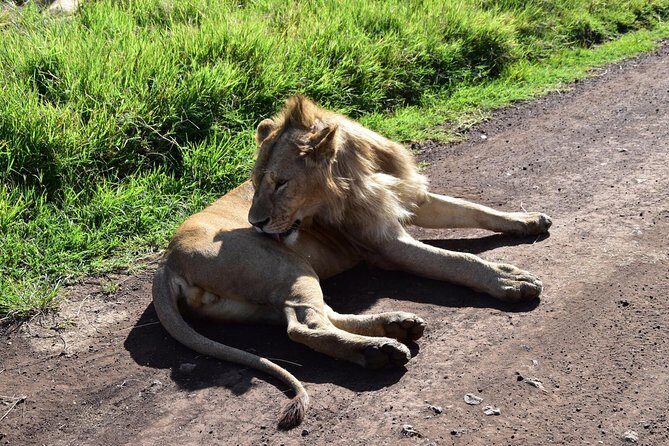
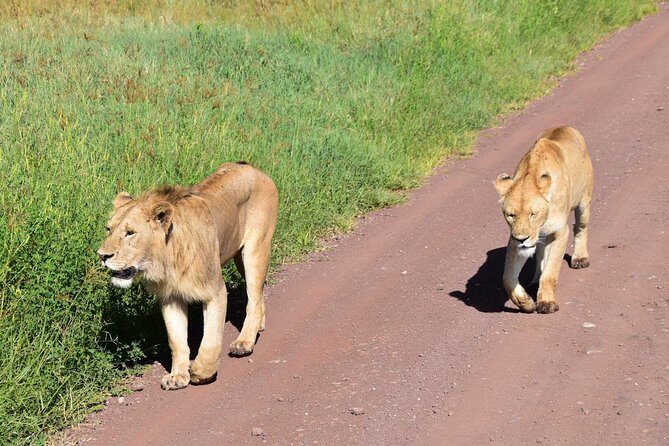
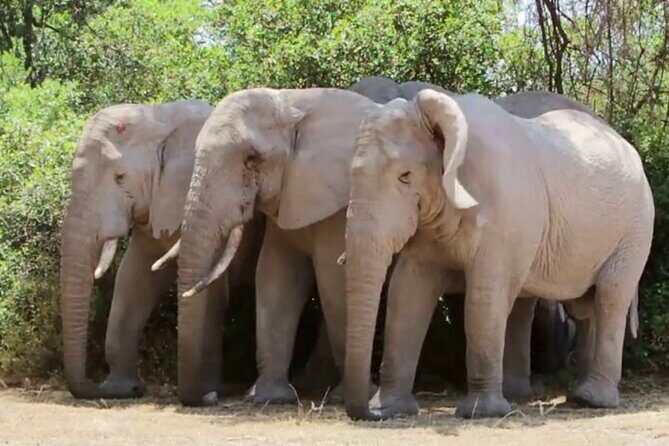
Day 1 is about getting you into the action fast. You leave Arusha and head toward Central Serengeti, reaching Nyani Campsite for lunch. After that, you get your first afternoon game drive, with chances to spot animals like lions and elephants.
Why this day works: it’s a gentle landing. You’re not thrown immediately into an all-day grind, but you still get wildlife time the same day you arrive. That first drive is also when you start learning the guide’s style: how they read movement, where they look when animals are far off, and how they manage stops so everyone gets a fair view.
The downside of an early start is fatigue. If you’re arriving to Arusha the day before, try to sleep. If you’re flying in same-day, build in buffer time before pickup so you don’t start the safari running on nerves.
Day 2: Full-day Central Serengeti game drives for Big Five odds
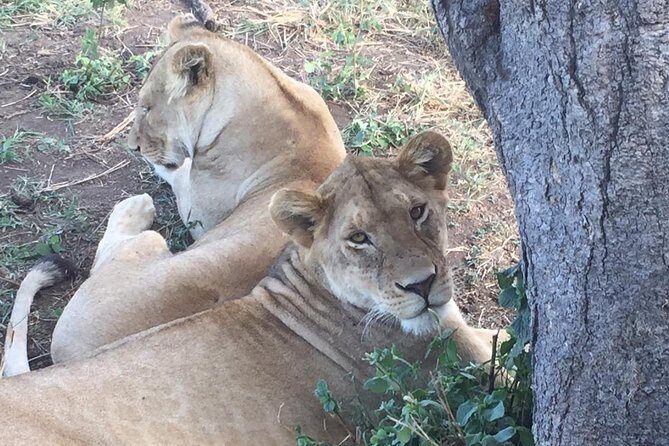
Day 2 is the heart of the itinerary. After breakfast, you go out on game drives across Central Serengeti, exploring different areas through the day in search of the Big Five. You return to Nyani Campsite for dinner and a relaxing campfire setting.
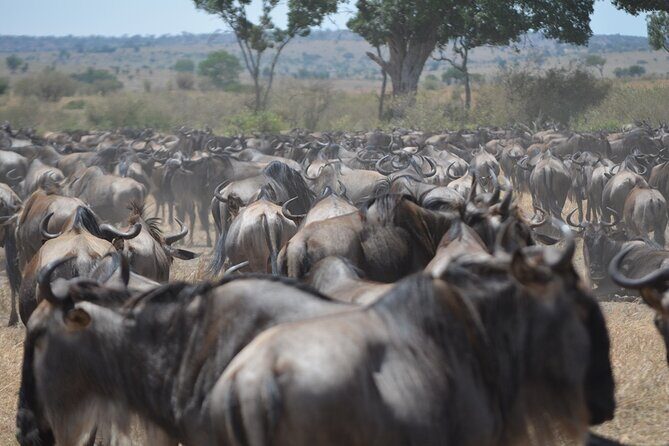
This is the day where your patience pays off. Cats often show up when you least expect it, and herd animals can draw predators in waves. A full day also gives your guide more chances to reposition when sightings are brief or spread out.
One practical tip: make room in your plan for multiple “short wonders.” One good sighting might last minutes, not hours. The real value of a long day is that you don’t burn your only chance on one location.
A few more Arusha tours and experiences worth a look


Day 3: Dawn at Central Serengeti, then transfer to Ngorongoro/Karatu
Day 3 starts early with a morning game drive before breakfast. Wildlife at dawn can feel like a different safari. Movement is active, shadows are long, and animals often look more dramatic against the light.
Then you pack up and transfer toward Ngorongoro/Karatu, with a lunch stop at a scenic point along the way. You check in at Simba Campsite and unwind in the evening with views.
Two things to appreciate here. First, the early game drive keeps your rhythm strong instead of turning the transfer day into a slow slog. Second, the move to the Ngorongoro area sets you up for a crater descent the next day, which is where the whole trip gets intense.
If you dislike early mornings, at least plan to keep your evening calm. You’ll likely want an early bedtime on this night.
Day 4: Ngorongoro Crater descent, guided tour, and picnic lunch
This is the showpiece day. You descend into Ngorongoro Crater for a five-hour guided tour. You’ll observe wildlife in a setting that concentrates animals in a way that’s hard to reproduce on the open plains. You also enjoy a picnic lunch inside the crater before ascending back to the rim.
Why crater time is so valuable: it’s structured wildlife viewing. Instead of searching across distance all day, you’re guided through an area where sightings can be frequent and varied. That means you get more “look, there it is” moments with less driving downtime.
Possible consideration: you’ll be spending most of your day concentrated in one major geographic area. If you’re the type who wants constant location changes, this part may feel intense but narrow. If you want density and guided focus, you’ll likely love it.
After the crater visit, you transfer back to Arusha, bringing the safari to a close.
What’s included: where the value is actually coming from
The price listed is $1,334 per person, and the value comes from what’s bundled. Here’s what you get without having to pull out your wallet every day:
- Pick up and drop off to your hotel
- Briefing
- Professional guide and licensed safari driver guide
- Game drive transport in a 4×4 Land Cruiser
- Tanzania National Park entrance fees
- Clean and purified drinking water
- Meals described as large portions of fresh healthy food
- Accommodations during the safari (at the provided campsites)
- Medical kits
- Safari certificate
You can see why this matters: park entrance fees alone can make or break the budget on safari days. Having them included reduces the risk of surprise costs.
What you should still plan to budget for:
- tips for guide and chef
- personal items
- any hotel stays after the safari
- flights (domestic and international)
Also, the safari certificate is a small touch, but it’s nice if you like having a paper trail for your trip memories.
Camping nights at Nyani and Simba: food, water, and “stars included”
This safari is a camping-style experience, and it uses named campsites: Nyani Campsite for the Serengeti nights and Simba Campsite for the Ngorongoro area. That gives you continuity. You’re not doing constant check-ins and you’re not relying on finding food or beds on your own.
Meals are included, and they’re described as generous and focused on fresh, healthy food. Drinking water is also provided in purified form. Those two details are more important than they sound. On safari, small shortages become big problems fast.
I also like that the itinerary explicitly includes evenings around camp, including dinner and relaxing time by the campfire. That’s when the day’s sightings get talked over, and you get a moment to reset before the next early start.
Bring an open mind here. Campsites have basic comfort by design, not hotel-luxury expectations.
Wildlife you can realistically hope for, and how guides work those odds
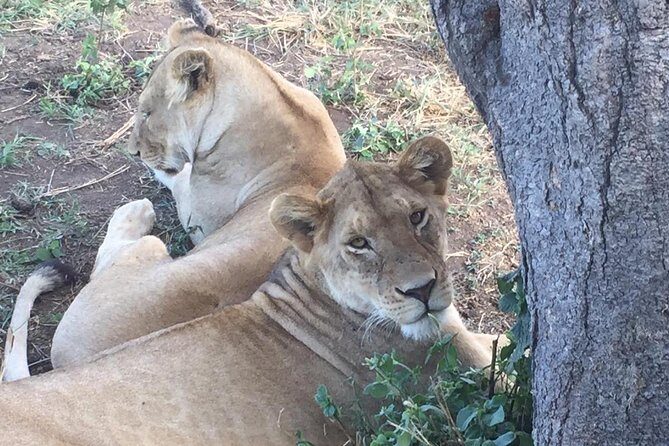
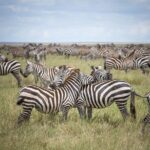
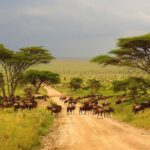
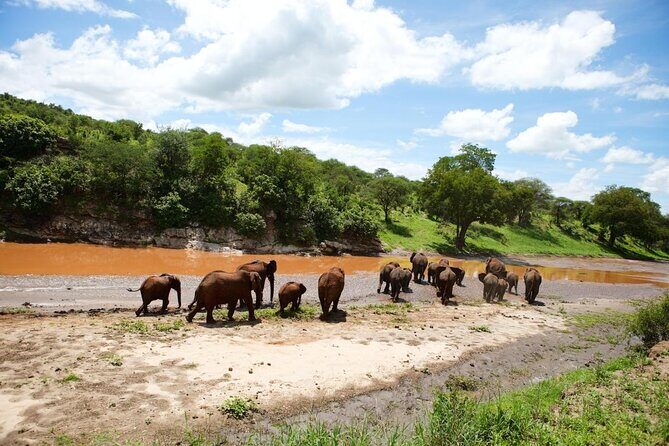
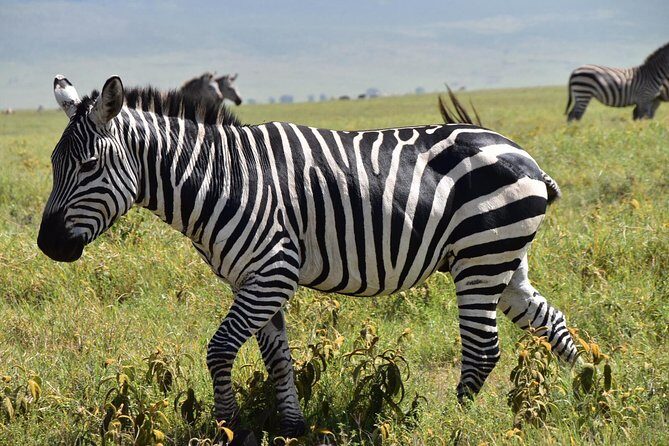
The tour highlights species you may see during the safari, including lions, leopards, cheetahs, elephants, zebras, hippos, and giraffes. The plan also targets Big Five sightings during the Serengeti game drives.
What you should understand: “seeing everything” isn’t a guarantee in wildlife viewing. But a guided itinerary like this increases your odds by matching your time to prime viewing windows. Day 2 gives you long search time in Central Serengeti. Day 3 adds dawn. And Day 4 focuses on Ngorongoro’s high-density viewing.
In practical terms, you’ll get the most out of your safari if you’re patient with waiting and quick to react when your guide calls the switch. Wildlife often appears between moments, not on schedule.
Also, keep your camera ready. The vehicle setup helps, but you still need to be prepared when the action happens suddenly.
Small group size (up to 50): what it means on the ground
The group is capped at 50 travelers. That sounds big on paper, but for safaris it still often feels more manageable than mass tours where dozens crowd the same viewing moment.
The real benefit is attention. The tour promises more attention from your guide with the smaller-group format. When you’re watching wildlife, being seen matters. It helps you get pointed to the right area and helps your guide manage pacing so nobody gets left out.
If you’re traveling with friends, this group size is also easier for planning: you’re together as a group, but you don’t feel trapped in a single-file chain all day.
Booking with Africa Natural Tours: what to look for before you pay
Africa Natural Tours runs the experience, and communication style comes through in the way the team operates. In safari-related feedback for this operator, people highlight quick responses via WhatsApp and flexibility when adjusting plans. Names like Godfrey, and guides such as Joseph and Ben, show up in positive comments tied to organization and long driving experience.
Here’s how you use that information without over-trusting it: before payment, ask for confirmation of your exact park routing. Since the general description mentions Tarangire and Manyara but the day plan you’re given centers on Central Serengeti and Ngorongoro, your best move is a quick checklist with the operator.
Ask:
- Which parks will be included on your specific dates
- Whether your Day 1 and Day 2 are purely Central Serengeti
- Where your lunch stops happen on Day 3
- That your transfers are included from your hotel in Arusha
A good operator will answer clearly.
Who should book this 4-day camping safari, and who might skip it
You should book if:
- you want guided wildlife time without self-driving
- you like the idea of Serengeti plus Ngorongoro Crater in a short run
- you’re comfortable with a camping-style base and early mornings
- you value included entrance fees, purified water, and meals
You might skip or consider another option if:
- you hate schedule-heavy days and want more free time
- you’re hoping to spend a lot of time outside the main “Serengeti + crater” focus
- you’re extremely sensitive to early departures (Dawn game drive is part of the plan)
Should you book this Tanzania 4-day camping safari?
If your goal is a no-drama safari that still feels like a real safari, I think this is a strong buy for the money. The included park fees, the dedicated game-drive days, and the structured crater time do the heavy lifting.
My main caution is the park routing mismatch risk. The description mentions Tarangire and Manyara, while the day-by-day plan you’re given concentrates on Central Serengeti and Ngorongoro. If you confirm the exact parks for your date, you’re set up for a trip that feels focused instead of vague.
FAQ
How long is the safari?
It runs for about 4 days, with the itinerary arranged from pick-up in the Arusha region through a return back to the meeting point.
Where does the safari start and end?
It starts in the Arusha Region, Tanzania, and ends back at the meeting point.
What parks are included?
The tour description highlights Tarangire, Serengeti, Ngorongoro, and Manyara national parks, while the day-by-day schedule provided focuses on Central Serengeti and Ngorongoro/Karatu.
Are hotel transfers included?
Yes. Pick up and drop off to your hotel are included.
What meals and water are included?
You get large portions of fresh healthy food and clean, purified drinking water during the safari. A picnic lunch is included during the Ngorongoro Crater portion.
Is a professional guide included?
Yes. You’ll have a professional, experienced tour guide and licensed safari driver guide.
What’s the policy if weather is poor?
The experience requires good weather. If it’s canceled due to poor weather, you’ll be offered a different date or a full refund.