REVIEW · ARUSHA
5 Days Exclusive Camping Adventure in Northern Tanzania
Book on Viator →Operated by kilipath African Safaris · Bookable on Viator
Big Five in five days, with tents inside the action.
This Northern Tanzania safari is interesting because you’re not just passing through parks, you’re actually staying in Serengeti and Ngorongoro while the wildlife is active. I like the small-group feel (maximum 6 travelers), and I love that the plan builds in both early drives and a sunset-style moment in Serengeti for better odds at sightings.
The one drawback to plan for is the pace. Expect long days of driving and game viewing, and camping means you’ll trade comfort for closeness to the wild.
In This Review
- Key Things I’d Put on Your Radar
- Why This Safari Feels Exclusive (Not Just Another Group Trip)
- The Timing: How the Schedule Works in Your Favor
- Day 1 in Tarangire: First Wildlife Hits, Fast
- Day 2 in Serengeti: Sunset Drive Plus Seronera Campsite
- Day 3 in Serengeti Morning + the Road to Simba Campsite
- Day 4: The Ngorongoro Crater Descent (2000 Feet Down)
- Day 5 in Lake Manyara: Water Birds and Big Shadows
- Camping Nights: What You Gain and What You Need to Be Ready For
- What Your Money Covers: Value, Meals, and Park Access
- Guides, Coordination, and Why People Keep Talking About Organization
- Who This Tour Fits Best (and Who Might Want Something Different)
- Should You Book This 5-Day Exclusive Camping Safari?
- FAQ
- How long is this safari?
- Where does the tour start and end?
- What time does the tour begin?
- Is pickup included?
- How many travelers are in the group?
- Which parks are included?
- What kinds of activities are included each day?
- Are meals included?
- What is not included in the price?
Key Things I’d Put on Your Radar
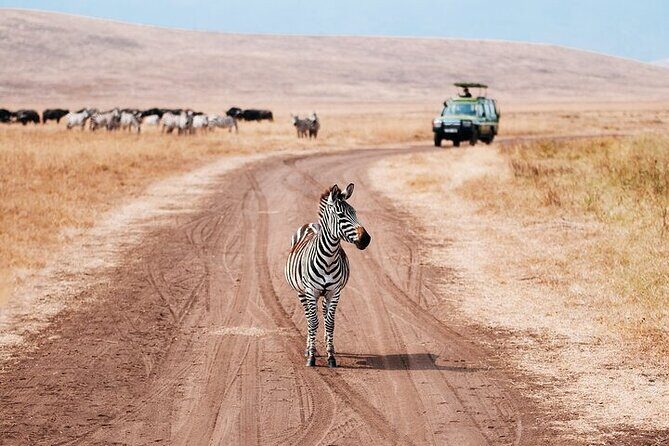
- Up to 6 people means less crowding and more flexibility to keep finding animals.
- Park-to-park routing links Tarangire, Serengeti, Ngorongoro, and Lake Manyara without backtracking.
- Overnights inside the parks add time where wildlife is most active, not just daytime hours.
- Big Five focus with repeated game drives: morning and evening drives show you different behaviors.
- Meals and park fees are mostly covered (lunch 5, dinner 4, breakfast 4), which boosts value.
Why This Safari Feels Exclusive (Not Just Another Group Trip)
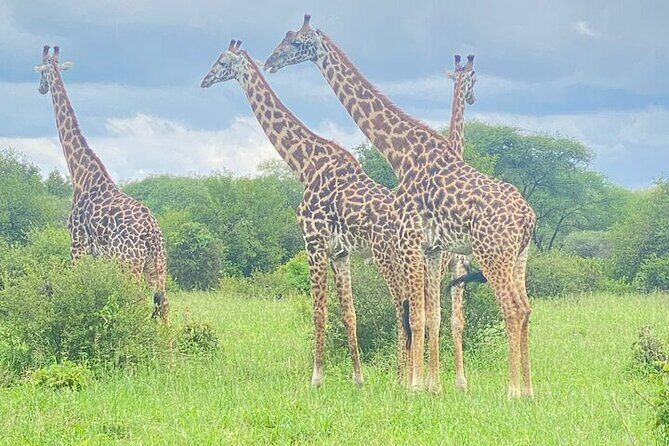
The first thing I’d notice is the headcount. A maximum of 6 travelers can change the whole vibe of a safari—less shuffling, fewer people to sort out for sightings, and a guide who can actually manage the day instead of herding bodies.
You also get pickup offered, and the tour ends back at the meeting point. That matters because safaris can be logistics-heavy, and you don’t want to spend your precious time negotiating rides or figuring out where to be.
This is also a “mobile ticket” type of experience. Translation: you’re not hunting paper confirmations the morning you leave. Small detail, but it reduces stress when your day starts at 7:30 am.
A few more Arusha tours and experiences worth a look
The Timing: How the Schedule Works in Your Favor
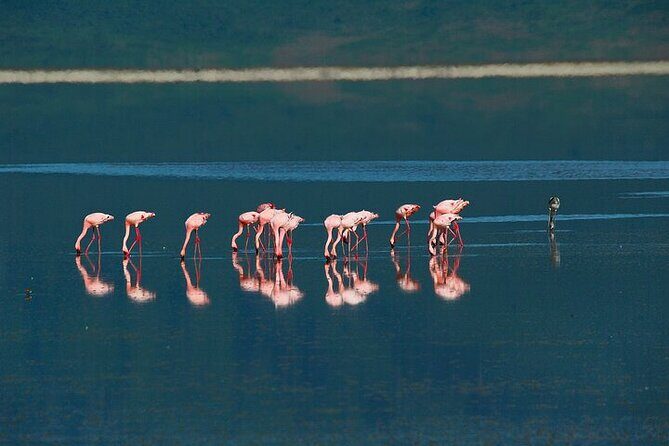
This safari has a clear rhythm: you start early, you pack in game drives during the best wildlife hours, and you use daylight well. The day1 departure from Arusha is listed for 8:00 am, with an overall start time shown as 7:30 am—so assume an early wake-up and a quick breakfast/brief before you roll out.
Why I like this approach: wildlife behavior shifts across the day. Early drives often bring more active feeding and movement, while late-day driving can improve your odds for predators hunting or animals doing their late shift. One day specifically includes an evening game drive in Central Serengeti with a sunset feel, which is exactly the sort of timing that makes cameras (and nerves) start working overtime.
Also, the plan doesn’t cram only one drive per day. You get multiple opportunities across different parks, which is huge for the Big Five goal because you’re not betting everything on one single location.
Day 1 in Tarangire: First Wildlife Hits, Fast
Tarangire National Park is your opening act. The plan departs Arusha promptly at 8:00 am and you’ll spend about 6 hours on your first wildlife run. The itinerary frames Tarangire as an iconic African wilderness with an abundance of wildlife and breathtaking scenery—so I’d treat day 1 as your “get your bearings” day with the expectation that the sightings can start early.
Tarangire is also a good match for the safari style you’re using here: game drives led by an expert driver guide. The value isn’t just that you see animals; it’s that you’re driving with someone who knows where animals tend to show up and how to position the vehicle for viewing.
One practical consideration: day 1 is long, and you’re starting early. If you’re sensitive to motion or early mornings, plan to have water ready and avoid turning day 1 into a jet-lag recovery day.
Day 2 in Serengeti: Sunset Drive Plus Seronera Campsite
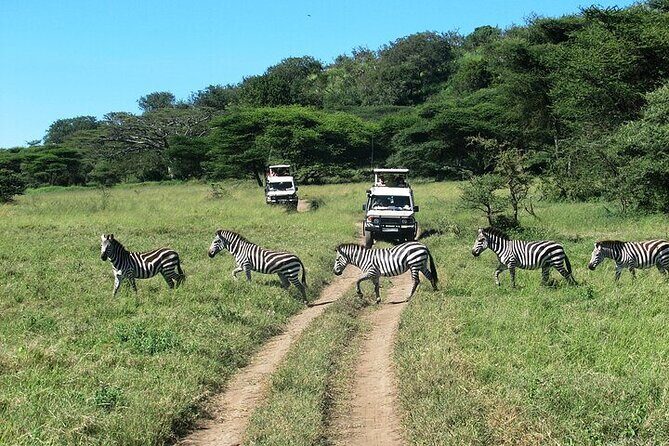
Day 2 is where the trip starts feeling like the classic Serengeti story. You’ll do an en-route game drive with a packed lunch, then switch into an evening drive in Central Serengeti. The itinerary also calls out the wildebeest migration as a main attraction—driven by searching for greener pastures due to drought, with herbivores and predators following the opportunity.
In the real world, migration can mean different things depending on timing. I can’t promise you a specific moment of the migration on any given date, but I can say this plan gives you a framework that’s designed to catch it: multiple days in Serengeti and at least one targeted evening drive.
That night you sleep at Seronera Campsite in the heart of Serengeti. Staying inside the park area is a big deal. It reduces the “travel to the animals, then travel back” problem and gives you more realistic chances of being in the right place during the right hours.
Day 3 in Serengeti Morning + the Road to Simba Campsite
Day 3 starts with an early morning game drive in Serengeti. Then you travel to the Ngorongoro Conservation Area, with dinner and overnight at Simba Campsite.
This day is also your first real taste of Ngorongoro. The itinerary describes the Ngorongoro Crater as the world’s largest intact volcanic caldera and a focal point of the conservation area. In other words, you’re not just driving to a new hotel—you’re shifting from one wildlife system to another that’s shaped like a natural wildlife bowl.
I like how day 3 builds in one more Serengeti morning. It’s easy for safari days to blur together, but this structure keeps the trip from feeling repetitive. You’re still looking for Big Five style sightings, yet you’re moving toward the climax.
Day 4: The Ngorongoro Crater Descent (2000 Feet Down)
If you want one day that feels like the “main event,” this is it. After breakfast with panoramic views of the crater, you’ll descend about 2000 ft into Ngorongoro in a 4-wheel drive vehicle. The itinerary also gives the size: around 8,300 sq km for the caldera, described as the largest volcanic caldera in the world.
The big reason this crater is so famous is not geology homework. It’s that it acts as an extraordinary natural haven for large mammals, which means concentration. In plain terms: when the animals are all in one place, spotting gets easier. Even if the day’s sightings vary, you’re not searching across endless distance the way you do in flatter areas.
After lunch, you leave the park and head back toward your lodge area for dinner and overnight. This is the day where your energy may dip a bit afterward—because being on the crater floor can be intense. Plan to soak up your last full night without rushing to add extra activities.
Day 5 in Lake Manyara: Water Birds and Big Shadows
The last day takes you to Lake Manyara National Park for a full-day game drive. Lake Manyara is described as having panoramic vistas, waterfalls, crystal-clear brooks, and thermal springs. The wildlife here comes from variety: grasslands, forests, and water right next to each other.
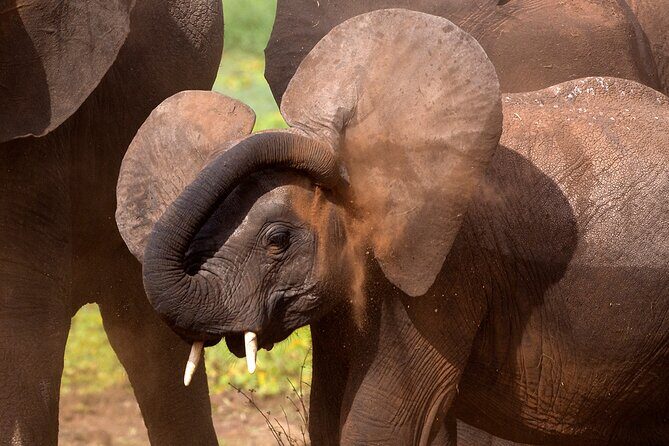
The bird list is a highlight. The itinerary states you can find over 400 species of water birds, including flamingos and pelicans. Then it also names mammals you’ll be hunting for on the roads: elephants, giraffes, hippos, water buffalos, and other wildlife.
Why I like ending here: it’s a different texture than Serengeti and Ngorongoro. Serengeti and the crater can feel like you’re watching the same movie reel from different angles. Lake Manyara can feel like a new setting entirely—more water-driven wildlife scenes and different species behavior.
One heads-up: day 5 is still a game drive day. You’ll want a calm end to the trip because the earlier days are front-loaded with early mornings and long drives.
Camping Nights: What You Gain and What You Need to Be Ready For
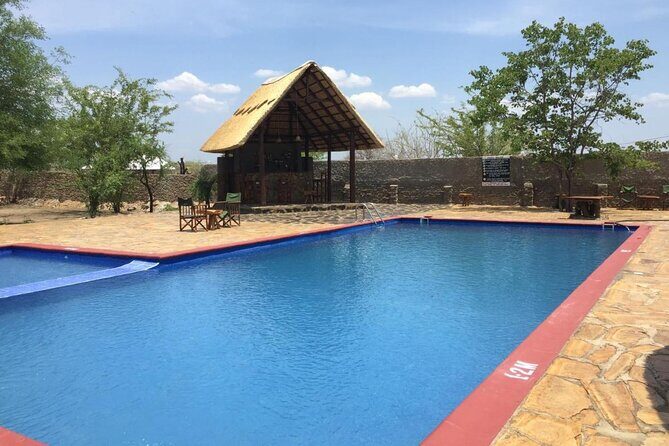
This tour is built around exclusive camping overnight. That means you’re closer to the timing of wildlife than you would be with lodges far from the action. The tradeoff is simple: camping is less about luxury and more about access.
In this specific plan, you sleep at Seronera Campsite and Simba Campsite. From a planning perspective, that tells you the trip is designed for people who are comfortable with basic safari camping life and who like being part of the daily rhythm.
What to consider before you book:
- You’re signing up for a schedule driven by animals and daylight, not by comfort.
- You’ll spend more hours in a vehicle than in a typical city trip.
- You’ll need to stay flexible—wildlife doesn’t run on your timetable.
If you like nature straight-up and you don’t need constant amenities, camping is where the safari magic gets real.
What Your Money Covers: Value, Meals, and Park Access
At $1,200 per person for about 5 days, the value comes down to what’s included and how tightly the days are packed. This tour lists these inclusions:
- Parking fees
- Lunch (5)
- Dinner (4)
- Breakfast (4)
Admission tickets are also shown in the itinerary notes: admission is listed as free on several days (Tarangire, Serengeti days, and Lake Manyara), and Ngorongoro’s day includes the admission ticket.
What’s not included is equally important:
- Visa
- Tips
- International flight
- Personal items / souvenirs
- Travel insurance
- Additional accommodation before and after the tour
Here’s the practical way I’d look at it: safaris can get expensive fast once you add park fees, meals, and transportation. This plan covers most of the daily essentials (especially food), which usually makes budgeting easier.
Also, the small group size matters for value. Paying $1,200 for a max-of-6 setup is often a sign you’re not getting squeezed into a crowded, stop-start experience.
Guides, Coordination, and Why People Keep Talking About Organization
The reviews I saw had a consistent theme: the team worked hard to make sure the group saw what they came for, and they were organized from pickup onward. Names that came up include Heavenlight and Gasto (praised for care and for the chef side of things).
That matters because safari spotting isn’t only about luck. It’s about timing, positioning, and calm decision-making when animals move. When the organization is solid, your day feels smoother even when the itinerary is packed.
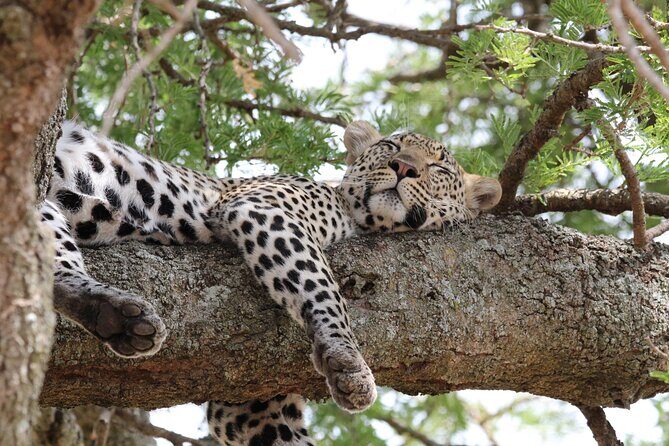
If you care about seeing rare animals, the pattern in the feedback is that the guides put effort into finding more than just the easy-to-spot species. Cheetahs, leopards, and even rhino were mentioned in that context, which suggests they’re not running a bare-minimum route.
Who This Tour Fits Best (and Who Might Want Something Different)
This safari is a strong match for:
- People who want multiple game drives across several ecosystems, not just one park.
- Travelers who like the Big Five concept and want repeated chances to see large mammals.
- Anyone comfortable with camping and long driving days.
You might want to rethink if:
- You need lots of downtime and very short days.
- Early starts wreck your energy for the rest of the day.
- You’re expecting a luxury lodge experience every night (this is camping, not that).
Because the group is capped at 6, it also suits couples and small groups who want a more personal feel without going private.
Should You Book This 5-Day Exclusive Camping Safari?
I’d book it if your top goal is a well-run Big Five style safari with in-park camping and enough time in Serengeti to chase the migration story. The best reason to choose this plan is the structure: repeated game drives, a real Ngorongoro crater day with a descent, and an ending in Lake Manyara for bird-and-mammal variety.
I’d hesitate only if camping isn’t your thing or if you’re not okay with long days that start early and follow animal timing. If you’re the type who wants to wake up near the wild, then this is the right kind of trip.
FAQ
How long is this safari?
It’s listed as approximately 5 days.
Where does the tour start and end?
It starts from the meeting point and ends back at the meeting point.
What time does the tour begin?
The start time is 7:30 am.
Is pickup included?
Yes, pickup is offered.
How many travelers are in the group?
The maximum group size is 6 travelers.
Which parks are included?
Tarangire National Park, Serengeti National Park, Ngorongoro Crater (Ngorongoro Conservation Area), and Lake Manyara National Park.
What kinds of activities are included each day?
You’ll do game drives in the parks, including morning and evening drives on multiple days. You also descend into the Ngorongoro Crater on day 4.
Are meals included?
Yes. Lunch is included 5 times, dinner 4 times, and breakfast 4 times.
What is not included in the price?
Visa, tips, international flights, personal items/souvenirs, travel insurance, and additional accommodation before and after the tour.