REVIEW · ARUSHA
13 Days Adventure in Tanzania – Trekking and Wildlife Safari
Book on Viator →Operated by Rupia Adventure · Bookable on Viator
Kilimanjaro and big cats, in one sweep. This 13-day Northern Tanzania mix is built around two very different kinds of awe: wildlife sightings across top parks and a serious climb on the Machame Route with altitude changes that shape how you feel each day.
I really like that it strings together the Serengeti, Tarangire, and the Ngorongoro Crater in a way that keeps your “spotting radar” working, not just hoping. I also like the small group setup, capped at 4 travelers, which usually means less waiting around and more attention when the days get demanding. The one consideration: the Machame climb is not a casual hike, and the altitude jumps—from Machame Gate at 1,790m toward Machame Camp at 3,010m—can test your fitness and breathing even if you’re doing everything right.
In This Review
- Key things that make this trip different
- Arusha to the Wild: how the start sets expectations
- Serengeti plains and Ngorongoro’s crater magic
- Tarangire: where the elephants steal the show
- The Machame Route begins: Machame Gate to Machame Camp
- Rain forest, colobus monkeys, and the first altitude reality check
- Heath and moorland: ferns, ericas, and calmer but tougher breathing
- Icy caps and summit attempts: what to do when luck enters
- Small group feel: pickup, mobile tickets, and Rupia Adventure service
- Price and value: what you’re really paying for at $3,000
- What to pack for safari plus the Machame climb
- Who should book this—and who should think twice
- Should you book this Tanzania adventure?
- FAQ
- How long is this Tanzania adventure?
- Where does the experience start?
- What trek route does it include?
- Which wildlife parks are part of the safari?
- How much does it cost?
- Is pickup included?
- Are tickets provided digitally?
- How many people are in the group?
- What does the weather requirement mean for planning?
- What is the cancellation window for a full refund?
Key things that make this trip different
- Small group limit of 4 keeps the pace manageable and the attention higher
- Serengeti + Ngorongoro boosts your odds of classic wildlife moments, including Big Five chances
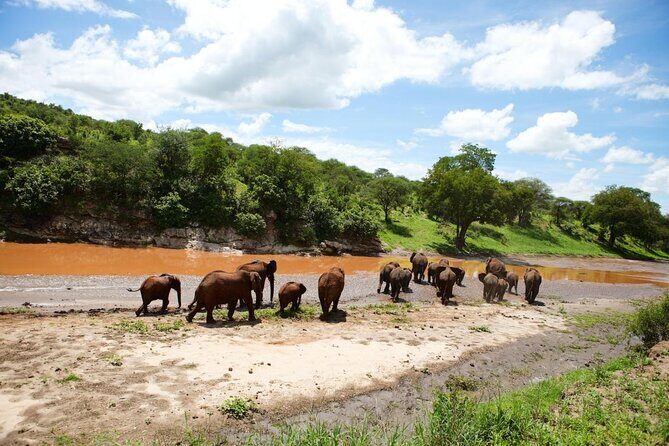
- Tarangire elephants are a major highlight here, not a side stop
- Machame Route’s changing environments (rain forest, heath/moorland, icy summit zone) makes the climb feel varied
- Pickup offered and mobile ticket reduce the day-one chaos
- Good acclimatization strategy is part of why the package leans into time and altitude variety
Arusha to the Wild: how the start sets expectations
Most Tanzania combos feel either like a safari-only blur or a trekking-only grind. This one tries to balance both, and the best thing about that is mindset. You begin in Arusha, which is the usual launchpad for Northern parks and Kilimanjaro journeys. That matters because your first days are about getting organized, meeting your team, and setting routines you’ll still use later when you’re tired and climbing.
The vibe you’re aiming for is practical: you’ll likely move between activities that each demand different energy. Safari days want patience and early starts. Trek days want steadiness and calm focus on your breathing. If you can switch gears without getting frustrated, you’ll have a much easier time enjoying every part.
One more point I like: it’s clearly designed for a small circle. With a maximum of 4 people, you’re less likely to feel like you’re on a schedule controlled by strangers. Instead, the rhythm usually feels more personal—helpful if you need a slightly slower pace on trekking days or a moment to reposition for wildlife.
You can also read our reviews of more hiking tours in Arusha
Serengeti plains and Ngorongoro’s crater magic
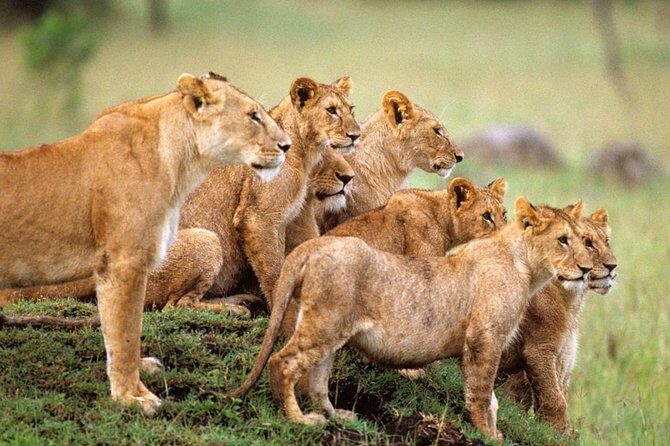
Northern Tanzania wildlife is where this package earns its reputation. You’ll spend time on the endless plains of Serengeti National Park, and the reason this matters is simple: the Serengeti is built for roaming. That opens the door to classic sightings because animals spread out across huge areas, and your ability to spot them depends on time, movement, and staying alert.
From what’s built into this trip, you’re not treating the Serengeti like a one-and-done photo stop. The focus is on a real chance to see Big Five, meaning your game drives aren’t just scenic drives—they’re structured around that goal.
Then you hit Ngorongoro Crater, often called the garden of animals. The draw here is the kind of spotting pressure you feel when the terrain does some of the work for you. A crater setting can concentrate wildlife movement and make sightings feel more immediate than open-plain searching, especially when animals funnel into areas they prefer. Even if Big Five doesn’t line up perfectly for every person, Ngorongoro is still one of the most satisfying places to watch animal behavior up close.
A realistic note: wildlife sightings are never guaranteed. What you can control is choosing an itinerary that has multiple “shot opportunities.” This one does that by combining Serengeti searching with Ngorongoro’s more concentrated setting.
Tarangire: where the elephants steal the show
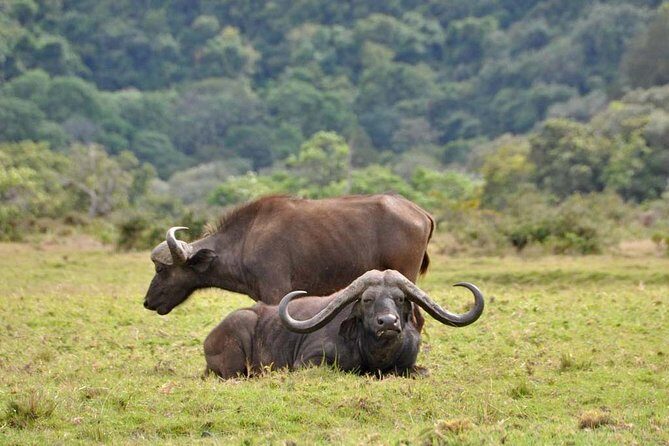
If Serengeti is about scale, Tarangire National Park is about character. This park is known here for a huge concentration of elephants, and that’s exactly why I’d prioritize it. Elephants aren’t just “another animal” on the list—they change how the whole day feels. You adjust your walking and your distance; you pay attention to sound and movement; you notice how they use water and shade.
Tarangire also tends to give you a different kind of wildlife viewing than the big open grassland approach. You get more varied visual structure, which can make sightings feel more layered. Even if you’re coming for Big Five, Tarangire can still reward you with “stand and stare” moments—the kind where the best move is simply patience.
For value-minded planning, this stop is important. Safari days can become repetitive if every park feels the same. By adding Tarangire into the mix, you reduce that risk and keep your eyes fresh.
The Machame Route begins: Machame Gate to Machame Camp
Now for the part that will define how you remember this trip. The climb is on the Machame Route, and you start at Machame Gate (1,790m) and climb toward Machame Camp (3,010m). Those numbers aren’t trivia. They’re the whole story of why this trek works for acclimatization.
The Machame climb is described as moving through distinct zones. That’s useful because altitude affects more than elevation on a map. It affects your pace, your hunger, your sleep, and your mood. When the route changes environments, it often means you’re also changing how the hike feels day to day. That reduces the chance of mental burnout, because the landscape shifts as your body adapts.
At Machame Gate, you’re likely starting with a mix of excitement and nerves. The early section sets your pacing habits. I’d treat this phase like training: slow, steady breathing, and no ego pace. If you start fast, you’ll usually pay later.
When you reach camp at 3,010m, your focus shifts to recovery: hydration, warm layers, and calm sleep. If you’ve ever had altitude mess with your appetite, plan for that. Your stomach might act differently than at sea level, and that can trick you into not eating enough.
Rain forest, colobus monkeys, and the first altitude reality check
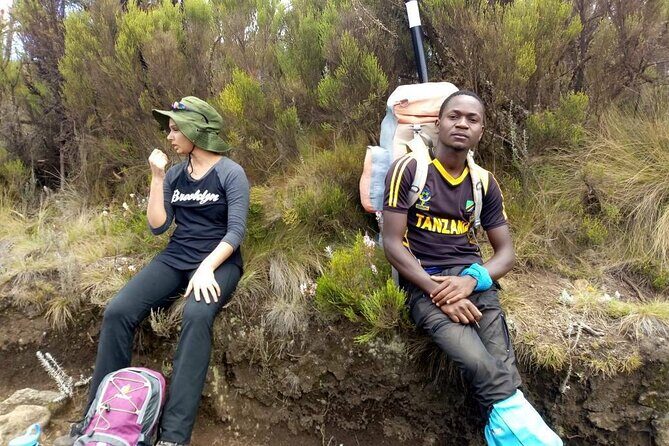
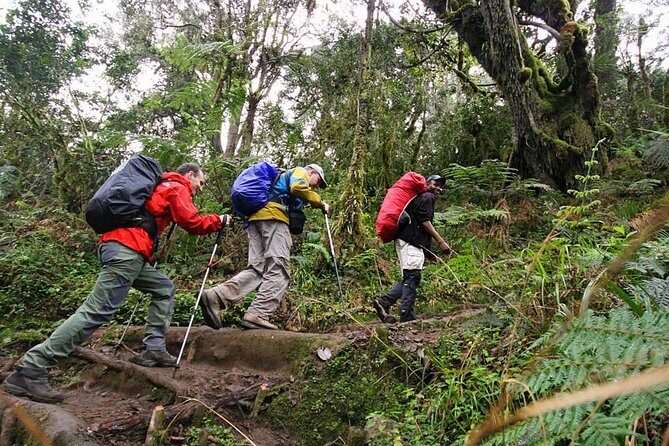
One of the best things about this climb is that it doesn’t stay in one mood. The route takes you through lush rain forest, where colobus monkeys can roam. That matters more than it sounds. When the trail is shaded and green, you often feel less like you’re climbing into punishment and more like you’re hiking through a living machine.
Rain forest trekking can be humid and can make you work harder, even when you think you’re taking it easy. Mud and moisture can slow your steps, and cold air can show up unexpectedly at higher elevations. So the key is still pacing, but now it’s pacing with patience for slippery sections.
The reward of this segment is twofold:
1) You see wildlife signs in the forest zone.
2) You get a mental break from the harshness that comes later.
This is where your decision-making helps your summit odds. If you can enjoy this forest phase instead of racing past it, your body usually responds better later.
A few more Arusha tours and experiences worth a look




Heath and moorland: ferns, ericas, and calmer but tougher breathing
After the rain forest, you move into heath and moorland, with ferns and ericas described along the way. This is the altitude zone where the air starts demanding more from you. The path can feel quieter—less greenery close-up—but that doesn’t mean it’s easier. Often it means the effort becomes more internal: your breathing, your heart rate, and how you control your pace.
If you’re hoping for an even climb, moorland rarely gives that. The terrain can feel “more exposed,” and you might face changing weather. This trip is built to give you an acclimatization environment through altitude variety. In plain terms: you’re not just going up; you’re giving your body time and exposure to adapt gradually.
I also like that the route includes these transitions. They help you mentally measure progress. You can’t just think about “how high do we go.” You also experience “how does the hike feel at this altitude?” That makes the climb more manageable day by day.
Icy caps and summit attempts: what to do when luck enters
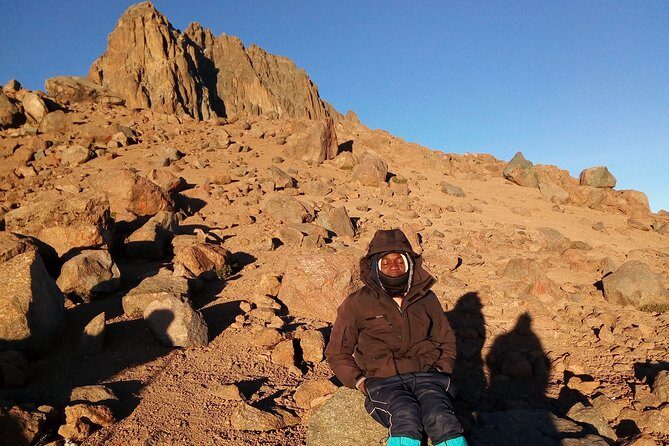
The route description ends with the icy caps of the mountain top, and it notes that varying altitudes plus a little help from luck improves your chances of reaching the summit. That sentence is worth taking seriously, because it’s honest.
This is the part where your preparation and your luck both matter. Weather can change fast near the summit zone. Your body can also respond differently depending on sleep quality, hydration, and how you handled earlier altitude.
What you can control is your behavior:
- Stay consistent with your pacing.
- Don’t underdress or overdress—layer smart.
- Follow the team’s rhythm for hydration and rest.
- Keep your mind focused on the next step, not the final view.
It’s also worth remembering that “summit” is not the only win. A successful acclimatization and a safe climb to the best possible point is still a big achievement. This package is structured to maximize your odds, not sell fantasy.
Small group feel: pickup, mobile tickets, and Rupia Adventure service
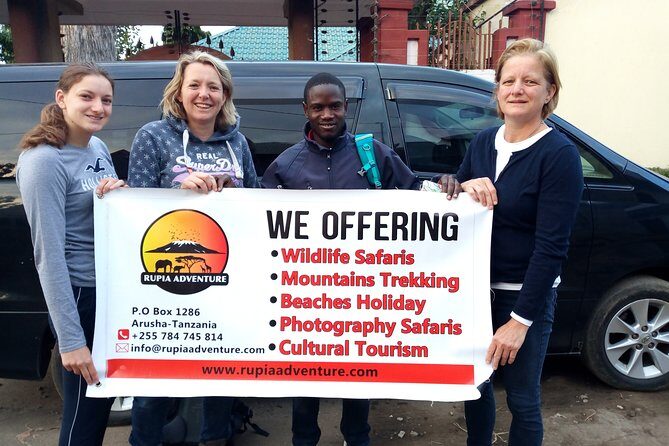
Logistics don’t sound exciting until they save your energy. This trip offers pickup and uses a mobile ticket, which means you’re less likely to lose time at the start. On a climb, time lost early becomes time lost later—so I appreciate any structure that reduces confusion.
The experience provider is Rupia Adventure, and the tone from their communications comes through in the feedback: kind customer service and fast, friendly attention. One name that appears in their coordination messages is Jolanda Bronsvoort, listed as Expeditions Coordinator. That kind of personal touch matters more than people think, because it signals they’re used to handling questions before you’re standing in the cold at altitude.
Finally, the max group size of 4 keeps the human side strong. You’re more likely to connect with your fellow participants, and it’s easier to move as a unit—especially on long trekking days where small adjustments matter.
Price and value: what you’re really paying for at $3,000
$3,000 per person is not pocket change. The right question is: what do you actually get for that money?
From what’s included and emphasized, you’re paying for a package that combines:
- Multiple major Northern safari areas (Serengeti, Tarangire, Ngorongoro)
- A Machame Route trek with altitude variety
- Team support as part of the experience (not just “good luck out there”)
- Pickup offered plus mobile ticket convenience
- A small group format (max 4), which typically costs more per person than large-group deals
Here’s my practical advice: before you book, confirm what’s included in that price. This information doesn’t specify what’s covered for park fees, guides, porters, meals, and gear. Those details can swing the true value a lot. Still, even without assuming everything is included, the structure itself makes sense. Combining two major “once in a lifetime” elements in one trip is often more efficient than planning them separately.
If you love both wildlife and hiking—and you don’t want to do them on separate dates—this price starts to look like paying for coordination, time savings, and a route designed around acclimatization.
What to pack for safari plus the Machame climb
I’ll keep this practical, because wrong gear can ruin both parts of the trip.
For safari days:
- Neutral clothing that won’t scream for attention
- A hat and sunglasses
- A water bottle you can access easily
- A light layer for mornings and vehicle time
For the Machame climb:
- Warm layers you can layer up for the early cold-to-icy progression
- Waterproof or quick-drying outerwear (rain forest days can be wet)
- Gloves or at least something for hands if the cold bites
- Sturdy hiking boots with real grip
- A headlamp (this matters on any early starts near mountain zones)
Also, plan your energy. On a trek, the goal is steady effort, not heroic pushes. On safari, the goal is patience and readiness to watch for animals that might show up when you least expect it.
Who should book this—and who should think twice
This is a strong fit if you:
- Want a combo trip with real variety—big plains, crater drama, and a mountain trek
- Enjoy wildlife viewing but don’t want only one park experience
- Are fit enough to handle a multi-day climb with altitude changes
- Prefer a small group (max 4) and a more personal feel
You should think twice if:
- You’re not comfortable with altitude or long hikes
- You want a trip where the hardest part is just walking around a viewpoint
- You’re easily discouraged by slow progress (altitude often means slower, not faster)
The upside is that the route design focuses on altitude variety for acclimatization. The downside is you still have to show up ready to work.
Should you book this Tanzania adventure?
If you’re looking for a trip that feels like Tanzania in full color—safari icons plus a serious trekking challenge—this one makes sense. The combination of Serengeti, Tarangire, and Ngorongoro Crater gives you multiple ways to find wildlife, while the Machame Route adds the kind of personal achievement that doesn’t fade after the photos.
Just don’t ignore the main reality check: you’re signing up for altitude effort. If you prepare well, pace calmly, and treat the climb as an acclimatization process (not a race), you’ll have a far better chance of enjoying every day, not just the summit-or-bust idea.
If you tell me your fitness level, travel month, and whether you’re more excited about safari or trekking, I can help you sanity-check if this balance matches what you want.
FAQ
How long is this Tanzania adventure?
It’s listed as 12 days approximately, described as a 13-day adventure package.
Where does the experience start?
You start in Arusha, Tanzania, with the trek route including Machame Gate and Machame Camp.
What trek route does it include?
The climb is along the Machame Route, starting at Machame Gate (1,790m) and heading toward Machame Camp (3,010m).
Which wildlife parks are part of the safari?
You’ll visit Serengeti National Park, Tarangire National Park, and Ngorongoro Crater.
How much does it cost?
The price is $3,000.00 per person.
Is pickup included?
Pickup is offered.
Are tickets provided digitally?
Yes, it includes a mobile ticket.
How many people are in the group?
The maximum group size is 4 travelers.
What does the weather requirement mean for planning?
The experience requires good weather, and if it’s canceled due to poor weather, you’ll be offered a different date or a full refund.
What is the cancellation window for a full refund?
You can cancel up to 24 hours in advance for a full refund. If you cancel less than 24 hours before the start time, the amount paid will not be refunded.