REVIEW · DAR ES SALAAM
Ancient Bagamoyo City Day Tour
Book on Viator →Operated by Enroute Africa · Bookable on Viator
Bagamoyo is a coastal town that still tells stories. This Ancient Bagamoyo City Day Tour strings together pre-colonial and colonial-era threads—Swahili roots from nearby Kaole, German colonial port-era context, and the Arabic trade layer you can literally walk among. I especially like how it mixes major sights (like the Bagamoyo Museum) with smaller, human-scale places near the beach, and I love that lunch and snacks are included so you’re not racing the day with an empty stomach. One thing to think about: it’s a full 10-hour outing starting early, so you’ll want a plan for sun, walking comfort, and patience with a tight morning schedule.
You also get the kind of day where the guide makes the places click. In reviews, guides and hosts named Mr Erick and Emmanuel stood out for being friendly and professional, and the team members Jacqueline and Miss Abby come through as welcoming. That matters here, because Bagamoyo’s history can be heavy, but it’s explained in a way that feels grounded in place—not just dates on a screen.
In This Review
- Key Highlights You’ll Care About
- Why Bagamoyo Feels Like a Coastal Time Machine
- The 7:00 am Start and How to Pace a 10-Hour Day
- Bagamoyo Museum: Where the Story Gets Real
- Kaole Ruins: Arabic-Era Coastal Life in Brick and Stone
- Old Boma (Customs) by the Beach: Trade Happens Here
- Cathedral Area and David Livingstone Footsteps
- Crocodile and Reptile Sanctuary: Fun Contrast for Photo Lovers
- What’s Included for $200: Value That Makes the Day Work
- Pickup, Private Group, and the Small Things That Matter
- How to Get More Out of Your Guide (Ask These Questions)
- Who This Day Tour Fits Best
- Should You Book the Ancient Bagamoyo City Day Tour?
- FAQ
- How long is the Ancient Bagamoyo City Day Tour?
- What time does the tour start?
- Is pickup included?
- What does the tour price include?
- Are alcohol and drinks included for everyone?
- Is this a private tour?
- What happens if weather is poor?
Key Highlights You’ll Care About
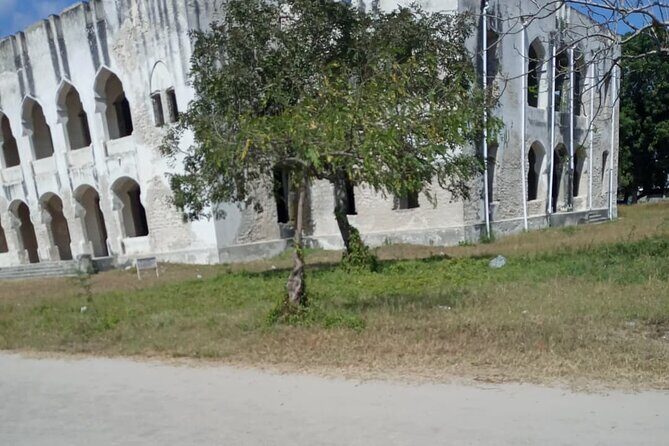
- Layered history in one day: Swahili coastal beginnings, Arab coastal influence, German colonial port-era decisions
- Bagamoyo Museum as your anchor stop: slave-trade and capital-city history helps the rest of the route make sense
- Kaole Ruins with a story you can see: ruins connected to Arab-era city life and the wider Swahili world
- Beach-side Old Boma customs stop: trade strategy made visible right at the shore
- A fun contrast with the reptile sanctuary: hands-on moments for photos, depending on your comfort
Why Bagamoyo Feels Like a Coastal Time Machine
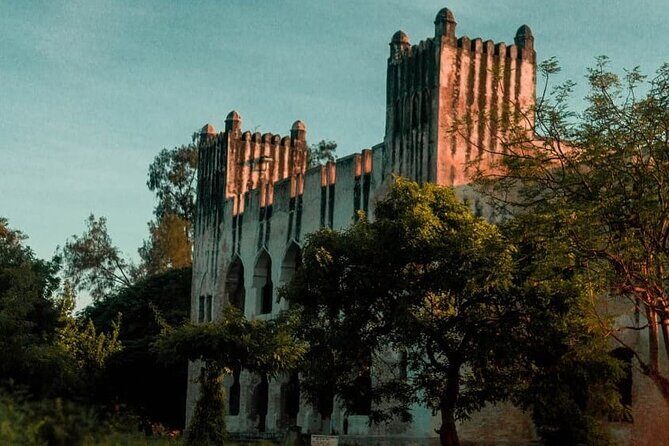
If you’re basing yourself in Dar es Salaam and want a day trip that doesn’t feel like a rushed “checklist,” Bagamoyo works. It’s one of those East African coastal towns where the past isn’t locked behind a gate. You move from museum rooms to sea-breeze streets to ruins that let you imagine how people lived, traded, and governed along the Indian Ocean.
Bagamoyo’s story starts earlier than most people realize. The town grew out of the area’s much older Swahili settlement roots—Kaole goes back about to the 8th century—so you’re not only seeing German-era walls and church buildings. You’re also seeing how a coastal trading culture shaped language, architecture, and daily life. That’s the big win: you get context for why Bagamoyo mattered as the capital of German East Africa and as a major trading port in the late 1800s and early 1900s.
And yes, there’s also the emotional side. The museum focuses on slave trade history. It’s not a “smile-and-move-on” stop. The good part is that this tour is set up so the heavy themes get explained where they belong, which helps the day feel coherent instead of chaotic.
You can also read our reviews of more city tours in Dar es Salaam

The 7:00 am Start and How to Pace a 10-Hour Day
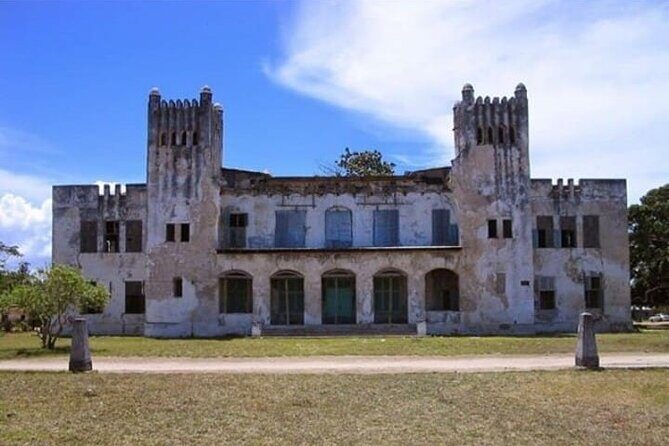
This tour starts at 7:00 am and runs around 10 hours. That early start is a practical choice: you get more daylight for walking and photos, and you’re less likely to feel like you’re fighting the day’s heat. For a long day, that rhythm matters.
You’ll also be doing a mix of environments:
- indoor time in the museum (comfortable when the weather is warming up)
- outdoor time around ruins and beach-side heritage sites
- short visits in multiple places rather than one long “stay”
What helps is that the schedule gives you breaks in the form of time spent at each stop rather than one endurance march. Lunch comes in the included package, plus snacks and bottled water. That’s not just a perk. It’s the difference between enjoying history and feeling cranky halfway through.
Bagamoyo Museum: Where the Story Gets Real
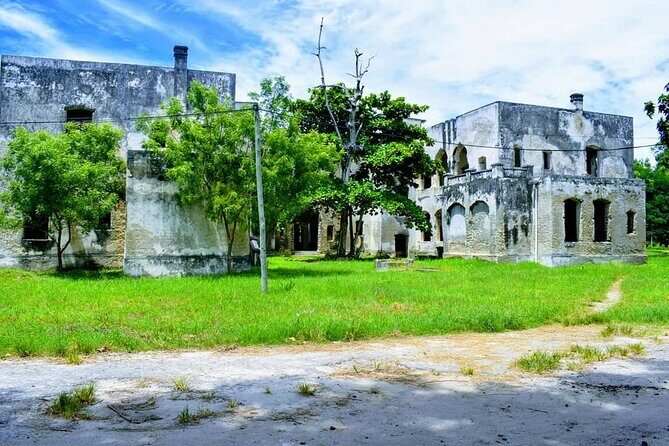
Your day centers on Bagamoyo Museum first. This is the stop that gives you the “why” behind everything else you’ll see. The museum covers both the ancient capital city context and the slave trade history connected to the region.
I like starting here because it reduces the guesswork later. Without that foundation, Kaole Ruins and the customs area can feel like random artifacts. With it, you start seeing how ports, trading networks, and political choices shaped what happened on the coast.
This stop is about 1 hour, and admission is included. You’re not paying extra at the gate, and the time window is short enough that you won’t lose the rest of the day to one building.
Practical tip: if you like history, bring the same mindset you’d bring to a good documentary—slow down, take in the details, and ask your guide to connect what you’re seeing to the bigger coastal story.
Kaole Ruins: Arabic-Era Coastal Life in Brick and Stone
Next comes Kaole Ruins. These ruins help explain how the coastal city evolved under Arab colonial rule and how that period influenced technology, culture, and the wider trade network. It’s also tied to the emergence of other trading cities and the spread and use of Kiswahili as the local East African language.
This is about 1 hour, with admission included. The ruins are a strong choice on this itinerary because they’re the kind of sight that makes you look up from your phone. You start seeing the physical layout and imagining the everyday movement of people—traders, builders, residents—who used the coast as a living highway.
A realistic consideration: ruins walking can be uneven and exposed. Wear shoes you trust. If you’re sensitive to sun, plan to shade-hop with your guide’s timing and take advantage of snack/water breaks.
Old Boma (Customs) by the Beach: Trade Happens Here
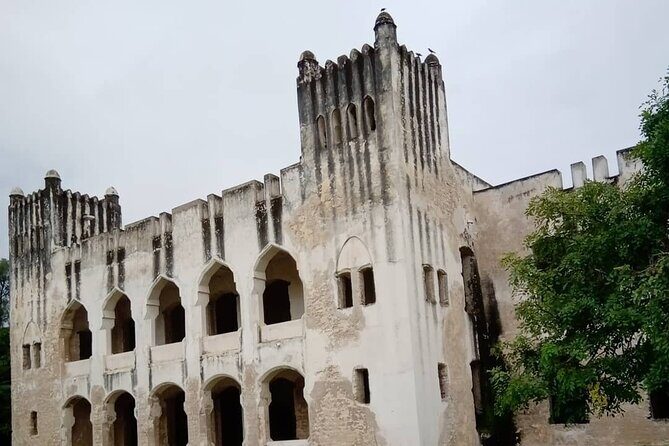
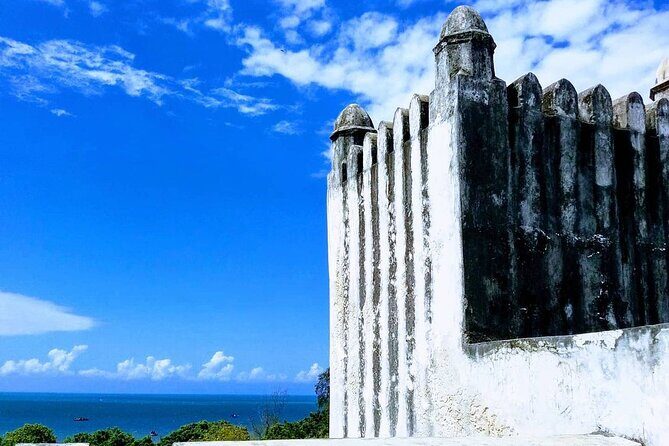
Then you’ll head to Old Boma, described as a beach-side customs area near the city center. This short stop—about 30 minutes—adds a practical layer to the story: it wasn’t just about ships and money. It was also about control, administration, and the strategic role of Bagamoyo during the colonial era.
Admission is included here too. That matters because it keeps the day moving and helps you keep focus. Instead of thinking about what you need to pay for next, you stay in “learn mode.”
This is the kind of stop that works well if you enjoy understanding how trade systems function. The coast isn’t just scenic—it’s logistical. Old Boma makes that point without needing extra explanation.




Cathedral Area and David Livingstone Footsteps

After the customs stop, the tour moves into the Bagamoyo area for two linked parts:
- the old Bagamoyo Cathedral
- areas visited by the explorer David Livingstone
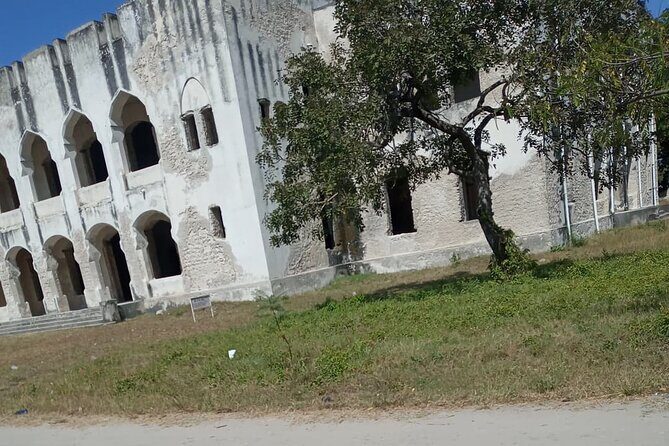
This is about 1 hour, and it’s listed as free. Free in this case is great value, but it’s also a pacing tool: you’re not adding more paid time, you’re shifting the day into a different kind of historical lens—mission-era religious architecture and the broader era of European exploration.
Livingstone’s name draws attention, but the real payoff comes from how your guide ties it to Bagamoyo’s role as a coastal hub. You start to see how exploration routes intersected with existing port activity. It doesn’t feel like a separate story. It feels like another chapter written in the same place.
Crocodile and Reptile Sanctuary: Fun Contrast for Photo Lovers
Here’s the switch-up that helps a heavy history day breathe: a visit to the crocodile and reptile sanctuary.
This stop runs about 40 minutes and is also listed as free. The standout detail for people is the chance to get close—there’s mention that you can even hold the reptiles if you want to take great pictures.
I like this kind of contrast. After museum and ruins, your brain needs a light reset. Also, if you’re traveling with someone who gets bored by pure heritage sites, this is the one moment that can bring a smile back into the day.
Safety and comfort note: the tour info suggests holding may be possible, so if you’re cautious around animals, tell your guide early. They can usually help you choose how you participate.
What’s Included for $200: Value That Makes the Day Work
The price is $200 per person for a private tour that runs around 10 hours. Whether that feels like a bargain or a stretch depends on how you compare it.
Here’s what you’re getting that helps the value:
- Pickup offered and private group (so you’re not squeezed into an overcrowded shared ride)
- Lunch + snacks + bottled water
- Alcoholic beverages included, with a 18+ minimum drinking age
- Admissions included for Bagamoyo Museum, Kaole Ruins, and Old Boma
- Free visits for the cathedral/Livingstone areas and the reptile sanctuary
- Mobile ticket and confirmation at booking time
For many day trips, you end up paying separately for entry fees and food, then still have to manage transportation. This one reduces that friction. You can focus on the experience instead of budgeting every hour.
One more detail: several reviews mention excellent hospitality and strong guiding. That matters in Bagamoyo because the “real value” isn’t the number of sites—it’s how the story fits together across them.
Pickup, Private Group, and the Small Things That Matter
Because it’s a private tour/activity, only your group participates. That typically means fewer delays and a more comfortable pace, especially if you want time for photos or you want your guide to answer history questions in a more conversational way.
The tour is near public transportation, and service animals are allowed. If you’re planning around accessibility needs, this is at least an encouraging sign that the operator is thinking about practical travel.
Also, keep in mind: the experience requires good weather. If weather turns poor, you’ll be offered a different date or a full refund. For a coastal town, this is the right call.
How to Get More Out of Your Guide (Ask These Questions)
The best part of this itinerary is that it’s built around themes: port cities, trading networks, language, colonial administration, and the human cost of forced movement. To get the most out of it, ask your guide to connect dots.
If your guide is the kind of teacher people named in reviews—friendly, professional, and detail-minded like Mr Erick or Emmanuel—these prompts work well:
- What did German East Africa change about Bagamoyo’s role as a port?
- How do the Kaole ruins help you understand Arab-era influence on the Swahili coast?
- Where do you see the clearest signs of trade administration at Old Boma?
- How does Livingstone’s presence fit into Bagamoyo’s larger coastal story?
And don’t be shy about asking for photo help. A day with multiple heritage sites is all about good angles, and your guide can often point out spots you’d miss on your own.
Who This Day Tour Fits Best
This is a strong pick if you:
- want a history-focused coastal day from Dar es Salaam
- like heritage sites but still want at least one lighter stop for fun
- enjoy guides who explain how the past connects to the physical places you’re walking through
- appreciate a tour that includes meals and key entry tickets
It may feel less ideal if you’re looking for a slow, beach-lounging day with minimal walking. The schedule moves, and it’s built for seeing multiple core sites in one go.
Should You Book the Ancient Bagamoyo City Day Tour?
I’d book it if your goal is a high-impact history day without the hassle of piecing entry tickets and transport together. Bagamoyo Museum gives your route meaning. Kaole Ruins add depth to the Arab-influenced coastal chapter. Old Boma brings trade administration into view. Then you get the Cathedral/Livingstone areas and a reptile sanctuary stop so the day doesn’t feel one-note.
If you’re sensitive to intense topics, go in with that awareness. The slave trade history focus is part of the point. A good guide and a structured day help you process it without getting lost.
Finally, if you love learning from people, this tour seems to deliver. Reviews highlight warm hospitality and professional guiding—especially from hosts and guides like Jacqueline, Miss Abby, Mr Erick, and Emmanuel—and that human factor can turn a museum visit into something you actually remember.
FAQ
How long is the Ancient Bagamoyo City Day Tour?
It runs for about 10 hours.
What time does the tour start?
The start time is 7:00 am.
Is pickup included?
Pickup is offered.
What does the tour price include?
It includes lunch, snacks, bottled water, and alcoholic beverages. It also includes admission tickets for Bagamoyo Museum, Kaole Ruins, and Old Boma.
Are alcohol and drinks included for everyone?
Alcoholic beverages are included, but the minimum drinking age is 18 years and older.
Is this a private tour?
Yes. Only your group will participate.
What happens if weather is poor?
This experience requires good weather. If it’s canceled due to poor weather, you’ll be offered a different date or a full refund. Free cancellation is available up to 24 hours in advance for a full refund.