REVIEW · MOSHI
Conquer Kilimanjaro: 5-Day Marangu Route Adventure
Book on Viator →Operated by PINNACLE ADVENTURES & SAFARIS LTD. · Bookable on Viator
Five days to chase the Roof of Africa.
This Conquer Kilimanjaro trek from Moshi is built for people who want a straightforward plan: accommodation in mountain huts, meals, and transfers are included so you’re not doing math or chasing receipts mid-climb. I also like the focus on having your qualified guide team (plus assistants, porters, and cook) stay with you every step, which makes the whole experience feel more managed and less chaotic.
The Marangu route is often chosen by intermediate-plus climbers with limited time, and this schedule leans into that: you’ll hike through rainforest, moorland, alpine desert, then push for the summit starting around midnight. One consideration: the itinerary is aggressive by design, with a very long summit day (listed as 10–14 hours), so you’ll want to be mentally ready for cold, steep, slow going.
In This Review
- Key points at a glance
- Moshi setup, transfers, and the feel of an all-included Kili trip
- Day 1: Marangu Gate rainforest hiking to Mandara Huts (8 km)
- Day 2: From the last rainforest to moorlands and Horombo Huts (12 km)
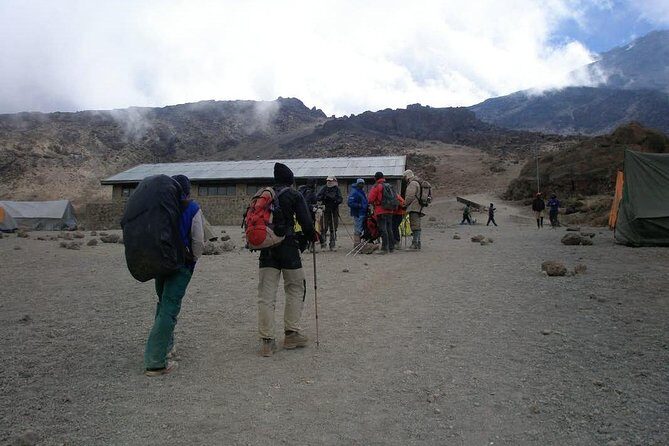
- Day 3: Alpine desert to Kibo Hut (10 km) where you conserve energy
- Day 4: Midnight summit push to Gilman’s Point and Uhuru Peak, then back to huts
- Day 5: Descend through moorlands and rainforest, pass Mandara, get certificates, return to Moshi
- What you’re really paying for: value beyond the headline price
- The guide, porters, and cook: how the team shapes your experience
- How hard is the Marangu 5-day plan, realistically?
- Packing you’ll want to handle before you land in Tanzania
- Who this trek fits best (and who should reconsider)
- Should you book Conquer Kilimanjaro on the Marangu Route?
- FAQ
- Where does this Kilimanjaro trip start and end?
- How long is the trek?
- What’s included for meals and accommodation?
- What support does the tour provide on the mountain?
- What is not included in the package?
- Can I cancel and get a full refund?
Key points at a glance
- Marangu Route, 5 days: hut stays and a fast summit window geared to intermediate-plus hikers
- All-in for day-to-day costs: meals, accommodation, transfers, and park-related fees are bundled
- Full mountain support team: your qualified guide plus assistant guides, porters, and cook (with wages included)
- Emergency oxygen is onboard: provided for emergencies only, not as summit help
- Cold-weather rhythm: you’ll likely feel the altitude most on the higher days and the midnight start
Moshi setup, transfers, and the feel of an all-included Kili trip
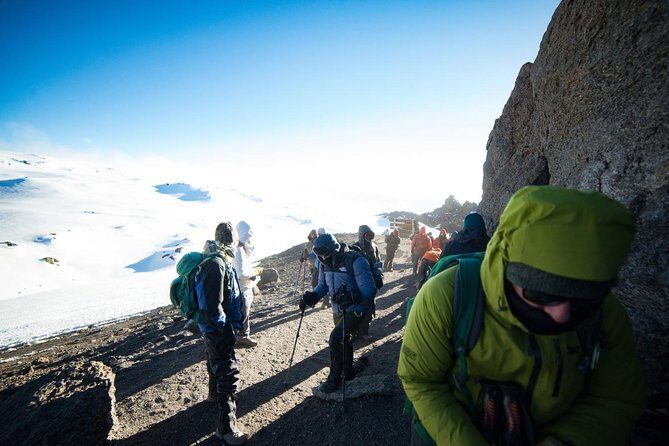
Your trip begins in Moshi, Tanzania, with pickup offered and transfers handled as part of the package. You’ll also be brought to the climb area and return back to Moshi after you finish, which matters on Kilimanjaro because the logistics can get tiring fast even before you start walking uphill.
A big value play here is that the price covers more than just a guide. You’re not only paying for leadership—you’re also paying for the mountain infrastructure: your hut stays, meals, water support, and the people who keep camp running (porters and cook), with their wages included.
This is listed as a private tour/activity, meaning you climb with your own group rather than mixing with random strangers. That tends to make pacing, communication, and group dynamics smoother—especially when the plan includes a midnight summit push.
A few more Moshi tours and experiences worth a look
Day 1: Marangu Gate rainforest hiking to Mandara Huts (8 km)
Day 1 starts after breakfast with a drive to the Marangu Gate. You’ll register for the climb there, then begin walking through dense rainforest, which is often cooler and wetter than the higher parts of the mountain.
You’ll hike about 8 km with roughly 3–4 hours of trekking, climbing from about 1,870 m to 2,720 m. This is the “get your legs moving” day, and it’s also where you might spot wildlife—colobus monkeys are specifically mentioned as a possibility.
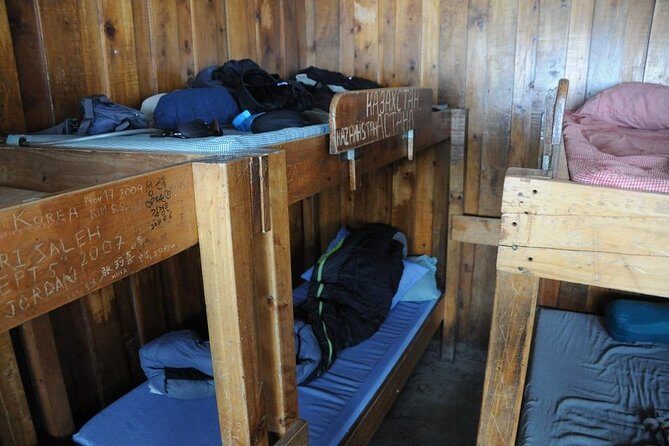
You’ll finish at Mandara Huts for your first overnight. One practical note: rainforest mornings can feel chilly even when Moshi is warm, so bring layers you can shed and re-add as the humidity changes.
Day 2: From the last rainforest to moorlands and Horombo Huts (12 km)
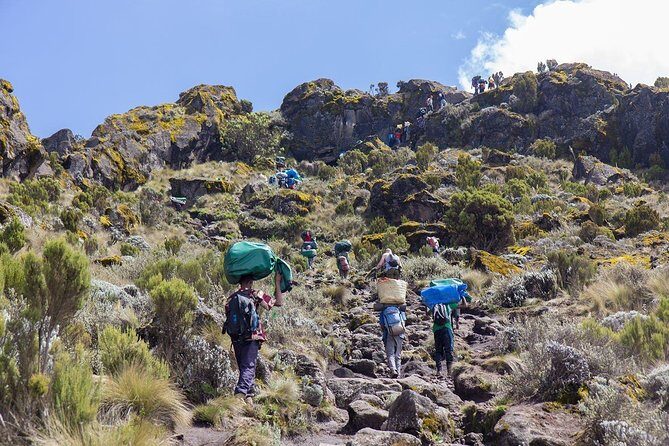
Day 2 is longer and more varied. You start around 2,720 m and climb to roughly 3,720 m over about 12 km, with a listed 6–7 hours hiking time.
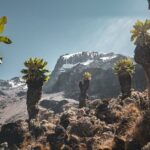
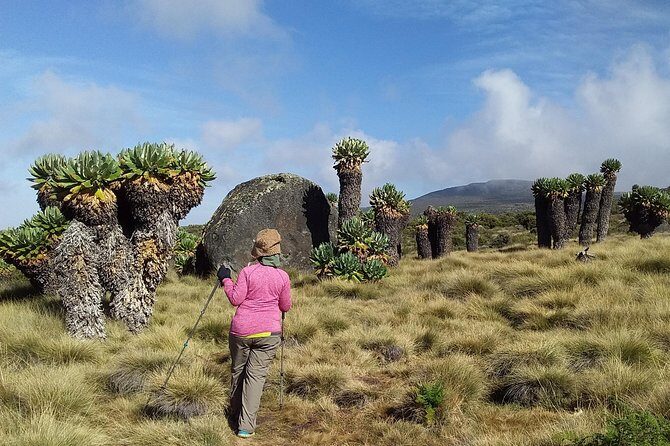
This is where the terrain and the air both change. The plan takes you from the end of rainforest into rolling moorlands, and the views start opening up—especially with Kibo and Mawenzi peaks visible from camp.
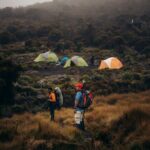
You’ll overnight at Horombo Huts, where the big draw is the perspective. From camp, you get that sense of the mountain “opening” in front of you, and that’s useful psychologically on a climb that gets much steeper later.
A drawback of a day like this is simple: it’s a long one. If you tend to overpace early, you’ll pay for it on the next higher day, so slow and steady is your best friend.
Day 3: Alpine desert to Kibo Hut (10 km) where you conserve energy
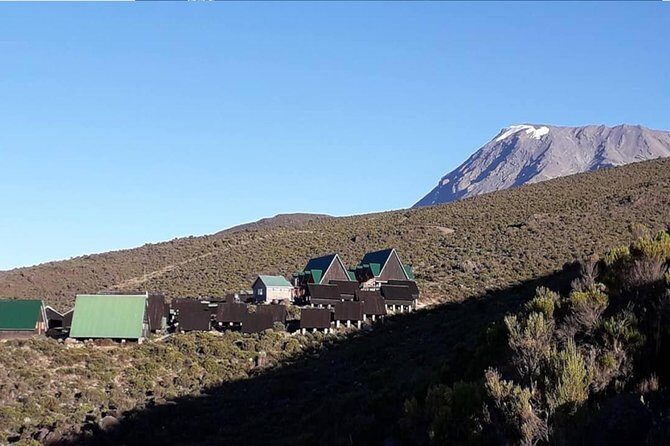
On Day 3, you’ll gain height quickly in a way that feels more exposed than the lower rainforest. The hike covers about 10 km and takes around 5–6 hours, climbing from about 3,720 m up to 4,703 m.
The big shift is the move into alpine desert—the plan calls it more rugged, and that usually means more attention to footing and breath. This is the day that sets up your summit attempt, because you’re heading toward Kibo Hut, your final stop before the ascent.
You’ll want to treat this as an energy-management day. Even if you feel good early, you’re likely to feel it more as you approach higher altitudes and the air gets thinner. Conserve effort, keep your pace boring, and focus on staying calm.
Day 4: Midnight summit push to Gilman’s Point and Uhuru Peak, then back to huts
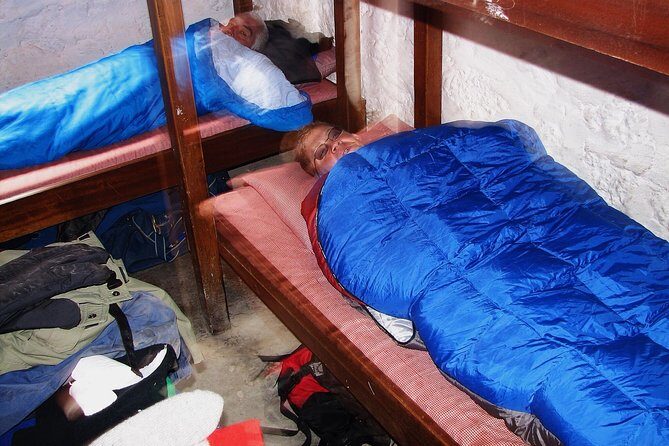
Day 4 is the heart of the whole trip: the summit day. You’ll begin the climb around midnight, ascending steeply over scree and volcanic rock. The plan lists a long 10–14 hours window, and that’s realistic for a summit attempt where the hard part is slow progress.
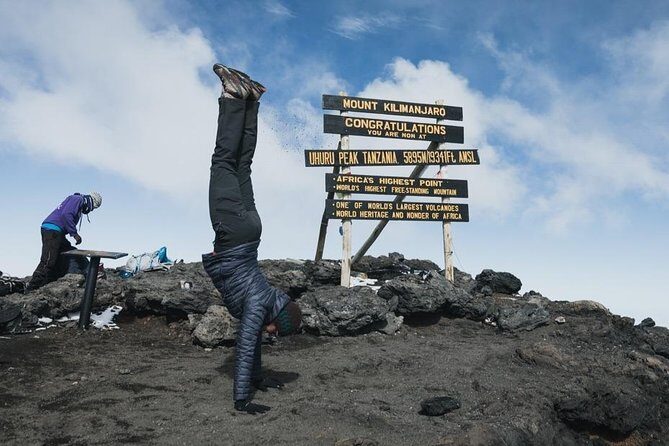
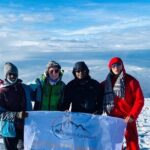
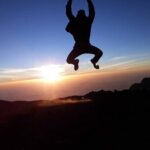
You’ll go up to Gilman’s Point (5,685 m) first, then continue to Uhuru Peak, the highest point on Kilimanjaro at about 5,895 m. The best reward is also scheduled on the itinerary: a sunrise from the Roof of Africa.
After reaching the summit, you descend back to Kibo Hut for a short rest, then continue down to Horombo Hut for the night. This matters because the summit isn’t just about standing at the top—it’s also about getting your body through the descent while it’s tired and cold.
About oxygen: the tour includes emergency oxygen for use in emergencies only, and it’s explicitly not meant as summit aid. That’s worth noting because it frames expectations: your summit push still depends on pacing, hydration, and acclimatization you’ve built over the previous days.
Day 5: Descend through moorlands and rainforest, pass Mandara, get certificates, return to Moshi
Day 5 is a long downhill day with a mental finish line. The plan calls for roughly 20 km of descent with about 5–7 hours of hiking, dropping from the upper zone down toward Moshi (the itinerary lists going from around 3,720 m down to 1,870 m and then toward 890 m).
You’ll take the easier psychological path: a steady descent through moorlands and rainforest, passing Mandara Hut on the way down. Then you’ll reach Marangu Gate, where you receive your summit certificates.
After that, you’re driven back to Moshi for a celebratory evening. This last day can be tiring in a different way than the ascent, because knees and ankles have to work against gravity for hours.
What you’re really paying for: value beyond the headline price
At $1,854 per person, this trek isn’t cheap—but Kilimanjaro is one of those trips where “cheap” often translates into shortcuts somewhere. What I like about this price structure is that it includes a large chunk of what usually causes budget surprises.
Included items cover all fees and taxes, transfers to and from Kilimanjaro International Airport, plus the mountain support crew’s wages: qualified mountain guide, assistant guides, porters, and cook. You also get fresh water for drinking and hot water for a wash daily, which is a quality-of-life detail people appreciate more than they think they will.
Meals are included too: the itinerary lists 5 breakfasts, 5 lunches, and 4 dinners. Even if you’re focused on summit success, good mountain food matters because it supports energy and recovery.
Admission ticket coverage is also handled as part of the plan’s schedule. Day 1 and Day 2 list admission tickets included, and later days list ticket situations as free, which means you’re not juggling extra payments during the climb.
Not included items are also clearly spelled out, and that’s part of the value too. A portable toilet is optional but highly recommended, and personal trekking gear is not included (though renting is mentioned as possible in Tanzania). If you know you’ll want these upgrades, budget for them before you arrive.
The guide, porters, and cook: how the team shapes your experience
The difference between a hard trek and a manageable trek is often the team behind it. This tour’s model includes a qualified mountain guide plus assistant guides, supported by porters and a cook, with their wages included.
From past group experiences, certain names keep showing up in a positive way—guides such as Julius, Yassin, and Chris are described as patient and reassuring, and guides like Frazier (with assistant guides JT and Jonas in some groups) have been praised for being accommodating and organized. Those are exactly the traits you want when the weather changes and your body starts negotiating.
The cook and porters get consistent credit too, including praise for delicious mountain meals and efficient porter work. Even when you’re sleeping in huts at altitude, having food that actually feels good—warm, filling, and predictable—helps keep your mood steady.
If you’re the kind of hiker who values calm leadership, I think you’ll feel this team approach in the pacing and in how the camp runs day to day.
How hard is the Marangu 5-day plan, realistically?
The tour is designed for intermediate-plus hikers, and the itinerary gives you clear signals about effort. You’re hiking 8 km on Day 1, 12 km on Day 2, 10 km on Day 3, then facing 16 km on summit day plus the brutal time requirement (10–14 hours). Day 5 drops 20 km back down.
That means your biggest challenge isn’t only distance—it’s time on your feet, altitude, and the midnight start. The higher you go, the more you’ll feel the thinner air, even if your body is in good shape.
The Marangu route’s hut setup can make the trip feel more comfortable than tent-based options, but don’t confuse comfort with easy. The itinerary still includes steep sections (especially Day 4), and you’ll need to conserve energy on Day 3 so you can function on Day 4.
My practical advice: treat the days before the summit as training days for your summit mindset. Slow down when you can, drink consistently, and follow your guide’s pacing. If something feels off, say something early. That’s when a supportive team makes the biggest difference.
Packing you’ll want to handle before you land in Tanzania
The tour lists what you bring and what you don’t. Personal trekking gear is not included, though the option to rent some gear is mentioned in Tanzania. If you’re unsure, rent what you’re comfortable with and buy what you can’t risk failing (the basics that affect your comfort and safety).
A portable toilet is optional but highly recommended, and that’s worth planning for because hut stays and long summit-day water use create real bathroom pressure. Even if it feels awkward to think about, having the right solution helps your night sleep and your nerves.
You’ll also want personal medicine and water purifying tablets, since meals, snacks, and drinks not specified are not included. The itinerary does provide fresh drinking water and hot water for washing daily, but your personal medication and water treatment plan should still be in your control.
Who this trek fits best (and who should reconsider)
This is a good match if you want a time-efficient Kilimanjaro attempt and you’re comfortable with a structured hut-based route. It also suits groups who like a plan with fewer moving parts: transfers from Moshi and the airport, meals, and mountain crew support are handled for you.
Consider thinking twice if:
- You get stressed by very long hiking days, especially the midnight summit push.
- You’re hoping for a gentler pace with more time to acclimatize, because this is only five days total.
- You rely on included gear and don’t want to shop or rent at all, since trekking gear isn’t included.
If you’re an intermediate-plus hiker who can handle long hours and you want a clear, organized climb, this Marangu plan is the kind of trip that can feel rewarding fast.
Should you book Conquer Kilimanjaro on the Marangu Route?
Yes, if you want a tightly managed climb that’s strong on logistics and support. The all-in pricing approach is practical: meals, hut accommodation, transfers, water support, and the crew (guides, porters, and cook) are covered, which keeps your focus where it should be—on moving safely uphill.
Also, the hut-based Marangu route plus intermediate-plus pacing makes sense if you want a summit bid without turning your whole vacation into tent setup and breakdown. The key question is whether you can handle the schedule, especially the 10–14 hour summit day.
If you’d rather build more gradual altitude time, or you’re uncertain about long cold nights and steep, slow climbing, look for options with more days. For the right fitness level and mindset, though, this five-day plan can deliver a serious Kilimanjaro moment with fewer loose ends.
FAQ
Where does this Kilimanjaro trip start and end?
It starts in Moshi Urban, Tanzania, and ends back at the same meeting point.
How long is the trek?
The trek is about 5 days.
What’s included for meals and accommodation?
Accommodation in mountain huts is included, along with meals: 5 breakfasts, 5 lunches, and 4 dinners.
What support does the tour provide on the mountain?
You get a qualified mountain guide, assistant guides, porters, and a cook (including their wages). Emergency oxygen and basic first aid kit are included for emergencies only.
What is not included in the package?
Visas and flight expenses are not included, and health and travel insurance are not included. Personal trekking gear is not included, and a portable toilet is optional but highly recommended. Personal medicine and water purifying tablets and meals/snacks/drinks not specified are also not included.
Can I cancel and get a full refund?
Yes. You can cancel up to 24 hours in advance for a full refund. If you cancel less than 24 hours before the experience starts, the amount paid is not refunded.