REVIEW · ARUSHA
Best Ngorongoro crater Tanzania Safari 1- Day tour Experience
Book on Viator →Operated by Kilinge Adventures · Bookable on Viator
A crater that turns safari into theater. This 1-day Ngorongoro trip from Arusha uses an early start and a solid on-the-road briefing, then drops you into a natural amphitheater where Big Five sightings are possible. I like that the day is built around comfort and momentum, with a 4×4 safari vehicle doing the heavy lifting.
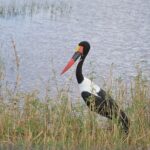
I also love how the crater floor helps wildlife come to you: you’re watching predators and prey in a tight space, not roaming for hours. In the right conditions, you may spot rare birds and even a black rhino; bird spotters often look for species like kori bustard and black kite.
One thing to consider: this is an active day trip. You start at 8:00 am, and the crater viewpoints and uneven ground call for a moderate fitness level, especially if you’re not used to long days on bumpy roads.
In This Review
- Key highlights to know before you go
- Why Ngorongoro’s collapsed caldera makes wildlife easier to spot
- Arusha pickup and the 8:00 am start: how your morning is structured
- Descending to the crater floor: views that feel big even when you stay put
- Big Five odds, plus hyenas, flamingo scenes, and black kite scanning
- Safari cook lunch by a hippo pond: what breaks up the day
- Transportation details that affect comfort: 4×4, pickup, and day-trip pacing
- Price and value: what $300 really includes (and what you’ll still pay)
- Who this Ngorongoro day trip suits best
- Practical tips to make your day go smoothly
- Should you book this 1-day Ngorongoro Crater safari from Arusha?
- FAQ
- What time does the tour start?
- How long is the Ngorongoro crater day trip?
- How much does the safari cost?
- What’s included in the tour price?
- Is pickup available?
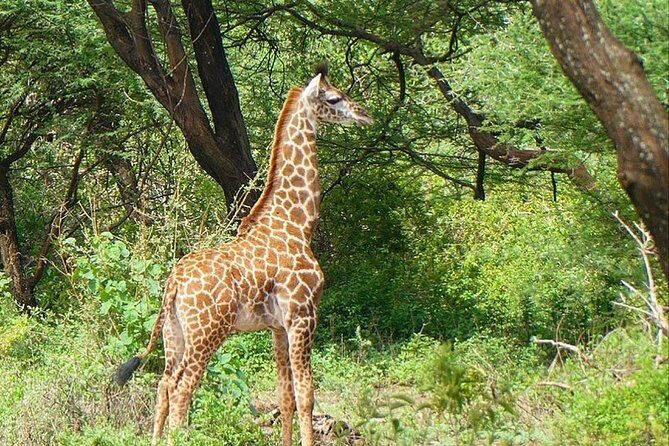
- What animals can I expect to see?
- Are meals and water provided?
- What is not included?
- How many people are on the tour?
- What if the weather is poor or I need to cancel?
Key highlights to know before you go
- A true volcanic caldera, not just a scenic stop: the crater floor is from a collapsed caldera formed about 2–3 million years ago.
- Wildlife concentrates around water and shade: expect hunting drama near the watering hole, plus chance encounters with big mammals.
- Pro guide + safari cook + 4×4 transport: you’re not just dropped off; meals and logistics are handled in the field.
- Bird spotting is part of the plan: kori bustard and black kite are specifically mentioned as targets.
- Time-efficient crater viewing: you’ll have enough time on the crater circuit to feel like you actually saw the place.
Why Ngorongoro’s collapsed caldera makes wildlife easier to spot
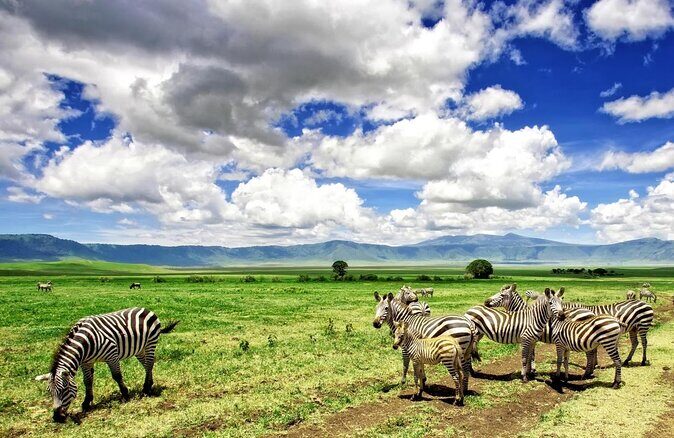
Ngorongoro Crater looks like a natural arena. That’s not just a poetic description—the crater floor is the remains of a collapsed volcanic caldera, formed between 2 and 3 million years ago. The walls around it rise to about 2,000 feet high, acting like a natural boundary that keeps the wildlife within a big but controlled area.
For you, that matters because it changes the vibe of safari. Instead of chasing animals across endless distances, you’re observing them in a kind of “wildlife bowl.” You still need patience, but the geography does some of the work. On a good day, you can watch animals move from open grass to scrub, then funnel toward water and safety.
And it’s not only mammals. The crater is also good for birds. If you like scanning with your eyes first and a pair of binoculars second, you’ll probably enjoy looking for species mentioned for this area—like kori bustard and black kite—while you’re waiting for the next animal sighting.
A few more Arusha tours and experiences worth a look
Arusha pickup and the 8:00 am start: how your morning is structured
This tour runs as a classic day-trip format: start early, get clear instructions, then head out. Your day begins at 8:00 am, after breakfast. You’ll meet your professional guide/driver, get a short safari info briefing, and then travel east to the crater.
That briefing is more than small talk. It helps you understand what to watch for, how to read animal behavior, and why certain areas might be more productive at different times of day. It also sets expectations for the day: you’re going for wildlife viewing plus crater scenery, not for long hikes.
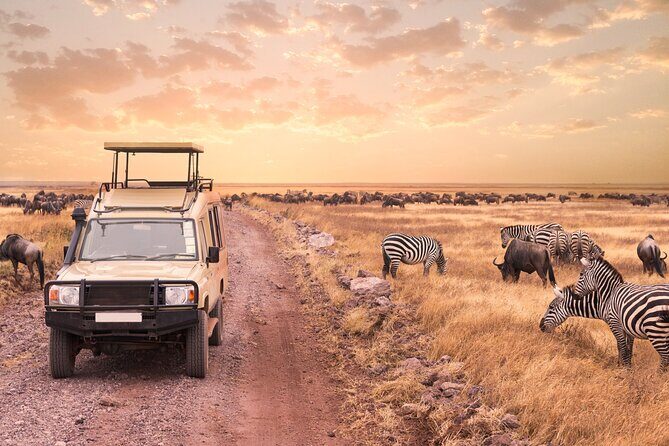
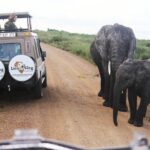
The transport is in a 4×4 safari vehicle, which is the right call here. Roads around safari areas can be rough, and a 4×4 keeps the day running smoother. If you’re sensitive to road fatigue, the vehicle choice matters more than you might think—because you’ll feel it later when you’re scanning for animals from a stable position.
Descending to the crater floor: views that feel big even when you stay put
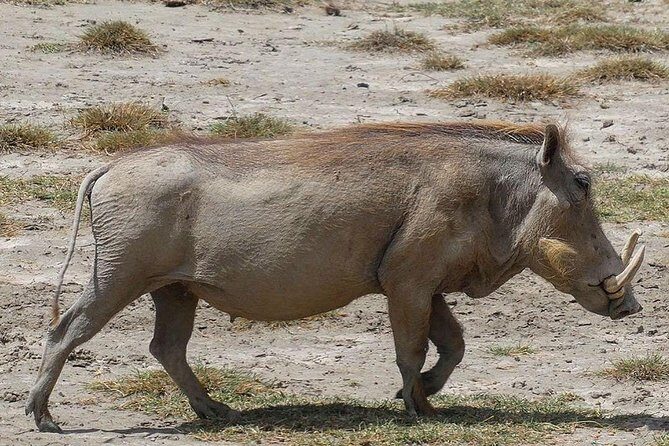
Once you’re at Ngorongoro, the main show is the scale. The crater rim gives you sweeping perspectives that are hard to put into words. The walls spread away on both sides, and the crater floor looks like a map you’re about to step onto.
When you go down into the crater area, you’ll typically spend your time on the circuit—stopping where visibility is best and wildlife is most likely to show itself. One practical takeaway: the crater doesn’t give animals a lot of hiding space compared to forests or dense brush. So even if your day doesn’t center on sunrise, you can still have strong viewing.
Also, don’t underestimate how quickly you’ll want to look around. The terrain and light can shift, and animals may appear where you didn’t expect—so you’ll benefit from a relaxed alertness. Bring a good camera strap setup and keep your hands free when you’re scanning; you’ll thank yourself when the moment happens fast.
Fitness-wise, plan for uneven ground and lots of standing at viewpoint stops. The tour calls for moderate physical fitness, which usually means: you don’t need to be a marathon runner, but you should be comfortable with long hours, stepping up/down from vehicles, and walking on dirt and rock.
Big Five odds, plus hyenas, flamingo scenes, and black kite scanning
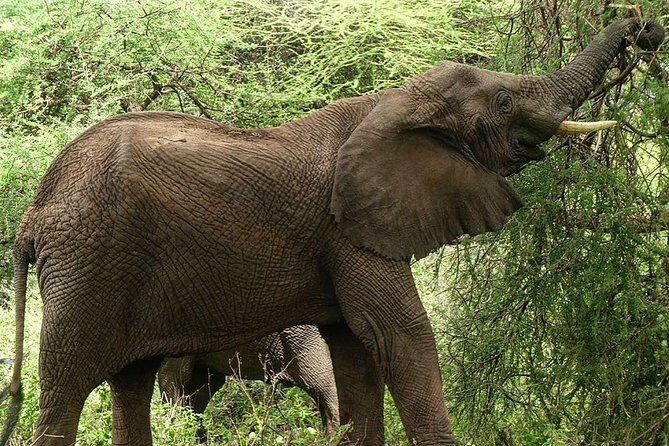
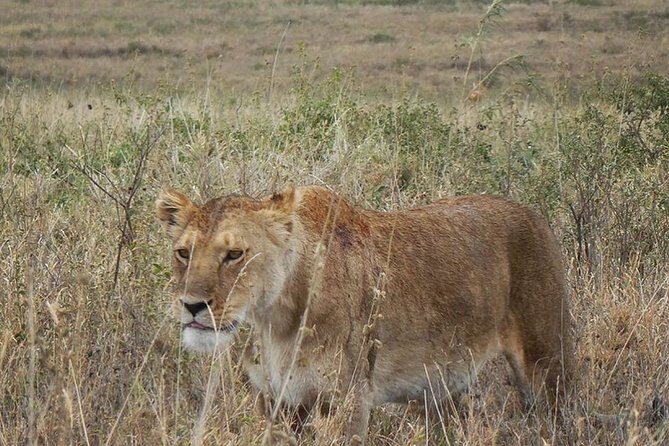
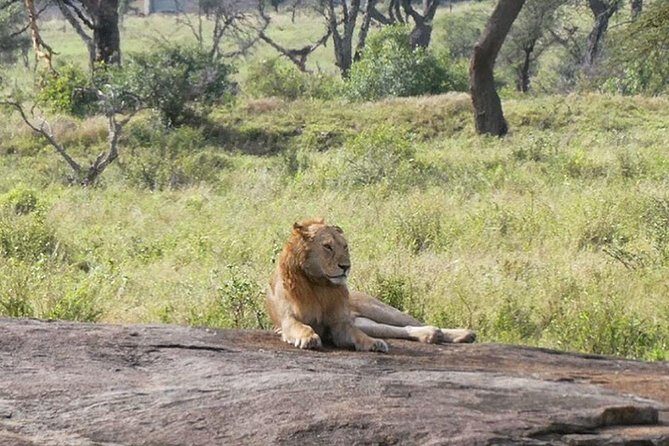
The crater is famous for big mammals, and the tour information specifically flags the Big Five—rhino, elephant, buffalo, lion, and leopard—as possible sightings. No one can guarantee leopard on any safari day, but Ngorongoro’s geography often increases your odds of “seeing something at every stop” even if it’s not the exact animal you hoped for.
Hyenas are another standout category. The crater watering-hole area can set up dramatic moments: hyenas hang around water sources, timing their movements with other animals. The description even calls out the idea of an opportunistic attack near the water—so if you see more action clustered around the watering hole, it’s not random.
Birdlife is also part of the day’s rhythm. Bird spotters often focus on species like kori bustard and the black kite mentioned for this park. Even if you’re not a full-time birder, watching birds pop up at water edges and on open ground can keep the pace lively between larger animal sightings.
A bonus tip: when you’re scanning, watch the behavior of smaller animals and birds. If birds suddenly rise or shift position, it can signal an approach—sometimes from predators, sometimes from animals moving into position to drink.
Safari cook lunch by a hippo pond: what breaks up the day
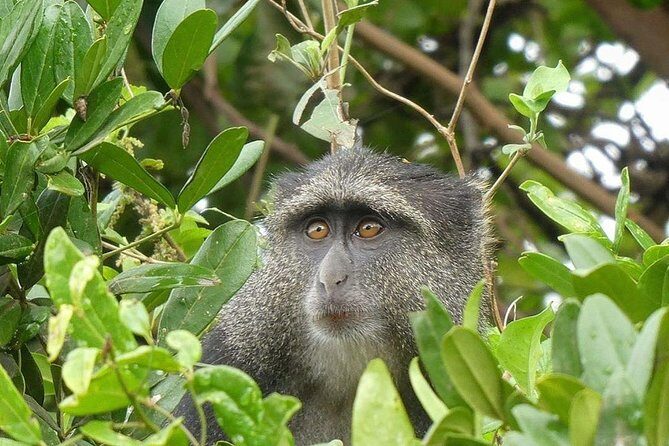
A long safari day can blur together. This one has a clear break: meals are handled as part of the travel plan, and you travel with a professional guide and safari cook. That matters because food logistics are a common pain point on budget tours; here, the setup is more practical and field-friendly.
Lunch is described as being in nature by a pond full of hippos. That’s exactly the sort of detail that makes a day trip feel complete rather than like a rushed drive with a few stops. You get a chance to slow down, refuel, and still stay in wildlife territory—so even during the meal, you might see animals nearby.
You also get water included: mineral water is listed as 3 liters per day per person. That’s a meaningful inclusion in Tanzania sun and dry conditions. Hydration keeps you sharp for scanning and reduces the “foggy fatigue” that can hit late in the afternoon.
What to expect from meals: they’re included according to the travel plan. The exact style isn’t listed, so keep it flexible—but you can feel confident you won’t be scrambling for lunch or paying extra for basic drinks.
Transportation details that affect comfort: 4×4, pickup, and day-trip pacing
On paper, the tour is “one day,” but what you really feel is pacing. The route starts in Arusha, then drives to Ngorongoro. That long stretch is why the tour uses a 4×4 safari vehicle and includes a professional guide/driver rather than treating this like a quick bus stop.
Pickup is offered. The tour description also highlights a friendly, attention-to-detail approach, and one of the things that tends to make day trips work is smooth handoffs—where you’re not left guessing where to be or who to find. You’ll have a mobile ticket, which is convenient if you’re juggling travel days and documents.
Group size is capped at 100 travelers. That sounds large, but in a day-trip context it often means multiple vehicles or a big umbrella operation rather than a chaotic crowd everywhere. Still, it’s worth noting because more people can mean more traffic at viewpoints. If you strongly prefer quiet, smaller groups, you might want to ask whether vehicles split out once you reach the crater area.
Finally, the tour is listed as near public transportation. That doesn’t mean you must use it, but it can help if you’re building extra days in Arusha and want easier movement around town before pickup.
Price and value: what $300 really includes (and what you’ll still pay)
The price is $300.00 per person, and it’s booked on average about 24 days in advance. That booking window matters because Ngorongoro day trips can fill up, especially during busier seasons, so earlier planning often gives you more choice.
What you get for your money is fairly clear:
- Transportation in a 4×4 safari vehicle
- Professional guide and safari cook
- Meals according to the travel plan
- Mineral water (listed as 3 liters per day per person)
That’s the core value: you’re paying for transport, guiding, and field operations. On safari, those pieces are where costs normally stack up fast.
What’s not included:
- alcoholic and soft drinks
- visa fees
- tips
- personal spending for souvenirs
- travel insurance
- all fees and taxes
So, for a realistic budget, plan on covering drinks if you want them, plus tips at your discretion. And bring travel insurance if you don’t already have it—especially for a day trip that involves long drives and full-day outdoor activity.
If you’re comparing to cheaper options, check what’s actually included. “Cheaper” often means less comfort, less structured meals, or unclear guiding. Here, the combination of guide + cook + water + 4×4 transport makes the $300 price feel more like a complete safari day rather than a barebones ticket.
Who this Ngorongoro day trip suits best
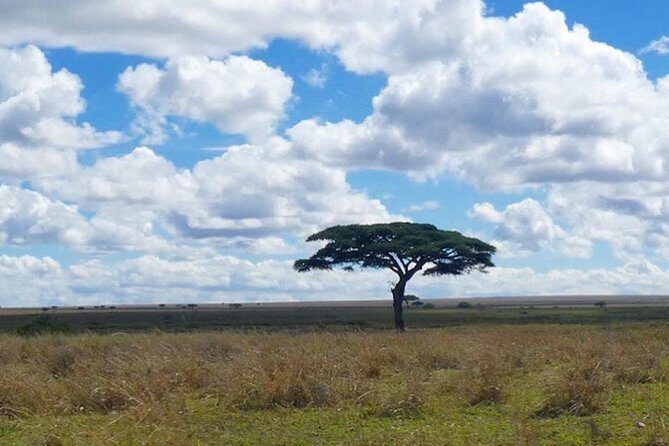
This is a great fit if you want one strong safari day without committing to a multi-day itinerary. You’ll see a lot in a single day: crater scenery, wildlife viewing, and a meal in the middle of nature.
You’ll likely enjoy it if:
- you’re based in Arusha and want a full-day wildlife highlight
- you prefer scenery + animal spotting over long hikes
- you like having food and water handled, not improvised
- you’re okay with an early start and a moderate activity level
You might want a different plan if:
- you hate early mornings
- you’re dealing with mobility limits on uneven ground
- you want a quieter, smaller-group experience throughout every stop
Practical tips to make your day go smoothly
A few small preparations can make a big difference on Ngorongoro day trips.
- Wear layers. It can change through the day, and time on the crater rim can feel cool then warm quickly.
- Bring a hat and sunscreen. You’re in open areas where the sun can be relentless.
- Pack binoculars if you have them. The crater layout encourages long scanning sessions.
- Keep your phone power managed. Wildlife moments can happen when you least expect it.
- Ask your guide early what they want you to watch for. A short briefing sets the tone, and you’ll get better at spotting the cues as the day continues.
Also, keep your expectations flexible. Ngorongoro can be amazing for mammals and birds, but the crater isn’t a theme park with exact showtimes. The best mindset is calm attention and quick decisions when your guide points out activity.
Should you book this 1-day Ngorongoro Crater safari from Arusha?
If you want one efficient safari day that mixes real crater scale with wildlife viewing, this is a solid choice. The strongest reasons to book are the included 4×4 transport, the professional guide and safari cook, and the comfort extras like meals and mineral water. Add the chance for big mammals and the specific bird-spotting targets, and you get a day trip with enough structure to feel satisfying, not scattered.
I’d book it if:
- your schedule can handle an 8:00 am start
- you’re comfortable with moderate physical activity
- you want a guided day trip that handles the field logistics cleanly
I’d hesitate if:
- you can’t manage uneven ground and long standing time
- you strongly prefer small-group quiet the whole day
- you’re hoping for guaranteed leopard or black rhino sightings (nature doesn’t do guarantees)
FAQ
What time does the tour start?
The start time is 8:00 am.
How long is the Ngorongoro crater day trip?
It’s listed as 1 day (approx.). Once you’re in the crater area, plan for a few hours of concentrated viewing.
How much does the safari cost?
The price is $300.00 per person.
What’s included in the tour price?
Transportation in a 4×4 safari vehicle, a professional guide and safari cook, meals according to the travel plan, and mineral water (listed as 3 liters per day per person) are included.
Is pickup available?
Yes. Pickup is offered.
What animals can I expect to see?
The tour highlights the possible Big Five (rhino, elephant, buffalo, lion, leopard). It also mentions bird spotting and action around the watering hole, including hyenas and flamingo-related viewing.
Are meals and water provided?
Yes. Meals are included according to the travel plan, and mineral water is provided (3 liters per day per person).
What is not included?
Not included are alcoholic and soft drinks, visa fees, tips, personal spending for souvenirs, travel insurance, and all fees and taxes.
How many people are on the tour?
The tour lists a maximum of 100 travelers.
What if the weather is poor or I need to cancel?
The experience requires good weather. If it’s canceled due to poor weather, you’ll be offered another date or a full refund. You can also cancel for a full refund up to 24 hours before the experience’s start time.