REVIEW · ARUSHA
5 days safari, hiking & culture (Serengeti & kilimanjaro)
Book on Viator →Operated by safari soles tours · Bookable on Viator
Big cats and hot springs in five days. This 5-day loop mixes classic safari time with crater views, plus a day of walking to the Materuni waterfalls and cooling off at Kikuletwa hot springs. You’ll get multiple chances for Big Five sightings, starting in Tarangire and moving through Serengeti and Ngorongoro.
I really like that meals are handled throughout the safari, and they’ll cater to your dietary needs if you tell them in advance. I also like the practical side: binoculars and camping equipment are included, so you can travel lighter and focus on being outside. One thing to consider is the effort and time in the schedule, with early starts around 7:30am and long drive days, plus a hike (Materuni waterfalls) that’s about 2 hours 40 minutes.
In This Review
- Key highlights worth your attention
- Tarangire to Serengeti: why this route works
- Day 1 in Tarangire: lions and cheetahs before the big days
- Ngorongoro crater viewpoints and the Maasai village choice
- Serengeti at Seronera: sunset wildlife and an early-morning plan
- Day 3 into day 4: crater descent and the black rhino challenge
- Kilimanjaro National Park day: Materuni waterfall hike and real coffee time
- What $1,950 buys you: value beyond the parks
- Logistics that matter: starts, drives, and the no-restroom detail
- Guides and group energy: what names tell you
- Who should book this 5-day safari + hiking + culture tour
- Should you book Safari Soles for this Serengeti and Kilimanjaro combo?
- FAQ
- What time does the tour start?
- Where does the tour begin?
- Which parks and areas are included?
- Are meals included?
- Is the Maasai village visit included?
- What safari gear and extras are provided?
- What is not included?
- Is there free cancellation?
Key highlights worth your attention
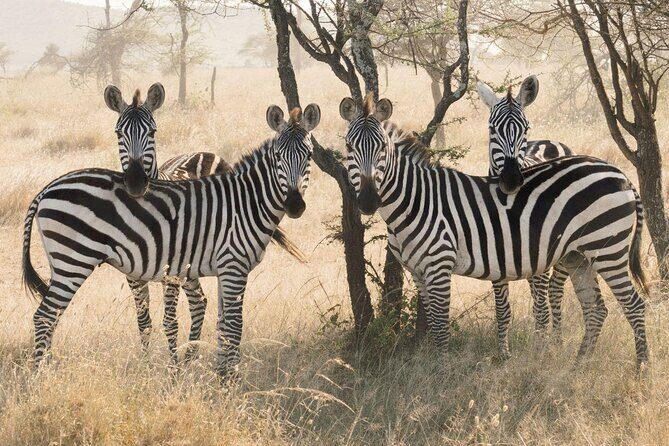
- Tarangire National Park game drives focused on cats and big herbivores with a long-enough day to actually find action
- Ngorongoro Crater viewpoints paired with an optional Maasai village stop for culture choice
- Seronera timing in Serengeti that gives you sunset wildlife and earlier driving for better odds
- Overnight camping on safari routes with camping equipment included and animals close enough to spot from camp
- Black rhino focus on the crater floor (hard to spot, but the plan is built around improving your chances)
- Materuni waterfalls + coffee farms + Kikuletwa hot springs so your last day isn’t just more driving
Tarangire to Serengeti: why this route works

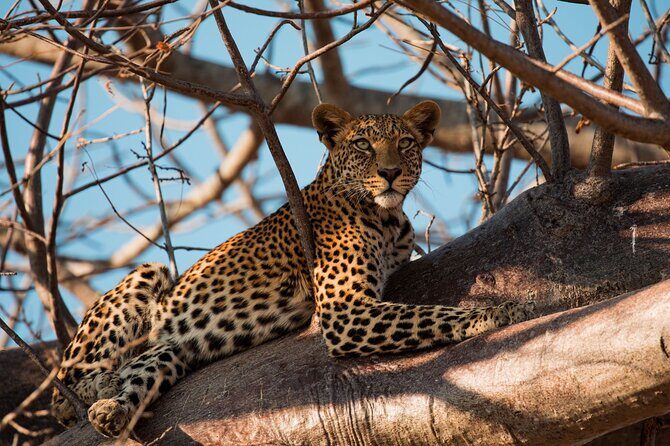
This trip is built around three of Tanzania’s big-name wildlife zones, but it’s the order that matters. You start in Tarangire, which is known for strong concentrations of animals and good chances to see lions, cheetahs, and leopards. Then you move into the Serengeti ecosystem, where the scenery is wild in a way that never feels staged. Finally, you spend time in the Ngorongoro area, including viewpoints and crater-floor drives.
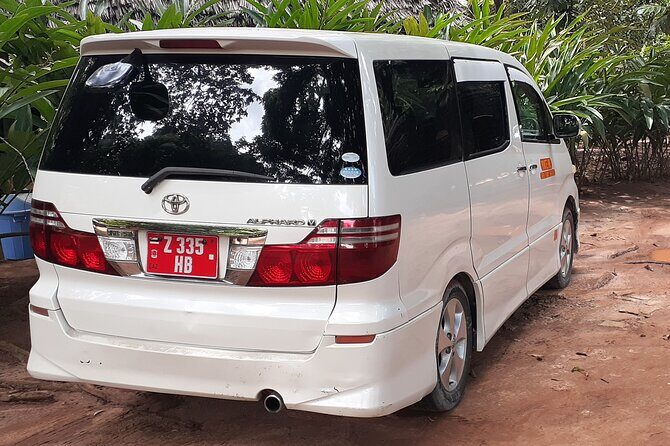
You’ll begin with hotel pickup in the Arusha/Moshi area and set off early enough to make the day count. On day 1, the drive to Tarangire is about 2 hours, and then you’re on a game drive for long enough that you can settle in, learn the rhythm of wildlife spotting, and not feel like you’re rushing.
I also like that you’re not doing just one short drive and calling it a day. The tour keeps feeding you animal time: evening game drives in Serengeti, early drives the next morning, crater descents and ascents on different days, and then a nature-and-culture final day.
You can also read our reviews of more hiking tours in Arusha
Day 1 in Tarangire: lions and cheetahs before the big days
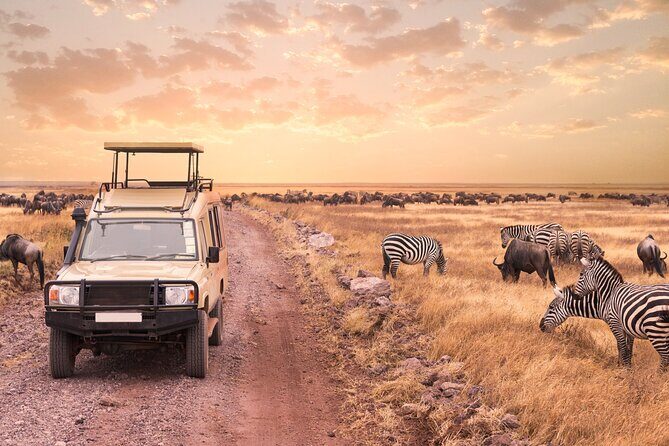
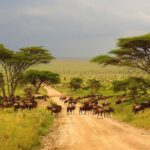
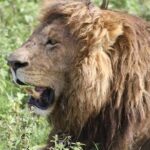
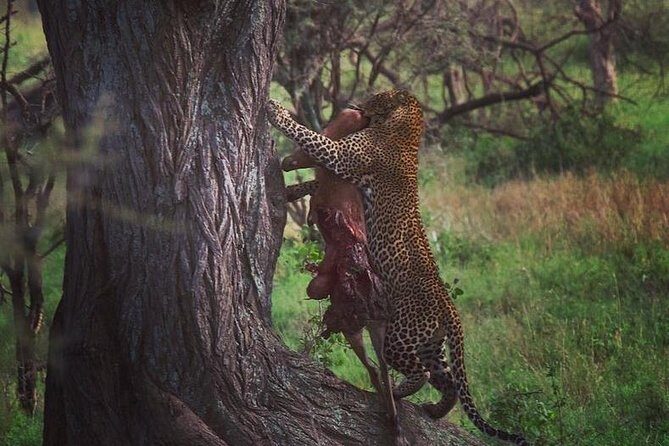
Tarangire is the warm-up—and it’s a good one. After pickup in Arusha or Moshi, you drive toward the park (about 2 hours) and then head out on a game drive designed to target the big cats. The expectation here is that you’ll see lions, cheetahs, and leopards, with plenty of herbivores too: elephants, wildebeest, buffalo, zebras, and gazelles.
This day is important because it teaches you how your guide will work. Many successful safaris are about reading the ground and knowing where animals tend to show up as the sun shifts. Tarangire gives you that practice run, and it also helps you adjust quickly to safari logistics: long viewing stretches, spotting through binoculars, and sitting still when the animals are close.
You’ll head to accommodation by early evening after a day that runs about 9 hours. If you’re the type who gets restless on long drives, this is one of the days where you’ll feel like the schedule makes sense because the game drive is a solid chunk of time.
Ngorongoro crater viewpoints and the Maasai village choice
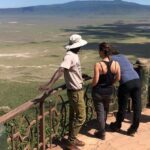
Ngorongoro is where the trip starts feeling myth-level. On day 2, you’ll first view the crater from the Ngorongoro viewpoint. The view is described as surreal, and that checks out for anyone who’s seen crater edges in real life: it feels like a giant, curved bowl dropped into the earth.
After that viewpoint stop, you have an optional Maasai village visit. This is the kind of culture stop you should treat like a choice, not a requirement. The village visit is noted as having an entrance fee of $20 USD. The information you’ll learn includes traditions of the Maasai and how they relate to being warriors, including references to hunting and lion-chasing customs. You’re also told that some practices are in the past, with the blood-drinking tradition noted as an exception that still exists in some form.
I appreciate that this isn’t framed as a museum show. It’s more like a chance to learn how a community explains itself—while keeping your expectations realistic. If you’re sensitive to ethical questions around animal-related traditions, decide carefully before paying in.
Then you move into Serengeti in the afternoon.
Serengeti at Seronera: sunset wildlife and an early-morning plan
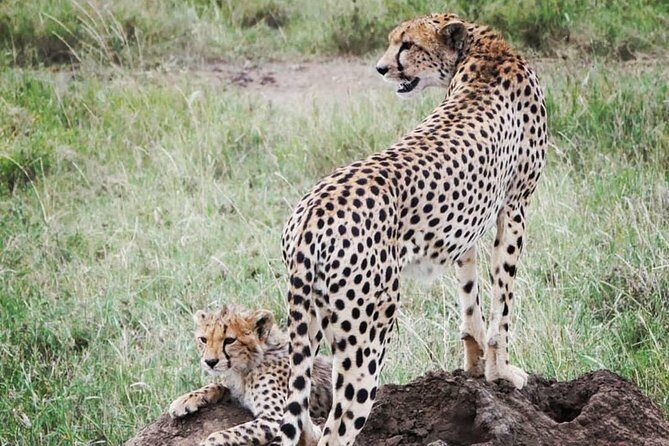
Serengeti is where your spotting focus shifts from single-country park vibes to a bigger, more dramatic ecosystem feeling. You arrive in the afternoon and drive in the Seronera area, with time stretching toward late evening. This is when the day can deliver that classic safari payoff: animals closer to the track, predators hunting, or at least predator activity that suggests something might happen next.
The tour gives you an evening sunset experience in Serengeti. That matters because wildlife behavior changes as light drops. Movement often increases, and it becomes easier to spot animals that stay mostly hidden in midday heat. After the evening drive, you head to the Seronera camp site.
On day 3, you get an early breakfast and then go on another game drive before the day’s main travel. After that, you do more driving around camp areas and then exit the Serengeti toward the Simba campsite. One detail worth knowing: animals can be spotted from the campsites, and the camps have protection from active rangers. That means wildlife may be part of camp life, not something you only see during driving.
If you want wildlife time that feels continuous, Serengeti in this format delivers because you’re not stuck with just one long drive. You get early access and late light, the two best times for seeing behavior rather than just hoping.
Day 3 into day 4: crater descent and the black rhino challenge
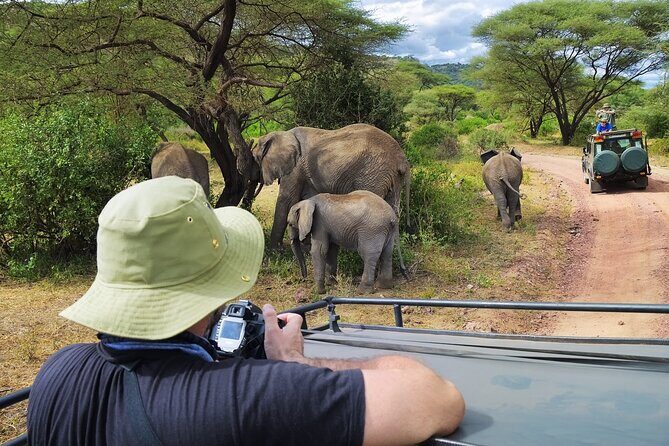
Day 4 brings you back to the Ngorongoro crater area, but with a different mission. After an early breakfast, you descend into the crater for a journey aimed at finding black rhinos. Black rhinos are described as the hardest to spot in the crater, while many other animals are easier from the floor of the caldera.
That’s the practical value of this tour design: it doesn’t treat every stop like a lottery. It acknowledges the difficulty of black rhinos and schedules crater time with that in mind. When you’re on the crater floor, you’re essentially playing with visibility and vegetation density. The point is to give you enough time in the right zone for chances to line up.
After lunch, you do another game drive and then ascend to camp. Then you pack for the return trip back to Arusha town.
If your priority is seeing as much as possible, the double crater approach across days (viewpoint then crater time, and then another crater day focused on rhinos) is where this safari stands out. You’re not just passing through.
A few more Arusha tours and experiences worth a look
Kilimanjaro National Park day: Materuni waterfall hike and real coffee time
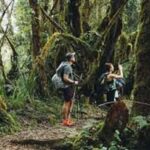
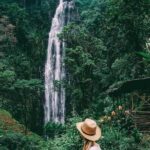
Day 5 is a switch-up, and it’s a smart one. You travel to the Kilimanjaro National Park area and start with a hike to the Materuni waterfalls. The hike time given is about 2 hours 40 minutes, and you’re also joining locals in Materuni village.
This part is slower and more human. It’s not a safari vehicle day; it’s walking day with landscapes and scenery changing underfoot, plus the chance to see daily life in a village setting. If you want a break from constant scanning for animals, this is it.
After the hike, you head to local coffee farms. Here, you’ll learn how coffee is planted and processed, and you can make your own cup of coffee. That’s a nice cultural beat before you end the day.
Then you drive to the Kikuletwa hot springs, where you swim and relax before returning to your hotel in the evening. For a trip that spends so much energy watching and waiting, hot springs are the perfect landing pad. You get movement on the hike, then actual recovery.
What $1,950 buys you: value beyond the parks
At $1,950 per person for about 5 days, this isn’t a cheap getaway—but it does include the stuff that quietly eats budgets on safari trips.
Here’s what’s included:
- All meals throughout the safari (5 lunches, 4 dinners, 4 breakfasts)
- Dietary requirements catered to if you communicate them in advance
- Binoculars included
- Camping equipment included
- All fees and taxes (and the park tickets are listed as free/included at multiple stops)
You also get pickup from your hotel area in Arusha/Moshi and the tour is arranged as a group experience (private to your group, but still part of a scheduled operation). You’ll have a mobile ticket, and group discounts are mentioned as a feature.
On value alone, the best part is that meals and key equipment are handled. Safari costs can balloon when you’re forced to pay for guides, park fees, food, and rentals separately. This package approach keeps you from having to guess what’s covered.
One extra cost to keep in mind: the Maasai village entrance is listed as $20 USD if you choose it.
Logistics that matter: starts, drives, and the no-restroom detail
This trip starts at 7:30am. That early start is normal for safari success, but it does change how you feel by day 3 or 4. You’ll want to plan for tired legs at times and accept that driving days are long.
You should also know that there’s no restroom on board. That doesn’t mean you’re stranded without options, but it does mean you’ll rely on breaks and timing from the driver and guide. If you’re the type who hates thinking about bathroom timing, bring that up before you go and manage your fluids smartly.
Finally, weather matters. The experience is described as requiring good weather, and the tour can be canceled due to poor conditions with an option for a different date or a full refund. That doesn’t happen often, but it’s good to remember when you plan flights.
Guides and group energy: what names tell you
A standout theme in the tour feedback is that guides make a real difference. I’ve seen names linked to strong safari performance and friendly, practical teaching: Innocent, Cheddy, Chadi, Omar, Lucas, and Lewis show up as credited guides in the experience stories. You might also see references to key staff handling the big pieces of organization, including Bryson and Andrew.
The common thread is simple: you’re not just getting a driver moving from point A to point B. You’re getting someone who tries to place you near wildlife spots ahead of crowds and explains what you’re seeing. On a 5-day trip, that coaching matters because you don’t have weeks to learn safari behavior by trial and error.
Who should book this 5-day safari + hiking + culture tour
This fits best if you want:
- A focused, 5-day hit of Tarangire + Serengeti + Ngorongoro
- A realistic shot at Big Five sightings and also targeted time for black rhinos
- A mix of safari days and a non-safari finale with the Materuni waterfalls hike, coffee farms, and hot springs
- A group-style tour that’s private to your group, with camping equipment and binoculars included
It may not be ideal if you want a fully luxury pace or if early starts and long drives feel like a dealbreaker. This is a get-out-there trip. You’ll feel like part of the day, not just a passenger watching a screen.
Should you book Safari Soles for this Serengeti and Kilimanjaro combo?
Yes, if you want a well-packed week that gives you wildlife time in multiple zones and ends with a true reset day. The value comes from what’s included—meals, binoculars, camping equipment, and park access at key points—so you can spend your mental energy on spotting.
I’d say book it if you’re excited by crater views, can handle early starts, and you’re willing to do the Materuni waterfalls hike. If you prefer a slower, lighter schedule or you’re very sensitive to the no-restroom-on-board detail and long drive days, you might want to compare to a different safari style.
FAQ
What time does the tour start?
The start time is 7:30am.
Where does the tour begin?
You’ll be picked up from your hotel in the Arusha or Moshi area.
Which parks and areas are included?
You’ll visit Tarangire National Park, Ngorongoro Crater (viewpoint and crater time), Serengeti National Park (Seronera area and camp-based game drives), and Kilimanjaro National Park, including Materuni village for the hike.
Are meals included?
Yes. All meals are included throughout the safari: 5 lunches, 4 dinners, and 4 breakfasts. Dietary requirements are catered to if you communicate them in advance.
Is the Maasai village visit included?
It’s optional. The entrance fee is listed as $20 USD and is not included in the base tour pricing.
What safari gear and extras are provided?
Binoculars are provided, and camping equipment is included.
What is not included?
The only item specifically listed as not included is a restroom on board.
Is there free cancellation?
Yes. You can cancel for a full refund up to 24 hours before the experience’s start time. The tour also notes good weather is required, and if it’s canceled due to poor weather, you’ll be offered a different date or a full refund.