REVIEW · ZANZIBAR
Zanzibar Tumbatu Island Cultural Experience
Book on Viator →Operated by HALISI AFRICA TOURS · Bookable on Viator
Tides, moon, and island work—up close. This Zanzibar Tumbatu Island Cultural Experience is built around everyday life on the water: a local fish and furniture market, dhow boat crafters, lagoon fishing methods, and a visit with a spiritual healer. What I like most is the private guide who can explain how people read the sea (including the tides and the moon), and the hot lunch of rice, curry, seafood, and fruit that makes the whole day feel complete. The main thing to consider is that the outing depends on good weather, since you’re traveling by small boat.
You start at 9:00 am, with pickup handled, and the day moves from Mkokoni’s local dhow harbor to the island itself on a short boat ride (about 30 minutes). Once you’re on Tumbatu, you’re not just looking at sights—you’re walking through areas where people actually repair nets, work around the harbor, and keep daily routines going. It’s a 6 to 7 hour experience, so you’ll want to think of it as a half-day commitment, not a quick detour.
This tour is best if you like culture that comes with real context, not just photos. The activity asks for moderate physical fitness, mostly for walking around village areas and moving between stops. If you’re hoping for a high-speed, checklist kind of day, this is probably slower and more conversational—and that’s the point.
In This Review
- Key points before you go
- First stop: Mkokoni dhow harbor, fish and furniture market
- The 30-minute boat ride to Tumbatu: short, but you feel it
- Lagoon fishing lessons: learning the sea from the locals
- Dhow crafters and fishermen: where the work actually happens
- Old baobab trees and the former school/classroom
- Meeting a spiritual healer: respect, questions, and boundaries
- Shiraz ruins: a pre-12th-century stop that gives the day depth
- Lunch of rice, curry, seafood, and fruit: why it matters
- Price and logistics: what you’re really paying for at $200
- Who this Zanzibar Tumbatu day suits best
- Should you book this tour or not?
- FAQ
- How long is the Zanzibar Tumbatu Island Cultural Experience?
- What time does the tour start?
- Is hotel pickup included?
- Where does the tour start?
- How long is the boat ride to Tumbatu Island?
- What will I see and do on the island?
- Is lunch included, and what is it?
- What’s included in the price?
- What is not included?
- Is this tour private?
- What if the weather is bad?
Key points before you go
- Private guide, real pacing: You’ll go at your group’s speed, with time to ask questions.
- Fish and furniture market stop: You’ll see local trade before the boat ride to Tumbatu.
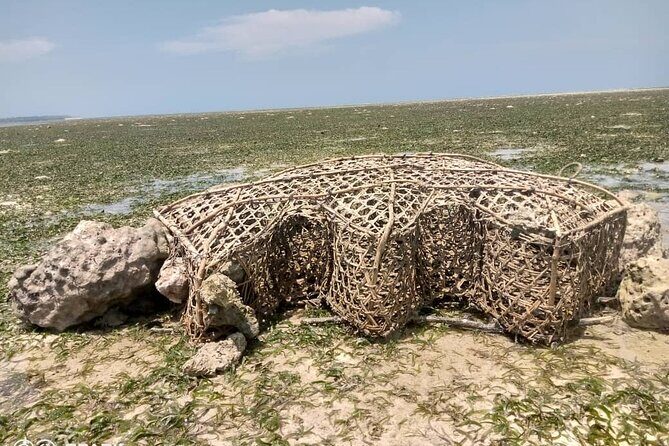
- Lagoon fishing methods and traps: You learn how fishing works on the island, not just that fishing happens.
- Dhow crafters and net repairs: You’ll get close to the tools and hands that keep the sea life running.
- Baobab trees tied to the old classroom: Expect a powerful visual reminder of past community life.
- Hot lunch included: Rice, curry, seafood, and fruit keep your energy up for the afternoon ruins visit.
First stop: Mkokoni dhow harbor, fish and furniture market
Most Zanzibar day tours start with a bus ride and a big headline attraction. This one starts with something more practical: a local dhow harbor and the surrounding market area around Mkokoni. That early timing matters. You arrive while people are still setting up, trading, and moving gear, which makes the visit feel less staged and more like you’re walking into someone’s normal morning.
Before heading out, you’ll spend time at the local fish and furniture market and you’ll also see cargo dhows and fishing boats nearby. I like this because it gives you a starting point. If you don’t already know how the island’s economy runs, market time helps you understand the “why” behind the fishing lessons later.
One small consideration: a market visit can be lively and close-quarters. If you’re sensitive to crowds or want lots of personal space for photos, plan to take your time and step aside when you need a breather. The upside is that it’s exactly the kind of scene that makes Tumbatu feel real, not like a museum.
You can also read our reviews of more tours and experiences in Zanzibar.



The 30-minute boat ride to Tumbatu: short, but you feel it

The boat crossing is about 30 minutes to Tumbatu. That’s long enough to settle in and take in the water, but short enough that you’re not exhausted before you even start touring. You’ll also be reminded quickly that Zanzibar tourism lives and dies by conditions—this experience requires good weather.
If you get seasick easily, keep it in mind. The good news is you’re not looking at a marathon transfer. The better news is that your guide sets the tone for the day once you arrive, shifting from travel mode into learning mode.
When I think about value, the boat ride is part of the bargain. It’s the connector between Zanzibar mainland life and the island routines you’ll learn about. You’re paying for transportation that’s already handled (including hotel pickup), so you’re not juggling schedules or trying to find a boat yourself.
Lagoon fishing lessons: learning the sea from the locals
Once you reach Tumbatu, you stop at the lagoon to learn local fishing methods and see the fishing traps used by island fishers. This is where the tour becomes more than sightseeing. Instead of watching from shore, you get a guided explanation of techniques and systems that depend on daily knowledge—how tides change conditions, how water affects where fish go, and how traps fit into that rhythm.
One of the standout details from guides’ explanations (and something the tour is praised for) is how they connect fishing to natural timing. In plain terms: your guide talks about how people read the sea, including the tides and the moon. Even if you don’t pretend to become a fisher by the end of the day, you’ll walk away with a sharper understanding of why these communities work the way they do.
Practical tip for your comfort: bring a mindset of curiosity rather than performance. Ask what you see. If your guide points to a trap or shows you how something works, resist the urge to rush to the next stop. This section is one of the best reasons to book a guided day, because you’ll know what you’re looking at.
Dhow crafters and fishermen: where the work actually happens
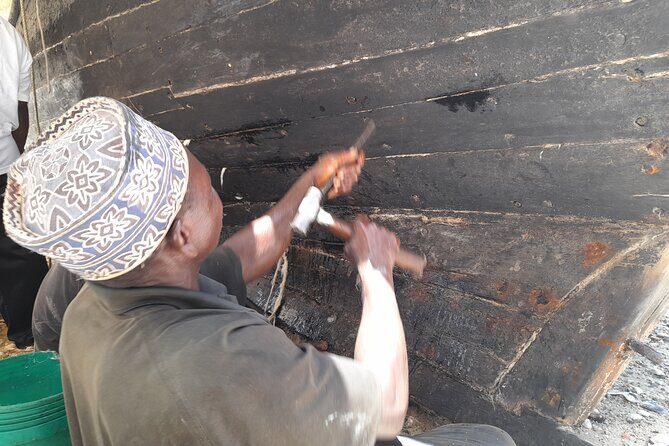
After lagoon time, the tour moves through different areas to experience daily life—starting from the harbor and then shifting toward the dhow and fishing side of island work. You’ll meet dhow boat crafters and you’ll spend time around fishermen repairing nets.
This section is a big deal for anyone who wants authenticity over spectacle. Net repair isn’t glamorous, but it’s essential. Seeing people fix and maintain equipment gives you a fuller picture of island life, and it also explains how fishing stays possible day after day.
If you’re hoping for cultural connection, this is the right moment. Conversations here tend to be more natural because you can point to what’s in front of you. It’s also an easier way to ask questions than trying to decode a ruin or read signage that isn’t meant for tourists.
The one drawback I’d flag is that this is a working environment. You’ll likely be close to gear and active tasks, so wear comfortable shoes and be ready to keep moving. If you want a very quiet, slow pace, tell your guide early and you can adjust your timing within the private format.
Old baobab trees and the former school/classroom
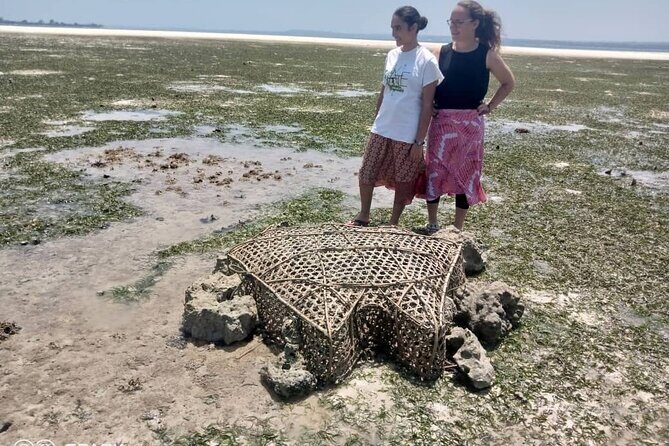
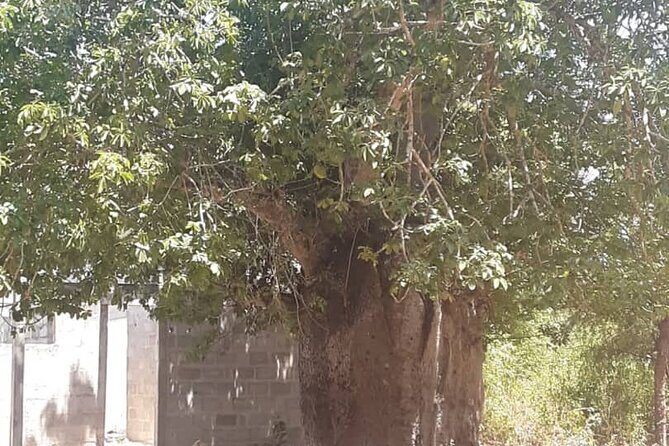
One of the most meaningful stops comes from the old baobab trees, described as having been used as a school or classroom in the past. It’s a simple detail, but it hits. Baobabs are famous across East Africa for their size and age, and here they become more than a photo moment. The idea that children studied in that space makes the island’s story feel personal.
What I like about including this kind of stop is balance. You get practical marine life, then you get community memory. It’s the difference between learning how people survive and understanding how people lived—family life, education, and shared spaces.
Expect a calmer moment after the energy of market and harbor areas. If you’re traveling with kids, this is also the kind of stop that makes history feel tangible without needing a lecture.




Meeting a spiritual healer: respect, questions, and boundaries
A major part of the tour is a visit with a spiritual healer (listed as a witch doctor in the itinerary summary, but presented as a healer/spiritual practitioner within the tour description). This is the most sensitive stop of the day, and it’s also one of the reasons the experience stands out.
Here’s how to make this section go well. Keep your tone respectful, ask questions if invited, and don’t treat it like entertainment. You’re visiting a belief system and a practice that matters to the community. If you’re uncomfortable with that, it’s better to sit back and watch than to push for participation.
From what’s been shared, the healer visit can include explanation about how they work and what they understand. That doesn’t mean you’ll leave with a new religion. It means you’ll leave with more context for how people interpret health, spirituality, and the natural world on the island.
If you’re worried about comfort, remember this is a private tour, so you can decide how involved you want to be. You control your own boundaries.
Shiraz ruins: a pre-12th-century stop that gives the day depth
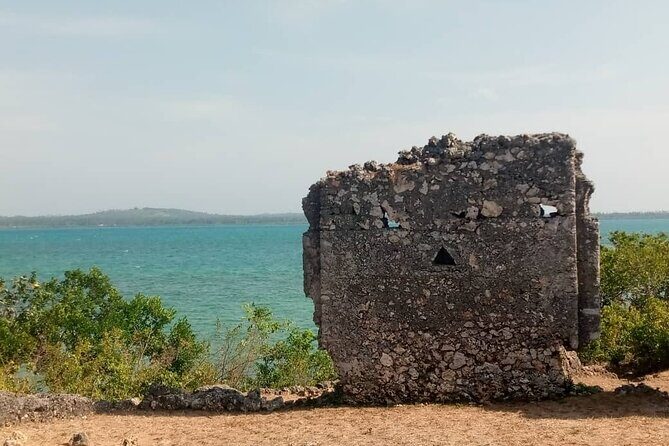
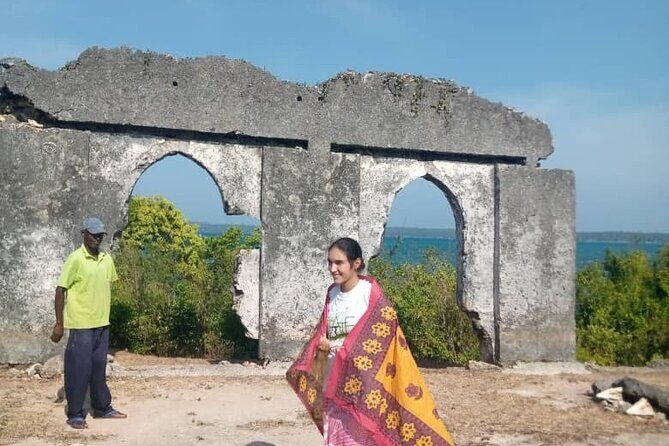
To close the tour, you’ll visit the Shiraz ruins. These date to before the 12th century, which gives the day an important time layer. Up to this point, the tour has been about living systems—fishing, boat craft, everyday community activity. The ruins shift your perspective toward how the island has changed over time.
You don’t need to be a history nerd to appreciate this stop. The value is that it ties into place. When you’ve already walked through the village areas and seen community spaces like the former school/classroom, the ruins don’t feel random. They feel like part of the same human story.
Practical consideration: ruins usually mean some uneven ground and walking. Wear shoes with grip, and bring water since you’re out for 6 to 7 hours total. Lunch is included, but the morning and afternoon still add up.
Lunch of rice, curry, seafood, and fruit: why it matters

A lot of tours say lunch is included and then hand you something quick. Here, lunch is specifically listed as rice, curry, seafood, and fruit—and it’s hot. That sounds basic, but it’s genuinely important for value and for comfort on a full cultural day.
Curry and seafood can be filling, and fruit helps balance the meal after a day of walking and sun exposure. More importantly, it keeps the day from turning into a rushed scramble for food. You’ll be able to focus on the experience instead of tracking down a meal plan.
One simple thing to plan: appetite. If you’re the kind of person who snacks nonstop, you may not feel the full benefit of a proper lunch. If you want the most out of the afternoon ruins and healer visit, save room.
Price and logistics: what you’re really paying for at $200
At $200 per person, this isn’t a bargain-basement activity. But it also isn’t just a boat ride and a stop-and-go photo tour.
You’re paying for:
- Hotel pickup and all transportation included
- A private tour format with your own guide
- Boat travel between Zanzibar and Tumbatu (about 30 minutes)
- Lunch included (rice, curry, seafood, fruit)
- Admission tickets included
When I judge value, I focus on what would be annoying to arrange yourself. If you tried to cobble this together on your own, you’d need local coordination for transport, guiding, the lagoon fishing portion, the market timing, and the ruins visit. You also risk missing context without a guide to translate what you’re seeing.
In other words, the cost mostly covers organization and interpretation. That’s why people rate the experience highly: the day feels tied together rather than stitched from unrelated stops.
Also worth noting: group discounts are offered. If you’re traveling with friends or family, the private format can become a smarter buy than you’d expect.
Who this Zanzibar Tumbatu day suits best
This tour fits best if you want a Zanzibar day that feels like daily life, not a staged performance. I’d especially recommend it if you care about:
- Fishing and boat culture and want to see methods and net repair up close
- Talking with a guide about how people read the sea and seasons
- Seeing cultural layers, from community practice to pre-12th-century ruins
- A private day that lets you ask questions at your own pace
If you’re not into boats or you want very polished, minimal contact experiences, then you might feel uncomfortable with the working-fisher environment and close village interactions. This is not a resort-style day.
For families: one review mentions returning with children, which suggests the experience can work well when kids are curious and not overwhelmed by walking and boat time. Still, keep in mind the moderate physical fitness requirement.
Should you book this tour or not?
Book it if you want Zanzibar beyond Stone Town-style sightseeing. This is a place-based cultural day where you’ll learn how people fish, build and maintain dhows, and understand community life—then you’ll add Shiraz ruins for historical depth. The tour’s strongest advantage is the private guide and the way the day is paced to connect each stop to the next.
I’d skip it if your priority is guaranteed calm, luxury, or a strictly standard itinerary with minimal walking and minimal cultural interaction. Also skip or reconsider if you know you’re likely to have issues with boat travel or if weather is often poor during your dates.
If your ideal travel day includes hands-on context, respectful cultural visits, and a real sense of place, the Zanzibar Tumbatu Island Cultural Experience is exactly the kind of tour that delivers.
FAQ
How long is the Zanzibar Tumbatu Island Cultural Experience?
It runs about 6 to 7 hours.
What time does the tour start?
The start time is 9:00 am.
Is hotel pickup included?
Yes. The tour includes pickup, and all transportation is covered.
Where does the tour start?
Pickup is listed around Tembo House Hotel on Shangani Street near Forodhani Street in Zanzibar. The activities start at 9:00 am from Mkokoni local dhow harbor and fishing village.
How long is the boat ride to Tumbatu Island?
The boat ride is about 30 minutes.
What will I see and do on the island?
You’ll visit the lagoon to learn local fishing methods and traps, see areas of daily life including the harbor, meet dhow crafters and fishermen repairing nets, visit old baobab trees used as a school/classroom, meet a spiritual healer, and visit the Shiraz ruins.
Is lunch included, and what is it?
Yes. Lunch is included and features rice, curry, seafood, and fruit.
What’s included in the price?
Lunch, all fees and taxes, admission ticket, air-conditioned vehicle, and all transportation are included. Mobile ticket is used as well.
What is not included?
Tips are not included.
Is this tour private?
Yes. It’s described as a private tour/activity, with only your group participating.
What if the weather is bad?
This experience requires good weather. If it’s canceled due to poor weather, you’ll be offered a different date or a full refund.