REVIEW · ARUSHA
Best 5 days Tanzania midrange group joining safari tour
Book on Viator →Operated by Tanzania Serengeti Safaris · Bookable on Viator
If you’ve ever wanted the big icons of Tanzania in one trip, this is the one. Starting in Arusha and looping through Tarangire, Serengeti, and Ngorongoro, you get game drives at the best light times for animals and photos.
What I like most is the pacing: you’re not just rushing between parks, you’re getting morning and late-afternoon drives when wildlife is active. I also like that the package includes meals and your accommodation at a midrange level, with dietary requirements handled.
One thing to keep in mind: this is a group-joining safari, with a listed maximum of 200 travelers for the experience. That usually means less flexibility than a private tour, and your day can feel schedule-driven.
In This Review
- Key highlights in plain language
- Getting started in Arusha at 8:00 AM
- Tarangire National Park: elephants, variety, and a full first day
- Serengeti afternoon drives: Big Five chances on your terms
- Ngorongoro Conservation Area: crater-rim lodging and a different kind of wildlife day
- Ngorongoro Crater full day: a picnic in the highest-density zone
- Lake Manyara on day five: tree-climbing lions and a big finish
- What the midrange lodge setup actually gets you
- Price and value: what $2,629 covers on this northern circuit
- Animals and birds: the Masai ostrich and 550+ species angle
- Optional culture adds: Olduvai Gorge Museum and the Maasai experience
- Group joining reality: what it feels like day to day
- If you have extra time in Arusha: Tanzanite and local shopping guidance
- Should you book this 5-day midrange group safari?
- FAQ
- What parks are included in this 5-day Tanzania safari?
- Where does the safari start and when?
- Do you get pickup?
- Are meals included?
- Is Ngorongoro Crater included as a full-day visit?
- Can you visit Olduvai Gorge Museum or a Maasai tribe?
- Is park admission covered?
- What’s not included in the price?
- What if the safari can’t run due to poor weather?
Key highlights in plain language
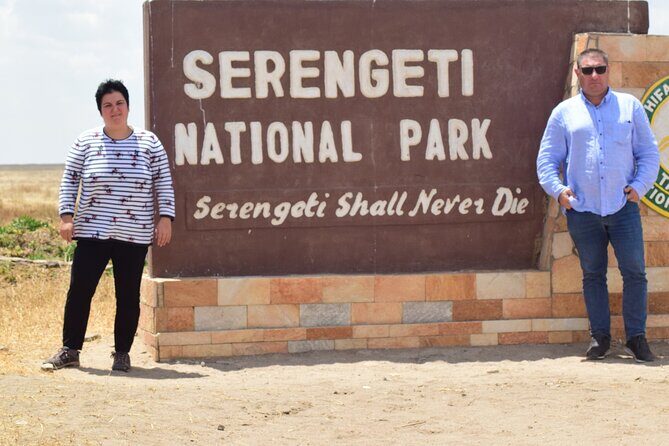
- Northern circuit in 5 days: Tarangire, Serengeti, Ngorongoro Conservation Area, Ngorongoro Crater, and Lake Manyara
- High-density wildlife at Ngorongoro: the crater is built for seeing lots of animals and predators in one spot
- Birding payoff: the Masai Ostrich plus 550+ bird species makes early game drives extra rewarding
- Optional culture add-ons: Olduvai Gorge Museum and/or a Maasai tribe visit, based on what’s available
- Full-day focus with a crater picnic: a picnic lunch inside the crater keeps you in the action
- Meals included: breakfast, lunch, and dinner are part of the deal, with dietary needs catered to
Getting started in Arusha at 8:00 AM
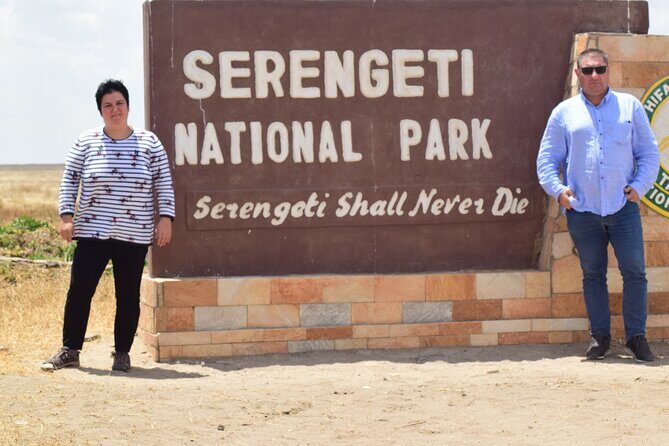
Most people begin their Tanzania safari in a hotel bed that feels too comfortable. The meet-up here is Shoppers Supermarket in Arusha, with a stated start time of 8:00 AM. If you’re coming from a stay in Arusha town, that early departure is a big deal: you’ll get a full day of wildlife instead of “just an hour or two before sunset.”
One practical win: pickup is offered, which can save you time if you don’t want to figure out local transport before day one. You’re also using a driver guide, and the tour lists a mobile ticket—small details, but they reduce stress when you’re juggling park routes and timing.
A few more Arusha tours and experiences worth a look
Tarangire National Park: elephants, variety, and a full first day
Day one puts you in Tarangire National Park for a full-day game drive after leaving Arusha. Tarangire is a strong start because it feels different from Serengeti right away—more focused habitats, more dramatic scenery in the way the land opens up, and a reputation for elephants that often show up at a good pace.
The package covers a full day of driving with the group, and the day ends at a midrange lodge. That matters because after a long day in the bush, you want a real place to reset. In this part of the circuit, the animals and the terrain can be a little easier to spot because you’re often in more varied areas rather than just endless plains.
Timing note: the tour is set around about 6 hours per day at each stop. On safari, that doesn’t mean you’re only driving—game viewing time is built in. Still, you should expect a travel rhythm: see animals, take breaks, then get moving again so the next park doesn’t steal your best daylight.
Serengeti afternoon drives: Big Five chances on your terms
Day two takes you to Serengeti National Park, with an afternoon game drive. Serengeti is where people come for the scale, but the real value of an afternoon start is that you’re not wasting the day. When the sun is lower, wildlife often becomes easier to track, and you tend to get more action as animals reposition.
You’ll check into a selected midrange lodge within the Serengeti. Staying inside or near the action cuts down on wasted transfer time and also helps with early morning plans. Even if day two is “only” afternoon, the lodge location supports the idea that you’re living the safari rhythm instead of bouncing in and out.
The tour also promises Big Five encounters. No one can guarantee which animals you’ll see, but Serengeti is built for odds: predators, grazers, and the whole food chain can all appear within the same general area—so when you do get a sighting, it often turns into a longer moment you can photograph.
Ngorongoro Conservation Area: crater-rim lodging and a different kind of wildlife day
Day three brings you to the Ngorongoro Conservation Area after a morning game drive in Serengeti’s Seronera River Valley. That’s a smart move because the river valley gives you a more “focal” setting than the open plains. When you get dense greenery around water, animals can concentrate there, and you get better odds for close views.
Then you move to a crater-rim midrange lodge with panoramic views. This is more than a nice view card. Crater-rim lodging changes your experience in two ways:
- You wake up closer to the best crater access time.
- Your evening helps you shift from “finding animals across plains” to “scanning for movement in a natural amphitheater.”
The group stays together, and with a drive-and-lodge structure, it’s easy to keep momentum. The downside is the same as most group safaris: you follow a schedule, so you can’t always linger if you’re in the middle of a perfect animal moment.
Ngorongoro Crater full day: a picnic in the highest-density zone
Day four is the centerpiece: a full-day tour of Ngorongoro Crater, including a picnic lunch within the crater. This is the one day where the itinerary earns its reputation. The crater is famous for high animal densities, which means your “search time” shrinks and your “watch time” grows.
What to expect when you’re inside the crater:
- A lot of different habitats packed into one area, so you don’t feel stuck in one type of scenery.
- Predators plus herbivores in the same general viewing area, which increases your odds of seeing the natural drama—chases, stalking, and opportunistic feeding.
- A steady flow of sightings throughout the day, not just a few flashes.
The tour notes morning and late-afternoon game drives for photo opportunities. In Ngorongoro, that matters even more because the crater’s lighting can make animals easier to track—shadows reveal movement, and dust in the light can make action stand out in photos.
A few more Arusha tours and experiences worth a look


Lake Manyara on day five: tree-climbing lions and a big finish
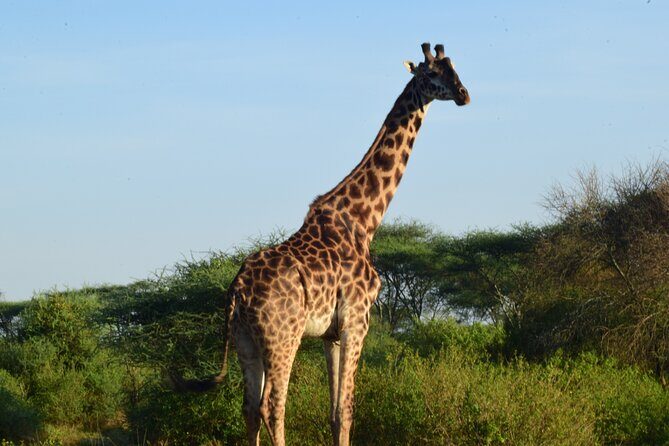
Day five adds Lake Manyara National Park, known for tree-climbing lions and diverse wildlife. Whether you see the lions in the trees isn’t something anyone can promise, but Manyara is a strong final park because it gives you variety. After days of elephants, predators, and crater viewing, Manyara can feel like a reset—wooded edges, water nearby, and different animal behavior.
It’s also a clean ending: you return to Arusha and wrap up back at the meeting point. That return day is often when people start thinking about the drive home, hot showers, and laundry. If you can, keep your evening flexible so you can decompress without rushing.
What the midrange lodge setup actually gets you
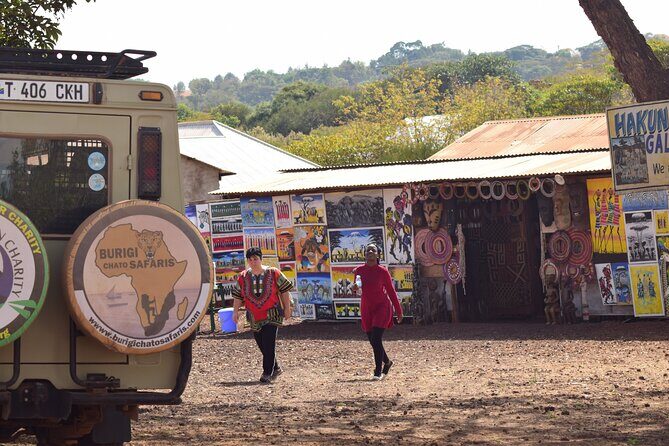
This safari is priced as a midrange experience, and that wording usually means two things: you’re not chasing luxury, but you’re also not sleeping somewhere that feels like an afterthought.
Included in the package:
- Driver guide
- Breakfast (4), lunch (5), dinner (4)
- Accommodation with your group at the stated lodges
- Dietary requirements catered to
That last part is more important than it sounds. Safari days are long, and hunger can turn a great day into a miserable one. Having meals built in also means you don’t spend your time negotiating for food at each stop—less waiting, more game viewing.
One small logistics consideration: the tour runs about 5 days (approx.) with around 6 hours per day at each segment. If you’re the type who hates being on a clock, you might feel it. If you’re okay with a steady safari rhythm, you’ll probably love how focused it is.
Price and value: what $2,629 covers on this northern circuit
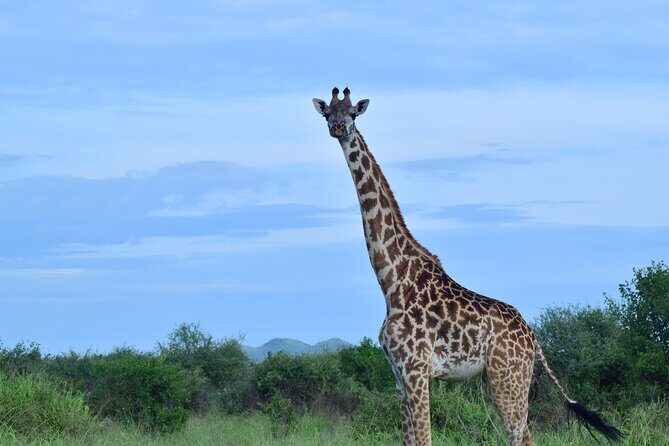
At $2,629 per person, this isn’t a budget safari. So the value question is fair.
Here’s what you’re paying for, based on what’s included:
- Multiple top-tier parks in one tight loop: Tarangire, Serengeti, Ngorongoro Crater, Lake Manyara
- Midrange lodges for the main overnight blocks
- Full meal coverage across the days listed (breakfast, lunch, dinner)
- A driver guide to handle routes and day-to-day decisions
The big value driver is not any single park. It’s the combination: Tarangire sets the tone, Serengeti provides the classic “big safari” moment, Ngorongoro delivers the dense-wildlife day, and Lake Manyara closes with a different habitat and possible unique sightings.
Also, admissions are shown in the day-by-day details (marked free on some days and included on others). Even if admissions details vary by day, the structure suggests you’re not going to be constantly paying park fees out of pocket.
Things not included that you should factor into the total:
- Tipping the guide
- Visa
- Travel insurance and medical insurance
- Flight costs (domestic and international)
If you’re trying to minimize surprise expenses, this package is relatively clear about what’s missing.
Animals and birds: the Masai ostrich and 550+ species angle
Safari companies sometimes talk about animals. This one also calls out birds, including the Masai ostrich and over 550 bird species. That tells me you’ll likely have more than just mammals on your radar—so bring your camera even if your main goal is the famous cats.
If you love birding, the timing helps. Game drives early and later in the day usually coincide with more active movement, including birds hopping between feeding and resting spots. And in a place like Ngorongoro, where habitats shift across the crater, you can rack up species without changing parks every hour.
Optional culture adds: Olduvai Gorge Museum and the Maasai experience
Two cultural touchpoints are listed as opportunities: Olduvai Gorge Museum and/or visiting a local Maasai tribe to learn about their culture. The key word here is opportunity. That means you may or may not do both, depending on what works within the schedule.
If you do get the Maasai cultural visit, it can be a nice counterbalance to wildlife-focused days. Even a short interaction can help you understand local life, clothing, and traditional knowledge systems.
For Olduvai Gorge Museum, the value is context. When you’re already thinking about animals and ecosystems, learning about deep human history in the region adds another layer to the trip.
Group joining reality: what it feels like day to day
This is a group-joining safari, and the experience lists a maximum of 200 travelers. On paper that sounds big, but on the ground you’ll still experience it as your assigned vehicle and your shared pace with the people you’re actually riding with.
What usually works with group safaris:
- You get the route planned and managed for you.
- You meet people, trade sightings, and compare photo moments.
- The driver guide stays focused on logistics so you stay focused on watching.
What doesn’t work as well:
- You can’t always pause for a long time if everyone’s waiting.
- You’re more likely to follow fixed timing than to chase a single animal scene for hours.
If you’re traveling solo, the group dynamic can be a plus. If you’re traveling with your own strict schedule, private will usually feel more comfortable.
If you have extra time in Arusha: Tanzanite and local shopping guidance
Your safari starts and ends in Arusha, so you may have some time before or after the 5 days. The most repeated Arusha shopping theme in the feedback I saw was how the shopping is handled: people felt better when a guide explained Tanzanite grades and price ranges, not just where to buy.
Names that came up around that kind of help included Mark Allen and Geofrey. If you add a tanzanite stop on your own, use that as a checklist: ask how they explain quality levels, compare pricing across shops, and stay firm that you’re buying based on knowledge, not pressure.
This isn’t part of the safari package itself, but it’s a smart way to make use of the Arusha time you already have.
Should you book this 5-day midrange group safari?
Book it if you want a structured northern circuit with midrange lodges, included meals, and a full-day crater experience. The Ngorongoro Crater day with a picnic inside the crater is the main reason to choose this over shorter safaris. The combination of Tarangire, Serengeti, and Lake Manyara also gives you variety, not just one park story.
Skip it or consider alternatives if you dislike fixed timing. Group travel means compromises, and a listed maximum of 200 travelers signals that your experience might be less flexible than a private departure.
One more practical note: the experience requires good weather, and if it’s canceled due to poor weather, you’re offered a different date or a full refund. So if your travel dates are tight, you’ll want a plan B mindset.
FAQ
What parks are included in this 5-day Tanzania safari?
It covers Tarangire National Park, Serengeti National Park, Ngorongoro Conservation Area (with Ngorongoro Crater day), and Lake Manyara National Park.
Where does the safari start and when?
It starts at Shoppers Supermarket in Arusha, Tanzania at 8:00 AM.
Do you get pickup?
Pickup is offered.
Are meals included?
Yes. Breakfast is included for 4 days, lunch for 5 days, and dinner for 4 days. Dietary requirements are catered for.
Is Ngorongoro Crater included as a full-day visit?
Yes. You get an unforgettable full-day tour of Ngorongoro Crater, including a picnic lunch within the crater.
Can you visit Olduvai Gorge Museum or a Maasai tribe?
The tour lists opportunities to visit Olduvai Gorge Museum and/or visit a local Maasai tribe and learn about their culture.
Is park admission covered?
Admission tickets are marked as free for Days 1–3, and marked as included for Days 4–5.
What’s not included in the price?
Tipping the guide, visa, travel insurance and medical insurance, and flight costs are not included.
What if the safari can’t run due to poor weather?
If it’s canceled because of poor weather, you’ll be offered a different date or a full refund. This experience requires good weather.