REVIEW · ARUSHA
Arusha: Tarangire National Park Full-Day Wildlife Safari
Book on GetYourGuide →Operated by Migration Venture Africa Ltd · Bookable on GetYourGuide
Tarangire turns one day into a wildlife checklist you’ll actually remember. I love the elephant density and the chance to spot huge herds year-round, and I also like the park’s baobab-dotted scenery that makes every stop feel different. A possible drawback: it’s a long day of driving, so comfort matters.
What really raises the experience is the human part. An English-speaking guide can make a huge difference in where you spend time, and names like Peeta come up for good reason, from smart animal-scanning to flexible stops. You’ll want to be ready for a full itinerary day, but if you’re game for it, you’ll come away with great wildlife time.
In This Review
- Key things to know before you go
- Why Tarangire Is a standout day safari from Arusha
- Getting there: the Arusha drive time and how to handle it
- Inside Tarangire: elephants, baobabs, and the river that holds the day
- The wildlife you can plan for in dry season (and what to expect in a day)
- Tree-climbing lions and rock pythons: Tarangire’s signature oddballs
- Guides and pacing: what the private 4×4 experience really changes
- Lunch on safari: meals, breaks, and keeping your energy up
- Price and value: is $350 per person fair for this day?
- Who this Tarangire full-day safari is best for
- Should you book this Arusha to Tarangire safari?
- FAQ
- How long is the Tarangire full-day safari from Arusha?
- What is the pickup and return setup?
- Is transportation included?
- How long is the guided tour inside Tarangire?
- What’s included in the price?
- Is the guide available in English?
- Is bird watching part of the safari?
- What should I bring for the tour?
- Is the tour wheelchair accessible, and what about cancellation?
Key things to know before you go
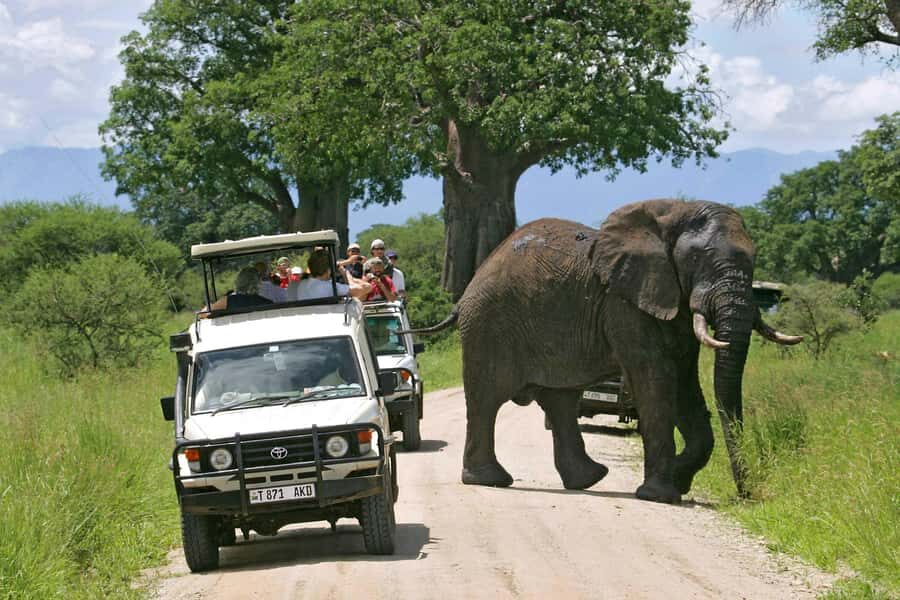
- Elephants year-round: Tarangire is known for very high elephant numbers in North Tanzania, with herds that can reach impressive size.
- Baobabs you can build memories around: The park’s iconic trees shape the look of the day, not just the photos.
- Dry-season river action: From July to October, animals concentrate around the Tarangire River as water becomes scarce elsewhere.
- Tree-climbing lions and pythons: Tarangire’s specialities include tree-climbing lions and rock pythons.
- Birdwatching in peak season: You can find over 550 bird species, with the Maasai ostrich mentioned as a top target.
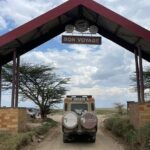
- Private, guided, full-day pacing: You’re in a custom-built private 4×4 with hotel pickup, entrance fees, and meals.
Why Tarangire Is a standout day safari from Arusha
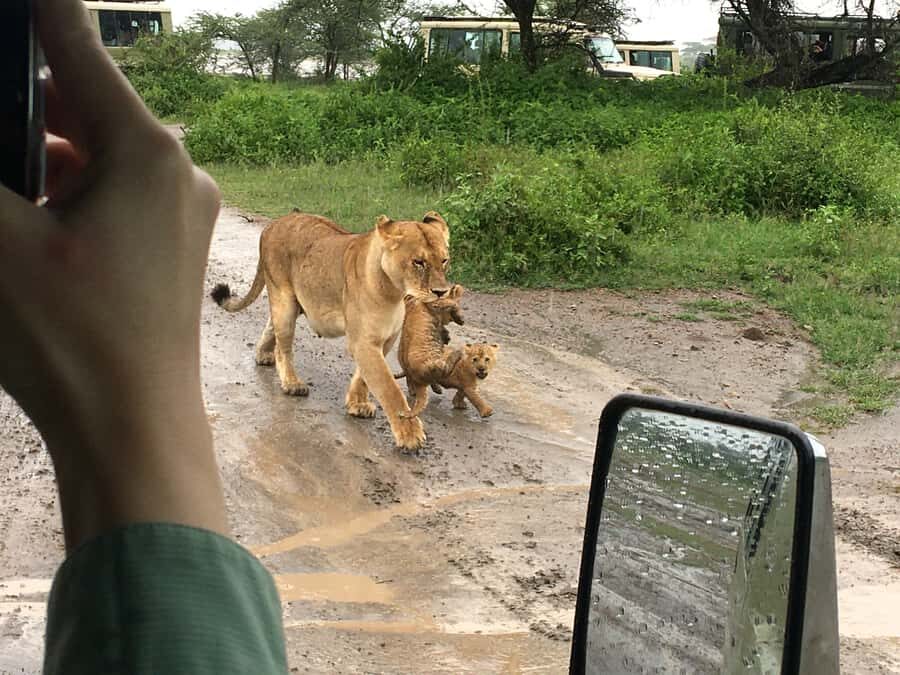
Tarangire National Park has a different feel than the big-name parks people rush to first. You’re not just chasing animals; you’re also seeing a place shaped by baobabs, a river that holds water, and wildlife that gathers where life is easiest.
The elephant viewing is a major reason this works as a day trip. The park’s reputation for high elephant density in North Tanzania means your odds don’t depend entirely on luck. Add in the baobab trees and you get a safari day where the scenery keeps changing while you wait for the next animal moment.
Then there’s the historical context that gives the day a deeper background. This region saw big game hunting safaris long ago, and after national parks were formed in 1970, the area shifted again—seasonal marshes and savannah returned to conservation and tourism. Today, it’s cameras instead of elephant guns, and the wildlife remains the main event.
A few more Arusha tours and experiences worth a look
Getting there: the Arusha drive time and how to handle it
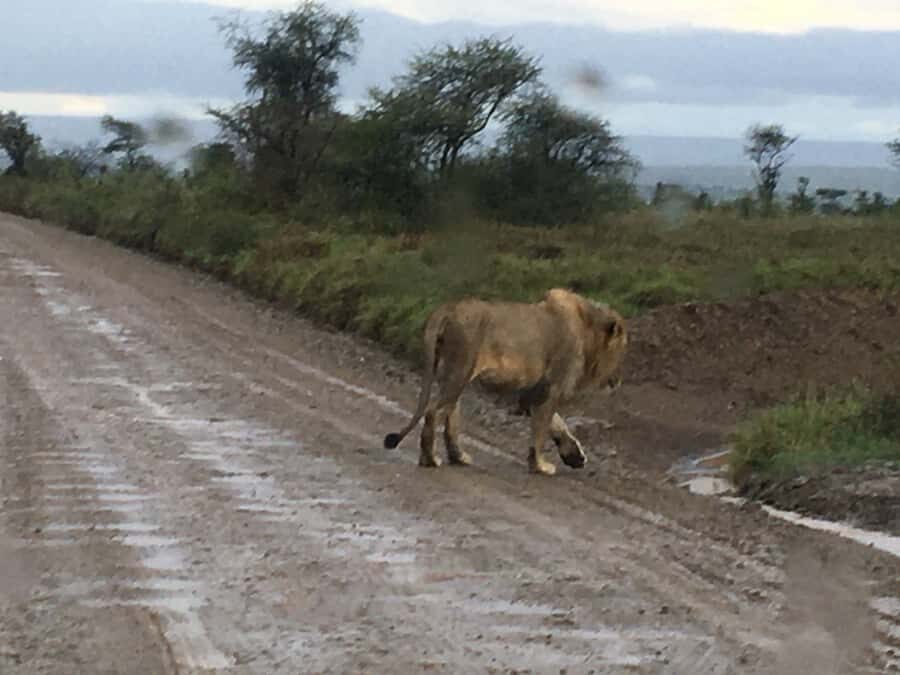
You’ll be collected from your hotel in Arusha, then spend a good chunk of the day on the road. The route is commonly described as about 2 to 3 hours one way, while the overall schedule also totals longer driving blocks. Either way, plan for a full day that starts with travel and ends with a return to Arusha (or Moshi, depending on where you’re staying).
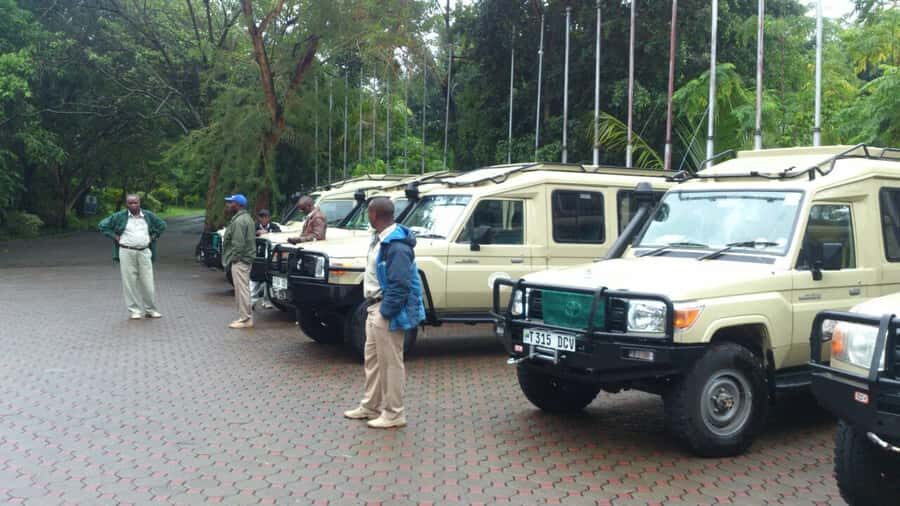
This matters because a day safari only “works” if you’re comfortable for the drive. The good news is you’re in a private 4×4 custom built vehicle, and you’ll have drinking water included. I treat long drives like part of the safari: bring your patience, keep your camera ready, and use the time to spot birds and local scenery from the vehicle.
If you’re sensitive to car time, consider making this trip earlier in your schedule so you’re not stacking it back-to-back with other big excursions.
Inside Tarangire: elephants, baobabs, and the river that holds the day
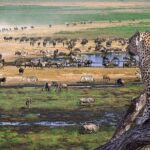
Tarangire has a key natural advantage: the Tarangire River has water all year round. In the dry season (July to October), that reliability becomes even more powerful, because animals from surrounding areas come to drink. When that happens, you often get a more concentrated, high-activity wildlife scene.
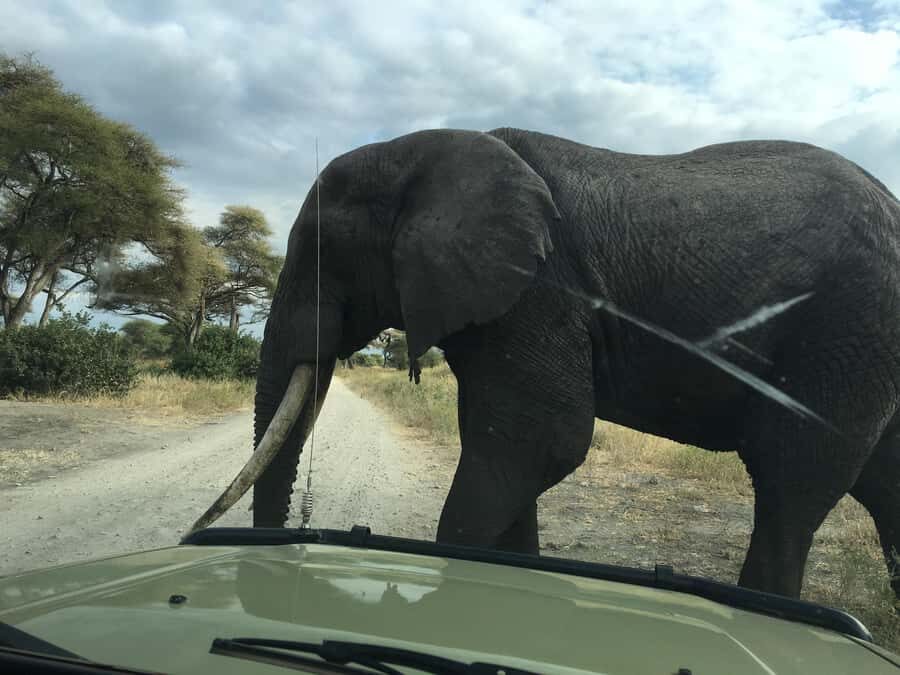
Elephants are the headline. The park is described as having the highest density of elephants in North Tanzania, and herds can reach an impressive number—up to around 300 animals. That doesn’t mean you’ll always count that many, but it does tell you what kind of scale you’re chasing. On a full-day visit, you’re in the right place and the right ecosystem to see consistent elephant presence.
And then you have the baobabs. This is one of those rare parks where the trees are part of the story, not just a background detail. The high number of scenic baobab trees gives the day texture: you’ll drive through open areas, stop for sightings, and keep returning to the same iconic shapes that make Tarangire feel unmistakable.
The wildlife you can plan for in dry season (and what to expect in a day)
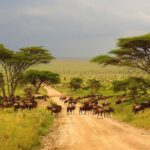
If you’re going in during the dry season, July through October is the time when the park can feel like one big meeting point. With water limited elsewhere, animals gather around the river and you’re more likely to see multiple species in a shorter time window.
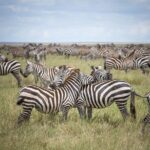
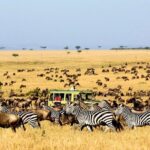
In that period, you can look out for animals such as lions, giraffes, buffaloes, wildebeests, and zebras, along with various antelopes and gazelles. You might also spot a python—described as possible with a bit of luck. A day safari won’t guarantee rare sightings, but Tarangire sets you up with a good mix of “likely” and “worth scanning for.”
Birdwatching is another major reason to time your trip well. The dry season is described as a birdwatching haven, with over 550 bird species. The Maasai ostrich is highlighted too, and it’s called the world’s largest bird in the provided information. If birds are your thing, this is one of the best ways to combine wildlife viewing with serious species-watching in a single day.
Tree-climbing lions and rock pythons: Tarangire’s signature oddballs
Tarangire’s wildlife isn’t only about big herds and classic savannah animals. The park is also famous for a couple of specialities that change how you watch.
One is tree-climbing lions. That means you don’t just scan the grass line—you also keep your eyes up, and you follow what your guide points out from the vehicle. The second is rock pythons, which adds a different kind of “keep watching” excitement. Pythons can be harder to spot, but when they do show up, it feels like you caught the park in a quieter moment.
For you, this is practical: don’t rush. Your best sightings often come when you’re comfortable sitting still for a few minutes while your guide checks the area for movement.
A few more Arusha tours and experiences worth a look

Guides and pacing: what the private 4×4 experience really changes
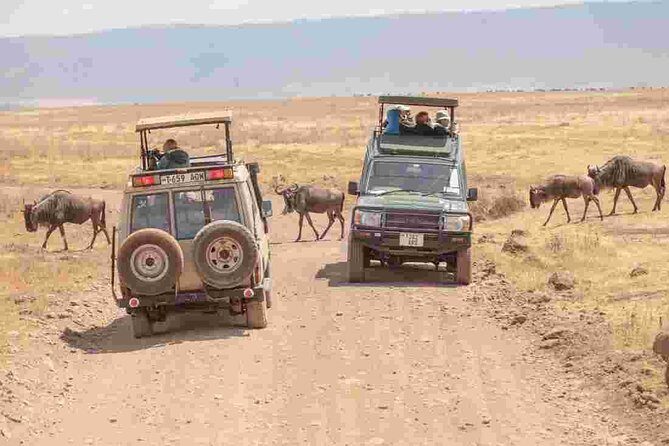
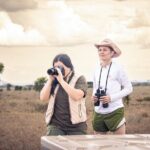
This trip is set up as a private safari, which changes the whole feel compared to crowded group drives. You’re working with a private custom-built 4×4 and an English-speaking guide, and the pace is guided by what you’re seeing.
The real value isn’t just the title “guide.” It’s the ability to keep shifting your focus. In the feedback from past guests, the guide quality stands out—especially for finding animals where they’re more likely to be. One guide name that appears is Peeta, praised for stories and for trying to locate animals in places where they tend to show up.
Private pacing also means you can spend more time on the moment that matters. If you spot something active, you don’t have to wait for a big group decision. If you’re not seeing what you hoped for in a particular area, your guide has more flexibility to guide the next choice. That’s how one full day stays rewarding.
Lunch on safari: meals, breaks, and keeping your energy up
A day safari can feel exhausting if food and breaks are an afterthought. Here, meals are built into the experience: breakfast, lunch, and dinner are included, plus drinking water.
Around lunchtime, you’ll stop at a suitable picnic place before the afternoon wildlife viewing. This is a smart structure because it helps you reset before the second half of the drive—when sightings can pick up again, especially if you’re near the areas where animals gather.
From the feedback provided, the food gets a thumbs up, with at least one guest calling it excellent. That matters more than you might think. When meals are good and easy to handle, you don’t waste your attention worrying about logistics—and you can stay focused on the wildlife.
Price and value: is $350 per person fair for this day?
At $350 per person, this isn’t a budget safari. But it also isn’t just “a ticket into a park.”
Your cost includes: hotel pickup and drop-off, entrance fees to the national parks, a private 4×4 custom-built vehicle, an English-speaking guide/driver, all meals during the safari (breakfast, lunch, and dinner), drinking water, and bird watching.
So the value question becomes: are you getting convenience, comfort, and time in the right places? You are, especially with the private vehicle and guide. For a single-day experience from Arusha, that can be worth it if you want maximum wildlife time without worrying about arranging anything once you’re on site.
If you’re traveling solo or as a small party, private days can feel expensive. If you’re comparing options, think about what you’d pay to get a similarly flexible guide, transportation, and meals covered. That’s what tends to drive the value more than the base rate alone.
Who this Tarangire full-day safari is best for
This trip is a strong fit if you want wildlife without an overnight commitment. It’s also a great choice if you care about elephants and the park’s iconic baobab scenery, because Tarangire’s identity comes through clearly within a single day.
I’d especially recommend it for:
- Animal lovers who want a focused day in Tarangire rather than splitting time across multiple stops.
- Birdwatchers heading in dry season, when you can target a large number of species.
- People who prefer private pacing and a dedicated guide instead of sharing attention with a large group.
- Travelers who want a professional, English-speaking guide to help you find and interpret what you’re seeing.
If your top priority is a highly economical safari price, you may want to compare with group-based options. But if you want a smooth, guided day where you don’t juggle details, this one makes sense.
Should you book this Arusha to Tarangire safari?
I’d book it if your travel style matches three things: you’re okay with a long day of driving, you want elephants and baobabs in one outing, and you like the idea of dry-season wildlife concentration around the Tarangire River.
If you’re going in the dry season, this trip is even more compelling. You’re more likely to see the full set of larger animals listed for that time window, and birdwatching odds are described as excellent with over 550 species in play.
Skip the impulse if you’re very budget-tight or if you hate car time. The itinerary is built around a full day, so comfort and expectations matter.
FAQ
How long is the Tarangire full-day safari from Arusha?
The duration is 1 day.
What is the pickup and return setup?
You’re picked up from your hotel in Arusha and returned to Arusha (or Moshi, depending on where you’re staying).
Is transportation included?
Yes. You travel in a private 4×4 custom built vehicle.
How long is the guided tour inside Tarangire?
The guided tour in Tarangire National Park is scheduled for about 5 hours.
What’s included in the price?
Inclusions include hotel pickup and drop-off, the private 4×4, all meals during safari (breakfast, lunch and dinner), drinking water, the English-speaking driver/guide, entrance fees, and bird watching.
Is the guide available in English?
Yes, the live tour guide is English.
Is bird watching part of the safari?
Yes, bird watching is included.
What should I bring for the tour?
Bring your passport or ID card.
Is the tour wheelchair accessible, and what about cancellation?
It is wheelchair accessible. Free cancellation is available up to 24 hours in advance for a full refund.