REVIEW · ARUSHA
Kilimanjaro: Maasai Village Visit, Waterfalls, & Coffee Tour
Book on GetYourGuide →Operated by Africa Pathways Expeditions · Bookable on GetYourGuide
Kilimanjaro is the day’s quiet star. This tour pairs two village visits with waterfall time and proper coffee culture, all from Arusha or Moshi. I especially liked the chance to hear village life straight from community members, and the hands-on coffee moment with songs and grinding. One thing to watch: the trail to the falls can be muddy and slippery, so your shoes matter more than your fashion.
You also get a realistic shot at Kilimanjaro views on clear days. Materuni sits on the slopes, and the walk and viewpoints give you moments to look up—plus the drive time keeps it from feeling rushed. My only “plan ahead” caution is weather: rain can turn the path into a slip-and-slide, but you’ll be in good hands with gear support when conditions get tough.
In This Review
- Key Points I’d Circle Before Booking
- Materuni Village Walk and Waterfalls: Where the Day Starts
- The realistic drawback: hiking comfort
- Chagga Lunch and Coffee-Making: The Part You’ll Remember
- Bonus: banana beer if you want it
- Kilimanjaro Views Without the Climb: How to Get the Best Photos
- Rundugai Visit: Slower Rhythm, Village Details
- What you can do to get more from it
- Maasai Village Near Kilimanjaro Airport: Dance, Beads, and Cattle Walks
- Community-run planning matters
- Guides and Service: When It Goes Right, It Stays Comfortable
- Price and Value: Is $185 Worth It?
- What to Pack (and What to Skip) for a Mud-and-Rain Day
- Who This Tour Best Fits
- Should You Book Kilimanjaro: Maasai Village Visit, Waterfalls, & Coffee Tour?
- FAQ
- How long is the tour?
- Where do you get picked up?
- Does the tour include Materuni waterfalls?
- How far is the walk to the waterfalls?
- How tall are the Materuni waterfalls?
- Is lunch included?
- What about coffee—do I just taste it?
- Is there an option for banana beer?
- What should I bring?
- Is there anything not allowed?
Key Points I’d Circle Before Booking
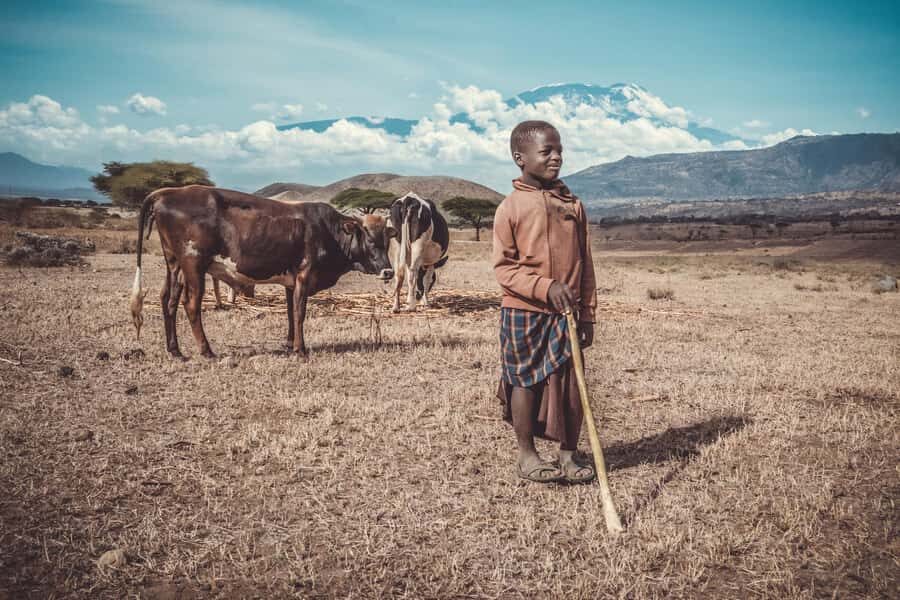
- Two cultures in one day: Chagga life around Materuni and Maasai life near Kilimanjaro airport
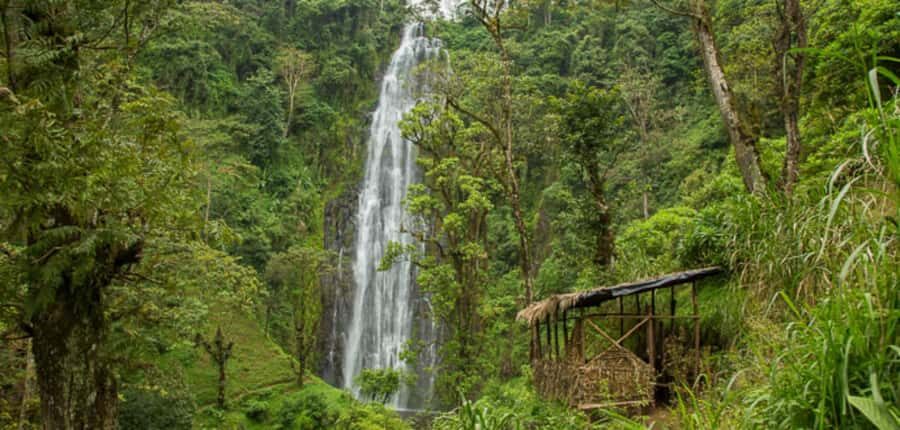
- Waterfalls with real height: cascades over 80 meters, reached via a village walk
- Coffee you actually make: grind the beans and brew your own using traditional methods
- Community-run village moments: the visits are arranged by the Maasai themselves, with dance and storytelling
- Kilimanjaro views are weather-dependent: clear-day chances are best, especially around the slopes
Materuni Village Walk and Waterfalls: Where the Day Starts
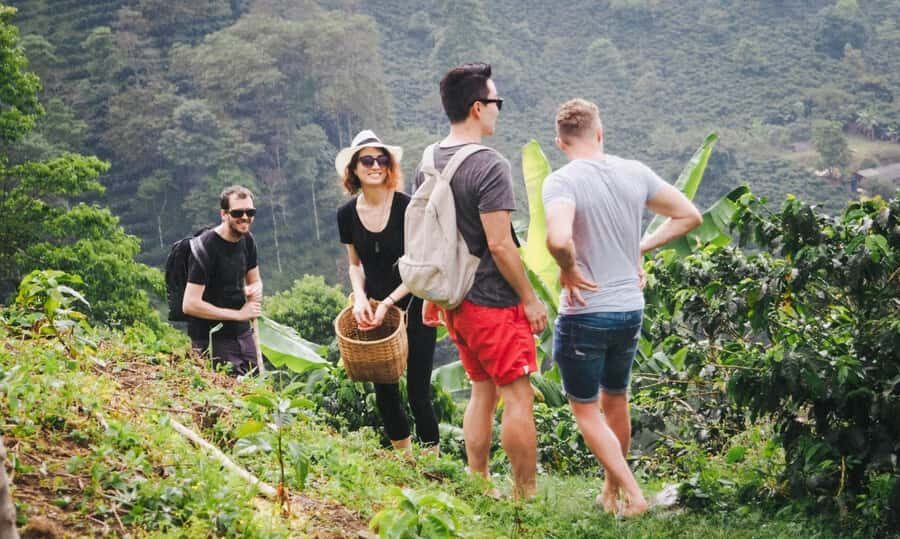
You pick up in the morning from your hotel in Arusha or Moshi, or you’re met at the Kilimanjaro/Arusha airports (the guide holds a printed name card). Either way, you’re soon heading toward Materuni Village, known for being the last village before Kilimanjaro National Park.
Materuni is a classic “arrive and start walking” kind of place. You don’t just park and take pictures. You walk with a local guide while learning how people live and how the area works—flora, fauna, and everyday village rhythms. Even if you’ve seen photos of Kilimanjaro, this part feels different because you’re standing in the region people actually rely on.
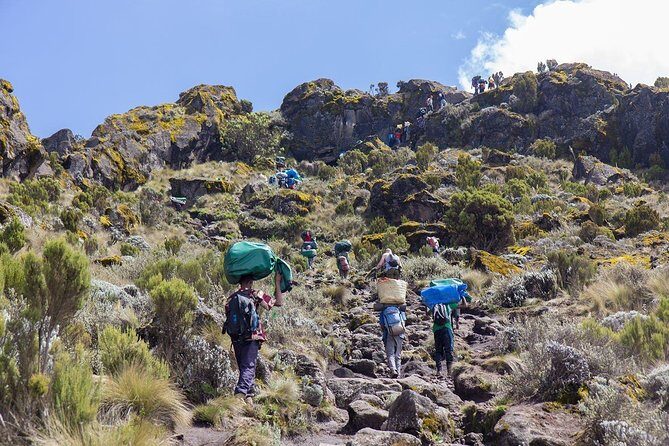
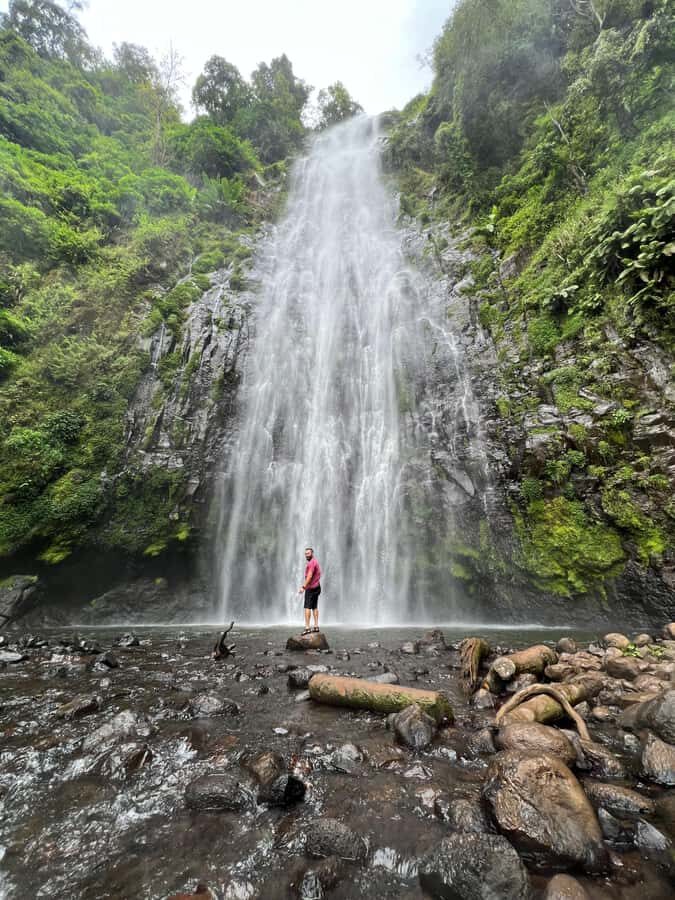
Then you move toward the Materuni waterfalls. The walk to the falls is about 45 minutes, and yes, conditions can get messy. The trail can be slippery and muddy, especially after rain. Bring hiking shoes with grip. If you only bring sneakers, you’ll likely end up doing the careful steps you hate doing.
When you reach the falls, it’s payoff time. The cascades are more than 80 meters (262 feet) high. The sound hits first, then the sight lines. This is one of those natural moments that’s hard to explain to people who love waterfalls but haven’t stood that close.
A few more Arusha tours and experiences worth a look

The realistic drawback: hiking comfort
This isn’t a stroller-friendly stroll. You’re walking, and the surface can be wet. It’s not “dangerous” in the provided info, but it is demanding enough that you should treat it like a real hike—especially if you’ve got weak ankles or poor traction.
Chagga Lunch and Coffee-Making: The Part You’ll Remember
After the waterfall viewing, you head back to Materuni Village for a traditional Chagga lunch. This is where the tour shifts from scenery to daily life—food first, then the hands-on stuff.
There are two big reasons you’ll likely enjoy this section:
- You eat what’s local, not what’s generic. The lunch is described as traditional Chagga, which fits the whole theme of the day: village life on Kilimanjaro’s slopes.
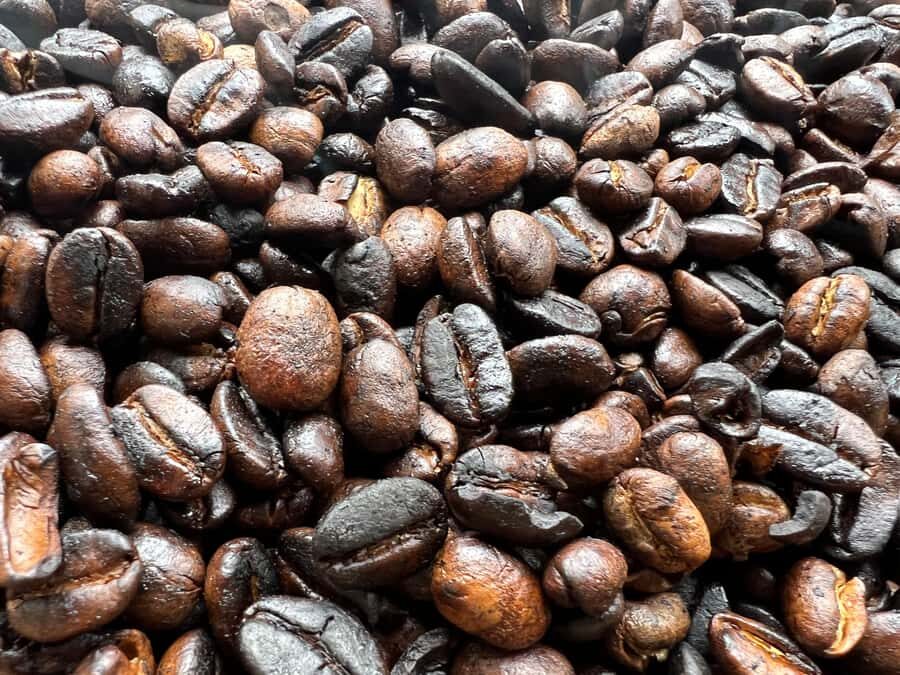
- The coffee experience is active, not staged. You’re invited to help with grinding coffee in traditional ways. It’s done with Chagga songs and dances, so it’s cultural, not just a demo.
Then comes the best part if you like food and process: you make your own cup of coffee using traditional methods. You also taste local coffee and learn about how Tanzania’s coffee industry works.
Coffee tours can sometimes feel like a souvenir trap. This one is structured more like a workplace and home blend. You’re not just watching someone do tasks. You get to do them—grinding, making, tasting—then keep the experience in your head because your hands did the work.
Bonus: banana beer if you want it
You can also opt to taste local banana beer. The key word is opt-in—so you’re not forced into it. If you’re curious, it’s a fun cultural add-on. If you’re not, you can stick to water and coffee.
Kilimanjaro Views Without the Climb: How to Get the Best Photos
The tour is designed so you’re mostly around Mount Kilimanjaro, which gives you a higher chance at good photos—especially on clear days. The info calls out that you might catch sight of the Kilimanjaro summit during the trail time around Materuni.
Here’s the practical advice: look up often, but don’t expect miracles if the clouds roll in. This is a low-elevation day tour, so the view depends on weather. When it is clear, you’ll get the kind of mountain-and-morning-light shots people pay extra for on higher-end day trips.
Also, plan to have your camera ready during the village walk and on the route segments. Views happen in moments, not on a timetable that always cooperates.

Rundugai Visit: Slower Rhythm, Village Details
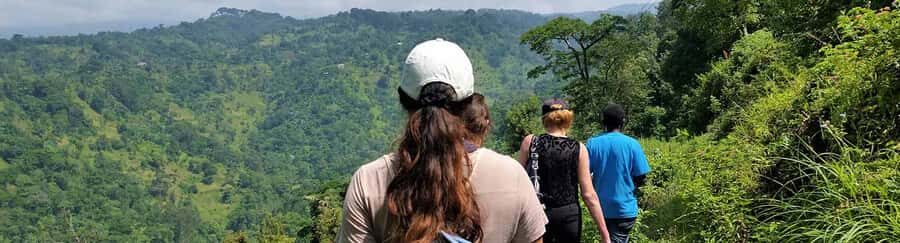
Midday, you spend time at Rundugai for about 3 hours. This part of the day is where you slow down and trade “quick photo” energy for conversation and observation.
The tour description emphasizes learning about local village life and culture through your guide. That’s the right frame to bring with you. You’ll get more out of this stop if you ask simple questions and stay curious about daily routines—how people make things, how homes are built and used, and how traditions are explained.
There’s no need to treat this like a museum. Treat it like a community chat with a timetable attached.
What you can do to get more from it
Bring patience. Village visits are never perfectly scripted, and time can stretch a bit. If you’re the kind of person who likes to rush, you’ll feel it here. If you’re flexible, you’ll get a better day.
Maasai Village Near Kilimanjaro Airport: Dance, Beads, and Cattle Walks
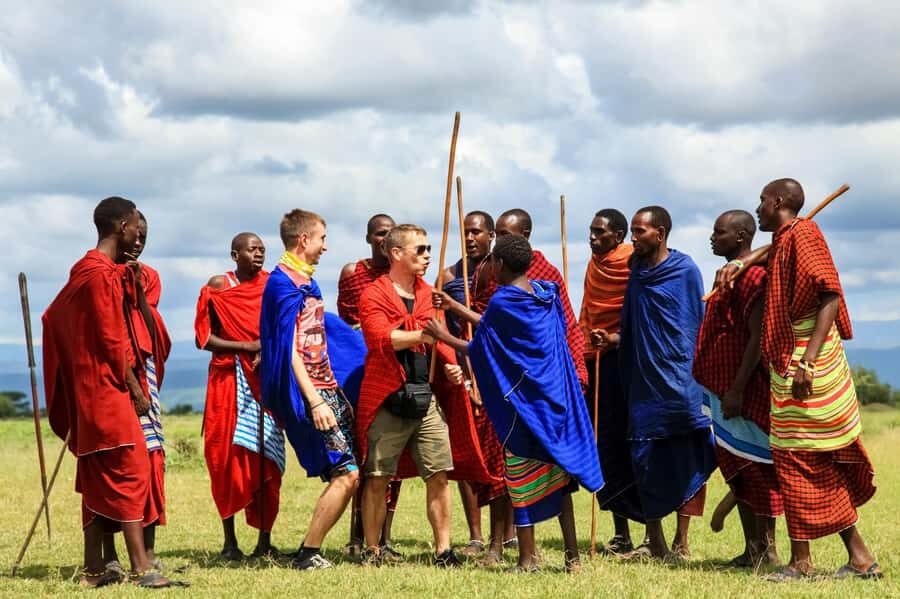
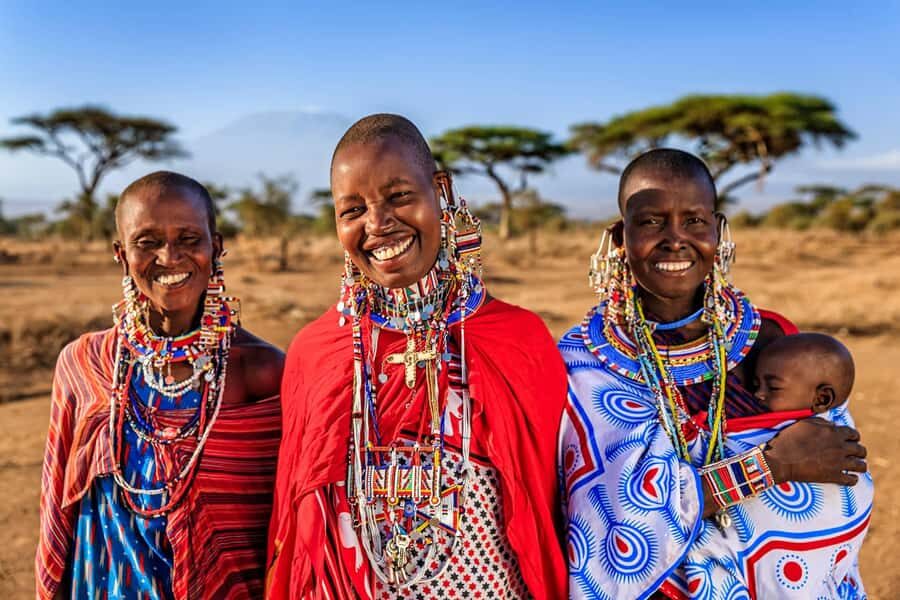
Later, you drive a short distance from Moshi toward a Maasai village near Kilimanjaro airport. This portion is a real culture encounter, but it also comes with a respectful reality: Maasai villages are described as small mud-thatched communities centered around cattle and other livestock.
This is where you’ll see the Maasai way of life—plus how it intersects with modern contact. The tour notes that Maasai communities adapt to development and contact with modern civilization, and that’s exactly what makes the visit worth more than a performance.
At the village, you’ll be shown traditional aspects of Maasai life, including:
- Maasai dance and singing
- Different types of Maasai houses
- Traditional beads and ornaments
- Making fire
- Bush techniques and medicine
- Walking with cattle on the plains
Two practical takeaways. First, you’ll want to dress in comfortable clothes because this is outdoors and active. Second, if you’re sensitive to strong smells from livestock areas, give yourself a moment of adjustment.
Community-run planning matters
The tour info states that visits are planned and arranged by the Maasai themselves. That detail matters because it changes how you should interpret what you see: you’re not just consuming a culture show. You’re engaging with a community-led presentation.
Guides and Service: When It Goes Right, It Stays Comfortable
One of the strongest signals from the experience is the quality of the human support. Names from the provided experiences include Mpemba and Milton, and both are described as friendly, patient, and focused on making the day work—especially when conditions turn bad.
That matters on this itinerary because the only “wild card” is the terrain. If the path is wet, you need a guide who can slow things down and keep you safe without making it feel like a lecture.
In fact, there’s an example where the guide provided rain boots when it was rainy. That’s the kind of detail that can save your day. Even if you bring good shoes, boots can be the difference between grumpy splashing and actually enjoying the hike.
Also, the service includes roundtrip private transport in a clean air-conditioned vehicle. You’re not spending 11 hours bouncing around in a cramped ride.
Price and Value: Is $185 Worth It?
At $185 per person for an 11-hour day, the value depends on what you want out of Tanzania beyond wildlife and big-city sightseeing. This is not a quick “tick the box” tour. You’re paying for a full cultural day with several components that would each cost you time and money on your own.
What’s included adds up:
- Roundtrip private transport
- All activities
- Hot lunch
- Entrance fees and taxes
- Contribution to the Maasai village
- Tour guides
- Bottled water
For many people, the hands-on coffee making, the waterfall with a proper walking component, and the fact that the Maasai visit is planned by Maasai themselves are the real value drivers. You’re not just paying for transportation. You’re paying for local access, guided interpretation, and time that’s organized so you don’t waste the day figuring out routes.
If you’re the kind of traveler who hates cultural stops, you may not feel the value. If you like learning how people live—through food, work, and stories—this price can feel fair.
What to Pack (and What to Skip) for a Mud-and-Rain Day
This tour gives you a clear packing reality: hiking shoes and comfortable clothes are recommended. Since the waterfall trail can be slippery and muddy, shoe traction matters. I’d treat this like a light-moderate hike, not a walk in the park.
A few practical items that align with what you already know from the tour info:
- Hiking shoes with grip
- A rain coat (the trail can be slippery)
- Clothes you don’t mind getting dusty or damp
Also, follow the rule: no littering. It’s stated, but it’s also just good sense in villages and around livestock areas.
Who This Tour Best Fits
This experience is a good match if you:
- Want a culture-forward day rather than another “look at a view and leave” day
- Enjoy food experiences, especially coffee you make yourself
- Prefer small, organized access with a live English-speaking guide
- Are planning a Kilimanjaro or safari trip and want a meaningful add-on near Arusha or Moshi
If you’re traveling with limited mobility or you get overwhelmed by uneven ground, you might find parts of the day tiring. The waterfall walk is the main consideration, since mud and slippery conditions are explicitly mentioned.
Should You Book Kilimanjaro: Maasai Village Visit, Waterfalls, & Coffee Tour?
My take: book it if your idea of a great Tanzania day includes villages, hands-on food, and the chance at Kilimanjaro views from the slopes. The day has enough variety—waterfall height, Chagga lunch, coffee-making work, and Maasai cultural presentation—that it doesn’t feel like one long repetitive stop.
Pass or consider another option if you hate hiking even a little, because the waterfall path can be muddy and slippery, and you’ll feel that in your legs. But if you show up with the right shoes and a rain coat, the day feels well-built.
If you want a cultural day with genuine participation—grinding coffee with songs, walking to a dramatic waterfall, and seeing Maasai life arranged by Maasai themselves—this is the kind of itinerary that can stay with you.
FAQ
How long is the tour?
The tour duration is 11 hours.
Where do you get picked up?
You can be picked up from your hotel in Moshi or Arusha. Pickup is also available from the Kilimanjaro or Arusha airports.
Does the tour include Materuni waterfalls?
Yes. You visit Materuni waterfalls after a guided walk from Materuni village.
How far is the walk to the waterfalls?
The waterfalls are around 45 minutes away by trail.
How tall are the Materuni waterfalls?
They are more than 80 meters (262 feet) high.
Is lunch included?
Yes. A hot lunch is included.
What about coffee—do I just taste it?
You don’t just taste it. You’re invited to help with grinding coffee and then make your own cup using traditional methods, and you’ll also taste local coffee.
Is there an option for banana beer?
Yes. You can opt to taste local banana beer during the lunch and coffee segment.
What should I bring?
Bring hiking shoes and comfortable clothes. The trail can be slippery and muddy, so a rain coat can help.
Is there anything not allowed?
Littering is not allowed.