REVIEW · ARUSHA
4-Day Basic Safari with Serengeti, Ngorongoro, & Tarangire
Book on Viator →Operated by PINNACLE ADVENTURES & SAFARIS LTD. · Bookable on Viator
Three parks in four days for real animal time. This pocket-friendly safari keeps you in a Toyota Land Cruiser 4×4 with pop-up roof and still builds in early 06:30 game drive time in Serengeti for the best odds. You’re moving fast, but not rushed—just set up to spot wildlife and enjoy the ride.
Your biggest trade-off is comfort. Tents are part of the package, and bathrooms are shared at campsites, so you’re opting for an outdoors rhythm instead of lodge luxury.
In This Review
- Key Things That Make This Safari Feel Worth It
- First Time Safari, But Still Good Value
- Day One in Tarangire: Baobabs, River Refuges, and Big Herd Energy
- Serengeti Day Two: Naabi Hills Gate, Afternoon Eyes, and Herd-Watching Time
- Serengeti Day Three at 06:30: Sunrise Is When Predators Get Active
- Ngorongoro Day Four: The 600-Meter Descent Into a Wildlife Caldera
- Camping Comfort That’s Honest: Tents, Gear, and Shared Bathrooms
- The Vehicle Setup: Why the 4×4 Pop-Up Roof Matters
- Price and Logistics: Where the Money Goes (and Why It’s Not Just a Low Number)
- Wildlife Reality Check: What You Can Hope to See
- Guide Quality: What to Ask Before You Go
- Should You Book This 4-Day Basic Safari?
- FAQ
- How long is the safari and where does it start and end?
- Is airport pickup included?
- What parks and areas are visited?
- What kind of vehicle is used for game drives?
- What are sleeping arrangements like and what meals are included?
- Do I need Yellow Fever vaccination?
Key Things That Make This Safari Feel Worth It
- Pop-up-roof Land Cruiser means better views without doing the “camera gymnastics” dance.
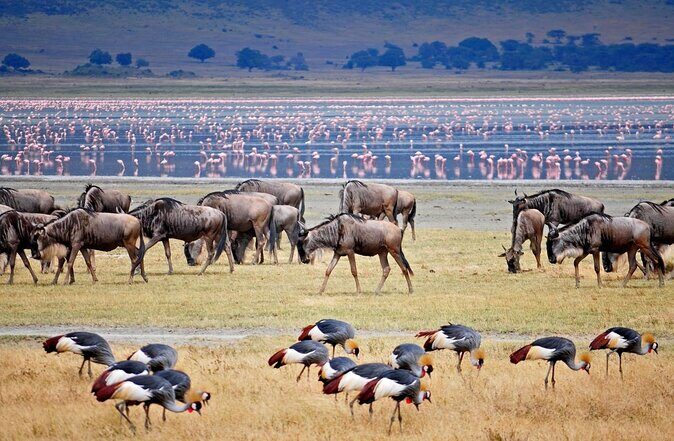
- Tarangire’s dry-season elephant focus comes from the river and swamp areas that concentrate animals.
- Serengeti entry via Naabi Hills Gate sets you up for a proper afternoon drive and a full day the next morning.
- A 06:30 sunrise routine includes coffee first, then breakfast from the box—great for cats and active predator windows.
- Ngorongoro’s 600-meter descent puts you in a dense wildlife caldera where predators and rare rhino are possible.
- Meals + safari cook are included, so you can focus on wildlife instead of logistics.
First Time Safari, But Still Good Value
This is the kind of safari that makes sense if you want wildlife sightings without paying for a high-end lodge stay. At $1,745.56 per person, the value comes from what’s built in: a 4×4 safari vehicle, an English-speaking guide and safari cook, park fees and taxes, and most of your food and sleep plan.
I also like the small size vibe. The cap listed is up to 15 travelers, which usually means you’re not fighting for space in the vehicle or waiting around while the group regroups. And because the safari is camping-based, you’re getting more days on the road for observation time rather than spending the budget on mattresses with five-star pillows.
One thing to keep your expectations lined up: this is a budget camping safari, not a resort. You’ll have tents and camping gear, but your bathroom setup is shared, and the whole experience runs by safari practicality.
A few more Arusha tours and experiences worth a look
Day One in Tarangire: Baobabs, River Refuges, and Big Herd Energy
Your day starts with breakfast, then you head out for Tarangire National Park. The drive passes through Arusha town and along Masai steppe, which gives you early “this is real Africa” momentum before you even reach the park gate.
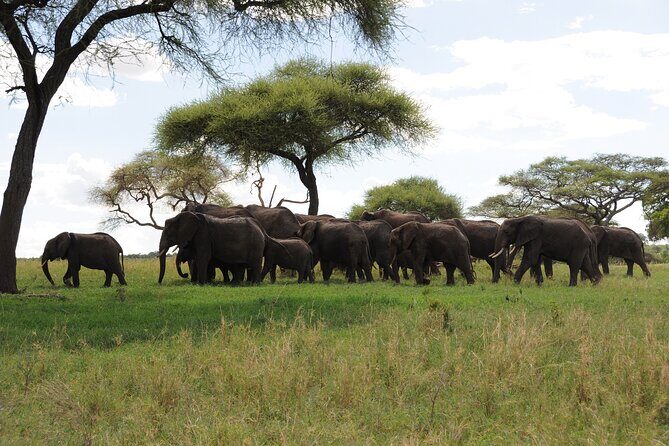
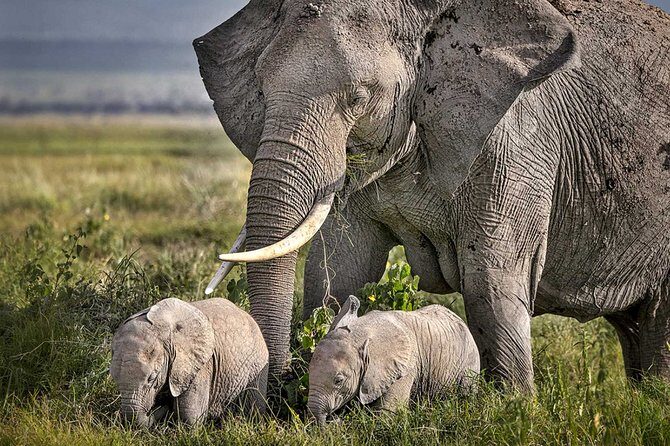
Tarangire is special because of the mix of habitats. You’re looking at low-lying hills of the Great East African Rift Valley floor, plus huge African baobab trees, acacia woodland, and a swamp area in the south. When it’s dry, that swamp and the Tarangire River act like a refuge zone—animals gather there, which improves your odds of seeing elephants and other large mammals.
In practical terms, Tarangire can feel like the easiest park to “read” in the early hours. The vegetation is varied, animals cluster around water, and your guide can often set up stops where you’re not just scanning endlessly. If this is your first safari, I’d treat Tarangire like your warm-up round: learn the rhythm of spotting, and start building that safari eye.
The time listed for this park day is about 6 hours, which is a solid chunk for first-game-drive energy without burning you out.
Serengeti Day Two: Naabi Hills Gate, Afternoon Eyes, and Herd-Watching Time
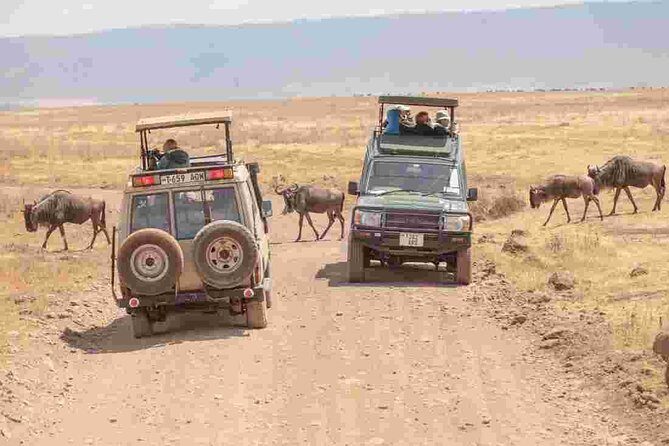
After breakfast you head toward Serengeti National Park, crossing villages and farmland around Karatu before reaching the Ngorongoro gate for registration, then continuing to Naabi Hills Gate for check-in. Those formalities sound boring, but on safari they’re part of how you stay legal and get proper access—so you don’t end up with frustrating delays later.
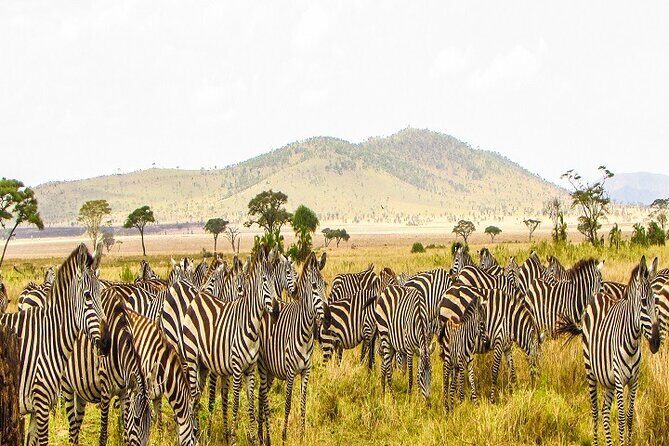
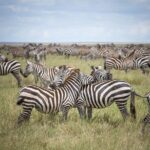
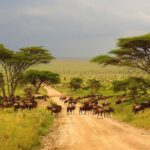
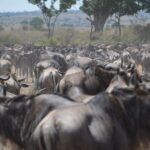
Once you’re checked in, the day shifts into wildlife mode. You start with a packed lunch and then do afternoon game drives, with a focus on the Great Wildebeest Migration. Migration timing changes by year, but your guide is steering you toward the areas where herds are most likely to be moving through.
This is a smart way to design the day. Afternoon light can make animals easier to spot because you’re not watching a foggy sunrise and squinting into glare all at once. And you’re also not stuck in a long car day with nothing to show for it—Serengeti often delivers in the late-day window.
Expect to arrive at camp around sunset. That timing matters: you’ll want your energy for morning, so the evening is usually about recharging, eating well, and getting your gear ready for an early start.
Serengeti Day Three at 06:30: Sunrise Is When Predators Get Active
If Day Two is about positioning, Day Three is about intensity. The plan calls for an early morning game drive starting around 06:30. The routine is coffee first, then your breakfast and lunch packed into boxes so you’re not wasting time searching for food once you’re out on the track.
The big reason sunrise drives pay off is simple: cats and other predators use cooler air and calmer light. You can also catch animal behavior before the day heats up—some predators return from nighttime hunting, lioness groups may plan ambush behavior, and herbivores often settle into visible feeding rhythms.
Your guide will likely watch for the migration as well, depending on whether herds are concentrated in your area that week. The plan is described as going straight to where the migration is if it’s present, then staying with it long enough to actually understand what you’re seeing—migration isn’t just a quick sighting, it’s movement and tension and “how the ecosystem works.”
This drive is listed at about 12 hours, which is long, but it’s also how you make Serengeti feel like more than a checklist stop. If you’re the type who enjoys animal behavior and not just big species names, this is where you’ll feel it.
Ngorongoro Day Four: The 600-Meter Descent Into a Wildlife Caldera
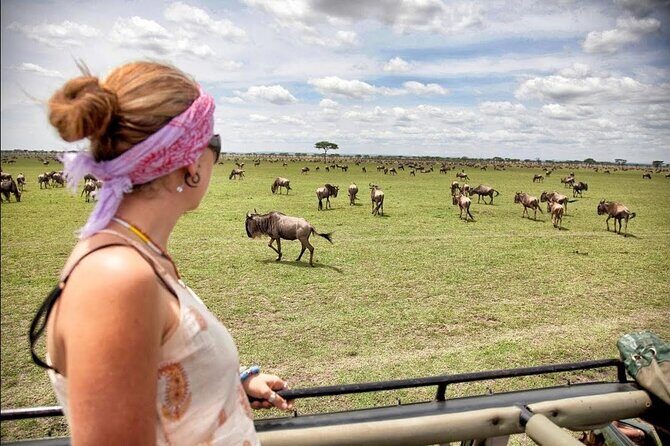
After breakfast you leave Serengeti and head toward the Ngorongoro Conservation Area, with a game drive en-route up to the Naabi Hills gate. From there, you pass Malanja depression and reach the area before descending about 600 meters into the crater floor for viewing.
Ngorongoro is often described as the Eden of Africa, and the reason is practical: the crater holds a dense mix of habitats. You can find herds of wildebeest, zebra, elephant, hippos, buffalo, topi, and eland, plus the rare black rhino. That range matters because you’re not hunting for animals only in one kind of landscape—you’re operating in a compact “wildlife meeting point.”
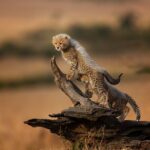
Predators also show up here in ways that can make your eyes tired from scanning. The plan notes predators such as hyenas, lions, cheetahs, jackals, and even leopard—which often takes a sharper spotting eye and a bit of patience.
One consideration: crater time can feel “busy” for your senses. You’ll probably be stopping and starting as you scan for movement. If you get car-sick easily, bring whatever you normally use and plan to focus on the center of the vehicle or keep your eyes on the horizon when possible.
The day is listed around 10 hours, so it’s a full final wildlife push before returning to your meeting point.
A few more Arusha tours and experiences worth a look
Camping Comfort That’s Honest: Tents, Gear, and Shared Bathrooms
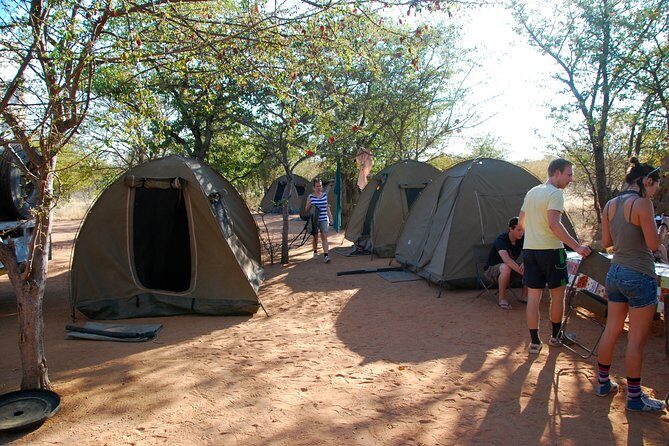
This safari is sold as stress-free, and a lot of the stress really does get removed. You’re not booking your own sleeping arrangements night by night, and you get tents, mattresses, and camping equipment. There’s also a sleeping bag option if needed, so you should think about your own cold tolerance.
Here’s the key: your comfort level will be similar to other camping safaris, not a hotel. Bathrooms are shared with other travelers staying at the campsites. That’s not a deal-breaker, but it’s the kind of detail that changes what to pack—especially if you need privacy or you’re sensitive to shared facilities.
What I’d bring for a smoother camping safari:
- A headlamp or small flashlight for tent-to-bathroom walks at night
- Dry bag or waterproof cover for electronics and chargers
- Earplugs if you’re a light sleeper
- A warm layer for early morning and crater breezes
- Basic toiletries and hand sanitizer (shared bathroom setups can vary)
The package also includes meals: breakfast, lunch, and dinner, plus water is mentioned in the included items. Since there’s also a line item that lists bottled water under not-included, I’d simply double-check what’s included in your final confirmation so you’re not surprised at the end of a long day.
The Vehicle Setup: Why the 4×4 Pop-Up Roof Matters
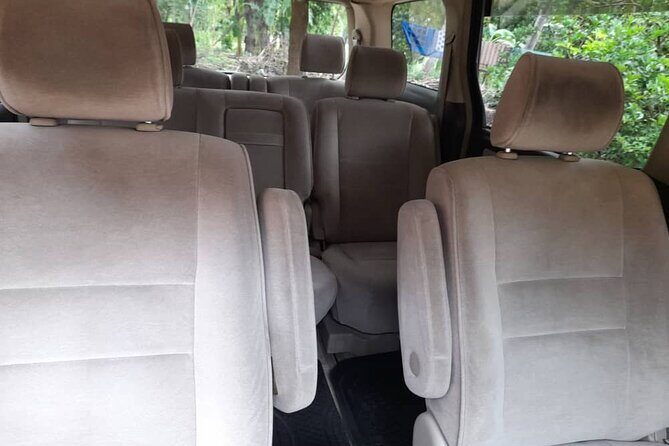
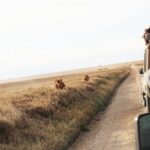
This is not a small sedan-style “look out the window” safari. You’re in a Toyota Land Cruiser 4×4 with a pop-up roof and six window seats plus power adapters. That roof is a big deal because it lets you shoot photos, watch behavior, and track animals without awkward posture.
Six window seats also matters when the group is active. It helps keep viewing organized so you’re not constantly blocking each other with elbows, cameras, or long lenses.
And because the vehicle is built for off-road driving, you can expect wildlife access that stays realistic even when tracks get rough. That doesn’t mean comfort is identical every minute, but it does mean you’re more likely to reach the viewing spots your guide is aiming for.
Price and Logistics: Where the Money Goes (and Why It’s Not Just a Low Number)
Let’s talk value, not just cost. The price is $1,745.56 per person, and what makes it feel reasonable is the package includes:
- All fees and taxes
- A safari cook plus guide wages
- Meals (breakfast, lunch, dinner)
- Camping gear and overnight tents/mattresses
- A Toyota Land Cruiser 4×4 with pop-up roof
- Airport pick-up and drop-off, plus lodge/hotel nights before and after the safari
A budget safari can go wrong when you pay for everything twice—first in the quote, then again on the ground. Here, the included list is doing more of the heavy lifting. That said, there are exclusions you should plan for: visas, flights, travel and health insurance, gratuities, and health requirements like Yellow Fever vaccination if it’s required for your travel timeline.
Also note the cancellation rule is strict: full refund only if you cancel at least 3 full days in advance. If your plans are uncertain, keep that in mind before you lock it in.
Finally, consider the “real” cost you’ll pay during the safari: tipping, small personal purchases, and anything you forgot to pack. The better you prep, the less likely this turns from a value win into a budget headache.
Wildlife Reality Check: What You Can Hope to See
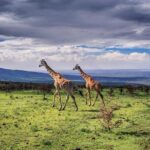
You’ll see a lot, but you should expect the usual safari truth: animals move, light changes, and predators don’t schedule appointments. That said, the structure of this route is built for variety.
- Tarangire is ideal for elephants and other big animals drawn to water and swamps during dry periods.
- Serengeti gives you the best shot at seeing the migration and the predator activity that follows feeding and movement.
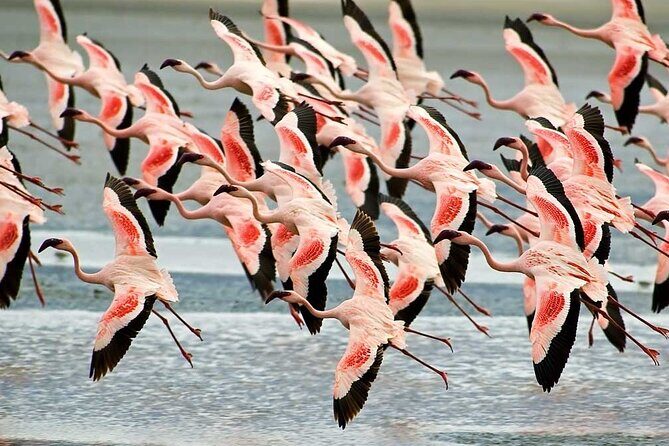
- Ngorongoro compresses a wide mix of species into a crater system and adds the possibility of black rhino, plus a strong predator scene.
I’d also recommend you get excited about the details, not just the photos. In safari terms, success often looks like understanding why animals are where they are—water, cover, movement routes—not only counting species.
Guide Quality: What to Ask Before You Go
I can’t guarantee who your driver-guide will be, but names tied to this operator include Jonathan, Emmanuel, Frazier, Cathrin, and Shirima. People also talk about strong spotting skills and good English, plus being punctual and attentive to both animals and the group.
If you want the smoothest experience, ask these practical questions before payment:
- Who will be my guide/driver?
- How do you handle sunrise drives (timing, coffee/food setup)?
- What’s the current best strategy for seeing migration herds this week?
- What’s included regarding bottled water on my specific departure?
That’s how you turn a budget safari into a “well run” safari.
Should You Book This 4-Day Basic Safari?
Book it if you want high wildlife time with organized meals, a strong vehicle setup, and a route that covers Tarangire, Serengeti, and Ngorongoro without making you plan every night and every meal. It’s a good match for first-timers who want to learn the safari rhythm quickly, and for couples or small groups who like the adventure side of camping.
Consider another style if you need hotel-level privacy, prefer private bathrooms, or get uncomfortable with long driving days. Also, if you’re very heat-sensitive, long open viewing drives can be tiring—pack smart and plan for sunrise mornings.
If you’re flexible, realistic, and ready for an outdoorsy camping feel, this is one of those safaris where the value is in the way it saves you mental load while still putting you in the right places at the right times.
FAQ
How long is the safari and where does it start and end?
The safari is listed as about 4 days and starts in Arusha, Tanzania. It ends back at the meeting point in Arusha.
Is airport pickup included?
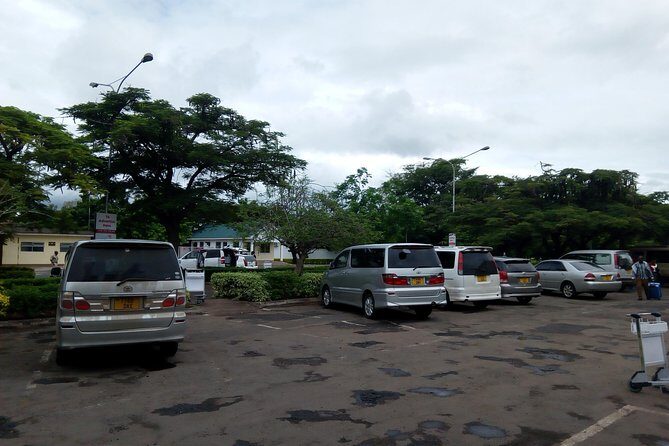
Yes. The package includes airport transfer/pick up and drop off.
What parks and areas are visited?
The described route includes Tarangire National Park, Serengeti National Park, and the Ngorongoro Conservation Area (including a descent into the crater floor).
What kind of vehicle is used for game drives?
You travel in a Toyota Land Cruiser 4×4 Safari vehicle with a pop-up roof, six window seats, and power adapters.
What are sleeping arrangements like and what meals are included?
Overnights are in tents with mattresses and camping equipment. Meals include breakfast, lunch, and dinner, and bottled water is listed in the included items—so check your confirmation for your exact departure.
Do I need Yellow Fever vaccination?
Yellow Fever vaccination is listed as compulsory if traveling to Tanzania, so plan to confirm requirements for your specific travel situation.