REVIEW · ARUSHA
Arusha: 4-Day Serengeti Tour with Lodging, Safaris & Meals
Book on GetYourGuide →Operated by Wildlife Experience Tanzania · Bookable on GetYourGuide
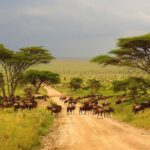
Serengeti feels bigger when you’re in 4WD. On this private Arusha safari, you get pop-off roof game drives and a strong focus on big wildlife moments, guided by an experienced English-speaking driver-guide. The schedule is intensive—plan for long driving and early starts most days.
I like how the days are built for wildlife, not just travel time. You’ll do a late-afternoon drive on Day 1, then both morning and afternoon drives on Day 2, and finally a crater day that targets the Ngorongoro caldera from rim down to the hippo pool. One consideration: if you’re hoping for lots of downtime, this tour isn’t built for that.
You’ll also get practical comfort details that make a big difference on safari: unlimited mineral water daily, soft drinks, and private transport so you’re not stuck waiting for other people. Your two key overnights are Serengeti Kisura Luxury Camp and Rhino Lodge on the crater rim, which helps keep the crater experience smooth.
In This Review
- Key Things That Make This Safari Work
- Private 4WD Safari From Arusha: How the Day Starts
- Day 1 to Serengeti Kisura Luxury Camp: En Route Drives and Optional Stops
- Day 2 Full-Day Serengeti: Two Drives for Real Game-Spotting Odds
- Day 3 Serengeti to Ngorongoro Rim: Picnic Lunch and a Crater-Ready Night
- Day 4 Ngorongoro Crater: Descent, Hippo Pool Picnic, and Black Rhino Territory
- Lodging and Meals: Where Comfort Actually Helps
- Price and Value: What You’re Really Paying For
- How the Guide Makes the Difference
- Who This Safari Fits Best (and Who Might Prefer Something Else)
- Final Call: Should You Book This 4-Day Serengeti + Ngorongoro Safari?
- FAQ
- What’s included in the safari price?
- Are park entry fees included?
- What vehicle do you use for the game drives?
- Do you stop at Olduvai Gorge or a Maasai Village?
- Where do you stay overnight?
- What meals are provided during the safari?
- What time do you return to Arusha on the last day?
Key Things That Make This Safari Work
- Pop-off roof Land Cruisers for easier spotting and better photos during drives
- Two Serengeti game drives on Day 2 for more chances at predators and big herds
- Optional Olduvai Gorge and Maasai Village stop on Day 1 if you want culture along the way
- Rhino Lodge on the rim so Day 4 starts early for the crater descent
- Hippo pool picnic on Day 4 inside the unbroken caldera wildlife zone
- Unlimited mineral water and soft drinks included each day
Private 4WD Safari From Arusha: How the Day Starts
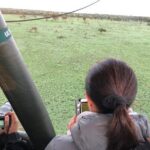
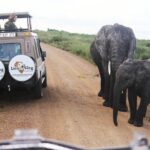
This tour is private from the start. You’ll get picked up from your hotel or home and travel in a private Land Cruiser (4WD) with pop-off roof, which is exactly what you want when animals pop up where you didn’t expect them.
The driver-guide is English-speaking, and the vehicle setup is designed for game viewing, with the roof opening so you can see, shoot, and react fast. You’ll also have unlimited mineral water per day plus soft drinks, which keeps the long days more comfortable than you might expect.
Timing matters here. Approx transit time is about 4 hours on Day 1 and 3 hours on Day 3 and Day 4 back to Arusha, so you’ll be spending real time on the road—just in the best place possible, with eyes out for wildlife on the way.
A few more Arusha tours and experiences worth a look
Day 1 to Serengeti Kisura Luxury Camp: En Route Drives and Optional Stops
Day 1 is built around movement and early positioning. You depart Arusha for Serengeti National Park, with a game drive en route and a late-afternoon drive once you’re in the area. If you want extra stops, you can add an optional Olduvai Gorge visit and/or a Maasai Village on the way.
After the late drive, you’ll have dinner and sleep at Serengeti Kisura Luxury Camp. The meal plan for the day is (L, D), so you’re covered once you’re underway.
Why this first day is smart: you’re not waiting until the next morning to start seeing animals. The en-route drive and the late-afternoon session give you that first hit of Serengeti—often when animals are more active and the light is gentler for spotting.
Practical note: optional stops can shift the feel of the day. If you’re laser-focused on wildlife only, you can keep it simple and treat those stops as extras rather than must-dos.
Day 2 Full-Day Serengeti: Two Drives for Real Game-Spotting Odds
Day 2 is your big Serengeti day. You’ll do a morning game drive and an afternoon game drive, then return to your lodge or tented camp for dinner and overnight.
You’re on a full meal plan of (B, L, D). That matters on safari because the long stretches between drives can wear you down, and having everything handled keeps you focused on what’s outside the window.
This is also where your driver-guide’s skill really shows. In Serengeti, animals don’t follow schedules, so the advantage comes from knowing where to look and when to shift. A strong guide can mean the difference between seeing scattered sightings and having a more complete day.
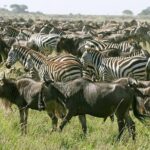
One small reality check: the exact animals you see can’t be guaranteed. But having two drives in different parts of the day is the best way to increase your odds—especially for predators and large grazing herds that change where they hang out.
Day 3 Serengeti to Ngorongoro Rim: Picnic Lunch and a Crater-Ready Night
Day 3 transitions you from Serengeti to the crater zone. After breakfast, you set off with a morning game drive, and then you depart Serengeti for Ngorongoro. Along the route, you’ll stop for a picnic lunch, then continue to your overnight on the rim.
Dinner and overnight are at Rhino Lodge, located on the crater rim. The meal plan is (B, L, D), and the approximate transit time is 3 hours.
Why staying on the rim matters: Day 4 starts early. Being positioned close to the crater means less time wasted before the descent and more time inside the caldera for viewing. It also makes the day feel more efficient—less rushing, more actual safari time.
Also, if you’re the type who likes planning your photos, the crater rim lodging gives you a calmer moment to reset before the big descent day.
Day 4 Ngorongoro Crater: Descent, Hippo Pool Picnic, and Black Rhino Territory
Day 4 is the payoff day. After an early breakfast, you descend into the crater for a crater tour and game viewing. You’ll also have a picnic lunch at the hippo pool site, timed so you can enjoy both wildlife and the vegetation inside the caldera.
This is the part of the itinerary that leans hardest into scale. The Ngorongoro caldera is described as home for almost 30,000 animals, including the last remaining Black Rhinos. Seeing rhinos is not something you can treat like a ticketed event, but the fact that the crater is part of that conservation zone is a huge reason people plan Ngorongoro in particular.
After the crater experience, you drive back to Arusha, arriving at about 5:00 PM. Then you’ll transfer to your designated hotel or the airport.
What I like about how this day is structured: you’re not just passing through. You’re spending time inside the crater during the main viewing window and eating right at the hippo pool area, so you get that special “we’re in it” feeling without needing to scramble for food or sight breaks.
Lodging and Meals: Where Comfort Actually Helps
Safari comfort isn’t about luxury for its own sake. It’s about getting enough rest and good meals so you’re alert during drives.
In this itinerary, you’re getting full board accommodation fees and all meals as per the itinerary. Unlimited mineral water is included daily, and soft drinks are also provided. Alcohol and personal items are not included, so plan on paying for that separately if it’s part of your routine.
Both lodges named here are part of the experience. Serengeti Kisura Luxury Camp anchors your Serengeti nights, and Rhino Lodge anchors your crater-rim night. The food quality is a strong point at Rhino Lodge, and that’s the kind of detail that makes a day feel less tiring after a long driving schedule.
If you’re the type who hates going to bed hungry, this is one of the reasons the tour feels good on paper. You’re not guessing where to eat or how to time meals around game drives. It’s built in.
One gear note: the tour information says to bring a sleeping bag for campers only. Since the named nights are at established camps/lodges, you may not need it, but still check how you’re accommodated.
Price and Value: What You’re Really Paying For
The price is listed as $2,070 per person. On safari, the real question isn’t just the number—it’s what’s bundled into it.
Here, the tour includes park entry and full board accommodation fees, private transport in Land Cruisers with pop-off roof, game viewing and sightseeing, an English-speaking driver-guide, and all meals. It also includes unlimited mineral water per day and soft drinks.
That combination is valuable because it removes a bunch of decision-making. You don’t have to manage separate tickets for park access, arrange transport, or coordinate meal stops while you’re busy spotting animals.
What’s not included is also clear: alcohol and personal items, sleeping bags for campers only, and airport transfers. Plus, you cover accommodation and meals in Arusha before and after the safari.
So who gets the best value? If you want a private safari that’s organized end-to-end—especially with a vehicle designed for viewing—this pricing usually makes sense. If you’re trying to keep costs ultra-low and you’re fine with less structure, you might compare alternatives, but you’d likely give up comfort and time savings.
How the Guide Makes the Difference
On this kind of safari, your sightings often come down to your guide’s ability to read the park. The experiences from people who did this tour line up with a simple theme: guides who know how to position the vehicle and interpret animal movement can turn a good day into a great one.
For example, one driver named Abdul was credited with making sure the big wildlife moments didn’t slip away, with strong knowledge of roads and animals. Another guide named Vincent was praised for spotting many animals from far away and keeping the trip well organized and on time.
You don’t control where wildlife goes. You do control how fast you can get to where wildlife is likely to be—and that’s the advantage of an experienced driver-guide working for your group.
Who This Safari Fits Best (and Who Might Prefer Something Else)
This tour fits best if you want a wildlife-heavy itinerary with minimal dead time. You’ll be doing game drives most days, including two drives in Serengeti and a full crater day with a rim-to-crater descent.
It also suits you if you care about being in a 4WD safari Jeep with a viewing-focused setup. The pop-off roof detail matters more than people expect, especially when animals are close or when you need quick access to a good angle.
The main mismatch is pace. One important consideration is that this safari is very intensive, with long days that can run around 12 hours almost each day. If you’re hoping for a slow travel rhythm, this might feel like too much.
If you’re traveling as a couple or with friends who want to maximize sightings and don’t mind being on safari-style time, this works well.
Final Call: Should You Book This 4-Day Serengeti + Ngorongoro Safari?
I’d book this if your top goal is time-efficient wildlife viewing with comfortable, handled logistics. The pairing of Serengeti (two full viewing drives) plus Ngorongoro (a crater day with hippo pool picnic and black rhino territory) is a strong one-two punch.
I’d think twice if you’re easily worn out by long days and constant movement. This isn’t a “sit back and watch a little” tour—it’s an active safari with big-country distances and early starts.
If you want the best odds without adding extra planning on your side, this itinerary is built for that. Just go in knowing it’s an intense 4 days, and you’ll likely come away happy you committed.
FAQ
What’s included in the safari price?
The tour includes park entry fees, full board accommodation fees, private transport in Land Cruisers with pop-off roof, game viewing and sightseeing, an English-speaking driver-guide, all meals as per the itinerary, unlimited mineral water per day, and soft drinks.
Are park entry fees included?
Yes. All park entry and full board accommodation fees are included.
What vehicle do you use for the game drives?
You travel in private Land Cruisers with pop-off roofs, designed for game viewing, including for 4WD safari driving.
Do you stop at Olduvai Gorge or a Maasai Village?
Both are optional on Day 1 during the drive toward Serengeti. You can choose Olduvai Gorge and/or a Maasai Village on the way.
Where do you stay overnight?
You stay at Serengeti Kisura Luxury Camp for the first night, and on the Ngorongoro rim at Rhino Lodge for another night. For Day 2, you return to the lodge or tented camp for dinner and overnight.
What meals are provided during the safari?
Meals follow the itinerary. Day 1 includes lunch and dinner (L, D), Day 2 includes breakfast, lunch, and dinner (B, L, D), Day 3 includes breakfast, lunch, and dinner (B, L, D), and Day 4 includes breakfast and lunch (B, L).
What time do you return to Arusha on the last day?
You drive back to Arusha and arrive at about 5:00 PM, then transfer to your designated hotel or the airport.