REVIEW · ARUSHA
Affordable 4 Days Tanzania Private Mid-range Lodge Safari Tour
Book on Viator →Operated by Tanzania Serengeti Safaris · Bookable on Viator
Safari mornings start early here. This 4-day private tour is built for value while still giving you real wildlife time in Serengeti and Ngorongoro. I like that it’s a true private setup from Arusha, with a professional guide and transport taking you between the main areas without extra hassle. I also like the shape of the days: early game drives plus at least one full day in Central Serengeti, then the crater day where you can look for the Big Five. One thing to consider: you’ll be up for an early start (7:00 am meet time) and the days run long, so you’ll want to be comfortable with long drives.
If you care about seeing predators and herbivores in the same trip, this route makes sense because Central Serengeti is timed for animal activity, and Ngorongoro rewards you with concentrated viewing from the crater floor. You’ll also get included meals across the safari days, which matters when you’re budgeting time and energy. Just keep in mind the price is per person, and tips and your flights are not included, so plan your total budget before you lock it in.
In This Review
- Key things I’d focus on before you book
- Why this 4-day Serengeti + Ngorongoro safari is built for value
- Day 1: Arusha to Serengeti for an afternoon game drive
- Day 2: A full Central Serengeti day, including a wild picnic lunch
- Day 3: The switch from Serengeti to Ngorongoro rim, with crater views at night
- Day 4: Ngorongoro Crater floor for Big Five chances and hippo pool lunch
- Lodges, included meals, and what “mid-range” usually means here
- Wildlife viewing: how to get the most out of each drive
- Price and what to budget beyond $1,781
- Who this safari suits best
- How the crew handles real-life problems
- Should you book this 4-day private Serengeti and Ngorongoro safari?
- FAQ
- Where does the tour start and end?
- What time does the safari begin?
- Is this tour private or shared?
- What is included in the price?
- Are park entrance tickets included?
- If plans change, can I get a refund?
Key things I’d focus on before you book
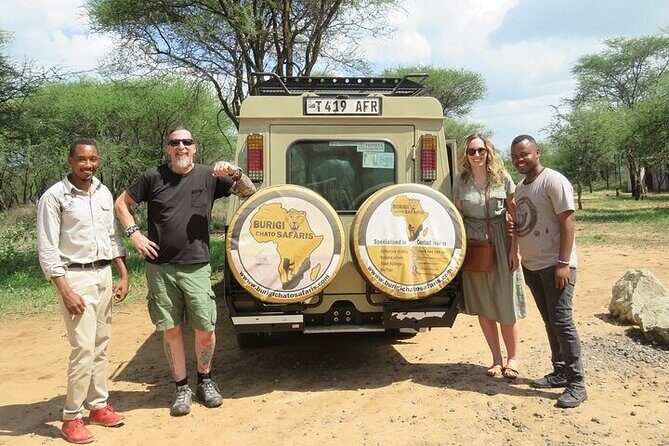
- Private transfer and guiding: you’re not hopping between strangers.
- Central Serengeti schedule: one full wildlife day plus additional drives.
- Ngorongoro crater day: early descent for the best crater-floor viewing.
- Meals included: breakfast, lunch, dinner are covered during the safari.
- Admission ticket is listed as free: park entry is handled for you on the days provided.
- Arusha round-trip: starts and ends at Shoppers Supermarket.
Why this 4-day Serengeti + Ngorongoro safari is built for value
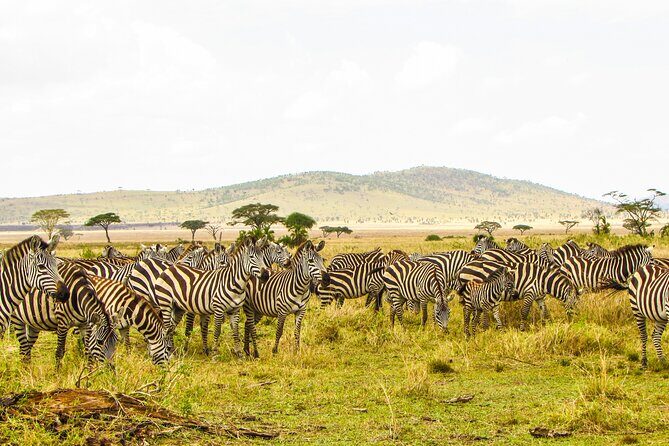
At $1,781 per person, this kind of private mid-range safari can feel like a bargain because it bundles the big-cost pieces people usually forget to price: transport between areas, a professional guide, and accommodations during the safari. The biggest “value lever” here is time: you spend multiple drives in Central Serengeti rather than rushing through it. Then you get a dedicated Ngorongoro crater day, which is one of the easiest places in Tanzania to spot a lot of wildlife without constantly changing locations.
You also get a clean start and end point in Arusha. The tour meets at Shoppers Supermarket in Arusha at 7:00 am, and it ends back at the meeting point. That might sound minor, but it removes a lot of guesswork when you’re tired from arriving in-country.
One more small but important detail: the tour is listed as private, meaning only your group participates. If you’ve ever been stuck sharing a vehicle with mismatched schedules, you’ll appreciate this setup. And if you’re doing Tanzania for the first time, private guiding tends to pay off because the guide can explain what you’re seeing as you see it, not after.
You can also read our reviews of more private tours in Arusha
Day 1: Arusha to Serengeti for an afternoon game drive
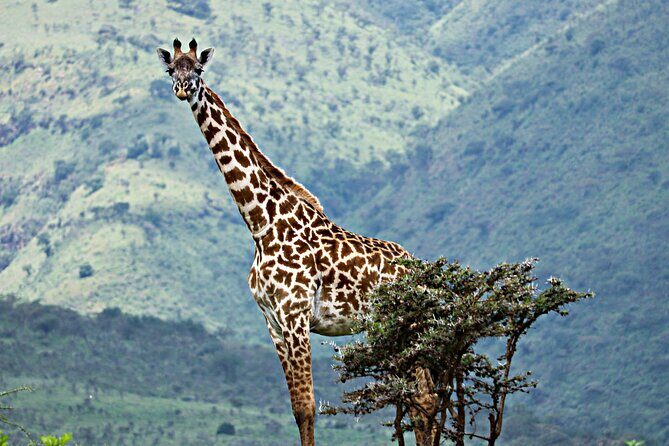
You start in Arusha and head out toward the Serengeti National Park, traveling through the Ngorongoro Conservation Area along the way. You’re not just driving to waste time; the drive itself is part of the experience, with chances to spot wildlife en route and settle into the rhythm of safari life.
By afternoon you arrive at Central Serengeti (Seronera) and jump into a game drive looking for predators and large animals: lions, leopards, elephants, and more. The afternoon timing isn’t as peak as early morning, but it’s still valuable—especially when you’re looking for animals that move and call throughout the day. You’ll also get your first taste of Serengeti’s open viewing: long sight lines from the vehicle help you scan quickly and not miss activity happening just beyond the road.
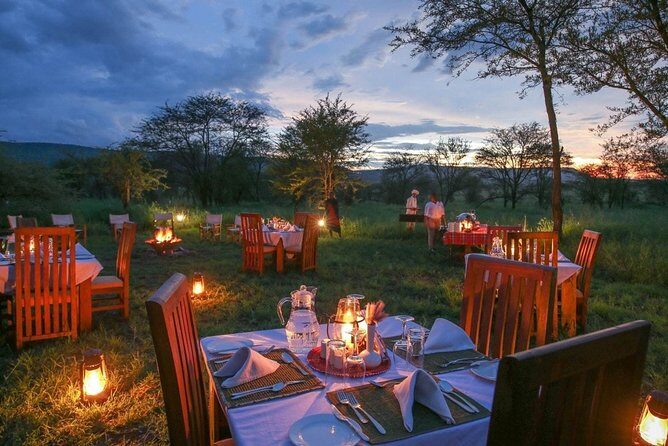
That night you head to your accommodation and dinner, then relax under the stars. The included dinners matter on day one because you won’t be searching for food after a travel-heavy day.
Practical note: because day one is an afternoon drive, don’t expect a full-day “starter pack” of every species. The payoff comes on the next day when you get more time on the ground.
Day 2: A full Central Serengeti day, including a wild picnic lunch
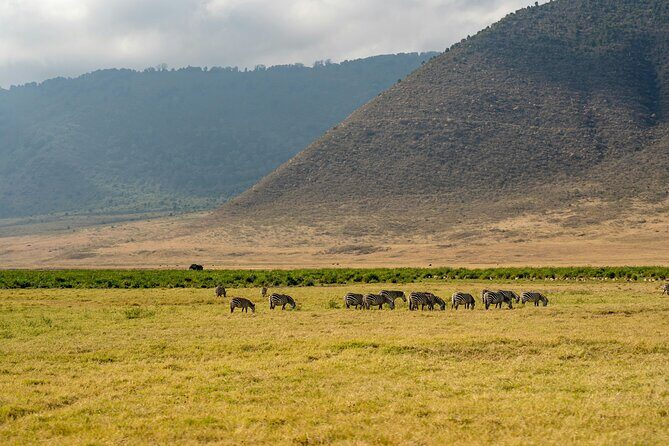
This is the day I’d circle on your calendar. You spend the day exploring Central Serengeti, which is one of Tanzania’s best wildlife viewing areas because it supports lots of animals and frequent sightings. You start early with a game drive when animals are most active. That early timing is what increases your odds of seeing predators in motion and herds moving—day two is where “more time + better timing” does the heavy lifting.
You then break for a picnic lunch in the wild. This is one of those safari details that sounds simple until you’re actually doing it: you eat while still surrounded by the environment, not while sitting in a hotel lounge pretending you’re on vacation. It also gives you a natural reset before the next game drive.
In the afternoon you continue driving and scanning for wildlife interactions—predators hunting, grazers moving, and the constant background drama that makes Serengeti feel alive. Then you return for dinner and rest.
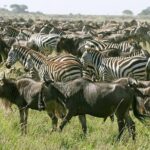
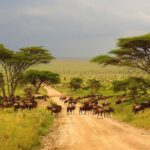
If you’re hoping for a chance to see the Great Wildebeest Migration, Serengeti is where the story starts. This tour is designed around that idea, but keep expectations practical: migration visibility depends on the season and where animals are at that time. What you can count on is strong wildlife viewing in Central Serengeti across a schedule like this.
Day 3: The switch from Serengeti to Ngorongoro rim, with crater views at night
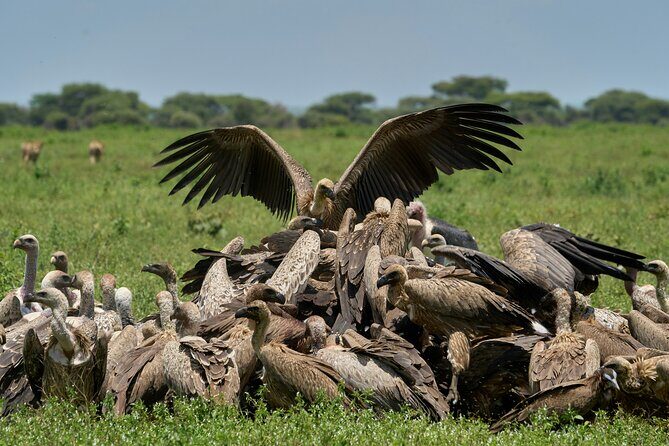
Day three keeps the rhythm going but changes the setting. You begin with a half-day game drive in Central Serengeti—your last chance to really hunt for sightings there. This is a smart choice because it doesn’t “end” Serengeti too abruptly. If you missed something on day one or two, there’s still time.
Then you drive toward the Ngorongoro Conservation Area and Ngorongoro Crater Rim. You’ll set up for the night near the rim and get a chance to take in the views of the crater. That matters because crater day is early and intense; having time the evening before to see the scale helps everything click. It’s much easier to appreciate the descent when you’ve already looked down and understood the terrain.
You’ll have dinner and relax, knowing the next day is the big one: going down into the crater floor for a full day of concentrated wildlife viewing.
Day 4: Ngorongoro Crater floor for Big Five chances and hippo pool lunch
The crater day starts early and includes the descent into Ngorongoro Crater, which is listed as a wildlife paradise and, importantly, a place where you can look for the Big Five. This is where the safari shifts from “wide open searching” to “watch the ground game close up.” On the crater floor, wildlife can be easier to track because the geography funnels movement into visible areas.
You spend the day exploring the crater floor with game drives and looking for lions, elephants, rhinos, buffalos, and hippos in their natural habitat. Not every sighting is guaranteed, but the crater is famous for consistent viewing, and a full day there is what gives you realistic odds.
For lunch, you stop by the hippo pool for a picnic lunch. That location choice is practical and memorable—hippos are loud and obvious if you’re looking in the right places, and being near water changes what you notice during the drive.
After lunch and more crater viewing, you ascend back to the rim and then drive back to Arusha, arriving in the evening.
A few more Arusha tours and experiences worth a look
Lodges, included meals, and what “mid-range” usually means here
This tour includes accommodation during the safari and breakfasts, lunches, and dinners (breakfast is listed as 3, lunch as 4, and dinner as 3). That’s a big deal in Tanzania because meal planning can otherwise eat up time and money. It also keeps your game drives smoother—no hunting for food at the wrong time.
The tour also uses the phrase private mid-range lodge safari, which typically means you’re not in a bare-bones setup. The information you provided points to staying in camps/lodges during the safari, with downtime built around your wildlife schedule. You’ll want to pack for the real range of conditions: mornings can be cool when you’re heading out early, then it warms up during drives.
One small caution: since accommodations before and after the safari are not included, make sure you already have a plan for your first night and your last night in Arusha. If you’re arriving on day before pickup, book that stay separately.
Wildlife viewing: how to get the most out of each drive
Game drives can feel similar until you learn how to watch. Here’s how I’d approach this specific route.
On your Serengeti days, prioritize scanning for movement and listening for activity. Predators often show up because something else is happening—calls, sudden stops, herds shifting. On a full day, you can afford to slow down your scanning and get good at it.
On Ngorongoro crater day, the biggest skill is patience. You’re likely to see animals at varying distances, and water and grazing patterns can tell you where activity will be next. The hippo pool lunch is a built-in cue that the day’s pacing will revolve around water and animals that depend on it.
Also, plan for wildlife viewing reality: you may see many animals on one drive and fewer on another. The schedule helps because it spreads your chances across several drives rather than relying on one “miracle hour.”
Price and what to budget beyond $1,781
Let’s talk value in a way that helps you avoid surprises.
Your listed price is $1,781 per person for a 4-day private safari package. What you’re getting that makes it feel like good value is the bundle: professional guide, private transfer to safari areas, safari accommodation, meals, and admission ticket coverage noted for the park days.
What you should budget separately:
- Flights to/from Tanzania
- Visas
- Tipping the crew
- Personal needs
- Accommodation before and after the safari
The tipping part is easy to forget, and it’s also the most variable. Since it’s not included, plan to add it to your total budget rather than assuming it’s “built in.”
If you’re comparing options, also watch the difference between private vs shared and between “4 days” that actually include meaningful driving vs ones that just wrap a timetable around transfers. Here, the days are structured around both Serengeti viewing and the crater day, not just transit.
Who this safari suits best
This tour is a strong fit if you want:
- A private safari starting and ending in Arusha
- Time in Central Serengeti on more than one day
- A dedicated, full day in Ngorongoro Crater for concentrated viewing
- Included meals and accommodations during the safari
It also suits first-time visitors because the route hits two major Tanzania highlights in a short window. And because it’s described as most travelers can participate and it’s near public transportation, you’re unlikely to run into overly complicated logistics if you’re staying in Arusha.
If you hate early starts or you need everything to be ultra-relaxed, this may feel busy. The 7:00 am meet time and long safari days mean you’ll trade late mornings for wildlife time.
How the crew handles real-life problems
One of the best signs from past experiences is professionalism under stress. One guest shared that they fell ill the night before departure, and the safari team was accommodating and responsive, adjusting to the situation so the safari could proceed as smoothly as possible. That doesn’t mean everything is controllable in a wild place—but it does suggest the operator is used to handling human problems, not just animal sightings.
That matters because Tanzania can be unpredictable, and the difference between a rough day and a manageable one often comes down to how calm and organized the team stays.
Should you book this 4-day private Serengeti and Ngorongoro safari?
If you want a private safari that hits the biggest wildlife zones with enough time to matter, I’d say yes. The value comes from the mix: multiple Serengeti drives plus a real crater day, with transport, guiding, accommodation, and meals handled for you.
I’d think twice only if you’re not a morning person or you’re trying to keep the trip very low-stress. Also, note the cancellation terms are strict: it’s non-refundable and cannot be changed for any reason. So book only when your dates are firm.
FAQ
Where does the tour start and end?
The tour starts at Shoppers Supermarket in Arusha, Tanzania, and it ends back at the same meeting point.
What time does the safari begin?
The start time is 7:00 am.
Is this tour private or shared?
It’s a private tour/activity, so only your group will participate.
What is included in the price?
Included are a professional guide, private transfer to the area of activities, accommodation during the safari, and meals (breakfasts, lunches, and dinners as listed).
Are park entrance tickets included?
The schedule lists admission ticket as free for the safari days included in the trip.
If plans change, can I get a refund?
No. The experience is non-refundable and cannot be changed for any reason. If you cancel or ask for an amendment, the amount you paid will not be refunded.
If you tell me your travel month (or just the season), I can help you set realistic expectations for what you’re most likely to see in Serengeti and Ngorongoro during that time.