REVIEW · MOSHI
8 Days Mt Kilimanjaro Climb – Lemosho Route
Book on Viator →Operated by KITONGA TOURS AND SAFARIS CO.LIMITED · Bookable on Viator
Kilimanjaro tests your body, then rewards your mind. This 8 days Lemosho climb from Moshi to Uhuru Peak is built around slow progress and real support. What I like most is the licensed, Tanzania-registered team and the focused guiding that keeps you moving with purpose, not panic.
I also like the practical structure: private 2-way airport transfers and meals included on the mountain, so you spend less time juggling logistics. One consideration: the schedule includes long summit-day hours, and day lengths vary, so you’ll want to be honest with yourself about pacing and stamina.
In This Review
- Key things to know before you go
- Moshi base, private airport transfers, and that first night calm
- Price and value: what $2,950 includes (and what it doesn’t)
- Lemosho route rhythm: how the 10-day plan actually moves you
- Day 1: Arrival and first rest (airport to lodge)
- Day 2: Start moving toward Uhuru Peak (about 7km / 4.3mi)
- Day 3: Valleys and a longer day (about 8.5km / 5.3mi)
- Day 4: Another mid-range effort (about 8km / 5mi)
- Day 5: One of the longer stretches (about 10km / 6.2mi)
- Day 6: Shorter day, reset your legs (about 5.5km / 3.4mi)
- Day 7: A very short push (about 3km / 1.9mi)
- Day 8: Summit day to Uhuru Peak (about 16.4km / 9.6mi, up to 15 hours)
- Guides, names you’ll remember, and why the human part counts
- Summit day mindset: what to do with the 15-hour reality
- After the peak: Moshi time and getting home without stress
- Who this trip is best for (and who should think twice)
- Weather and decision-making: what the plan does when conditions change
- Quick, practical checklist for getting the most out of this plan
- Should you book this Lemosho climb with KITONGA TOURS AND SAFARIS CO.LIMITED?
- FAQ
- Where does this Kilimanjaro tour start and end?
- Is airport pickup included?
- What’s included in the price?
- What isn’t included?
- How does the tour handle weather changes?
- Is this a private climb or shared with other groups?
Key things to know before you go
- Licensed and Tanzania-registered operator: KITONGA TOURS AND SAFARIS CO.LIMITED works as a licensed tour company.
- Lemosho Route with an Uhuru Peak summit goal: the climb is designed around reaching Uhuru Peak.
- Meals and essential fees included: park, camping, and rescue fees plus 3 meals daily on the mountain.
- Private feel: it’s listed as a private tour/activity, with only your group participating.
- Guides make the difference: past climbers highlighted guides like Stanley and Ombenio for strong support and drive.
Moshi base, private airport transfers, and that first night calm
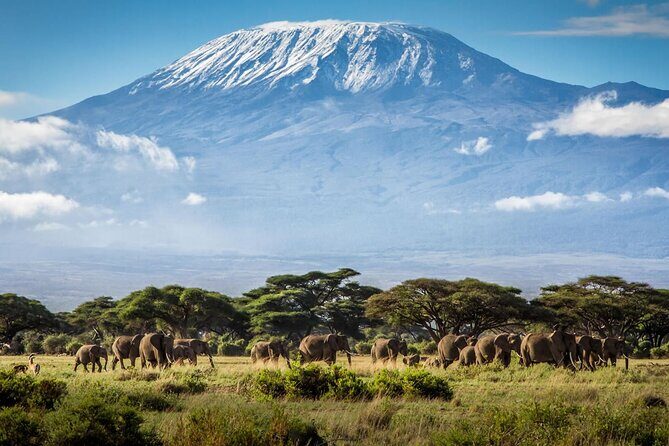
Your trip starts in Moshi, Tanzania, which is the usual “front door” for Kilimanjaro climbs. On Day 1, you’re picked up from the airport and taken to a lodge for rest. The day is listed as about 12 hours, and it’s set up on a bed & breakfast basis—so you’re not immediately dropped onto a steep plan with no recovery time.
That first day matters more than people think. Kilimanjaro is not just hiking; it’s an altitude and rhythm game. A calm arrival day helps you get your bearings fast: eat something simple, sleep, and confirm you have what you need for the climb ahead (especially if you’re arriving with gear you’re still figuring out).
This is also where the trip’s “private tour” setup shows up. You’re not sharing your timing with a big bus of strangers. You’re moving as your group, and that makes pickup and coordination less chaotic. If you’re the kind of traveler who hates waiting around, you’ll probably appreciate the straightforward 2-way private airport transfer included in the package.
You can also read our reviews of more tours and experiences in Moshi.

Price and value: what $2,950 includes (and what it doesn’t)
At $2,950 per person, the big question is whether you’re paying for “marketing” or for the essentials that actually cost money on a mountain expedition.
Here’s what’s included in the price:
- Park, camping & rescue fees (2-way, included in the package)
- Private airport transfers
- 3 meals daily while on the mountain
- Admission ticket included for the mountain days (listed for Days 1–8)
- Breakfast appears as included on the itinerary (it’s listed as Breakfast (10))
What’s not included:
- Tanzania visa
- Tips
- Items of a personal nature
In plain terms, you’re not just buying guided hiking time. You’re paying for the mountain system: park fees, camping logistics, and rescue coverage. For many people, that’s the difference between an “expensive dream” and a trip that feels workable when reality hits.
Also, you should think about value as risk reduction. When key basics are covered (meals, rescue fees, transfers), you spend less energy managing gaps. That matters on Kilimanjaro, where small stress piles up quickly.
One note to keep you prepared: because tips and personal items aren’t included, budget for those. And since the visa isn’t included, you’ll want to handle that separately before you travel.
Lemosho route rhythm: how the 10-day plan actually moves you
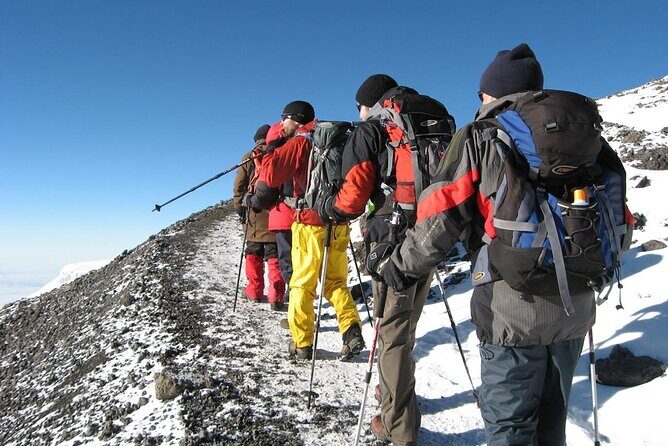
The climb portion is listed as Days 1–8, with Day 9 in Moshi, and Day 10 for the airport. So even though it’s called an 8 Days Mt Kilimanjaro Climb, your full trip runs about 10 days end-to-end.
The day-by-day plan uses distance and time to manage your pacing. Here’s how it reads, and what each part is likely doing for you:
Day 1: Arrival and first rest (airport to lodge)
You’re picked up from the airport and taken to a lodge to rest. It’s bed & breakfast, and the day is about 12 hours. This is your adjustment window, not your training day.
What you should expect: a smoother start, with time to sleep, eat, and organize yourself for the next day’s slow movement.
Possible drawback: you might feel restless after travel. Plan for downtime. Kilimanjaro doesn’t reward rushing.
Day 2: Start moving toward Uhuru Peak (about 7km / 4.3mi)
Distance: 7km / 4.3mi, time about 4 hours. The itinerary notes you’ll start moving “slowly” while enjoying the mountain.
This kind of early day is about beginning the rhythm. Not “push hard,” but “learn your pace.”
Day 3: Valleys and a longer day (about 8.5km / 5.3mi)
Distance: 8.5km / 5.3mi, time about 7 hours. The plan calls out good valleys by your sides, which hints at varied terrain and continued acclimatization work.
If you’re new to altitude trekking, this is where you’ll feel the difference between hiking fitness and altitude comfort. A day like this is a check-in: Are you walking at a pace you can sustain?
Day 4: Another mid-range effort (about 8km / 5mi)
Distance: 8km / 5mi, time about 5 hours. This is a slightly shorter day than Day 3, which can help your body recover without feeling like you’re stuck.
For many hikers, those “in-between” days are what make the overall plan feel manageable.
Day 5: One of the longer stretches (about 10km / 6.2mi)
Distance: 10km / 6.2mi, time about 7 hours. This is a solid effort day in the middle of the route.
If you want a summit bid, you generally need consistency, not hero days. A planned longer day mid-route can support that goal—if you keep your pace controlled.
Day 6: Shorter day, reset your legs (about 5.5km / 3.4mi)
Distance: 5.5km / 3.4mi, time about 5 hours. Shorter distance usually means more time to breathe, drink, and settle into the altitude routine.
This is the kind of day where you may feel better emotionally because you’re not stuck grinding for hours.
Day 7: A very short push (about 3km / 1.9mi)
Distance: 3km / 1.9mi, time about 3 hours. The itinerary keeps it light before the big day.
This is a typical pre-summit rhythm: reduce distance, keep movement, and conserve energy. If you’re tempted to “make up time,” this is where a good guide helps you stay disciplined.
Day 8: Summit day to Uhuru Peak (about 16.4km / 9.6mi, up to 15 hours)
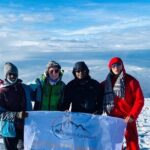
Distance: 16.4km / 9.6mi, time about 15 hours, and the itinerary explicitly congratulates you for reaching Uhuru peak.
This is the core moment. The long day length is the reality check: summit attempts are time-heavy, not just distance-heavy. Expect a very full day, and plan your mindset for patience.
Possible drawback: 15 hours is not a typo in spirit. It’s a reminder that summit day is mentally demanding. If you’re anxious about long efforts, prepare for that ahead of time.
Guides, names you’ll remember, and why the human part counts
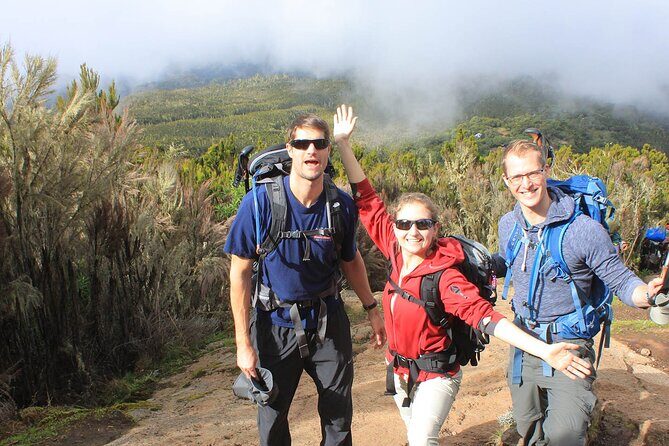
Kilimanjaro is a team sport. The body needs acclimatization, but the mind needs structure and reassurance.
In the feedback tied to this exact operator, the guide names Stanley and Ombenio came up with strong praise. The theme wasn’t just friendliness—it was push when needed and support that helped climbers perform. That kind of guidance matters on summit day especially, where you can feel your motivation dip and your breathing start to feel complicated.
Communication also mattered in the planning stage, with Mr Gerald highlighted for timely responses and clear answers. When you’re spending money and time on an expedition, you want confidence early. Quick, practical communication helps you show up prepared rather than guessing.
So what should you look for when you book? You want a guide who can:
- keep the pace controlled during longer days
- manage energy on shorter pre-summit days
- encourage you without letting you burn out early
Based on the highlights connected with this team, the guiding approach fits that need.
Summit day mindset: what to do with the 15-hour reality
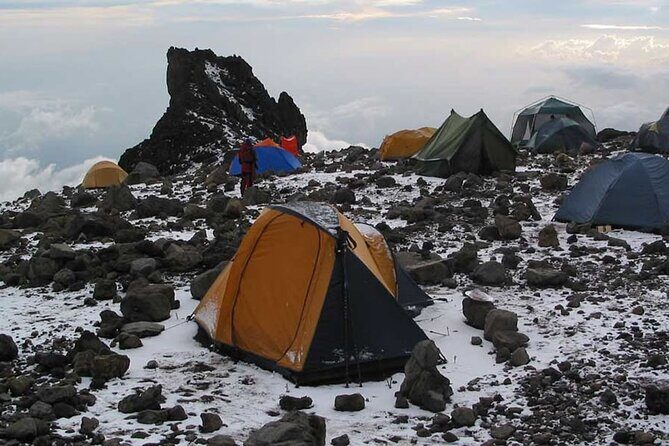
Summit day is often sold like a single moment. In your schedule, it’s more like a long chain of decisions.
Because Day 8 lists 16.4km / 9.6mi and up to 15 hours, you’ll likely spend most of the day moving in a slow but steady way. The distance number is useful, but the time number is the real story: you’re managing fatigue for hours.
Here’s how to think about it as a strategy:
- Treat every hour as part of one goal, not a set of unrelated “mini-walks.”
- Expect your body to feel uneven. That doesn’t mean it’s failing; it means altitude is doing its job.
- Follow your guide’s pacing guidance. If you start too fast, you pay later.
This is also where the “push us to achieve the best performance” style described in the feedback can help. A good guide doesn’t just motivate. They help you stay in your window: firm enough to keep momentum, slow enough to protect altitude safety and energy.
After the peak: Moshi time and getting home without stress
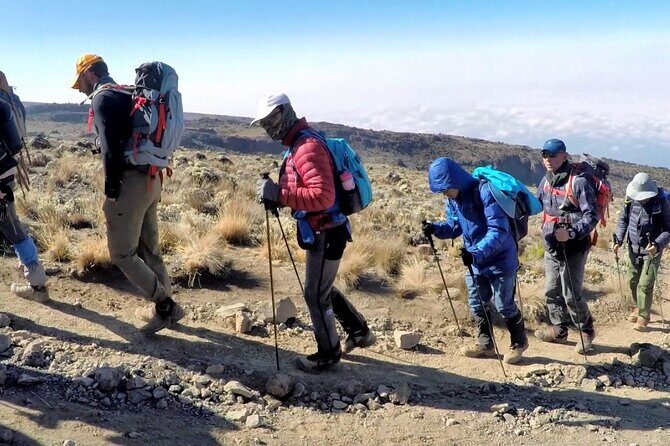
Day 9 brings you back to Moshi, with the itinerary listing 9.1km / 7.5 miles and about 6 hours. This isn’t “summit recovery equals zero movement.” It’s a continuation of your journey with a more grounded day structure.
Day 10 then drives you to the airport for your flight home—listed as about 30 minutes.
Why this matters: you avoid the common travel trap of scrambling to figure out transport immediately after a big climb. Even if you feel tired, having a planned exit reduces stress.
It also gives you a chance to reset routines—laundry, hydration habits, and sleep—before flying out.
Who this trip is best for (and who should think twice)
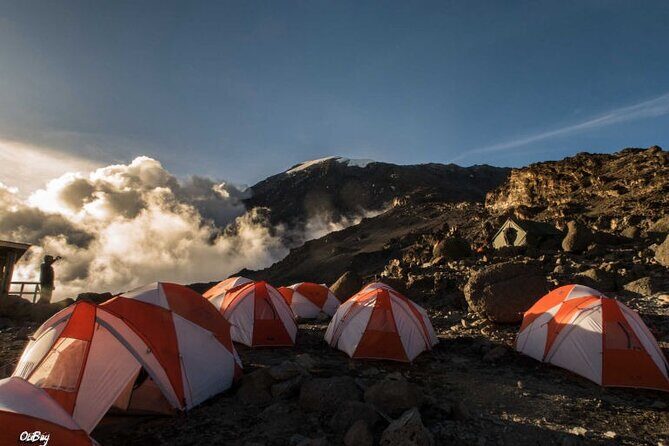
This plan is a strong match if you:
- want a structured 8 days Kilimanjaro climb with a clear summit goal at Uhuru Peak
- prefer a private setup where timing and support are centered on your group
- value a package where park, camping, rescue fees, and mountain meals are covered
- like working with guides who can keep you moving with discipline (Stanley and Ombenio are names to watch for in guidance)
It may be less ideal if you:
- struggle with very long physical days, especially summit day’s 15-hour schedule
- dislike trips that require budgeting for visa, tips, and personal items on top of the base price
Also, the tour info notes:
- Service animals are allowed
- It’s near public transportation
- Most travelers can participate
- It’s a private tour/activity for your group only
That doesn’t remove personal risk, but it suggests the operator is set up for a range of practical needs.
Weather and decision-making: what the plan does when conditions change
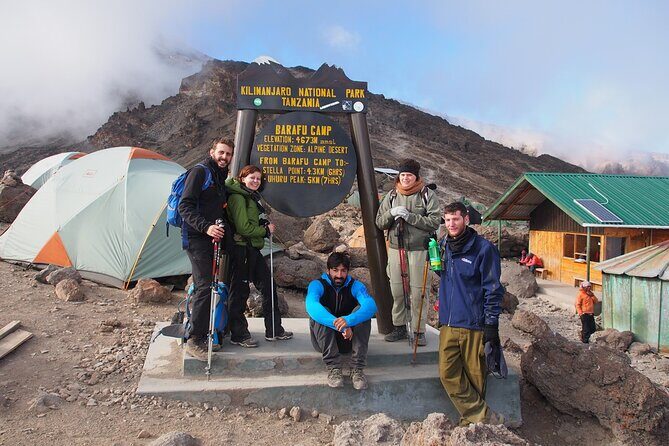
Kilimanjaro climbs are weather-dependent. This experience explicitly requires good weather.
If it’s canceled due to poor weather, you’re offered a different date or a full refund. There’s also a note that it may cancel if the minimum number of travelers isn’t met, again with a different date/experience or full refund.
For you, the takeaway is simple: be flexible. If you can shift dates (or if your travel schedule can absorb a change), you’ll feel more confident booking around nature, not schedules.
Quick, practical checklist for getting the most out of this plan
I can’t tell you what you personally need, but I can tell you what will matter most given this itinerary structure:
- Plan to handle a very long summit day with patience. Don’t train for speed; train for consistency.
- Keep your energy management boring and steady. Days 2–6 build rhythm, then Day 7 reduces distance, then Day 8 asks for everything.
- Budget for what’s not included: visa, tips, and personal items.
- Take advantage of the included essentials so you’re not scrambling on the mountain.
Also, since the itinerary includes admission tickets for the mountain days (Days 1–8), you can focus on packing and pacing instead of hunting down paperwork once you’re already on the ground.
Should you book this Lemosho climb with KITONGA TOURS AND SAFARIS CO.LIMITED?
If you want a Kilimanjaro climb that feels organized, private, and grounded in practical essentials, this is a reasonable choice. The strongest reasons to consider booking are:
- Licensed and Tanzania-registered operation
- A summit-focused Lemosho route with an explicit Uhuru Peak goal
- Included park/camping/rescue fees, private transfers, and 3 meals daily while on the mountain
- Guidance highlights tied to names like Stanley and Ombenio, plus strong planning communication noted with Mr Gerald
My main caution is the obvious one: summit day is long. The itinerary’s 15-hour day length is not “just a bit of extra walking.” It’s a commitment. If you can handle that mentally and physically, you’ll likely appreciate how the rest of the plan supports you with varied day lengths and a calmer build-up.
If you’re still deciding, ask yourself one question: Do you want a well-run, all-in mountain package where you can focus on the climb rather than the logistics? If yes, this Lemosho plan fits that need.
FAQ
Where does this Kilimanjaro tour start and end?
It starts in Moshi, Tanzania, and ends back at the meeting point.
Is airport pickup included?
Yes. The package includes 2-way private airport transfers.
What’s included in the price?
It includes park, camping & rescue fees, private airport transfers, and 3 meals daily while on the mountain. Breakfast (10) is listed as included, and admission tickets are listed as included for the mountain days (Days 1–8).
What isn’t included?
Not included are the Tanzania visa, tips, and items of a personal nature.
How does the tour handle weather changes?
This experience requires good weather. If it’s canceled due to poor weather, you’ll be offered a different date or a full refund.
Is this a private climb or shared with other groups?
It’s listed as a private tour/activity, meaning only your group will participate.