REVIEW · MOSHI
7-Day Kilimanjaro Climb Machame Route
Book on Viator →Operated by Unique Planet Safaris · Bookable on Viator
Kilimanjaro on the Machame Route is a long, real deal. This 7-day climb from Moshi focuses on gradual acclimatization and changing scenery, from rainforest to moorland to alpine desert. If you want a route that’s popular for a reason and offers solid views for most of the trek, Machame is a strong pick.
I love that the day plan builds in acclimatization instead of rushing altitude. I also like the mix of habitats and terrain, which means the hike stays interesting even when your legs are screaming. It’s also well organized for a group of up to 20, with transfers and park fees handled up front.
The main drawback to plan for is the effort. This route is steep in sections and includes a very early summit night, so you’ll need to come in with solid fitness and realistic expectations.
In This Review
- Key things to know before you go
- Machame on Kilimanjaro: Why this route earns its nickname
- Price, transfers, and what you’re really paying for
- Group size, timing, and the pace you should expect
- Day 1: Moshi to the Machame Camp rainforest start
- Day 2: Shira moorland and that steep ridge feeling
- Day 3: Lava Tower and Arrow Glacier to Barranco Hut
- Day 4: Karanga Valley is your short acclimatization day
- Day 5: Barafu Hut setup for summit night
- Day 6: Stella Point sunrise and the Uhuru Peak climb
- Day 7: Mweka descent, certificates, and getting back to Moshi
- What you’ll like most: organization, supportive guides, and solid mountain food
- Gear and fitness: the practical stuff that decides comfort
- Who should book this Machame Route 7-day climb
- Should you book this 7-day Machame climb with Unique Planet Safaris?
- FAQ
- Where does this Kilimanjaro climb start?
- How long is the climb?
- What route is this?
- What’s included in the price?
- What is not included?
- Is pickup offered?
- What’s the maximum group size?
- How much hiking is there each day?
- Do I receive a summit certificate?
- What is the cancellation policy?
Key things to know before you go
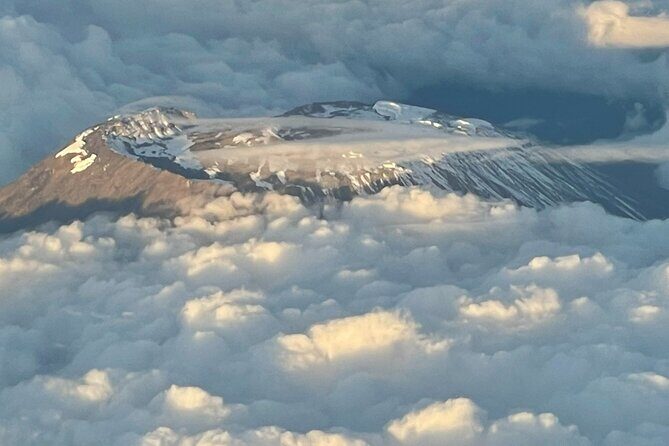
- Machame is the popular whiskey-route choice for steep hiking, tents, and varied scenery.
- You get multiple acclimatization wins, including the short Karanga day that helps your body adjust.
- Day 6 is the grind: scree up to Stella Point, then the final push toward Uhuru Peak.
- The trek uses tent camping, not huts, so bring weather-ready gear and comfort basics.
- Group size stays small (up to 20), which usually keeps the pace and logistics more manageable.
Machame on Kilimanjaro: Why this route earns its nickname
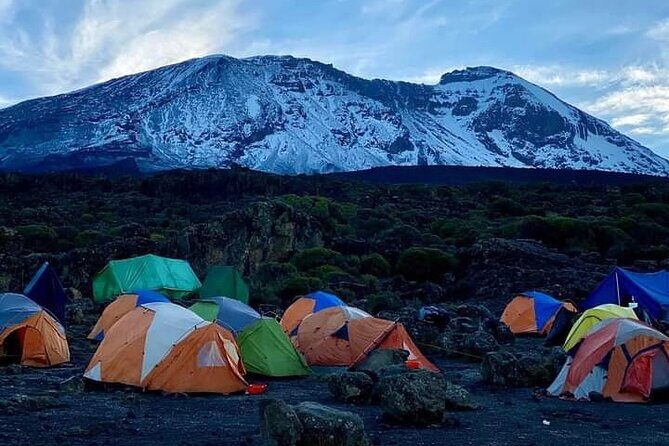
The Machame Route is often called the Whiskey Route because it’s hard, not because it’s careless. Compared with the Marangu Route, Machame tends to feel steeper and more exposed, and you sleep in tents instead of huts. For many people, that mix is exactly what they want: a tougher hike with a lot of scenery variety and a real sense of progression.
You’ll also notice something practical here: Machame is popular for a reason, and it’s often chosen for its itinerary balance. You get a multi-day build-up and acclimatization rhythm without making the trip longer than it needs to be.
That said, Machame asks more of your body than easier routes. If you hate steep grades or you’re the type who needs very slow, cushioned hiking, you should take that seriously.
A few more Moshi tours and experiences worth a look
Price, transfers, and what you’re really paying for
At $2,280 per person, you’re not just buying a permit and a walking path. You’re paying for a full guided, multi-day mountain operation: airport transfers (included), park fees (included), accommodation while camping (included), and the majority of your meals.
The included meals are set up for mountain life: breakfast is included on 6 days, lunch on 7 days, and dinner on 6 days. That matters because on Kilimanjaro you don’t just need calories—you need consistency. Missing a meal on the mountain can turn a rough day into a miserable one fast.
What’s not included is also important to budget correctly. You’ll still need to cover personal gear rentals if you use them, visa, international flights, and mountaineering insurance. If you’re already set up with good footwear and cold-weather layers, you may save on rentals. If not, plan for that extra cost.
Bottom line: this price makes sense if you value having logistics handled and meals included. It may feel steep if you were hoping for a bare-bones guided hike.
Group size, timing, and the pace you should expect
This climb runs on a daily schedule (Monday through Sunday, with operating hours listed from 8:00 AM to 5:30 PM). Dates run across multiple seasons (12/11/2023 through 06/17/2026). The group cap is 20 travelers, so you should expect a guided experience that isn’t crowded.
The bigger timing truth is altitude timing. You’ll hike most days for several hours, including early starts as you approach summit night. On Day 6, you’ll leave very early in the morning and spend long hours working altitude up toward the crater rim.
If you like a plan you can trust, this itinerary style is built for you. If you hate being “on schedule,” Kilimanjaro may test your patience.
Day 1: Moshi to the Machame Camp rainforest start
Your day begins with a short drive from Moshi to the Kilimanjaro National Park Gate, about 50 minutes. Along the way you pass through the village of Machame on the lower slopes, which helps you start absorbing the local geography and the fact that the mountain has real communities around it.
After you enter the park, you hike through rainforest on a winding trail up a ridge. The route can be muddy and slippery lower down, so gaiters and trekking poles are not optional in spirit—they’re practical life insurance. You continue until you reach Machame Camp.
This first day is about more than covering distance. You’re testing your gear, finding your hiking rhythm, and learning how your body reacts to steady uphill effort. Elevations run roughly from 5,400 ft to 9,400 ft, with about 11 km and 5–7 hours on the move.
Day 2: Shira moorland and that steep ridge feeling
After breakfast you leave the rainforest and keep ascending. You’ll cross a small valley and walk along a steep rocky ridge, then move into a river gorge area. The habitat shift is big here: you’ll feel the change from damp forest to wide-open, higher ground.
You spend the night at the Shira campsite. This day covers about 5 km and 4–6 hours, but the key detail is elevation: roughly 9,400 ft to 12,500 ft. Even when the distance looks short, you still feel the altitude and the terrain.
This is also a day where your pace matters. Slow and steady helps you keep breath under control, which makes tomorrow’s higher terrain easier to survive.
Day 3: Lava Tower and Arrow Glacier to Barranco Hut
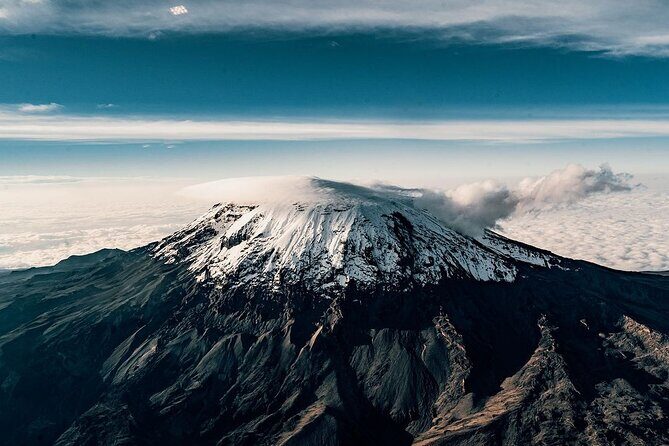
Day 3 is a classic Machame highlight because it mixes dramatic landmarks with serious altitude work. Starting from the Shira Plateau, you continue up and pass junctions heading toward Kibo’s peak region. Your route shifts southeast toward the Lava Tower, which is nicknamed the Shark’s Tooth.
Then comes the Arrow Glacier at around 16,000 ft. It’s semi-desert territory as you move toward the Barranco Hut at roughly 13,000 ft, finishing the day with dinner and overnight. You’ll cover about 10 km in 6–8 hours.
Here’s why this day matters for your success: even though you end near the starting elevation, you’re training your body for summit-day altitude stress. That acclimatization effect is the reason the itinerary sets you up like this.
If you’re prone to rushing, resist that urge. The payoff isn’t faster progress—it’s fewer problems later.
Day 4: Karanga Valley is your short acclimatization day
Day 4 is intentionally shorter. You leave Barranco and continue on a steep ridge, passing the Barranco Wall, then drop into Karanga Valley campsite.
You only hike about 5 km for 4–5 hours. Elevation changes are small—roughly 13,000 ft to 13,100 ft—and the habitat is alpine desert. In practical terms, this is the day you try to conserve energy while still keeping your body working.
This is one of those “it doesn’t look impressive on paper” days that can decide whether you feel strong later. Use it to manage hydration, eat well, and rest your legs.
Day 5: Barafu Hut setup for summit night
After breakfast you hike up toward the junction connected with the Mweka Trail, then continue to Barafu Hut. At this point you’ve completed the South Circuit, and the view changes become a big part of the experience.
Elevation climbs from about 13,100 ft to 15,300 ft, but the actual hiking distance is about 4 km and 4–5 hours. It’s shorter on the calendar, but don’t confuse that with easy walking. The altitude makes everything feel heavier.
This is your camp and staging area before summit night. You rest, eat dinner, and prep for an early push. The route gives you sightlines to Mawenzi and Kibo, so you get that psychological boost of seeing the summit route you’ll attempt.
If you’re the type who forgets to plan meals and timing, use this day to get your routine nailed down. Summit night is about preparation more than bravery.
Day 6: Stella Point sunrise and the Uhuru Peak climb
This is the defining day. You move very early to begin the summit attempt between the Rebmann and Ratzel glaciers, heading northwesterly and ascending through heavy scree toward Stella Point on the crater rim.
This is described as the most mentally and physically challenging section. That tracks with what you feel on your body: scree drains energy, and the cold can make it hard to keep your breathing efficient.
At Stella Point (18,600 ft) you pause briefly and—weather permitting—get what’s often described as the most incredible sunrise of your life. From there, you may encounter snow all the way up on the final ascent, which takes about 1 hour to Uhuru Peak.
Uhuru Peak is the highest point on Mount Kilimanjaro and the continent of Africa. In plain terms, it’s the moment you came for. And it’s a reminder that on summit day, pace and focus matter more than pushing speed.
Day 7: Mweka descent, certificates, and getting back to Moshi
After breakfast, you descend down to the Mweka Park Gate, where you receive summit certificates. Lower down, it can turn wet and muddy, so gaiters and trekking poles still pay off, even after the adrenaline of reaching the top.
From the gate you continue about another hour to Mweka Village. A vehicle then meets you and drives you back to your hotel in Moshi.
You cover about 10 km in 3–4 hours, with elevation from roughly 10,000 ft down to 5,400 ft, and you return to rainforest conditions. That last-day habitat shift is nice because it signals your body can unclench. You’ll likely feel sore, but you’ll also feel the relief of being done with altitude.
What you’ll like most: organization, supportive guides, and solid mountain food
From the feedback pattern around this climb, one theme keeps showing up: guidance that feels professional and supportive. On a mountain like Kilimanjaro, that support isn’t fluff. It’s the difference between knowing what to do when you’re tired versus trying to figure it out while you’re cold and climbing.
People also consistently point to excellent organization, especially around summit night. You don’t just need gear—you need timing, motivation, and a steady plan that keeps the group moving safely.
And then there’s the food piece. You’ll be hiking all day at altitude, so you need meals that actually keep you going. When the food is reliable and portions feel appropriate, you’re more likely to maintain energy and stay calm.
This tour is also set up for a smooth flow: transfers, tickets, park fees, and camping logistics are handled so you can focus on walking and breathing.
Gear and fitness: the practical stuff that decides comfort
You’re told to consider gaiters and trekking poles for muddy, slippery sections early and again during the descent. I agree with that. On Kilimanjaro, a bad footing day can turn into a pain day you remember for years.
For clothing, the plan implies a typical altitude layering reality. At lower elevations on Day 7, shorts and t-shirts probably work, but keep rain gear and warmer clothing handy. On summit night, the cold is real, and your layers matter.
Fitness-wise, the tour expects moderate physical fitness. That doesn’t mean you should show up untrained. It means the itinerary is paced with people in mind who can hike uphill for hours, tolerate altitude, and follow a plan.
If you’re uncertain, train for sustained effort before you go: long uphill walks, stairs, and stamina work will pay off more than flashy workouts.
Who should book this Machame Route 7-day climb
You’ll likely be happiest on this tour if you:
- want the most popular Machame route experience with tents and varied habitats
- prefer a route with built-in acclimatization days, not just a straight assault
- can handle steep hiking segments and the early summit schedule
- like having logistics handled (transfers, fees, meals, and camping organization)
You might want to think twice if you:
- struggle with steep hiking or rocky scree
- don’t handle cold well (summit night can be rough)
- want a low-effort trek with lots of flat walking
This is a real climb. The reward is a real summit achievement, plus days full of scenery and habitat changes you feel in your lungs.
Should you book this 7-day Machame climb with Unique Planet Safaris?
I’d recommend booking if you want a classic Kilimanjaro route that balances ambition with an acclimatization structure that makes physical sense. The included transfers, park fees, and meal coverage are also meaningful value, because they reduce the chaos that can ruin your energy on the mountain.
If you’re debating routes, Machame is the right fit for people who accept that it’s tougher than the easier hut-based option—and who want that “working for it” feeling with big payoffs, including the Stella Point sunrise moment.
Before you book, be honest about two things: your fitness level and your willingness to wake up extremely early on summit night. If you can say yes to both, this is a strong, well-run way to chase Uhuru Peak.
FAQ
Where does this Kilimanjaro climb start?
It starts in Moshi, Tanzania, and you’re transferred from the airport as part of the included services. The itinerary also includes driving to the Kilimanjaro National Park gate.
How long is the climb?
The trek is listed as 7 days (approx.).
What route is this?
This is a 7-Day Kilimanjaro Climb on the Machame Route.
What’s included in the price?
Included items are transfers from/to the airport, all park fees, accommodation, and meals (breakfast, lunch, and dinner as listed). The tour also references admission tickets as included across the itinerary days.
What is not included?
Not included are personal gear rentals, visa, international flights, and mountaineering insurance.
Is pickup offered?
Yes, pickup is offered.
What’s the maximum group size?
The tour has a maximum of 20 travelers.
How much hiking is there each day?
Daily hiking varies by day, from short acclimatization efforts to long summit-day hours. For example, Day 1 is about 5–7 hours, while Day 6 includes a long summit attempt starting early.
Do I receive a summit certificate?
Yes. On Day 7 you descend to the Mweka Park Gate to receive your summit certificates.
What is the cancellation policy?
It has free cancellation. You can cancel up to 24 hours in advance for a full refund. If you cancel less than 24 hours before the start time, there’s no refund.