REVIEW · ARUSHA
7 days Mt Kilimanjaro,Tarangire NP, Ngorongoro, Serengeti NP, Lake Manyara NP
Book on Viator →Operated by African Pangolin Safaris · Bookable on Viator
Kilimanjaro on day one keeps your safari from feeling like a rerun. You start at Marangu Gate, hike up to Mandara Hut, then roll straight into Arusha. After that, the trip stacks classic safari stops—elephants, big cats, the crater floor—without wasting days on “just driving.”
I especially like how the plan mixes iconic wildlife areas with moments that feel different: Tarangire’s elephant energy, Serengeti’s early-game-drive momentum, and Ngorongoro’s crater game drive potential. The other standout is the hands-on way you travel: a 4×4 with an open roof, hotel pickup/drop-off (and port pickup if needed), bottled water, and most meals handled for you.
One thing to consider: you’re doing a true adventure schedule. The Kilimanjaro hiking day runs about 6 hours up and down, and you’ll spend multiple nights camping at public campsites—great for the full safari feel, but less “easy comfort” than a lodge tour.
In This Review
- Key things I’d plan around
- From Marangu Gate to Mandara Hut: the Kilimanjaro day that sets the rhythm
- Arusha to Tarangire: elephants, pythons, and that Tarangire river pull
- Serengeti mornings: early light, big-cat energy, and full-day drive time
- Ngorongoro crater: chasing Big Five odds in one basin
- Lake Manyara: green scenery, bird life, and tree-climbing lions
- Camping safari comfort: what “public campsite” really means for your expectations
- The guide factor: why the right person matters on safari
- Price and logistics: what $2,615.39 buys you (and what it doesn’t)
- Who should book this 7-day Kilimanjaro + safari combo
- Should you book African Pangolin Safaris for this week?
- FAQ
- What time does the tour start each day?
- Are park fees and admission tickets included?
- Do you include meals on the safari?
- Is bottled water provided?
- Do I get airport pickup?
- What’s included for the Kilimanjaro day?
- Do you offer vegetarian meals?
Key things I’d plan around
- Marangu Gate to Mandara Hut gives you a real Kilimanjaro hike without committing to a full summit itinerary
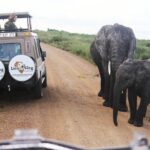
- Open-roof 4×4 means you don’t miss the details when animals pop up near the road
- Tarangire elephants have a strong chance of showing in groups around the Tarangire River
- Serengeti game drives are timed for early mornings and full-day exploration
- Ngorongoro crater is designed for maximum wildlife odds, including Big Five possibilities in one day
- Camping nights keep the experience authentic, but expect basic public campsite setups
From Marangu Gate to Mandara Hut: the Kilimanjaro day that sets the rhythm
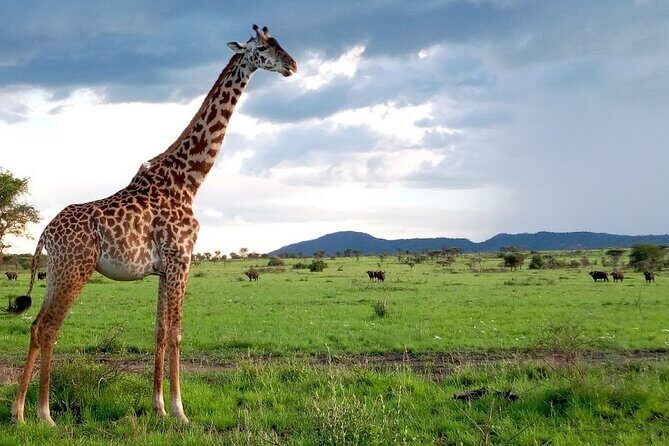
Most safari tours start with wildlife. This one starts with altitude and effort, which changes the whole vibe. You drive to Marangu Gate, then hike up to Mandara Hut and back. The walking time is listed at about 6 hours total (up and down), so it’s serious but not the multi-day commitment most people picture when they hear Kilimanjaro.
What matters for you: you’ll want to treat this like the athletic day it is. Even if you’re an active traveler, the mix of heat, slope, and early start can slow your pace. The benefit is that once you’re back in Arusha for overnight, your body and mind are already switched into Tanzania mode.
You also avoid the common frustration of “doing a little Kilimanjaro, then rushing.” This plan uses day one to make the trek the headline, then puts you in a position to enjoy real safari days afterward.
Back at the Venice Hotel in Arusha, you get a proper reset before the parks begin. Dinner and downtime on this first night matter because the next days are drive-heavy and you’ll be waking up early again.
A few more Arusha tours and experiences worth a look
Arusha to Tarangire: elephants, pythons, and that Tarangire river pull
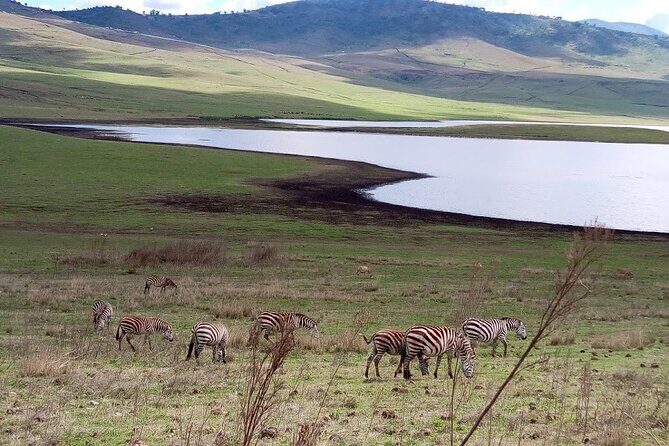
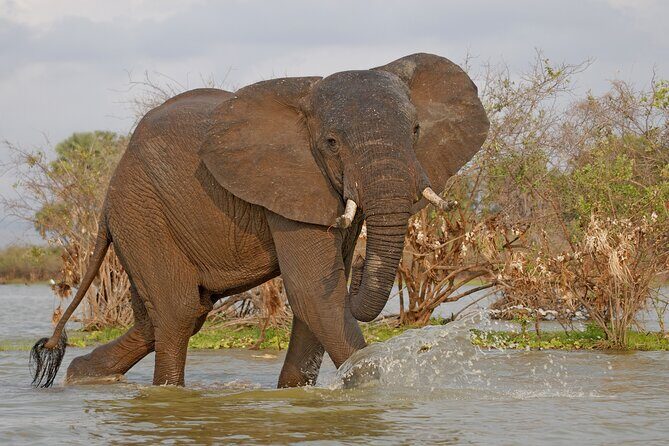
Day two is a full-on wildlife day in Tarangire National Park, often called the home of elephants. That phrase isn’t hype. Tarangire’s reputation comes from what you’ll likely see: elephants clustering around the Tarangire River, sometimes in noticeable groups.
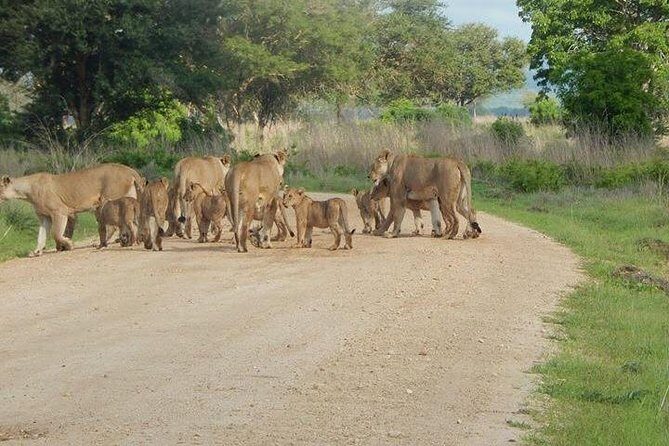
A good day here isn’t only “elephants everywhere.” It’s also the chance for the less expected sightings. The trip description specifically points to opportunities for leopards, lions, giraffes, and even tree-climbing pythons. I like how that list tells you the guide isn’t just scanning for the obvious.
Logistically, you’ll leave early and get a full day game drive, then end the day at a campsite—Wild Palm campsite in Tarangire or Fanaka Campsite in Mto wa Mbu (depending on how the route is paced). Either way, you’re sleeping close enough to the wildlife circuit that you don’t feel like you’re commuting your whole vacation.
Practical tip: if you’re sensitive to long drives, plan to pack your patience and your snacks (you’ll have meals included, but you’ll still want your personal comfort items). Game driving is part of the experience—stop-start, watching, waiting, and then suddenly the action hits.
Serengeti mornings: early light, big-cat energy, and full-day drive time
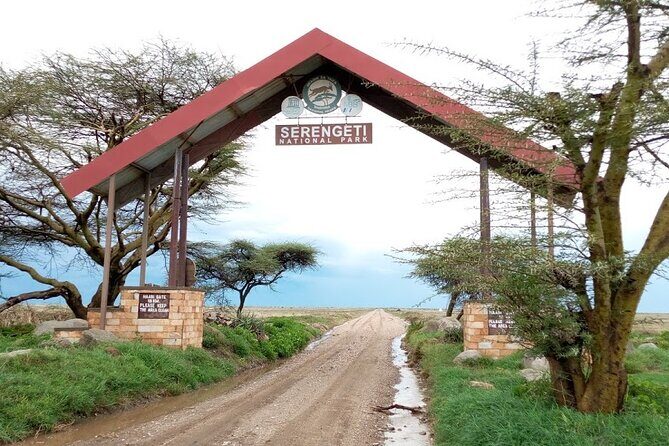
After Tarangire, you head to Serengeti National Park. Your first Serengeti day is an afternoon game drive, then dinner and overnight at a public campsite. The next day starts with an early morning drive, followed by breakfast and another full-day exploration option.
This is where timing matters. Serengeti is the kind of place where animals don’t politely wait for your schedule. Starting early helps, and the plan gives you that early window. Then you return to the campsite for breakfast and go back out for a full day again.
Food-wise, it’s flexible in a useful way. There’s an option for a lunch box during your daytime driving, or you can return for hot lunch at the campsite depending on how the day’s sightings are going.
Why I like this approach: it respects how safari days actually work. If you’re seeing something good, you don’t want a strict meal schedule forcing you to miss the best hour of the day. This setup keeps the day from feeling like a factory line.
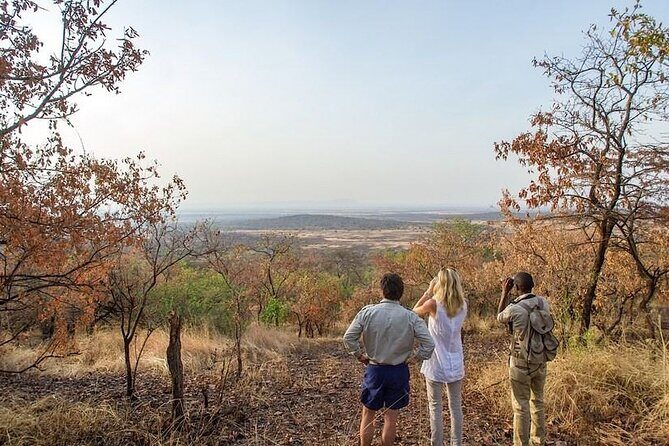
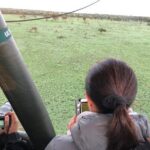
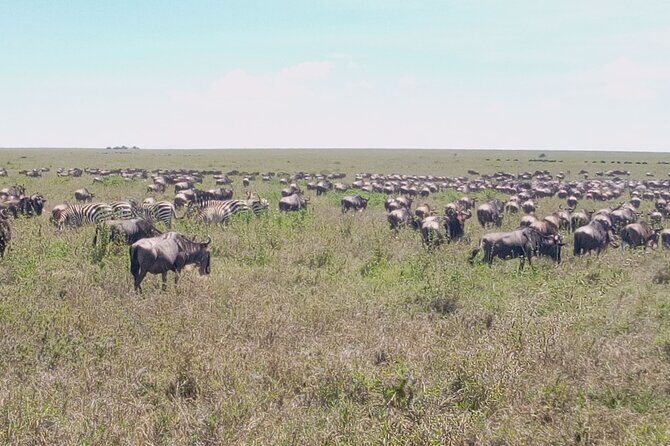
Also, Serengeti is one of those parks where you’ll get different kinds of thrills: open plains for visual scale, and then sudden close wildlife moments when the guide positions the vehicle. Traveling in an open-roof vehicle helps you notice small tells—head turns, sudden movement, birds reacting—before you even see the animal clearly.
Ngorongoro crater: chasing Big Five odds in one basin
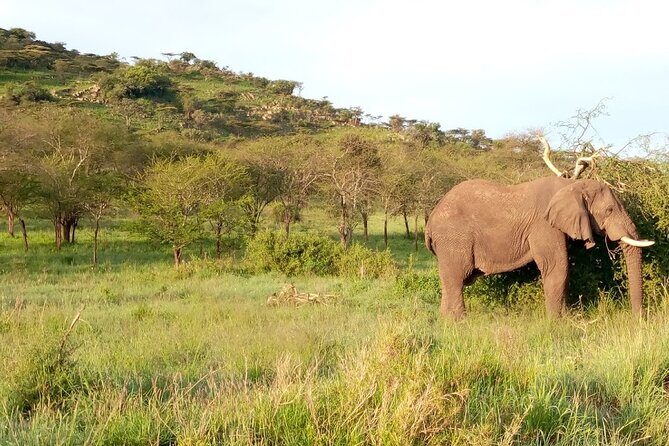
Ngorongoro is the kind of destination that makes people shorten their sentences. The crater floor concentrates wildlife, which is exactly what you want on a short schedule.
You reach the crater area for a drive that starts early and goes until about 10:00 before returning for breakfast/brunch. Then you drive back to Ngorongoro for game drive en route, with dinner and overnight at the Simba public campsite.
The next morning is the big shot: early breakfast, then a game drive at Ngorongoro Crater, with lunch on the crater floor at a picnic site. This is also the day the trip description calls out a very high possibility of spotting the Big Five in one day: lion, rhino, elephant, buffalo, and leopard.
You should read that line carefully. A “very high possibility” is not a guarantee, but it tells you how the route is designed: full crater time, early start, and enough hours to make the chances real. Ngorongoro’s concentration works in your favor, and a guide who knows where to be at the right time matters a lot.
One consideration: crater drives can feel slow in the best way. You’ll watch vehicles, scan for movement, and then commit to a sighting. If you’re the type who gets impatient, this is a good place to train your brain to slow down.
Lake Manyara: green scenery, bird life, and tree-climbing lions
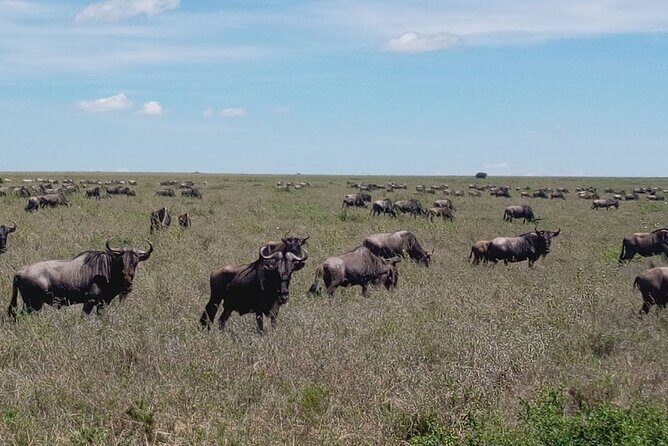
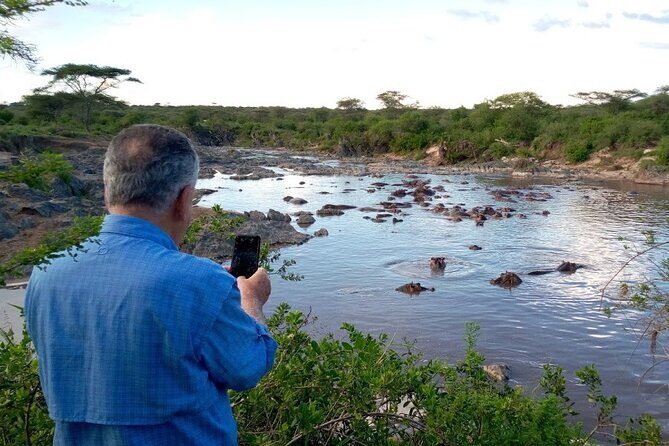
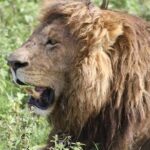
After Ngorongoro, you head to Lake Manyara National Park for a full day game drive. Lake Manyara is described for its green scenery and varied bird life, plus the big talking points: tree-climbing lions, hippos, and baboons.
Your day starts with a sunrise game drive, then continues with a game drive and a picnic lunch. In the late afternoon, you drive back to Arusha for overnight at the Venice Hotel. There’s also an optional add-on after your safari day: visiting a Maasai boma. You’d pay directly to the boma leader.
This is one of the few parts of the trip where you get a built-in cultural choice without forcing it. If you want local context, you can add it. If you’d rather maximize wildlife time, you can skip it and still have a full day.
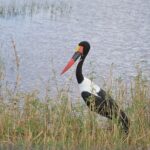
Practical note: birds are a big feature here. If you’re into spotting behavior—calls, feeding styles, flocking patterns—Lake Manyara gives you that bonus. If your goal is only mammals, you’ll still likely catch plenty, but you may want to stay focused when the group starts turning their attention to the trees and edges.
Camping safari comfort: what “public campsite” really means for your expectations
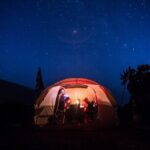
This is a camping safari, but it’s not marketed as luxury. You’ll spend several nights at public campsites and at campsites like Wild Palm and Fanaka in the Mto wa Mbu area.
What you can expect from a planning standpoint:
- You’ll be doing early starts. Game drive days don’t run on late-morning logic.
- You’ll be sleeping close to the safari circuit, which helps you keep the driving sensible.
- You’ll still get the fundamentals handled: meals are included (breakfasts, lunches, dinners), and bottled water is provided.
In other words, you’re paying for access, time, and vehicle-based wildlife searching—not for private lodge comfort.
If you’re someone who hates the idea of basic campsite conditions, you’ll probably feel it here. But if you want the real rhythm of safari—dawn light, vehicle tracking, camp evenings—the camping setup is part of the point.
Also, the tour includes smart casual dress code. That’s an easy instruction to follow, especially when you’re packing layers for mornings and evenings.
The guide factor: why the right person matters on safari
Safari isn’t only about parks. It’s about the human running the search.
The guide is described in the trip feedback as professional and kind, paying attention to your needs, spotting animals, and keeping things safe. Names like Victor and Mansoor come up in the shared experiences, and the theme is consistent: you’re not just getting driven around—you’re getting scanned, read, and positioned for sightings.
For you, that means:
- You should ask your guide what they prioritize: predators, river action, or birdlife.
- Pay attention to how they handle safety and vehicle positioning near wildlife.
- Trust that good guiding often looks like patience, not drama.
When the guide is solid, the day feels smoother even when the roads get long.
Price and logistics: what $2,615.39 buys you (and what it doesn’t)
At $2,615.39 per person for seven days, you’re paying for a packed route across major Tanzania regions plus a Kilimanjaro hike day. This isn’t a “cheap and cheerful” safari. It’s closer to a practical bundle: access, transport, and staffing.
Here’s what’s included based on the package details:
- Hotel pickup and drop-off (and port pickup if you’re arriving by ship)
- A tourist 4×4 vehicle with an open roof
- National park fees
- Bottled water
- A guide/driver
- Accommodation as described (Arusha hotel and multiple campsites)
- Meals: breakfast (7), lunch (7), dinner (7)
- Some admission fees are explicitly included or marked free on specific Serengeti days
- Mobile ticket
What’s not included:
- Alcoholic drinks (you can buy them)
- Anything not mentioned above
So is it good value? For most travelers, yes—because the cost is tied to real components you’d otherwise pay for separately: multiple park entries, transport with a vehicle equipped for game drives, and an organized Kilimanjaro hiking day.
The trade-off is that you’re not buying lodge comfort, and you’re not buying spare time. If you want wide spacing between parks, this plan may feel intense. If you want maximum wildlife coverage in a single week, it makes sense.
Who should book this 7-day Kilimanjaro + safari combo
This is a strong match if you:
- Want classic Tanzania parks in one trip without switching companies midstream
- Are okay with camping at public campsites for the authentic safari rhythm
- Are fit enough to do about 6 hours of hiking for Kilimanjaro from Marangu Gate to Mandara Hut
- Care about having a guide who actively looks for wildlife and manages safety
It may not be ideal if you’re:
- Looking for a mostly-relaxing vacation
- Sensitive to basic campsite conditions
- Expecting a Kilimanjaro summit attempt (this is a hike to Mandara Hut, not a full summit bid)
Should you book African Pangolin Safaris for this week?
If you want a one-week Tanzania safari that hits the big names—Tarangire, Serengeti, Ngorongoro, Lake Manyara—and also adds a genuine Kilimanjaro hiking day, this package fits that goal well. The vehicle style (open-roof 4×4), included meals, and multi-park routing make it practical, not just scenic.
My main “yes, book it” test for you: are you comfortable with a full schedule and campsite nights? If the answer is yes, you’ll likely feel like you did two trips in one—mountain effort and wildlife searching—without wasting time.
If you want, tell me your travel month and fitness level, and I’ll help you sanity-check whether the Kilimanjaro hiking day and camping nights match your expectations.
FAQ
What time does the tour start each day?
The tour start time is listed as 7:00 am.
Are park fees and admission tickets included?
Yes. National park fees are included, and admission tickets are listed as included or free on certain days as part of the package.
Do you include meals on the safari?
Yes. Meals are included for 7 breakfasts, 7 lunches, and 7 dinners.
Is bottled water provided?
Yes. Bottled water is included.
Do I get airport pickup?
Yes. The trip includes free airport transfer on arrival, plus hotel pickup/drop-off. There is also port pickup mentioned.
What’s included for the Kilimanjaro day?
The Kilimanjaro day includes trekking starting from Marangu Gate to Mandara Hut, with the trek taking about 6 hours up and down, and admission ticket included.
Do you offer vegetarian meals?
Yes. A vegetarian option is available—you should advise the provider at booking if you need it.