REVIEW · TANZANIA
Full-Day Serengeti Tour from Mwanza
Book on Viator →Operated by Shrike Safaris · Bookable on Viator
One day. Two game drives. Big-cat odds. This full-day Serengeti tour from Mwanza takes you into UNESCO-listed Serengeti National Park with morning and afternoon wildlife drives, a riverside circuit on the Grumet River, and a picnic inside the park. You start early, you’re back late, and you spend the whole day chasing motion across savannah plains and river edges.
What I like most is the way the logistics are handled: hotel pickup and drop-off in Mwanza, plus breakfast and lunch, bottled water, and all park fees and taxes bundled into the price. Second, I love that you don’t just do one look; you get two game-drive windows where the action can shift from drink-and-graze times to predator-hunting times, all in a small group capped at max 6 travelers.
One drawback to think about: it’s a long 12-hour day. Even with a smooth pickup, you’ll lose more time to road than on a multi-day safari, so plan your expectations around a fast, intense wildlife day rather than a slow, lingering one.
In This Review
- Key takeaways before you go
- Mwanza to Serengeti in one day: the timing reality
- Ndabaka Gate and the western corridor: Grumet River action
- The picnic lunch inside the park: fueled for the afternoon
- Afternoon game drive: why the second half can feel different
- 4×4 off-the-beaten-track driving with a small group
- Price and value: what $498 really buys you
- Who should book this one-day Serengeti tour from Mwanza?
- The booking decision: should you go?
- FAQ
- FAQ
- How long is the full-day Serengeti tour from Mwanza?
- What time do we start, and where does pickup happen?
- What’s included in the price?
- Are entrance fees covered?
- Do they offer vegetarian meals?
- What wildlife and habitats does the route focus on?
- What about tips and cancellation?
Key takeaways before you go
- Two game drives: Morning and afternoon routes change the animal mix and your odds of different sightings.
- Grumet River focus: Crocodiles, hippos at the surface, and big wildlife along the water are built into the plan.
- Small-group feel (up to 6): Easier to hear directions and stay flexible in a 4×4.
- Full meal coverage: Breakfast outside the gate and lunch via a picnic inside the park keep you fueled for the long day.
- Fees and water included: Entrance fees, bottled water, breakfast, and lunch reduce surprise costs on the day.
- Experienced safari staff: Guides and coordinators tied to the operator (including names like Paul, James, Ben, Edward, and Mark) have been praised for getting people on the best sightings.
Mwanza to Serengeti in one day: the timing reality
This is a true day trip, not a quick taste. You begin at the New Mwanza Hotel on Posta Street (Posta Road), and the day starts with a morning pickup. Then you head out toward the Ndabaka entrance gate for Serengeti National Park, where you’ll pause briefly for breakfast outside the gates before your first drive begins.
Expect a schedule built around daylight and animal routines. The park’s western corridor is where you start the morning game drive, and the plan is to get you into the field while animals are moving and feeding. After the afternoon game drive, you turn back toward Mwanza and finish with drop-off back at the meeting point.
Because this is about 12 hours total, you’ll want to be okay with a long stretch in the vehicle. If you’re the type who gets restless on bumpy roads, consider that the tradeoff here is efficiency: you’re using one day to get real Serengeti time instead of spending a night or two farther away.
A few more Tanzania tours and experiences worth a look
Ndabaka Gate and the western corridor: Grumet River action
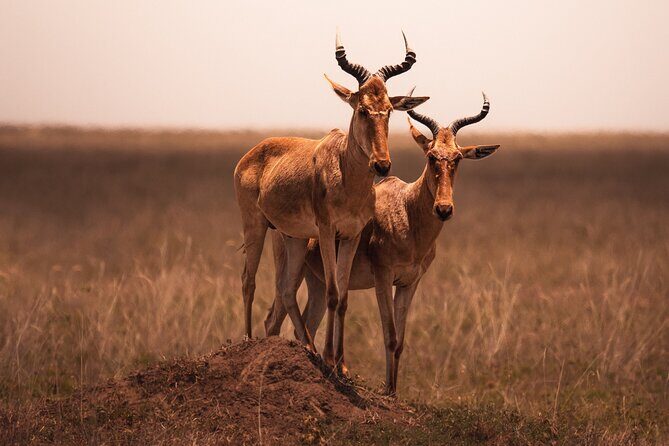
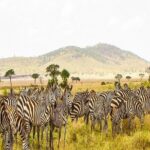
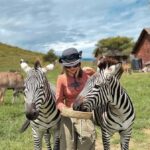
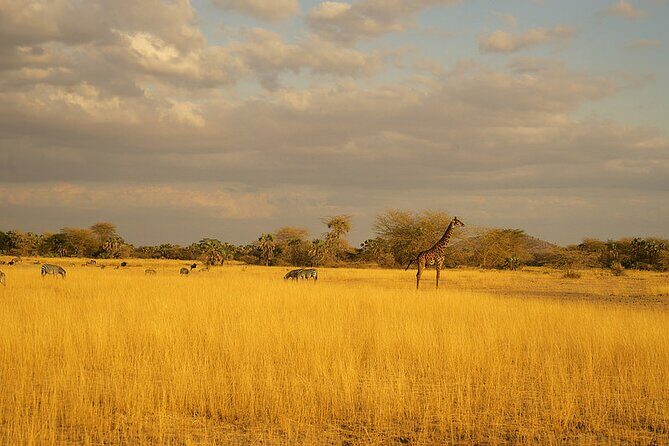
Once you clear Ndabaka, your first major wildlife window is the western corridor. This section matters because it’s where seasonal movements can funnel through narrower spaces. You’ll be looking out for the classic movement of wildebeest and zebras, including moments tied to river crossings and herd behavior as animals move between feeding and watering areas.
The day’s “watch the riverbank” portion leans hard on the Grumet River. That’s where the croc story comes in: crocodiles hunt along the water’s edge, and you’re positioned to spot them when prey comes close. You’ll also be scanning for hippos that surface and “yawn,” which is one of those Serengeti moments that feels like a hidden feature—suddenly you notice a shape in the water and then you realize it’s an animal doing something very animal.
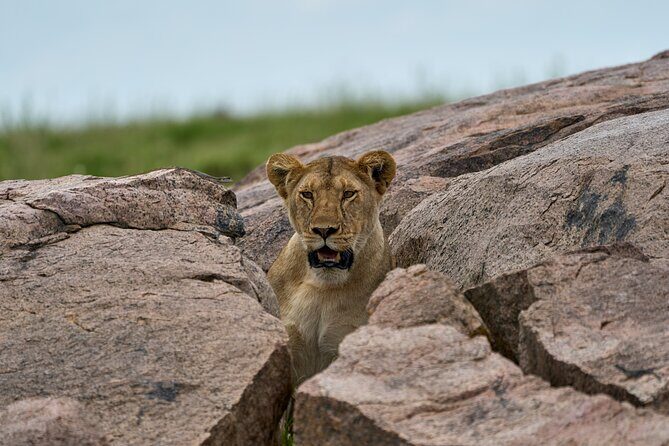
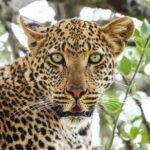
And yes, predators are part of the search pattern. During the morning drive you’re not only looking for herbivores; you’re also watching for signs of large cats and other hunters—cat behavior often reads in small clues first, then turns into a sighting if you’re in the right place at the right time.
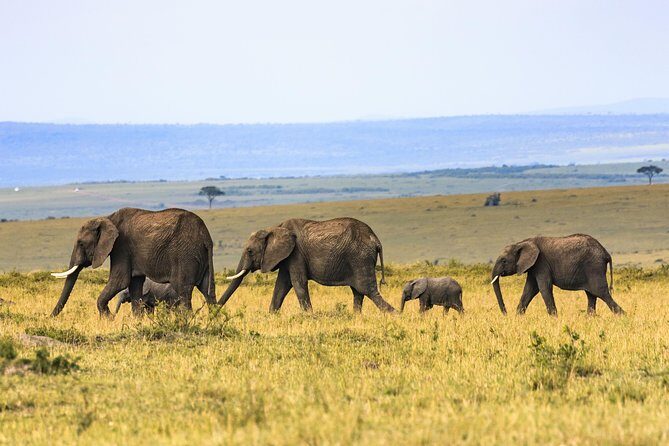
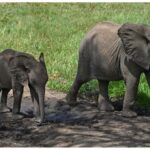
A useful context point: the Serengeti’s UNESCO status is tied to migrations and the big rhythm of life across the plains. But this park also includes threatened or endangered species (the tour description highlights cheetahs, black rhino, wild dogs, and elephants). On a one-day itinerary, you shouldn’t expect every “rare” name to show up—but the route is designed for real chances, not just a checklist drive.
The picnic lunch inside the park: fueled for the afternoon
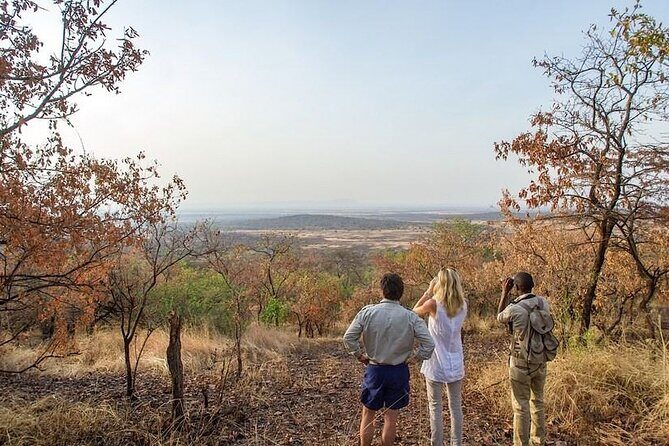
Between the morning and afternoon drives you’ll take a pause for lunch. This tour includes a picnic lunch inside the park, so you’re not rushing out to find food and you’re not breaking the rhythm of the wildlife day.
Practically, this matters because it keeps the day focused. Instead of losing time to transfers to a roadside spot, you stay in the ecosystem. And since bottled water is included, you’re less likely to feel like you’re rationing your energy while the rest of the day is still ahead.
There’s also a vegetarian option available if you request it at booking. If you eat vegetarian (or you just want to avoid surprises), make sure you specify it during reservation so the picnic plan matches what you’ll actually want to eat.
Afternoon game drive: why the second half can feel different
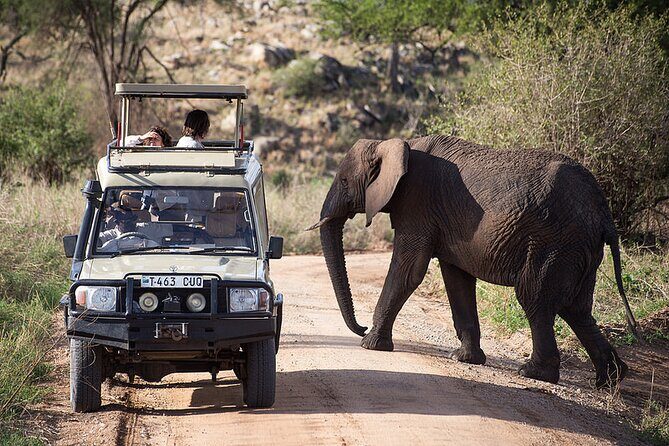
The afternoon drive isn’t a repeat of the morning. The tour plan is built on the idea that different animals act at different times—hunting, drinking, and grazing doesn’t happen on a single schedule. So you can get a changed view simply by shifting the clock.
In practice, that means you’ll return to similar habitat types (river edges, open grass, and animal corridors), but the “who is active” question can flip. Predators may be more visible when prey behavior changes. Herbivores may cluster differently as light and heat shift. Even if you don’t see a whole new set of animals, the same species can look different depending on what they’re doing.
The tour description also frames the Serengeti as a place where the Big Five are common, so your afternoon search isn’t only for one marquee animal. You’re still watching for the full mix: predators, elephants, and other large mammals that use this space as habitat.
If your morning drive gave you one big highlight, the afternoon is where you try to stack a second story on top of it. That’s the real value of two drives in one day: you don’t just chase the best light—you chase the best behavior.
4×4 off-the-beaten-track driving with a small group
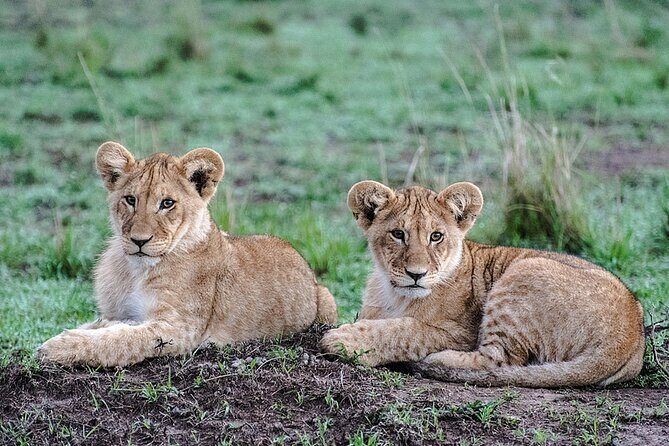
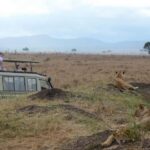
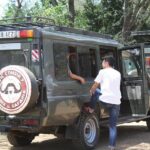
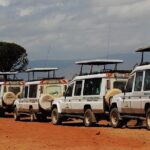
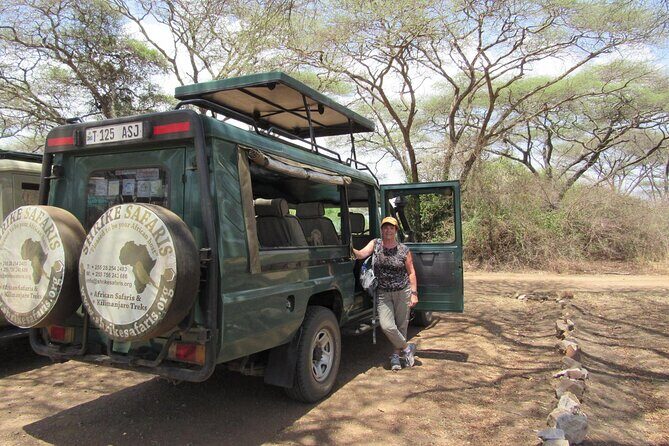
This tour uses a 4×4 and aims to get off the beaten track. That sounds like marketing until you connect it to what you’ll see: wildlife viewing in the Serengeti is about positioning. In a national park, roads and angles can matter as much as luck.
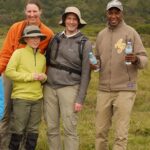
A small group also helps. With a maximum of 6 travelers, you’re not swallowed by a huge convoy. You’re more likely to hear guidance, follow the driver’s logic quickly, and move as needed without constant crowd management.
There’s also a group-discount angle mentioned in the tour setup. If you’re traveling with friends or family, this can help your group value math versus booking separate vehicles and separate packages.
And one more practical note: you’re riding for long hours, so small-group comfort matters. Less jostling, less time spent waiting for everyone to re-orient, and generally better day flow.


Price and value: what $498 really buys you
At $498 per person for roughly 12 hours, the price can feel steep if you’re comparing it to casual day tours in less-regulated destinations. But in this case, a big chunk of the cost is doing work for you: hotel pickup and drop-off, breakfast, lunch, bottled water, and all fees and taxes are included.
That inclusion is what changes the value equation. On the ground, safari days can bleed money through add-ons: park entrance costs, meals, and transport. Here, those items are folded into the package, which makes your budgeting calmer. It also means you can spend the day paying attention to what you came for, not doing math every time you stop.
What’s not included is also clearly stated. You’ll need travel insurance on your own, you’ll pay for souvenirs if you want them, and you should plan a tip for your guide (minimum $25 per day). If tipping is new to you, treat the minimum as your baseline so you don’t feel awkward later.
One more value detail: the tour is set up to work even if you’re planning closer to your dates. The average booking timing is about 6 days in advance, and confirmation happens at booking. For some people, that’s the difference between making the safari happen and missing the chance.
Who should book this one-day Serengeti tour from Mwanza?
This tour fits best if you want a real Serengeti day without rearranging your whole trip. If you’re already based in Mwanza and you have limited time, you get a guided day with two wildlife drives and a picnic lunch inside the park.
It also suits families better than some safaris because the tour notes that children must be accompanied by an adult, and it says most travelers can participate. If you’re traveling with someone who needs a straightforward plan—early pickup, fixed drives, meals handled—this is that kind of day.
Where it may not fit: if you’re chasing the slow-burn safari style, with long stops, flexible pacing, and time to wait out dramatic scenes, a one-day structure can feel tight. This tour is built to be efficient and active, not leisurely.
The booking decision: should you go?
If you’re in Mwanza and you want to see the Serengeti in one shot, I think this tour is a strong choice. The biggest reason is the day structure: two game drives, a Grumet River wildlife-focused route, and food and fees handled for you. That combination is hard to beat when you’re trying to pack meaningful Serengeti time into a single day.
Before you book, think about two things. First, decide if you can handle a long travel day with an early start. Second, if language depth matters to you, remember that the tour experience depends on your driver’s comfort explaining what you’re seeing—some people value lots of context, while others are happy just watching.
FAQ
FAQ
How long is the full-day Serengeti tour from Mwanza?
It runs for about 12 hours.
What time do we start, and where does pickup happen?
Pickup is from your hotel in Mwanza. The listed meeting point is New Mwanza Hotel on Posta Street, Posta Road, Mwanza 33101, Tanzania.
What’s included in the price?
The tour includes breakfast, lunch (picnic in the park), bottled water, all fees and taxes, and hotel pickup and drop-off.
Are entrance fees covered?
Yes. All fees and taxes are included, and entrance is part of what’s covered in the tour package.
Do they offer vegetarian meals?
Yes. A vegetarian option is available if you request it at booking.
What wildlife and habitats does the route focus on?
You’ll have morning and afternoon game drives, with attention on savannah areas and river edges. The plan specifically references the Grumet River for crocodiles and hippos, and it highlights the possibility of seeing threatened species such as cheetahs, black rhino, wild dogs, and elephants.
What about tips and cancellation?
Tips are not included; the tour specifies a minimum tip of $25 per day. Cancellation is free up to 24 hours in advance for a full refund (and changes within 24 hours aren’t accepted).