REVIEW · ARUSHA
7 Days Kilimanjaro Climb Machame route
Book on Viator →Operated by Hazzes Adventure Ltd · Bookable on Viator
Seven days, one big payoff. The Machame Route turns Kilimanjaro into a story you can actually pace, starting in cloud forest and ending with the Barafu-led summit climb toward Uhuru Peak. It’s designed for time at altitude, plus enough daylight hours to enjoy the scenery instead of racing the clock.
I love how this itinerary leans hard into acclimatization. You hike high, come down smart, then climb again, including that crucial Shira Plateau setup before you head toward Barranco Camp.
One consideration: this is not a gear-provided trip. You’ll need to bring or arrange trekking gear like poles and a sleeping bag, and you should show up with strong fitness.
In This Review
- Key Highlights You’ll Feel Immediately
- Why the Machame Route Works Best for People Who Want Time at Altitude
- Day 1: Machame Gate to Machame Camp Through Mossy Cloud Forest
- Day 2: Shira Plateau Climb With Big Kibo and Mawenzi Views
- Day 3: Crucial Acclimatization Up, Down, and Barranco Camp Ahead
- Day 4: Barranco Wall Scramble to Karanga Valley With Ridge Camping
- Day 5: Barafu Camp, Glaciers, and the Night-Summit Setup
- Day 6: Midnight Push to Uhuru Peak (5895m) via Stella Point
- Day 7: Mweka Gate Descent Through Cloud Forest and Your Certificate
- Price and What You’re Really Getting for $2,860
- Guides, Porters, and the Kind of Support You Want at 4,500m
- Who Should Choose This Machame Climb (and Who Might Want Another Option)
- Should You Book This 7 Days Kilimanjaro Climb Machame Route?
- FAQ
- How long is the Kilimanjaro climb on the Machame route?
- What route does this 7-day Kilimanjaro climb follow?
- What is included in the meals?
- Is trekking gear included in the price?
- Do you get pickup from Moshi or Arusha?
- Is this a private trip?
- What summit certificate do you receive if you reach Uhuru Peak or Stella Point?
- What happens if the experience is canceled due to poor weather, and how does cancellation work?
Key Highlights You’ll Feel Immediately
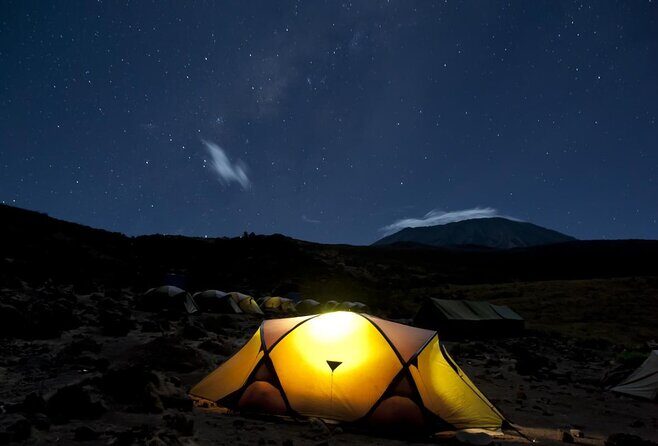
- Forest-to-alpine change from Day 1: mossy cloud forest gives way to heathers, tall grasses, and wildflowers, then later to alpine desert.
- Shira Plateau acclimatization rhythm: time at altitude plus a planned up-and-down day that sets you up for the next moves.
- Barranco Wall challenge: a hands-on scramble that many people remember long after the summit dust settles.
- Midnight ascent structure: headlamp hiking, steep grind to Stella Point, then a more gradual climb to Uhuru Peak.
- Certificate system tied to your reach: green for Stella Point, golden for Uhuru Peak (5895m).
- Support that matters: guides like Noel, Mtui, and Emmanuel, plus 20+ porters, keep logistics and morale in shape.
Why the Machame Route Works Best for People Who Want Time at Altitude
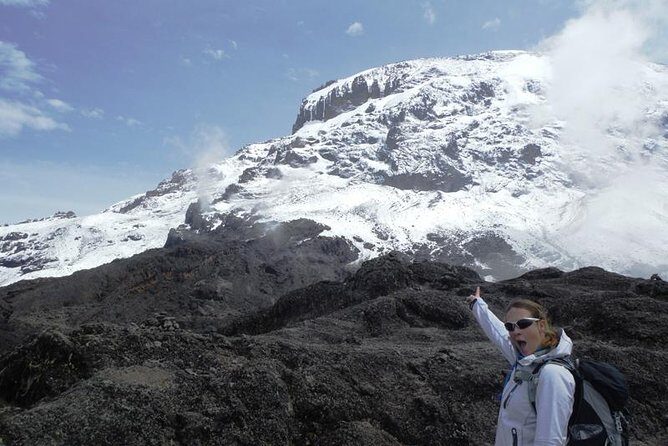
The 7-day Machame climb approaches Kilimanjaro from the south-west and then links into the Shira route before you move beneath the southern ice fields of Kibo. The big idea is simple: you get maximum possible acclimatization for a climb that still includes a real, full mountain experience.
I like this plan because it balances two things that don’t always play nicely together on Kilimanjaro. You’ll be active every day, but you also get built-in breathing room—so the trek feels tough for the right reasons, not just because you’re rushed.
There’s also a genuine sense of wilderness once elevations rise. And if weather cooperates, you can catch views of Mt. Meru floating on clouds, which is the kind of moment that makes the whole slog feel worth it.
A few more Arusha tours and experiences worth a look
Day 1: Machame Gate to Machame Camp Through Mossy Cloud Forest
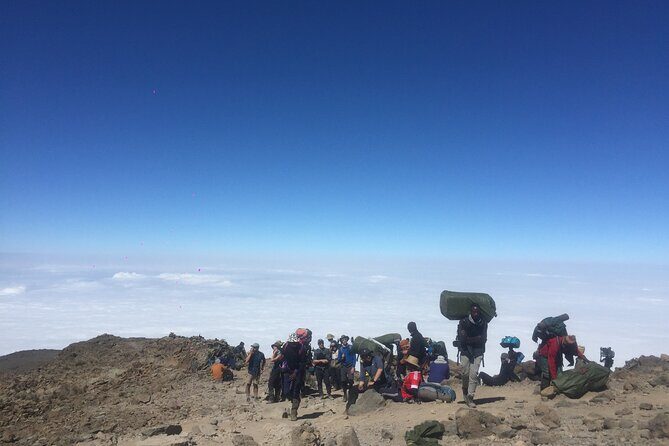
Your day starts with travel from Moshi to Machame Gate, where you meet the porters and cooks who will be trekking with you for the week. There’s time to prepare and double-check your kit, plus registration while your staff handles the paperwork side.
Then the trek begins through moss-covered trees in Kilimanjaro’s cloud forest. This first stretch is special because it’s not just scenic; it’s a tone-setter. You’ll notice the forest gradually thin as you go, and the vegetation changes as you climb—heathers, tall grasses, and wildflowers showing up more clearly toward camp.
Practical tip: go slow on Day 1. Cloud-forest hiking can feel deceptively easy, and that’s where a lot of people accidentally overspend their energy. Use the cool air and lower exposure to get your breathing rhythm right early.
Day 2: Shira Plateau Climb With Big Kibo and Mawenzi Views
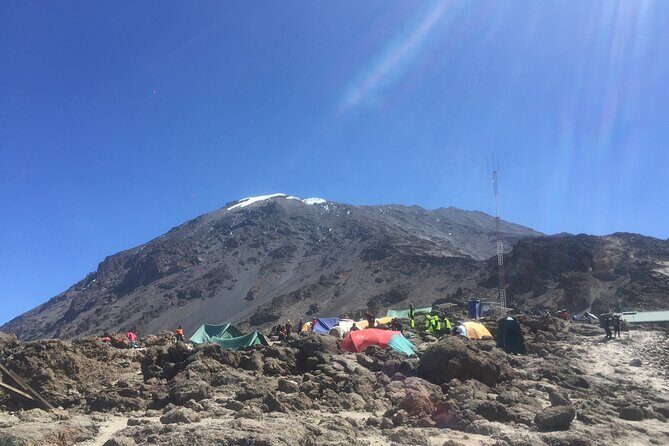
Day 2 is often described as the easiest day on the Machame route, but it still includes several uphill sections. On a clear day it can be hot on exposed parts, so carrying plenty of drinking water matters more than people expect.
As you gain altitude, you’ll see vegetation shrink and change. Names you might hear on the climb include Senecio kilimanjari and Lobelia deckenii, which mark the shift into higher-altitude plant life.
After lunch, you climb to the Shira Plateau, formed when Kibo’s lava flows filled the Shira crater. Then you continue on to Shira Camp, where Kibo sits to the west and Mt. Meru sits to the east—so you get that “directional view” feeling that helps you orient yourself.
Practical tip: pace your uphill time and don’t save your effort for the last hour. If you feel your breathing spiking, slow down early rather than trying to force the hike pace.
Day 3: Crucial Acclimatization Up, Down, and Barranco Camp Ahead
This is a day where the numbers look manageable on paper, but the acclimatization logic is the point. The up-and-down structure ends with only modest elevation gain for the day, yet you’ll climb to about 4,530 meters before starting your descent toward Barranco Camp.
The trek also matters because it helps you hike east on the Shira Plateau before reaching the junction where routes meet. That makes this day part of a larger strategy, not just another day of walking.
Terrain shifts again into barren sections as you move through the higher, thinner world. If you’re feeling strong, there’s an optional detour to Lava Tower, a lava formation about 300 feet jutting out from the mountainside.
Day 4: Barranco Wall Scramble to Karanga Valley With Ridge Camping
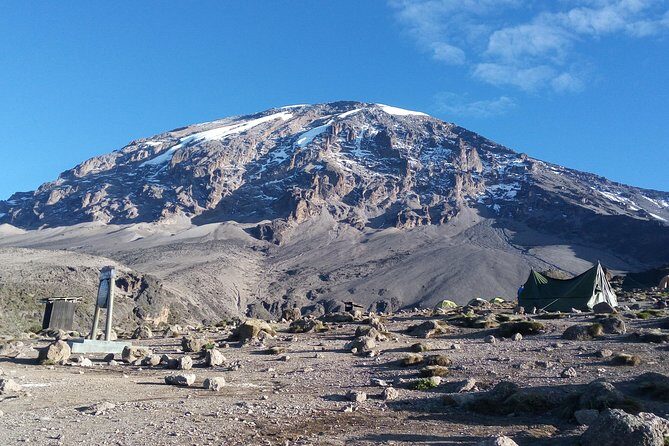
Day 4 is where many hikers feel the Machame route become more personal. You leave Barranco Camp and head toward Karanga Valley, starting with a 1.5-hour scramble up Barranco Wall.
This is not a casual walk. In steeper places you may need your hands to pull your body up, and the slope can demand focus more than brute strength.
After reaching the top, you descend into the greener Karanga Valley. Camp is typically set on a ridge above the valley to support acclimatization—so you get both a better position and an altitude strategy.
Practical tip: on a scramble day, plan to use your legs and grip calmly. Rushing makes it harder to place your feet, and the wall portion is where good foot placement really pays off.
Day 5: Barafu Camp, Glaciers, and the Night-Summit Setup
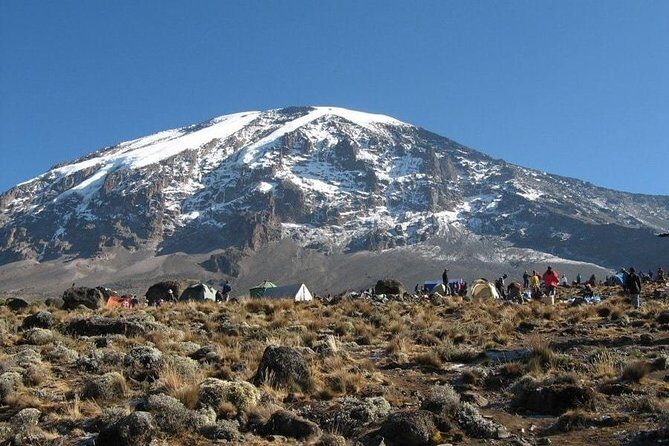
After breakfast, you hike toward Barafu Camp. As you go, you’ll see glaciers around Kibo—such as Heim, Kersten, and Decken Glaciers—and you pass near the junction that connects the Mweka descent route with the Machame trail.
This day includes an alpine desert feel with little vegetation. That can be tough mentally if you’re the type who needs scenery to stay motivated, but the views of Kibo and Mawenzi peaks at Barafu Camp can do a lot of emotional heavy lifting.
Barafu Camp is where you shift from day-hiking mode into summit-mode. The plan is to sleep as soon as dinner is done because you’ll be awake before midnight for the summit push.
Practical tip: treat this as a sleep-and-fuel day, not a “keep chatting” day. The summit night is long, and rest helps even if you don’t fall asleep perfectly.
Day 6: Midnight Push to Uhuru Peak (5895m) via Stella Point
Around midnight, you begin the final ascent to Uhuru Peak, the highest point in Africa. For the next stretch, you’ll hike by headlamp light, which makes navigation and footing feel slower, more careful, and more deliberate.
The hardest section is the steep climb from camp up to the crater rim at Stella Point. Once you reach the rim, the climb from Stella Point to Uhuru Peak becomes more gradual, though altitude makes the hike long and tiring.
The crater-rim hike takes about an hour, and once you reach Uhuru, you’ll have time for photos and views before beginning the descent toward Mweka.
Practical tip: don’t measure the day only by speed. Think in terms of steady effort. If you keep your pace controlled on the steep parts, the gradual section feels more “doable” even though it still costs energy.
Day 7: Mweka Gate Descent Through Cloud Forest and Your Certificate
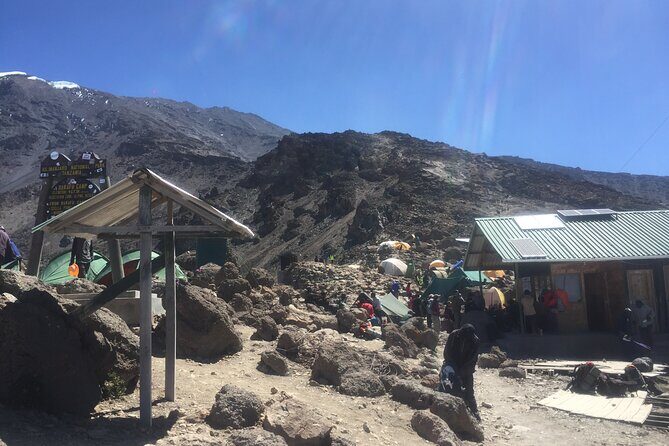
After breakfast, you finish with the descent to Mweka Gate. This last hike passes back through Kilimanjaro’s cloud forest, which is a satisfying change from the stark higher zones.
Watch your step on the way down. The trail can be slippery, and the last day is often when people get careless because they feel done.
When you reach Mweka Gate, vehicles are waiting to take you back to Moshi or Arusha. At the gate you sign in at a registration book, and climbers receive summit certificates.
Here’s the important detail: climbers who reached Stella Point get green certificates, while those who reached Uhuru Peak (5895m) receive golden certificates.
Price and What You’re Really Getting for $2,860
At $2,860 per person for a ~7-day climb, you’re paying for much more than “walking on a mountain.” You’re paying for an organized, staffed operation and the day-by-day plan that supports acclimatization.
What’s clearly included:
- Breakfast, lunch, and dinner for 7 days
- Admission tickets
- Pickup is offered
- A mobile ticket
- Group discounts (so the cost can work better depending on your group)
- A private format, meaning only your group participates
What’s not included:
- Mountain gear, trekking poles, sleeping bag, and clothes
That last point is where the budget can surprise people. Kilimanjaro is a cold climb at altitude, and gear quality matters for comfort and safety. If you don’t already own a proper sleeping bag or poles, factor in rental or purchase costs before you decide.
Still, the overall value is solid if you want a full-service climb with structured acclimatization and a team that stays with you the whole way. And based on the experience style shared by guides, the human side seems well handled too.
Guides, Porters, and the Kind of Support You Want at 4,500m
This climb runs on people, and the team you’ll work with matters as much as the route itself. Guides such as Noel, Mtui, and Emmanuel have been highlighted as part of the operation, and you’ll also be supported by 20+ porters for the climb.
That support shows up in real-world ways: they handle the camp set-up ahead of you each day, keep the trek running, and help maintain morale when the air gets thin. Some groups also report the guides bringing cultural touches into the day, including song, language lessons, and local cuisine, which can turn long walking hours into something more human.
Practical tip: ask your guide what pace plan they want you to follow early on. A good guide will help you avoid the two common mistakes: going too hard in the early days or falling into a “survive only” shuffle on summit night.
Who Should Choose This Machame Climb (and Who Might Want Another Option)
This trek fits best if you:
- Want a seven-day plan built around acclimatization rather than a shorter push
- Like the idea of moving through multiple ecological zones—from cloud forest to alpine desert
- Are comfortable with a demanding climb that includes a scramble day (Barranco Wall) and a midnight summit push
You should also be ready for the fact that the itinerary includes steep and tiring altitude sections, especially on Day 6. The provider specifically calls for strong physical fitness.
If you already own appropriate cold-weather and sleeping gear, this is a cleaner value proposition. If you don’t, the “not included” gear list means you’ll spend time and money getting set up before you go.
Should You Book This 7 Days Kilimanjaro Climb Machame Route?
I’d book it if you want the Machame route experience with the pacing that helps many hikers manage altitude better. The itinerary gives you time where it matters—Shira Plateau, smart up-and-down days, ridge camping choices, and a summit plan that’s clearly structured (steep to Stella Point, then a gradual final push).
The best reason to book, though, is trust in how the trek is run. When your guides are focused and your porters and cooks are moving camps into position each day, you spend less mental energy on logistics. You can focus on the climb, the views, and keeping your body working.
If you’re short on gear and planning to rent last minute, I’d do the gear planning first. Get your kit sorted early, then commit. That single step can make the whole trip smoother.
FAQ
How long is the Kilimanjaro climb on the Machame route?
The climb runs for 7 days (approx.).
What route does this 7-day Kilimanjaro climb follow?
It uses the Machame route through forest and moorland from the south-west, joins the Shira route, goes beneath the southern ice fields of Kibo, and finishes with the Barafu route for the final summit approach.
What is included in the meals?
Breakfast, lunch, and dinner are included for 7 days.
Is trekking gear included in the price?
No. Mountain gears, trekking pole, sleeping bag, and clothes are not included.
Do you get pickup from Moshi or Arusha?
Pickup is offered, and vehicles are waiting at Mweka Gate to take you back to Moshi or Arusha after the climb.
Is this a private trip?
Yes. It is described as a private tour/activity, and only your group will participate.
What summit certificate do you receive if you reach Uhuru Peak or Stella Point?
You sign in at Mweka Gate and receive certificates based on how far you reached. Stella Point earns a green certificate, and Uhuru Peak (5895m) earns a golden certificate.
What happens if the experience is canceled due to poor weather, and how does cancellation work?
The experience requires good weather. If it’s canceled due to poor weather, you’ll be offered a different date or a full refund. Free cancellation is available, and you can cancel up to 24 hours in advance for a full refund.