REVIEW · DAR ES SALAAM
Dar es Salaam City tour and Beach Leisure – 9 hours
Book on Viator →Operated by Aloys E Malekela · Bookable on Viator
Dar es Salaam hits fast. In one private 7–9 hour day, you’ll get a practical sweep of the city’s history and daily life, plus a calm break built in for “beach leisure” around the Kunduchi area. Two things I really like: the drive is air-conditioned, so you’re not cooked by the time you reach the next stop, and lunch is included so the day stays smooth instead of turning into a scramble for food.
The other big plus is the human side. With your guide, Aloys E Malekela (the name you’ll see with confirmations), the tour doesn’t feel like a checklist. I like how he meets you at your hotel or the airport and keeps the day moving with clear explanations. One possible drawback: it’s still a long day with plenty of walking and time in town, so plan for heat, take comfortable shoes, and pace yourself.
Key highlights to look forward to
- Hotel or airport pickup so you start the day without traffic stress
- Air-conditioned private transportation for a long, stop-heavy itinerary
- Aloys E Malekela as guide, with an upbeat, informative style
- National Museum + Village Museum to connect Tanzania’s past to everyday life
- Markets and shopping stops, including fish market, Kariakoo, Mwenge curio shops, and kitenge shopping
- Kunduchi stops tied to the tour’s beach-leisure time
In This Review
- A full-day Dar es Salaam overview that actually helps you plan the rest
- How the private tour runs (and why the air-conditioned part matters)
- National Museum of Tanzania: where to start if you want context, not chaos
- Fish market and Kariakoo Market: the city’s energy in human scale
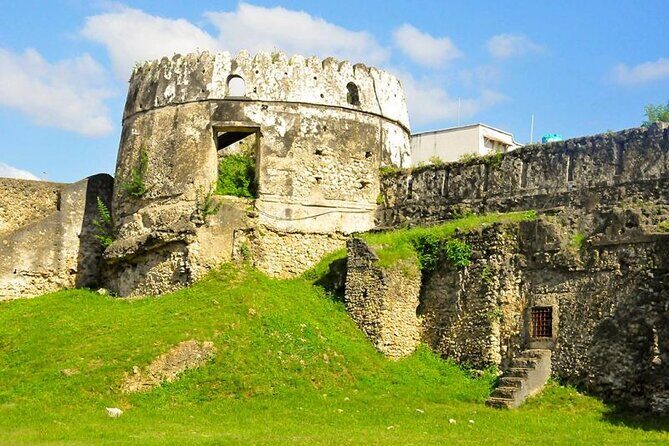
- Missionaries of Africa and the Sultan Majjid Building: religion and history side by side
- Azania Front Church and Saint Joseph Cathedral: noticing how faith looks on the street
- Askari Monument, Village Museum, and Mwenge curio shops: culture you can hold, not just read
- Kunduchi stops and beach leisure time: where relaxation fits the day
- Lunch or dinner included: eat early, keep energy steady
- What I learned from Aloys E Malekela’s style on a day like this
- Price and value: does $250 really make sense?
- Who this Dar es Salaam tour suits best
- Should you book this Dar es Salaam city tour and beach leisure?
- FAQ
- How long is the Dar es Salaam City tour and Beach Leisure?
- What is the price per person?
- Is this a private tour?
- What’s included in the tour price?
- What does the tour include for transfers and where does it start?
- What stops are part of the tour?
- Are any admissions mentioned as free?
- What is not included?
A full-day Dar es Salaam overview that actually helps you plan the rest

Dar es Salaam is big, noisy, and full of layered history. This tour is a smart way to get your bearings fast: you’re not just seeing landmarks, you’re learning how the city fits together—coast, commerce, religion, museums, and local crafts.
The value for me is that it’s structured but not stiff. You’ll hit major sites, yet you’re still moving through real neighborhoods—especially during market time. If you’re trying to pack in a lot before you head elsewhere, this is one of the cleanest ways to do it.
One more reason it works: it’s private. That means your schedule can breathe a bit if you want extra time in a shop or you’d rather ask more questions at a museum stop than rush to the next photo spot.
How the private tour runs (and why the air-conditioned part matters)

This is a private experience, meaning it’s just your group and not a mixed crowd. You’ll also get transportation included, so you’re not hopping between taxis all day long.
The itinerary is built around a series of stops across Dar es Salaam, so the air-conditioned driving is more than a comfort perk. In hot coastal weather, it’s the difference between feeling fresh enough to enjoy the sights and feeling like you’re surviving them. You’ll spend hours in a vehicle, and the included AC turns that time into a reset between busy areas.
Timing-wise, expect roughly 7 to 9 hours. That range matters because Dar traffic can shift the pace. Build your buffer for the rest of your day, especially if you have evening plans or a later flight.
You can also read our reviews of more city tours in Dar es Salaam

National Museum of Tanzania: where to start if you want context, not chaos

The National Museum of Tanzania is the kind of stop that makes the rest of your day click. Instead of wandering through churches and monuments with only surface-level impressions, you get a foundation for what you’re seeing across the city.
What I like about a museum start is simple: it sets vocabulary. When your guide points out themes like cultural identity, historical change, and how communities lived and adapted, the city’s details stop feeling random.
A practical tip: plan to spend enough time to read what’s in front of you, not just glance for photos. This stop is best when you let it slow you down for a bit, even if the overall day is fast.
Fish market and Kariakoo Market: the city’s energy in human scale

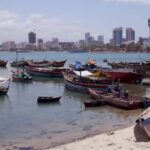
When you reach the fish market of Dar es Salaam and later Kariakoo Market, you’ll feel the city working. These are the kinds of places where the sights and sounds are the point. You’re not visiting a quiet attraction—you’re seeing commerce, food culture, and local rhythms.
I love this part because it teaches you how people actually live. Museums give you the story; markets show you the present.
One consideration: market areas can be busy. If you’re not used to crowds, keep your pace steady, hold onto your belongings, and be respectful with photos. It’s also a good idea to bring a bottle of water and take quick breathing breaks when you can.
Missionaries of Africa and the Sultan Majjid Building: religion and history side by side

Your route includes the Missionaries of Africa Building and the Sultan Majjid Building. These aren’t just architectural stops; they show the long influence of trade, religion, and regional connections that shaped Dar es Salaam over time.
Why this combination is smart: you’re comparing different layers of influence in a single day. One site points toward European missionary presence, and another connects you to the Sultan Majjid reference from the tour description, including the idea of Dar es Salaam as a place associated with peace.
When you’re moving from one building to the next, pay attention to how your guide frames the timeline. It helps you see the city as an evolving place, not a set of disconnected monuments.
Azania Front Church and Saint Joseph Cathedral: noticing how faith looks on the street

Two church stops—Azania Front Church and Saint Joseph Cathedral—add a different texture to the day. You’ll likely notice how religious spaces can be both spiritual centers and landmarks that anchor a neighborhood.
This is the part of the tour where I recommend you slow down. Even if you’re not a “church person,” these are useful because they show how architecture and faith land in daily life. Your guide can also connect what you see to Tanzania’s wider story, so you understand why these buildings matter locally.
Dress modestly if you’re able. It’s a practical move for comfortable visits and it respects the spaces you’re entering.




Askari Monument, Village Museum, and Mwenge curio shops: culture you can hold, not just read

The tour doesn’t keep everything in “look and leave” mode. You’ll also visit the Village Museum and stop at Mwenge Curio Shops. That shift is important because it balances big themes with tangible culture.
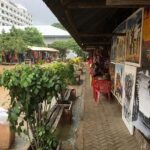
At the Village Museum, you get a chance to see curated cultural presentation—useful for understanding traditions and community life. Then at Mwenge Curio Shops, the focus shifts toward crafts and everyday selling. The curio world is where you can ask questions that come from real curiosity, like how items are made or what different styles represent.
One shopping-related stop that you’ll want to plan for is the kitenge shopping tour. Kitenge fabric is a signature Tanzanian textile, and it’s the kind of souvenir that feels connected to local life, not generic tourist goods.
If shopping matters to you, bring cash and keep an eye on how you’ll carry purchases. You’ll likely be moving between markets and shops, so a small day bag can be your best friend.
Kunduchi stops and beach leisure time: where relaxation fits the day

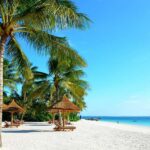
The itinerary includes Kunduchi Site and a Kunduchi Historical site. The tour name also includes beach leisure, so you should expect a calmer break around this area rather than another rapid-fire city segment.
I like this structure. A full city day can wear you down. Built-in downtime keeps the whole day from feeling like nonstop errands with a guide.
If you’re hoping to actually relax, come prepared. Wear something comfortable, have sunscreen, and keep your towel or light cover in mind if you plan to linger near the water during your beach-leisure window.
Lunch or dinner included: eat early, keep energy steady

A traditional Tanzanian lunch is included, and it’s one of those details that quietly makes the tour better. Food breaks help you stay engaged instead of drifting into fatigue mode.
Because the tour lasts 7 to 9 hours, a real meal is the difference between enjoying markets and starting to feel irritable. If you’re offered choices, pick what you think you’ll enjoy without needing a risky spice level on a long travel day.
Also note: beers and wines aren’t included. So if you like a drink with lunch, you’ll be arranging that separately.
What I learned from Aloys E Malekela’s style on a day like this
The best part of this tour is how the guide connects dots. In the feedback you can see a theme: Aloys meets you directly and keeps things organized, which matters a lot when you’re arriving in a new city and don’t want to wrestle morning traffic.
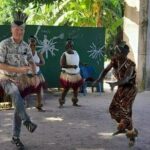
There’s also a lively tone to the day. One detail that stands out: people describe an added cultural moment like a tribal dance. Even when that isn’t the main focus of the route, it hints that the tour can add human, memorable touches rather than staying strictly at monuments.
If you enjoy asking questions—about history, religion, city life, or daily routines—this is the kind of guide format that gives you room to talk.
Price and value: does $250 really make sense?
At $250 per person, this isn’t a bargain-basement city hop. But it also isn’t just “a driver and a map.”
You’re paying for:
- A private guide (Aloys E Malekela)
- Private transportation for a long day with many stops
- All fees and taxes
- Lunch or dinner included
- A route that covers major city themes: museums, markets, religious landmarks, memorials, crafts, and Kunduchi stops
For me, the value is strongest if you want efficiency and context. If you’re trying to do these stops on your own, the cost of multiple taxis or a patchwork of transport can add up fast. Plus, you lose the explanations that turn a list of places into understanding.
If you’re traveling with a partner or small group, private tours become even better value because you’re not splitting the day across strangers.
Who this Dar es Salaam tour suits best
This tour fits you well if you:
- Want a big picture overview of Dar es Salaam in one day
- Appreciate guided explanations at museums and monuments
- Like market visits and craft shopping rather than only formal sights
- Prefer hotel or airport pickup to start your day calmly
- Are okay with a long, active 7–9 hour schedule
It may be less ideal if you want minimal walking, a very slow pace, or a tour with no crowds at all. Markets will feel busy. That’s part of the point.
Should you book this Dar es Salaam city tour and beach leisure?
I’d book it if you’re landing in Dar es Salaam and want to make the city work for you quickly. The combination of air-conditioned private driving, a museum-and-market mix, a guide-led approach with strong organization, and included meals makes it a comfortable way to see a lot without turning your day into logistics.
If you’re the type who likes to return to places later, this is also a good “first-date” tour: you’ll discover which stops you want to revisit at your own pace.
If you want, tell me your travel month and whether you’re starting from the airport or a hotel, and I can help you plan what time of day to schedule this 7–9 hour loop for the easiest experience.
FAQ
How long is the Dar es Salaam City tour and Beach Leisure?
It runs about 7 to 9 hours (approximately).
What is the price per person?
The price is $250.00 per person.
Is this a private tour?
Yes. It’s a private tour/activity, so only your group participates.
What’s included in the tour price?
All fees and taxes, private transportation, and lunch or dinner are included.
What does the tour include for transfers and where does it start?
Transfers are available from your hotel or from the airport, and the meeting point starts in Dar es Salaam, Tanzania.
What stops are part of the tour?
The tour includes stops such as the National Museum of Tanzania, fish market, Missionaries of Africa Building, Sultan Majjid Building, the Kunduchi site, Kariakoo Market, the Village Museum, Mwenge Curio Shops, Azania Front Church, Saint Joseph Cathedral, Askari Monument, Kunduchi Historical site, and kitenge shopping tour.
Are any admissions mentioned as free?
The experience notes Admission Ticket Free.
What is not included?
Beers and wines are not included.