REVIEW · ARUSHA
7-Day Mountain Climbing in Machame Route
Book on Viator →Operated by Serengeti Wildlife Safaris · Bookable on Viator
Ready for Kilimanjaro’s hardest kind of calm? This 7-day Machame Route trip turns Mount Kilimanjaro into a moving timeline of habitats and views, from thick rainforest to high alpine desert and a summit sunrise that makes the hours of hard hiking feel worth it. I like that it’s built for real trekkers with moderate fitness, not hardcore mountaineers, and I also like the human touch: porters and cooks are part of the rhythm, with camp meals and support along the way. One drawback to plan for: the altitude is the boss, and the summit push runs through the cold hours with a long, dark hike plus an additional steep climb at the top.
I especially appreciate the route variety you get day after day. You go from spotting blue colobus monkeys and birdlife in the rainforest, to Kibo Glacier views from Shira, to the classic Barranco area, including a section of old-school rock climbing on the Barranco wall. The trade-off is that the days stack altitude and steepness in a way that can test anyone who tries to race the climb or ignores hydration.
If you’re paying around $2,700 per person for a private climb, you’ll want to feel good about the value: park fees and admission tickets are included, meals are largely covered, and the itinerary is paced over multiple camps instead of a rushed “grab-and-go” summit attempt.
In This Review
- Key things you’ll notice on the Machame Route
- Machame Route: a smarter way to meet Kilimanjaro
- Your day-by-day plan: what each stage really feels like
- Day 1: Arusha to Kilimanjaro National Park, rainforest hikes to Machame Camp
- Day 2: Moorlands and Shira Camp with Kibo Glacier views
- Day 3: Volcanic rocks to Barranco Camp, the day you earn your confidence
- Day 4: Barranco wall rock climbing to Karanga Valley camp
- Day 5: Up to Barafu Camp for the South Circuit and summit-night preparation
- Day 6: Midnight summit push to Stella Point, then peak sunrise
- Day 7: Final hike to Mweka Gate, celebration, and back to Arusha or Moshi
- Guides, camp life, and why “support crew” matters
- Price and value: what $2,700 is really covering
- Summit success isn’t hero mode: tips for pacing and altitude
- Who this Machame climb is best for (and who should think twice)
- Should you book Serengeti Wildlife Safaris for Machame?
- FAQ
- What time does this Machame Route trip start?
- Is pickup offered, and where do you return after the climb?
- How long is the Kilimanjaro Machame Route experience?
- What’s included in the price?
- Are tips included?
- What happens if weather is poor?
Key things you’ll notice on the Machame Route
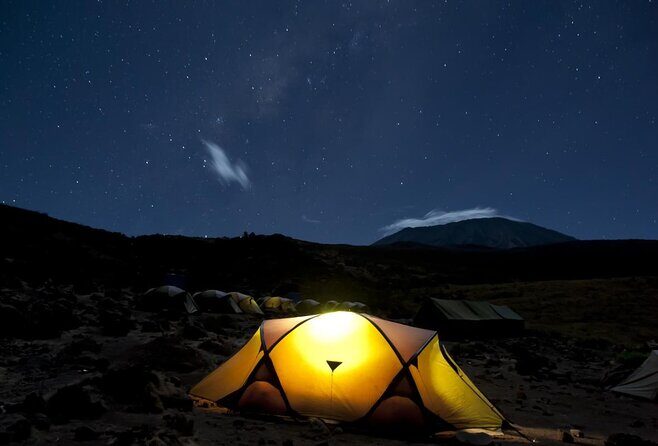
- Forest, moorland, semi-desert, and alpine desert all show up in one week, not just once
- Wildlife and birds in the early rainforest portion make Day 1 feel less like a long slog
- Shira Camp to Kibo Glacier views give you a real sense of where you’re headed
- Barranco Camp + Barranco wall rock climbing adds a fun, confidence-building challenge
- Stella Point and summit sunrise are the emotional payoff for the midnight start
- Private group feel with your own support team, plus pickup and return transfer
Machame Route: a smarter way to meet Kilimanjaro
The biggest reason people choose Machame is also the most practical one: it gives you variety. Instead of spending the whole week in one kind of scenery, the mountain changes character as you climb. You start among trees, then shift into open moorland, then into dryer, more exposed highland zones. That means your body gets different effort patterns too—you’ll still hike uphill most days, but the terrain and air change enough that the trip doesn’t feel like the same day repeated seven times.
This climb is also marketed as achievable without technical mountain skills. The route is designed for determined trekkers with a good baseline of fitness. In the wild, people from ages 89 down to age 7 have reached the top, and while that doesn’t mean you should treat altitude lightly, it does hint at what matters most: consistent effort, patience, and listening to your guides rather than trying to “win” the mountain.
For me, the real point is this: Machame gives you enough time on the mountain to build acclimatization without turning the trip into a long, drawn-out trek that burns weeks away. You’re out there for about a week, hiking 3–6 hours most days, with the big exception of summit night.
A few more Arusha tours and experiences worth a look
Your day-by-day plan: what each stage really feels like
Day 1: Arusha to Kilimanjaro National Park, rainforest hikes to Machame Camp
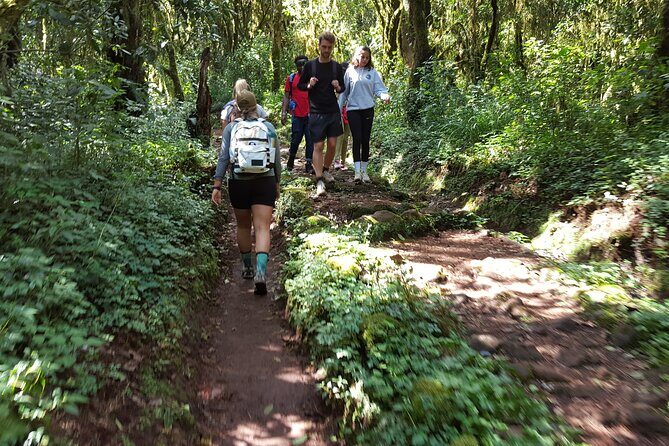
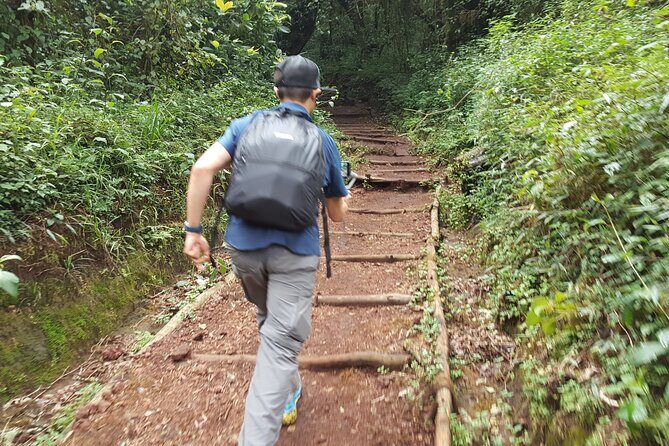
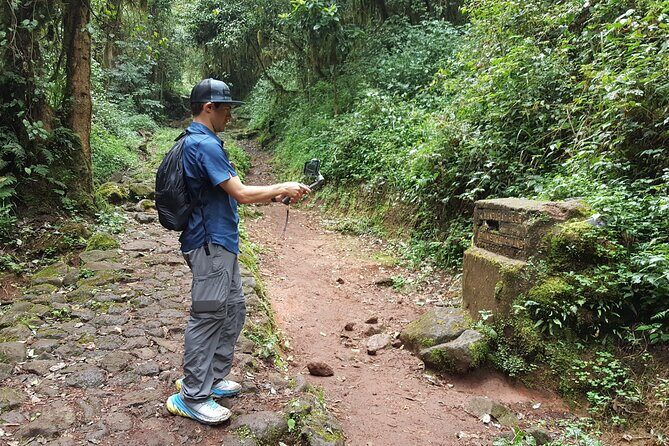
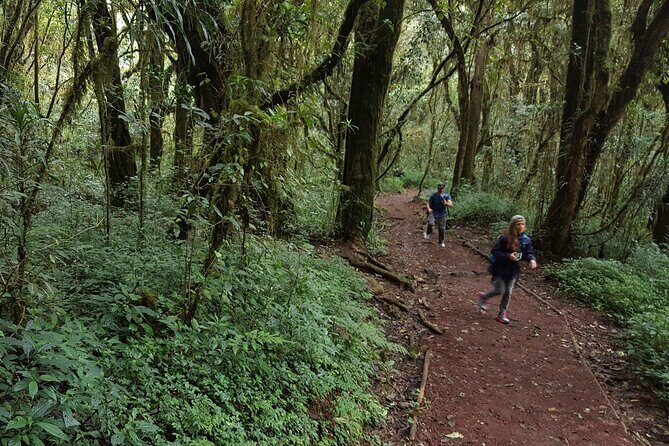
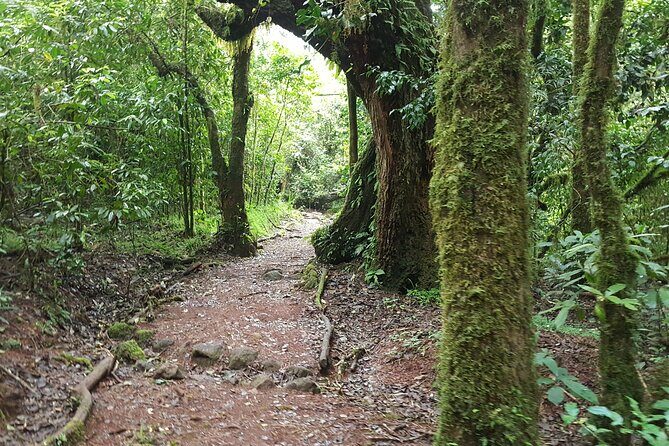
You depart Arusha and get your formalities done before your trek truly starts. Then comes the thick forest, where the air feels cooler and the walking can feel steady—especially compared to later, thinner-air sections.
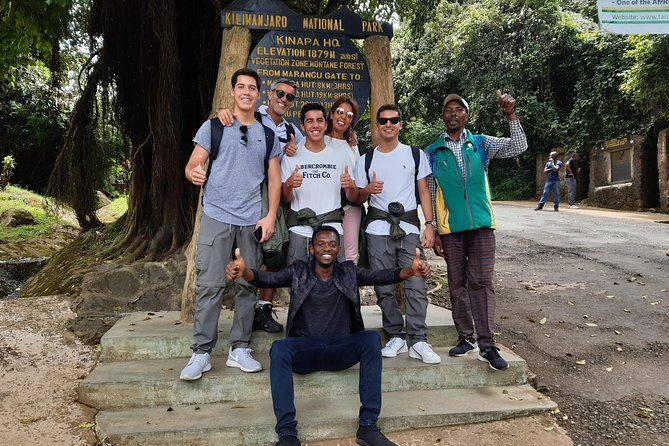
A couple of details make Day 1 more than just “warm-up hiking.” First, you’re looking for wildlife like blue colobus monkeys and a variety of bird species. Second, the day ends at Machame Camp (around 3,000 meters) after about 5–6 hours of hiking. When you arrive, your porters and cook are waiting, and the trip sets you up for recovery with meals and even a hot bath setup. That matters on Kilimanjaro: the mountain asks for sleep, hydration, and calm digestion, and camp support helps you do that.
Altitude gained: about 1,210 meters. The rainforest is forgiving in some ways, but it’s also humid—so you can still sweat hard even when it feels comfortable.
Day 2: Moorlands and Shira Camp with Kibo Glacier views
Day 2 starts early and stays shorter, which is smart. You still climb, but the goal here is momentum without frying yourself.
The rainforest portion gives way to open moorlands, so the hiking feels more exposed. Midafternoon, you reach Shira Camp and get time to relax while taking in Kibo Glacier views. That glacier sightline is one of those “oh wow, it’s real” moments. Even if you’ve studied photos for weeks, the first clear view of Kibo from high terrain hits differently because the scale becomes obvious.
Hiking time is about 4–5 hours, and altitude gained is about 818 meters. This is a good day to practice your personal pace: steady steps, slow breathing, and water every chance you get.
Day 3: Volcanic rocks to Barranco Camp, the day you earn your confidence
Day 3 includes a first intimidating challenge: a 300-foot volcanic rock formation. That doesn’t sound long, but “short and steep” always feels longer at altitude. After that, the route descends toward Barranco Camp (about 4,500 meters).
One reason Barranco is such a classic Kilimanjaro stop is the vibe. This area is known for beauty, and the camp feels like a stage where the trip becomes truly scenic rather than just “functional.” Expect semi-desert terrain by this point, which also means less cover and more direct wind exposure.
Hiking time is about 5–6 hours. Altitude gained is relatively low compared to other days (about 147 meters). That low climb-in can help your body settle, even if the day still feels like work.
Day 4: Barranco wall rock climbing to Karanga Valley camp
This is one of the most fun days on the itinerary. After breakfast, you tackle the Barranco wall with a bit of old-school rock climbing. It’s not the same as technical climbing with ropes, but it does require using your hands, choosing footing carefully, and trusting your guides when the rock looks scarier than it is.
Then you continue toward the Karanga Valley, where lunch and overnight happen at Karanga Camp. The habitat shifts to alpine desert, which means the air tends to feel drier and colder the higher you go.
Expect about 5 hours of hiking here, with altitude gain around 48 meters. That’s another day designed more for acclimatization and “getting comfortable above” rather than maximum altitude punching.
Day 5: Up to Barafu Camp for the South Circuit and summit-night preparation
Day 5 pushes higher to Barafu Camp, and the route description calls out the South Circuit and the reward views of the summit area from different angles. This is when the climb feels closer to its finale. You’re no longer just climbing—you’re positioning yourself.
The plan at Barafu emphasizes energy management. After breakfast, you do a short hike (about 2–3 hours). Then it’s time to prepare for summit night: an early energizing meal, enough water, and rest. Barafu is also where you’ll start to feel how Kilimanjaro treats time. You’ll be in a cold, high place, with a midnight wake-up coming, and the best skill becomes sleeping whenever you can.
Altitude climbs from about 4,034 meters to 4,662 meters. That gain isn’t “small,” but it’s scheduled with summit success in mind—because the next day depends on how well you recover from today.
Day 6: Midnight summit push to Stella Point, then peak sunrise
This is the night you plan your whole week for. You’re woken up around midnight with tea and a light meal. You dress, then start hiking in pitch darkness for about 5–6 hours.
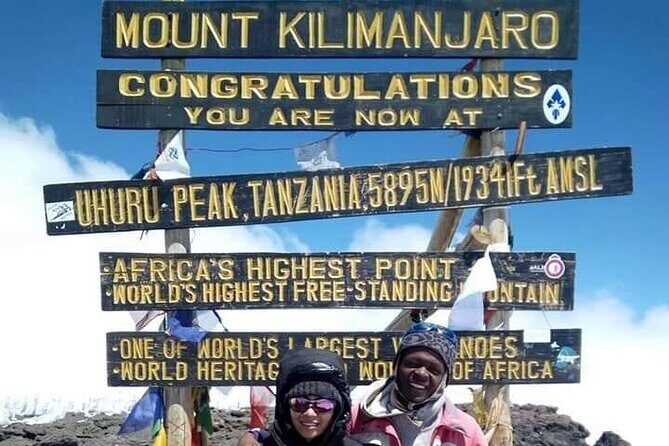
The goal is reaching Stella Point a few hours before sunrise. From there, there’s an additional hour of extreme hiking before reaching the peak at about 5,985 meters. The route promises sunrise and a spectacular panoramic view, and in practice that’s the part people remember long after their legs forget how to be proud.
Then comes the flip side: after photos and celebration, you start descending back toward Barafu Camp for lunch. After that you keep going down toward the next stage on the way to Mweka.
If you’re considering this climb, ask yourself a simple question: can you follow a slow pace for hours without getting frustrated? Summit night rewards patience more than fitness alone.
Day 7: Final hike to Mweka Gate, celebration, and back to Arusha or Moshi
Day 7 is a hard-earned relief. You enjoy a final meal on the mountain, then hike down to Mweka Gate. It’s not just paperwork: you celebrate with guides, porters, and the cook who kept your camp alive during the week.
Tips are recommended here, and they’ll be part of the moment. After you finish at the gate, your driver returns you to accommodation in either Moshi or Arusha for rest. The itinerary lists a hotel option called Forest Hill Carnival Hotel for the final night.
Hiking is about 3–4 hours, and the altitude drop is big: from roughly 3,106 meters to 1,633 meters, losing about 1,473 meters. Your legs will feel that the first time you walk downhill. Your brain will also feel it—because you’re done, and that’s a strange mix of joy and exhaustion.
Guides, camp life, and why “support crew” matters
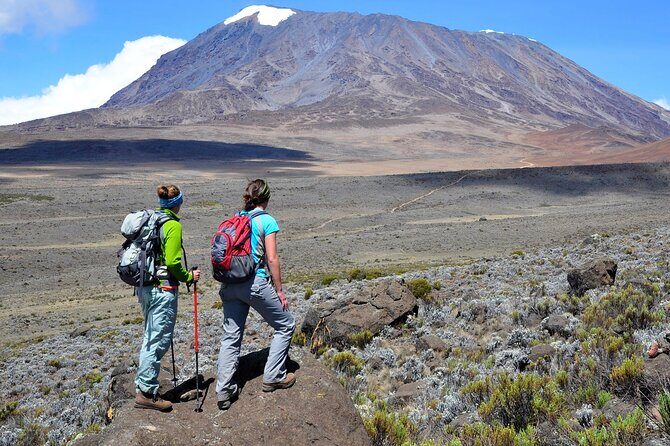
On Kilimanjaro, your hiking plan is only half the story. The other half is what happens before you sleep and after you wake.
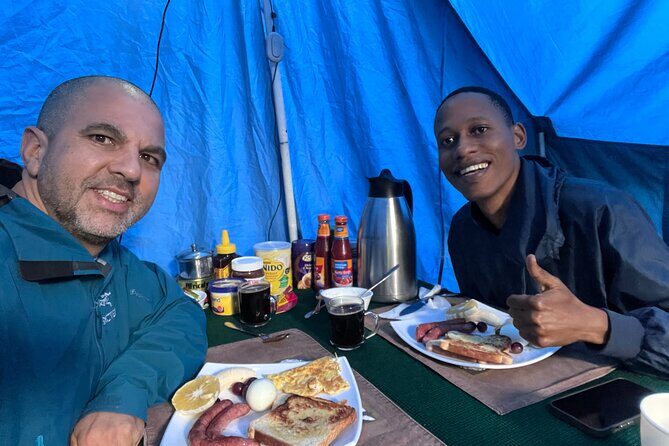
This climb is run with expert guides and a crew of porters and cooks. Day 1 includes porters and cook support right when you arrive, including meals and hot bath setup so you don’t tumble into recovery mode with just dry cereal and cold water.
One of the strongest bits of feedback in the info you provided is that the guides and crew can make the experience feel smooth and human. In particular, names like John and Ellie show up with praise for being incredible and for making the days enjoyable without losing safety focus. That’s the balance you want on Kilimanjaro: helpful guidance without turning the mountain into a lecture hall.
Food is also included through the trip: breakfasts (7), lunches (7), and dinners (6). On a high-altitude climb, consistent calories matter. It’s not just taste; it’s keeping you stable for the next day.
Price and value: what $2,700 is really covering
At $2,700 per person for about 7 days, this is the kind of cost you pay for a staffed expedition—guides, porters, camp operations, meals, and the park permissions that go with Kilimanjaro.
In your case, the price includes:
- Park fees
- Meals (breakfasts and lunches each day listed, plus dinners for most days)
- Admission tickets (listed as included each day)
What’s not included is tips.
So the value question becomes: do you want to outsource the work? With Kilimanjaro, you’re not just buying hiking. You’re buying a controlled system: permits, camp management, food timing, and a team that knows how the mountain is likely to treat you.
Private tours also explain the cost. This is private, so it’s only your group. That typically means less waiting around, fewer mixed pacing styles, and more direct attention from the team.
My practical advice: budget for tips and plan for cold-weather needs. The listing doesn’t spell out every gear item in the included section you shared, and some gear details show up only in feedback. If you have a specific item you rely on—like your own sleeping bag or a certain kind of trekking pole—confirm what’s provided versus what you should bring.
Summit success isn’t hero mode: tips for pacing and altitude
Machame gives you multiple acclimatization steps, which is good, but it still doesn’t erase altitude. Your job is to make the plan easier on your body.
Here’s what I’d focus on:
- Keep your pace slow and consistent on climbing days. Fast starts turn into slow finishes.
- Drink regularly even when you don’t feel thirsty. Cold air can hide dehydration.
- Eat even when you don’t feel hungry; altitude can change your appetite fast.
- Expect the emotional swing on summit night: midnight wake-up, hours in darkness, then a hard steep stretch near the top.
Also, don’t underestimate how cold it can be at high altitude. The itinerary notes summit night and early morning movement, and those hours are when cold can beat you if you’re underprepared.
If you want to laugh at yourself a little: the mountain is the only place where it’s normal to feel proud and miserable in the same hour.
Who this Machame climb is best for (and who should think twice)
This trip fits best if you:
- Have moderate physical fitness
- Can handle long days and cold nights
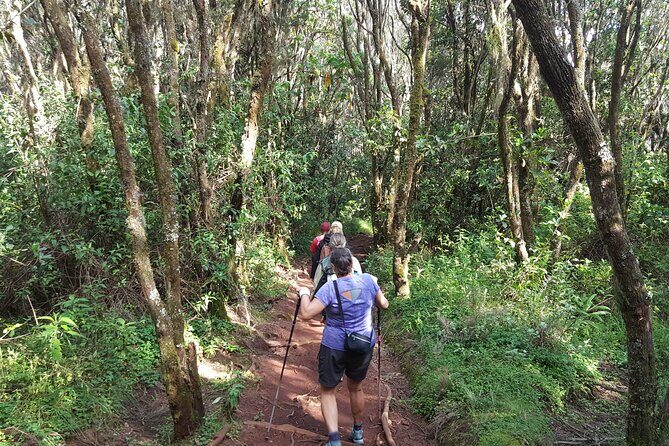
- Like the idea of camp-to-camp trekking with a full support team
- Want a classic Kilimanjaro experience with a bit of variety, including Barranco wall rock climbing
You might think twice if you:
- Want an easy walk with minimal altitude and no darkness summit night
- Feel nervous about hands-on rock scrambling on Barranco wall
- Plan to rush the climb instead of following pace guidance
A private group is also ideal if you want your own rhythm and fewer distractions.
Should you book Serengeti Wildlife Safaris for Machame?
If your goal is a well-paced Machame Route climb with park fees and meals handled, plus the structure of expert guiding and a full support crew, this sounds like a solid match. The itinerary is built around the key Kilimanjaro moments: rainforest start, Shira Glacier views, Barranco’s challenge, Barafu prep, and a summit sunrise that makes the midnight grind feel like it had a point.
I’d book if you’re serious about acclimatization, ready for summit night effort, and you want the private-group experience. I wouldn’t book if you’re looking for a casual hike, because the altitude and the summit schedule are non-negotiable.
If you decide to go, your best move is simple: confirm what gear is supplied, pack for cold, and commit to a steady pace from day one. That’s how you turn Machame from a scary checklist into a memorable week.
FAQ
What time does this Machame Route trip start?
The start time listed is 7:30 am.
Is pickup offered, and where do you return after the climb?
Pickup is offered, and after reaching Mweka Gate you’ll be driven back to accommodation in either Moshi or Arusha for a well-deserved rest.
How long is the Kilimanjaro Machame Route experience?
It’s listed as 7 days (approx.).
What’s included in the price?
The price includes park fees, meals (breakfasts and lunches for 7 days, dinners for 6 days), and admission tickets are included as part of the daily program.
Are tips included?
Tips are not included. Tips are recommended at the end of the climb.
What happens if weather is poor?
This experience requires good weather. If it’s canceled due to poor weather, you’ll be offered a different date or a full refund.