REVIEW · MOSHI
8 Days Kilimanjaro Climbing Lemosho Route
Book on Viator →Operated by Furaha Adventures · Bookable on Viator
Quiet trails, giant mountain rewards. The Lemosho Route is famous for its scenery and its slower, lower-crowd start across the Shira Plateau, with days that help you settle in for altitude. I like that the hiking stays comparatively easy at first while you rack up big views, and I also like that this 8-day plan gives you extra acclimatization before the summit push. The one real drawback to plan for is the reality of summit night: you start around 11:00 PM or midnight and the effort runs long, often 12–17 hours total.
What makes this version of the trek feel practical is how it’s run from Moshi to the gate: you get airport pickup, an orientation in town, and a gear check with your guides before you ever climb. I also like that you’re sleeping in waterproof, four-season private tents and drinking clean, purified water, so you’re not stuck improvising at altitude.
On summit day, the tour takes safety seriously in a very hands-on way: you’ll get a demonstration on safety equipment (including the Gamow bag and oxygen) the day before the climb to Uhuru Peak. You’ll also use headlamps and you’ll want spare lithium batteries, because the cold dark of summit night punishes weak power.
In This Review
- Key Things to Know Before You Hike the Lemosho Route
- Entering Kilimanjaro Through the Lemosho Way: Why This Route Works
- Getting from Moshi to the Gate: Orientation and Gear Checks
- Day-by-Day on the 8 Days: Camps, Altitude, and What Each Day Feels Like
- Day 1: Londorossi Gate to Forest Camp (Mossy forest start)
- Day 2: Into the Hagenia Zone and Shira 1 Camp (First big Kibo views)
- Day 3: Scott Fisher Memorial Camp picnic to Moir Camp (~13,650 feet)
- Day 4: Past Lava Camp and down to Barranco Valley (~13,044 feet)
- Day 5: Ascend the Great Barranco Wall to Karanga Camp (~13,106 feet)
- Day 6: Barafu Camp and the Gamow bag/oxygen demo (~15,100 feet)
- Day 7: Summit night to Stella Point and Uhuru Peak, then sleep at Mweka
- Day 8: Mweka route descent and return to town (arrival 3–5 PM)
- Food, Tents, and the Comfort Stuff You Actually Feel
- Price and Value: Is $2,300 a Good Deal for This 8-Day Lemosho?
- Who Should Choose This 8-Day Lemosho Climb
- Should You Book This 8-Day Lemosho Trek with Furaha Adventures?
- FAQ
- What route does this 8-day climb use for the ascent and descent?
- Where do you start from, and how do you get to the start?
- What are the main camp stops and altitude range?
- How long is the summit day?
- What is included in the price, and what should I plan for separately?
- Can I cancel for a full refund?
Key Things to Know Before You Hike the Lemosho Route
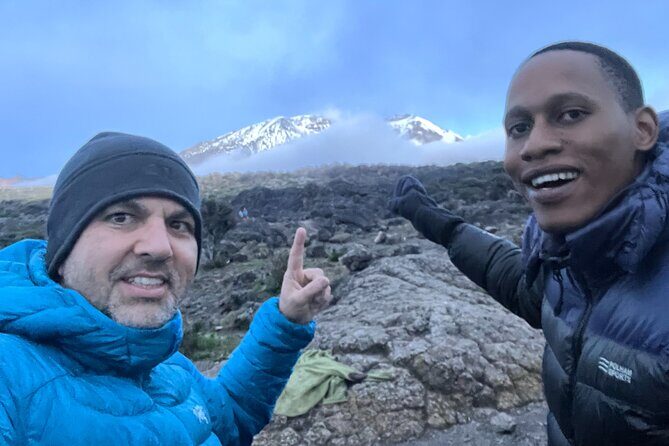
- Shira Plateau across the west-to-east stretch: a quieter start before you connect with heavier traffic near Lava Tower
- Extra acclimatization built into 8 days: more time to adjust before the big summit push
- Camp-by-camp altitude steps: steady rhythm, with a noticeable push toward Barafu and then summit
- Safety gear practice before summit: Gamow bag and oxygen instruction on Day 6, plus an oxymeter on the trip
- Summit timing for sunrise: start around midnight, aim for Uhuru Peak around first light
- Quiet wildlife and forest vibes early: mossy forest, bird calls, and possible colobus monkeys on Day 1
Entering Kilimanjaro Through the Lemosho Way: Why This Route Works
The Lemosho Route has a reputation for beauty, but what matters for you is how it feels underfoot. This trail crosses the Shira Plateau from west to east, and that’s the sweet spot: you get a day or two where the hiking is more moderate and the terrain doesn’t immediately punch you in the legs. You’re also not dealing with the thick crowds right away. That matters because Kilimanjaro trekking isn’t just about views; it’s about your pace, your sleep, and your ability to focus.
This 8-day version also gives you an extra day to acclimatize. In plain terms, that can mean fewer panic moments when the air gets thin. It’s not magic, and people still vary in how fast they acclimatize, but you’re giving your body more time to adjust before the summit push.
One more route detail that helps you plan: you start through the Londorossi gate on the western side, then you descend using the Mweka route. That west-to-east feel on the way up, and a different path on the way down, is part of why this trip has a “whole mountain experience” feel without being an all-day slog every single day.
You can also read our reviews of more tours and experiences in Moshi.
Getting from Moshi to the Gate: Orientation and Gear Checks
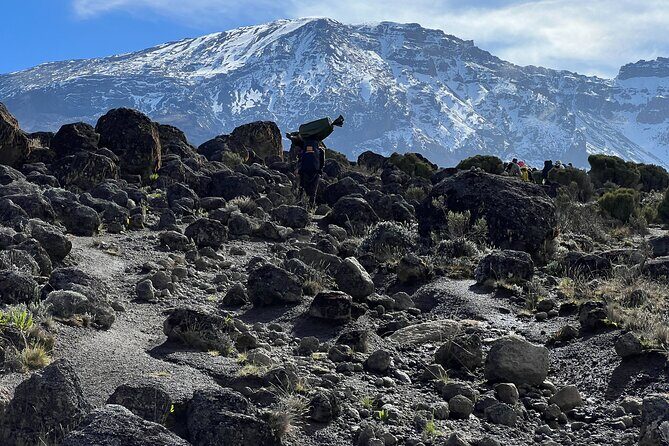
You’ll start from Kilimanjaro Airport, and the tour includes airport transfers. After that, you go to a hotel in Moshi for an orientation meeting about the trek. This is the point where you get your bearings fast: your guides will explain how the climb runs, what to expect from the camps, and how the team will manage the pace.
They also check your trekking gear. You don’t want to discover too late that a key item doesn’t work in cold conditions or that your setup isn’t ready for long nights. If you’re the type who likes to get organized early, you’ll appreciate this stage.
Finally, the tour notes a private group setup. That means it’s only your group, not a mixed herd. On Kilimanjaro, smaller and more controlled is often calmer, especially for sleep and for how quickly you can adjust your pace.
Day-by-Day on the 8 Days: Camps, Altitude, and What Each Day Feels Like
Day 1: Londorossi Gate to Forest Camp (Mossy forest start)
You drive to the Londorossi gate from the western side area, then begin hiking on the Lemosho trail. In muddy or rainy conditions, there’s a practical wrinkle: sometimes the vehicles can’t make it all the way to the true trailhead, so you may add extra hiking at the start. It’s not a dealbreaker, but it’s smart to mentally budget for that possibility.
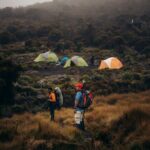
After a picnic lunch, you hike about 3–4 hours to the forest camp. This first day is the “slow inhale” of the trek: exotic moss and flowers, bird calls, and a more living, green feel than later volcanic zones. Wildlife signs are possible here, including black-and-white colobus monkeys. If you like nature that doesn’t require effort to notice, Day 1 is a treat. Overnight altitude is around 9,498 feet.
Day 2: Into the Hagenia Zone and Shira 1 Camp (First big Kibo views)
You leave montane forest and enter the Hagenia zone, and this is where the mountain starts showing itself. The views open up, including early glimpses of Kibo peak. For acclimatization, the day is a good training pattern: you go up and down ridges and you reach a highest point around 11,500 feet before descending to Shira 1 Camp.
Hiking time can stretch a lot here (6–9 hours). That variability is normal on Kilimanjaro, because pace changes with elevation and conditions. The upside is you get a gradual dose of effort rather than a one-shot climb.
Day 3: Scott Fisher Memorial Camp picnic to Moir Camp (~13,650 feet)
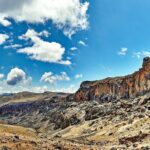
Now you traverse the Heath zone of the Shira Plateau and begin climbing the western slope of the Kibo Massif. This is the day where the route starts feeling more “high altitude” than “day hike.” Along the way, you stop for a picnic lunch at Scott Fisher memorial camp. That’s one of the more well-known named places in Kilimanjaro history, and it adds a little human story to the grind.
Then you continue onward to the upper heath zone and reach Moir Camp, with overnight altitude around 13,650 feet. Depending on the weather, you might do an acclimatization hike late in the afternoon. If conditions are clear, this is a good moment to slow down and soak in the sky. If clouds roll in, don’t fight it; keep your focus on walking steady.
Day 4: Past Lava Camp and down to Barranco Valley (~13,044 feet)
You leave the heath zone and enter the alpine zone. From there, you hike about 4–6 hours past Lava Camp up to roughly 14,300 feet, then descend a bit into the scenic Barranco Valley to camp. Expect more stark terrain now. The “volcanic” feeling is more obvious, and the air usually feels thinner.
Overnight altitude is around 13,044 feet. This day can be a mental shift: you’re higher than your previous night, but the downhill segments matter. Use them to breathe, keep your steps controlled, and don’t rush just because you’re moving down.
Day 5: Ascend the Great Barranco Wall to Karanga Camp (~13,106 feet)
Day 5 leans into one of Kilimanjaro’s iconic sections: ascending the Great Barranco Wall. You also get views of the ice fields along the way. Then you cross small valleys and work your way toward Karanga Camp.
The hiking time is typically shorter (about 3–5 hours), and overnight altitude is around 13,106 feet. That mix of a challenging wall plus a calmer valley crossing can be a sweet balance. It’s a good day to practice staying smooth on uneven ground. Your knees will thank you later.
Day 6: Barafu Camp and the Gamow bag/oxygen demo (~15,100 feet)
This is the big “set-up for summit day” day. You hike 3–5 hours to Barafu Camp, again with some ups and downs across small valleys. Once you arrive, you settle in and then get a demonstration on safety equipment: the Gamow (hyperbolic) bag and oxygen.
They also plan for early supper and then rest. Your wake-up call comes before the summit ascent, which starts around 11:00 PM or midnight. Overnight altitude is around 15,100 feet.
This day is more than walking. It’s your last proper chance to organize your night plan, check your headlamp and battery situation, and get your mind ready for long cold hours. If you’re the type who runs anxious, use the calm time at camp. No one wins by panicking early.
Day 7: Summit night to Stella Point and Uhuru Peak, then sleep at Mweka
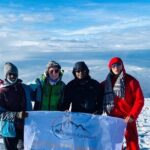
Summit day starts around 11:00 PM or midnight the night before your peak. The goal is to reach the summit at sunrise, specifically Uhuru Peak (5,896 m / 19,341 feet).
You’ll ascend 6–7 hours to Stella Point, then another 1–2 hours to Uhuru Peak. The pacing is always variable here. It’s not a speed contest; it’s altitude management plus steady movement. Once you reach the top, there’s summit celebration and photos, and then you descend.
After the summit, you go down to Barafu camp for lunch, then continue down to Mweka camp for the night. Overnight altitude is around 10,448 feet. Expect the total walking time to be very variable, often 12–17 hours typical.
A key detail: headlamps are essential, and the tour specifically recommends bringing extra lithium batteries that last better in cold, dark conditions. That’s not small advice; it can be the difference between staying focused and constantly worrying about power.
Also, a note that comes through in the real world of these climbs: Furaha Adventures guides are described as supportive and inspiring in the lead-up to Uhuru Peak. In the trip stories I saw, names like Godfrey were tied to planning, and Guiwa was mentioned in the context of guidance. That kind of continuity often helps people stay calm when the climb becomes intensely personal.
Day 8: Mweka route descent and return to town (arrival 3–5 PM)
Final day is a controlled fade-out. You make the final descent to the trailhead, about 3–5 hours on foot. There’s lunch at the trailhead and time to say goodbye to your mountain crew.
Then you head back to town and typically arrive between 3–5 PM. You’ll feel tired, but it’s the good tired: the kind where you’re done with altitude and ready for warm food and a real bed.
Food, Tents, and the Comfort Stuff You Actually Feel
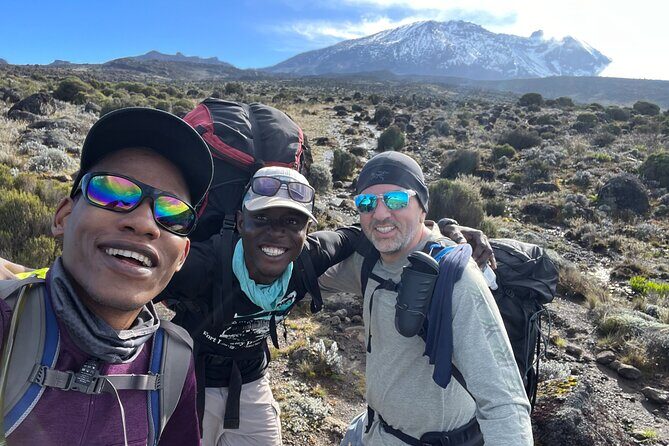
On Kilimanjaro, comforts aren’t just luxury. They help you sleep, recover, and keep moving without burning energy on survival details.
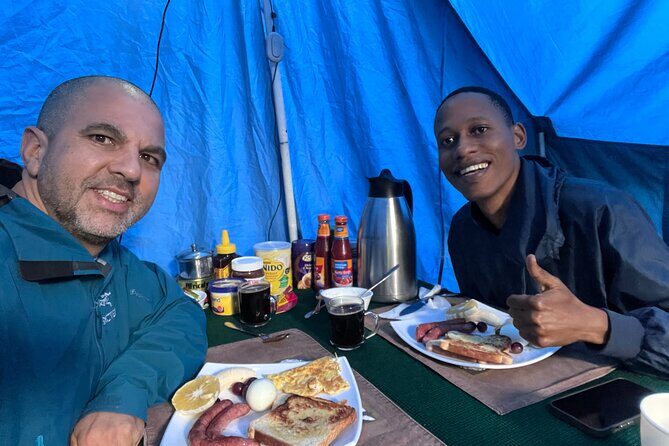
This plan includes all meals on the mountain: breakfast (8), lunch (8), and dinner (7). It also includes quality, waterproof, four-season private mountain sleeping tents, plus clean, purified drinking water. That combination matters because weather on Kilimanjaro is never guaranteed. When it’s wet, having a tent system built for rough conditions can keep a trek from turning miserable.
You also get an oxymeter included. It’s not a guarantee against altitude issues, but it’s a tool that helps the crew monitor conditions more carefully. Add the included rescue fees and the safety equipment demonstration, and the overall vibe is structured rather than improvisational.
Price and Value: Is $2,300 a Good Deal for This 8-Day Lemosho?
At $2,300 per person, the price looks steep at first glance. But what you’re paying for matters. This trek includes all park fees, guides and porters (plus cook salaries), airport transfers, tents, meals, purified water, an oximeter, and rescue fees. That’s a lot of costs folded into one package.
It also helps that this is a private tour/activity, meaning it’s only your group. Private usually costs more, but it also reduces the chaos factor. If you’ve ever been stuck behind a slow moving cluster on a narrow trail, you’ll understand why pace control matters.
What’s not included is also clear: tips, and alcoholic and soft drinks, plus personal spending money for souvenirs. That means you should budget for gratuities and a few personal extras, even if everything essential is handled.
One more practical note: this trek is booked on average about 105 days in advance, which suggests people plan early. If you have travel dates you care about, start looking sooner rather than later.
Who Should Choose This 8-Day Lemosho Climb
This 8-day Kilimanjaro Lemosho route suits you if you want a route that starts quieter, hikes across the Shira Plateau, and gives you extra acclimatization time. It’s also a good match if you appreciate structure: orientation in Moshi, gear check, camp routine, and a clear summit plan that starts late at night.
It’s less ideal if you dislike long days and unpredictability. Summit day alone can run 12–17 hours, and the start is around midnight. Also, if you’re very sensitive to cold dark conditions, take the headlamp and lithium battery guidance seriously.
The plan notes that most people can participate, and that’s common on Kilimanjaro when someone is medically cleared and prepared to walk for long stretches. If you have any medical conditions or altitude concerns, get advice before booking and bring any relevant documentation.
Should You Book This 8-Day Lemosho Trek with Furaha Adventures?
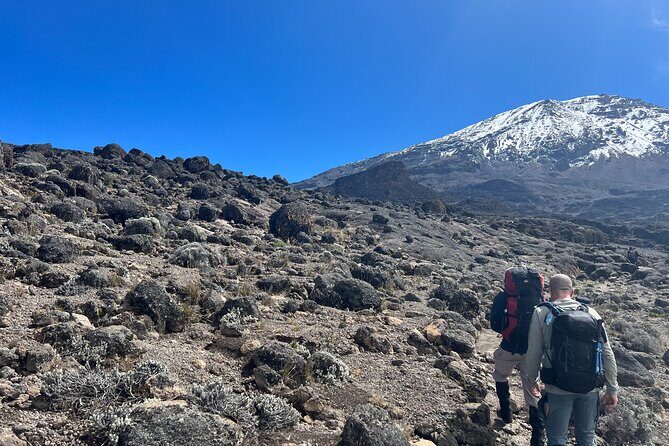
If you want a route with a calmer early feel, you’ll likely appreciate the Lemosho-to-Mweka approach and the extra acclimatization that comes with an 8-day schedule. The inclusion list is strong for value: park fees, meals, purified water, tent comfort, an oxymeter, and safety preparation like the Gamow bag demo.
I’d say book it if you’re ready for the real Kilimanjaro truth: summit night is hard, and your job is to move steadily and let the guide team manage the mountain side of things. Based on the way guides are described—supportive planning from Godfrey and guidance referenced through Guiwa—this sounds like a climb that keeps people focused when it counts.
Pass or pause if you’re looking for a relaxed walking holiday. This is a serious hike with a long summit day. You’ll earn the views, but you have to do the work.
FAQ
What route does this 8-day climb use for the ascent and descent?
This climb starts at the Londorossi gate using the Lemosho Route and uses the Mweka Route for the descent.
Where do you start from, and how do you get to the start?
The meeting point is Kilimanjaro Airport. The tour includes airport pickup, and then you go to a hotel in Moshi for trek orientation before you head to the gate.
What are the main camp stops and altitude range?
The trek includes camps such as Forest Camp, Shira 1 Camp, Moir Camp, Lava Camp (passed), Barranco Valley camp, Karanga Camp, Barafu Camp, then summit day with Stella Point and Uhuru Peak, and sleeping at Mweka camp before the final descent. Overnight altitudes range from about 9,498 feet up to about 15,100 feet, with a much higher summit.
How long is the summit day?
Summit day is variable, with typical total hiking around 12–17 hours. The ascent starts around 11:00 PM or midnight, reaches Stella Point first, then continues to Uhuru Peak for sunrise, followed by descent to Barafu camp and then to Mweka camp.
What is included in the price, and what should I plan for separately?
Included: all park fees, guides/porters/cook salaries, airport transfers, mountain tents, purified water, all meals on the mountain, rescue fees, and an oximeter. Not included: tips, and alcoholic and soft drinks, plus personal spending money.
Can I cancel for a full refund?
Yes. Free cancellation is offered up to 24 hours in advance for a full refund. If you cancel less than 24 hours before the experience start time, the amount paid is not refunded.