REVIEW · ARUSHA
4 days safari in Tanzania
Book on Viator →Operated by Cubs Expeditions Limited · Bookable on Viator
Four days, real wild sightings. I like this safari’s focus on Tarangire elephants and baobabs, and I also really appreciate the stop at Olduvai Gorge for the human-evolution angle. You get the classic parks, plus a history stop most first-timers skip, all handled with pickup, transport, meals, and game drives.
One thing to keep in mind: this is a real safari schedule. You’ll spend long hours in the vehicle on transfer days, and the overnight in a tented lodge can feel basic compared with a city hotel.
In This Review
- Key things to know before you go
- The 4-day route: how Arusha connects everything
- Tarangire National Park: baobabs, elephant numbers, and a picnic lunch
- Serengeti Seronera area: why the river matters for sightings
- Olduvai Gorge on the way to Ngorongoro: human evolution, not just animals
- Ngorongoro Crater and Lake Magadi: one big bowl of wildlife
- Marera View Lodge and Ang’ata Tented Lodge: comfort level you should plan for
- Guide and cook power: what actually improves your safari day
- Price and value: what $1,700 covers and what you still plan for
- Practical planning tips for a smoother Tanzania safari
- Should you book this Cubs Expeditions 4-day safari?
- FAQ
- Where does this safari start?
- What parks and sites are included in the itinerary?
- Are meals and lodging included?
- Is pickup included?
- Is park admission included in the price?
- How big is the group?
- Is tipping included?
- What is the cancellation policy?
Key things to know before you go
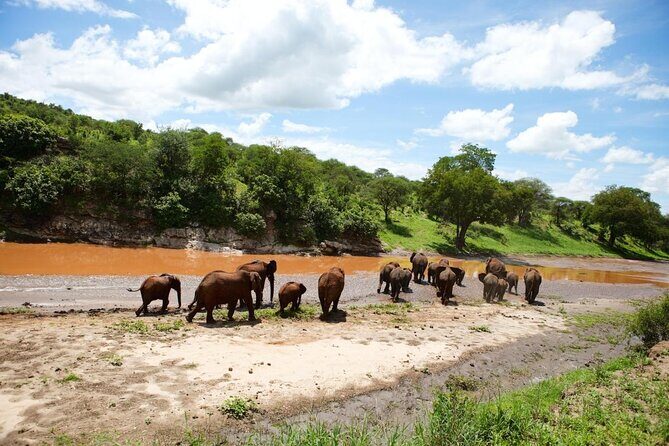
- Tarangire is the elephant-and-baobab start with a picnic lunch in the park
- Serengeti’s Seronera area centers on the Seronera River for steady wildlife activity
- Olduvai Gorge adds “why humans are here” context with Lois and Mary Leakey discoveries
- Ngorongoro Crater is an early game-drive day with predators and a huge range of animals
- Lake Magadi rounds out the crater experience with an alkaline-lake setting
- Up to 15 people in the group with a professional guide and private transport
The 4-day route: how Arusha connects everything
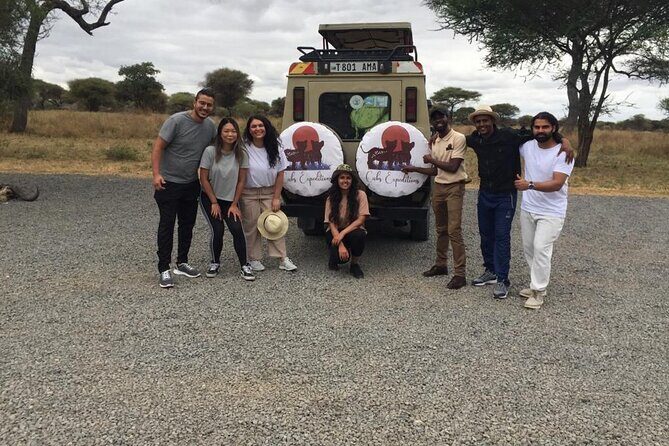
This safari is built like a strong highlights reel, but not a messy one. You start from Arusha, then move step-by-step into Tarangire, Serengeti, and the Ngorongoro Conservation Area, with Olduvai Gorge worked in on the way. That sequencing matters because it keeps you focused on the different “worlds” of Tanzania instead of bouncing around at random.
The logistics are also handled in a practical way: private transportation, park admissions included, and a professional guide. That means you can spend your mental energy on the wildlife and the moments, not on maps or tickets. Meals are included too, with breakfast most mornings plus lunch and dinner during the active days.
The group size cap (15) helps here. You’re not crammed with a massive herd of people, and your guide can still manage the rhythm of spotting animals, taking breaks, and keeping the schedule sane. For a first safari, that’s a big deal.
A few more Arusha tours and experiences worth a look



Tarangire National Park: baobabs, elephant numbers, and a picnic lunch
Your first full safari day kicks off after breakfast, with a quick Arusha town stop for any last-minute needs. Then it’s out to Tarangire National Park for a game drive and picnic lunch inside the park area. It’s an efficient start: you get wildlife early, and you’re not burning the whole day just getting there.
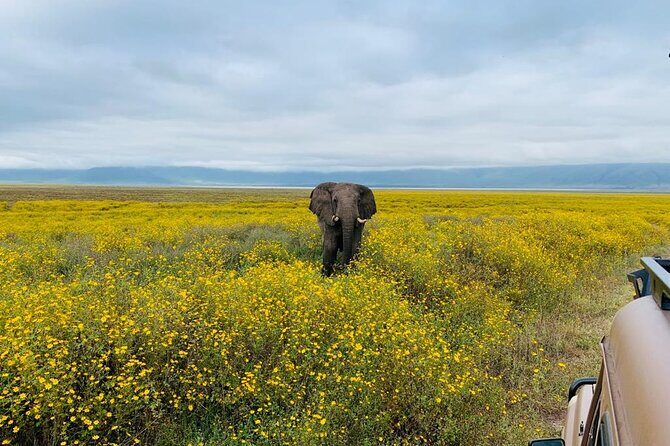
Tarangire’s reputation is clear for a reason. This park is known for its huge elephant population, plus the iconic baobab trees that make the scenery (literally the trees) look like it belongs on a postcard. The tour also frames Tarangire as part of an annual migratory cycle, referencing big numbers tied to the region’s movement. Whether you’re counting elephants or just watching how herds move across the land, it sets your expectations in a grounded way.
A nice practical point: the tour schedules non-game driving time around a few hours before that first park experience. That helps you arrive in time to settle in, rather than feeling like you’ve already lost the best daylight.
Where Tarangire can be a tradeoff is weather and positioning. Like any safari, you can’t force an animal to appear. But the emphasis on elephants plus the chance to have a real picnic lunch outdoors is a strong “start as you mean to go” plan.
Serengeti Seronera area: why the river matters for sightings
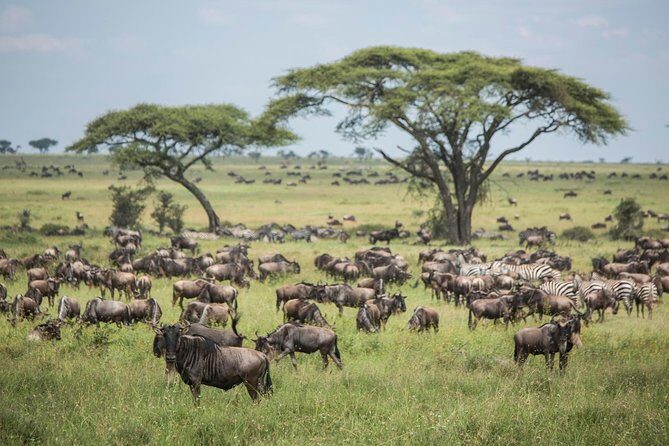
The next step is Serengeti National Park, reached via Karatu farmland and the Ngorongoro Conservation Area before you drop into the Serengeti region. The tour calls out an important wildlife concept: in Serengeti, water draws animals, and the Seronera River supports a high-activity wildlife zone.
You’re not just driving into the Serengeti and hoping for luck. The itinerary steers you toward the central park area known as Seronera, which is described as one of the richer habitats in the park. In real-world safari terms, that matters because animals cluster where survival needs line up: grazing, drinking, and staying close enough to avoid wasting energy.
This day also keeps a sensible pacing. You arrive for lunch, and then you’re set up for additional game time in that productive area. The specific timing will vary, but the structure is clear: you’re meant to be in the right neighborhood of Serengeti, not just passing through.
One consideration for you: Serengeti drives can feel long because there’s so much to scan for—lions, cheetahs, hyenas, zebras, and lots of other species. If you don’t love slow, steady wildlife watching, you’ll want to remind yourself that patience is part of the product here.
Olduvai Gorge on the way to Ngorongoro: human evolution, not just animals
Day 3 is where this safari becomes more than a wildlife tour. You start with an early morning game drive, then head toward the Ngorongoro Conservation Area and make a stop at Olduvai Gorge.
Olduvai Gorge is presented as a major human-evolution site, tied to discoveries by Lois and Mary Leakey. The tour even names the fossils involved in that story—Nutcracker Man and Handy Man—and frames them as key links in understanding human evolution. That adds a different kind of “wow” that doesn’t depend on whether you spot a specific animal at the exact moment you look up.
This is also a smart day to include culture and science, because it gives your brain a break from pure scanning. After the gorge stop, you transfer to the lodge for dinner and overnight.
What you should expect, realistically: this isn’t a lecture tour. It’s a stop designed to give you meaning behind the place you’re visiting. If you like quick, high-impact context, you’ll appreciate it. If you prefer only wildlife time, you might wish the schedule had more hours in the vehicle after the gorge.
Ngorongoro Crater and Lake Magadi: one big bowl of wildlife
On the final day, you get an early start and descend over 600 meters into the crater area for wildlife viewing. The Ngorongoro Conservation Area is described as supporting a wide variety of animals year-round, helped by a steady supply of water and fodder. That’s why the crater works so well for a shorter safari: it’s a concentrated place where different species come together.
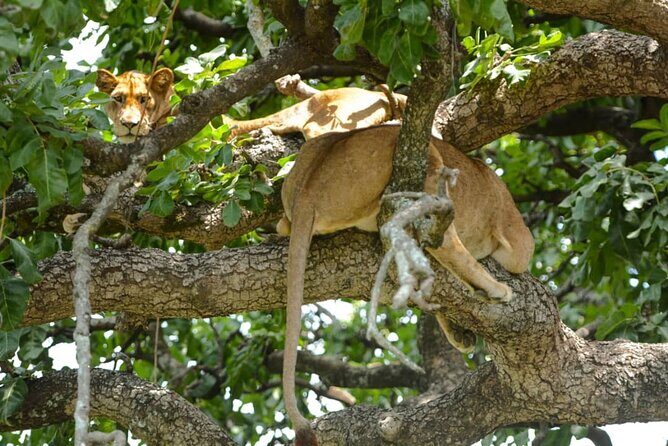
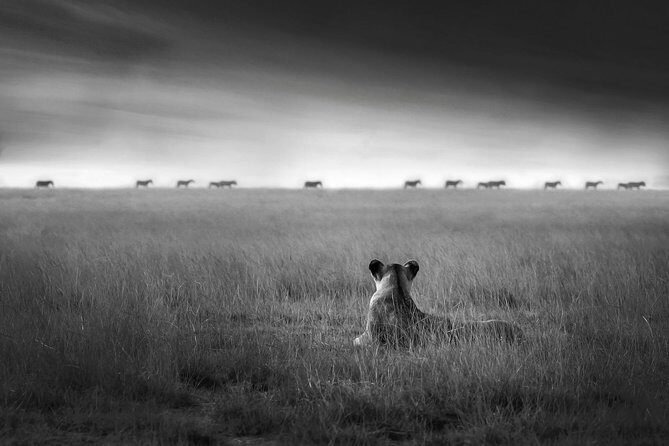
The tour lists animals you should keep an eye out for, including wildebeest, zebra, buffalo, eland, warthog, hippo, and giant African elephants. It also points out that predator sightings are a major attraction, listing lions, hyenas, jackals, cheetahs, and the leopard that can be harder to spot.
Here’s the balanced part of the pitch. The crater is famed, but wildlife spotting still follows animal behavior, not your calendar. A leopard might show well—or it might not. The guide’s job is to put you in the best possible viewing positions and to keep trying when conditions allow.
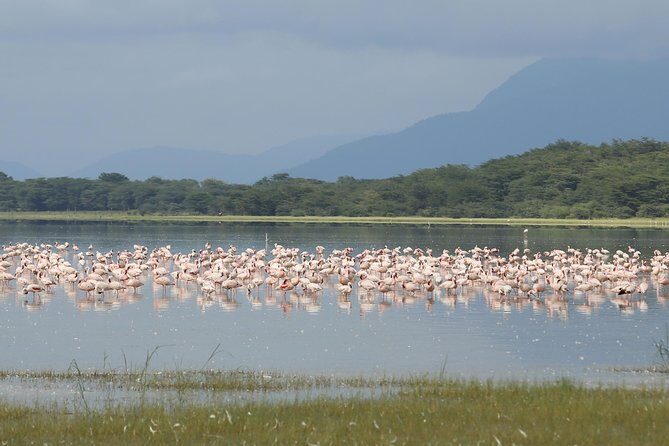
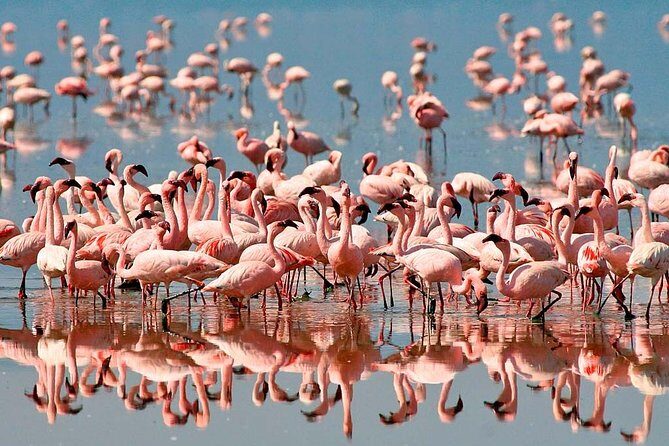
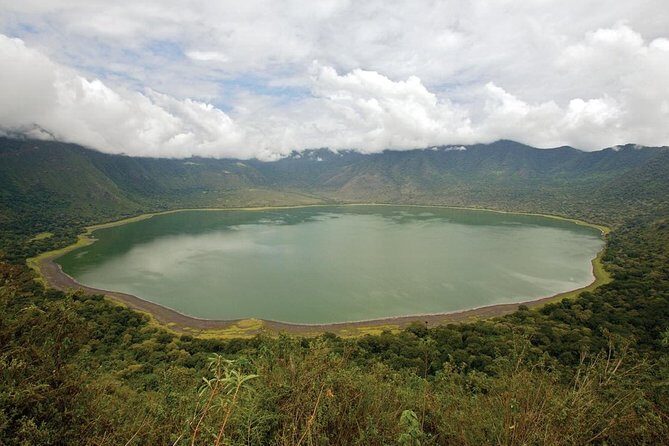
The itinerary also includes a visit to Lake Magadi, a large but shallow alkaline lake in the southwestern corner of the crater area. It’s a different kind of scene from the grasslands you’ve been driving through—more about a specific setting that helps complete the crater story.
If you want one thing from a short safari, it’s usually variety in a single day. This is designed to deliver that, and the crater’s density of animals is the reason it can.
A few more Arusha tours and experiences worth a look


Marera View Lodge and Ang’ata Tented Lodge: comfort level you should plan for
Your first overnight is at Marera View Lodge. After Tarangire, you return for dinner and breakfast the next morning, so you get one real lodge-style night early in the itinerary.
Later, after Olduvai Gorge, the tour shifts to Ang’ata Tented Lodge. That wording matters: it’s not a standard hotel room. Based on the experience tone in the trip stories connected to this itinerary, people often describe the tent nights as more basic and very “in the area” in feel.
So how do you decide if it’s your kind of sleep? If you’re the type who’s fine with simpler accommodations in exchange for getting closer to the safari environment, you’ll likely love this part. If you need a fluffy bed and predictable modern comforts, you may feel the downgrade.
Either way, I suggest you treat the accommodation as part of the deal. On safari, you’re paying for wildlife time, guiding, and the ability to move through remote parks with meals and transport arranged. The bed is important, but it’s not the main product.
Guide and cook power: what actually improves your safari day
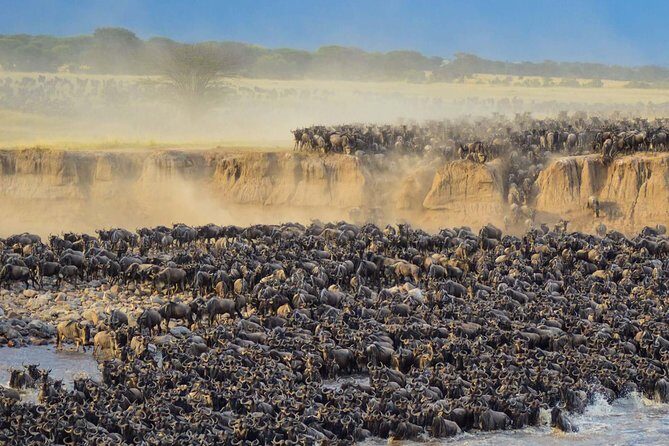
A good guide changes your safari from passive to active. In this itinerary, the guide also plays a real role in how efficiently you spend driving time, how quickly you react to animal sightings, and how often you get chances to see different species.
The trip feedback names a range of staff who made the experience feel smooth: Eli and Simon as guides, Andrew as the driver who helped get Big Five sightings, and Omani as a driver/guide with strong animal-spotting instincts. On the food side, cooks like Gidi, Issa, Tito, and Emmanuel come up repeatedly, with people praising the quality of the meals and the day-long support.
That matters because safari food isn’t just about taste. It’s also about timing, energy, and keeping everyone comfortable during long drives and game drives. When the cook is good and the team is organized, you spend less time worrying about what’s next.
Also worth noting: this tour sets you up for flexibility. People describe staff as responsive and helpful, including problem solving when plans need adjusting. In safari country, that can be the difference between a good day and a truly memorable one.
Price and value: what $1,700 covers and what you still plan for
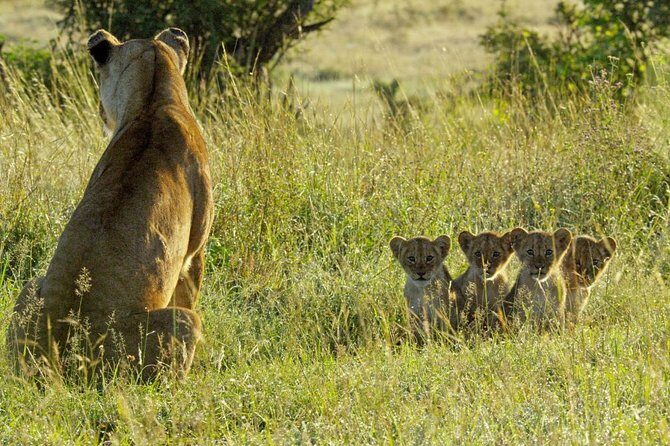
At $1,700 per person for four days, the value mainly comes from what’s included. You’re not just paying for game drives. Your package includes private transportation, all fees and taxes, game driving, a professional guide, and lodging at the listed accommodations. Meals are also covered: breakfast is included multiple times, plus lunch on four occasions and dinner on three.
That inclusion changes how you budget. You don’t have to add separate park fees or scramble for meals between long drives. You also get a structure that works well for first-timers: you show up, and the logistics are mostly solved.
What’s not included is tips. That’s common in this part of the world, and it’s a cost you should keep in mind when you set your overall travel budget.
One more value note: group discounts are mentioned, and the group size cap is 15. In practice, that often helps you get the benefits of a shared safari (not overpaying for every seat) without feeling lost in a crowd.
Practical planning tips for a smoother Tanzania safari
This itinerary runs on safari-time logic: early starts, game drives, and a vehicle schedule that covers several park transfers. Plan to keep your days calm. If you’re the type who likes strict timelines and constant pacing, you’ll want to shift expectations. Wildlife doesn’t follow a watch.
A few practical ideas that help you enjoy the ride:
- Bring layers. Even in the same region, morning and midday can feel different, and vehicles stay cool when you’re not in the sun.
- Pack for dust and long sitting time. You’ll spend hours scanning and waiting, and you’ll want comfortable, breathable clothes.
- Bring binoculars if you have them. Even a strong guide can’t fix bad eyesight, and extra magnification makes small moments easier to catch.
Also, this tour runs near public transportation in Arusha, and the meeting point is Arusha Airport. That can simplify arrival and departure planning.
Finally, it’s good to know the cancellation terms are flexible: free cancellation is offered up to 24 hours before the experience starts for a full refund. That lowers the risk if your flights or schedules are still uncertain.
Should you book this Cubs Expeditions 4-day safari?
I’d book this itinerary if you want a solid first safari in Tanzania and you care about getting more than just animals. The combo of Tarangire elephants, Serengeti’s Seronera River zone, Ngorongoro crater viewing, and the Olduvai Gorge history stop is a strong mix for a short trip.
It’s also a good fit if you appreciate organization and food support. The repeated praise for guides like Eli, Simon, Andrew, and Omani, plus cooks such as Gidi, Issa, Tito, and Emmanuel, points to a team that works hard to make the day flow.
I’d think twice if you strongly prefer hotel-level comfort every night, because the tented lodge stay is part of the package. I’d also plan your expectations around the fact that predators and big cats are never guaranteed on command. The guide can search and position you, but nature decides the finale.
If you want a value-packed safari with transport, lodging, meals, and guiding all handled—and you’re curious about human evolution as much as Big Five chances—this is an easy yes.
FAQ
Where does this safari start?
The meeting point is Arusha Airport in Arusha, Tanzania.
What parks and sites are included in the itinerary?
The itinerary includes Tarangire National Park, Serengeti National Park, the Ngorongoro Conservation Area, and a stop at Olduvai Gorge.
Are meals and lodging included?
Yes. The tour includes breakfast, lunch, and dinner, plus lodging at Marera View Lodge and Ang’ata Tented Lodge.
Is pickup included?
Pickup is offered.
Is park admission included in the price?
Yes. Admission tickets are included.
How big is the group?
The tour has a maximum of 15 travelers.
Is tipping included?
No. Tips are not included.
What is the cancellation policy?
Free cancellation is offered up to 24 hours in advance for a full refund.