REVIEW · MOSHI
7-Day Kilimanjaro Climb Machame Route–The Best Path to Uhuru Peak
Book on Viator →Operated by PINNACLE ADVENTURES & SAFARIS LTD. · Bookable on Viator
A climb to Uhuru Peak starts with good pacing. The 7-Day Machame Route from Moshi is one of Kilimanjaro’s most popular paths because it mixes rainforest, high moorland, and dramatic alpine scenery as you work your way up toward 5,895m. I like that the plan is built around acclimatization stops, not just brute effort.
Two things I really love here: the leadership and care from the guide team, and the steady, staged route that gives your body time to adjust. Names like Frazier, Justin, and Abraham show up in real-world feedback for a reason: they focus on safety, comfort, and keeping you well fed, with a positive attitude in tough moments. One consideration: the summit push is long and starts just after midnight, and you still need to bring (or rent) your personal hiking gear and plan for extras like a portable toilet since it is not included.
In This Review
- Key points that matter before you go
- The Machame Route to Uhuru Peak: what makes it such a strong Kilimanjaro climb
- Moshi pickup, private group style, and the team you’ll rely on
- Day 1 (Machame Gate to Machame Camp): rainforest starts, big altitude jump
- Day 2 (Shira Cave Camp via Shira Plateau): big Kibo views at high moorland
- Day 3 (Lava Tower acclimatization to Barranco Camp): the altitude rehearsal that matters
- Day 4 (Barranco Wall to Karanga Camp at ~4,035m): a scramble day that builds confidence
- Day 5 (Barafu Camp at ~4,640m): last calm before the midnight push
- Day 6 (Just-after-midnight to Uhuru Peak 5,895m, then down to Mweka): the long day that defines the trip
- Day 7 (Mweka Trail to Mweka Gate, down to ~1,640m): rainforest finish and your certificate moment
- Camping comfort and included meals: the value people forget to price
- Price and value: what you’re really paying for at $2,812 per person
- Who should choose the 7-day Machame climb (and who should think twice)
- Should you book this Machame Route trek?
- FAQ
- How many days is the Machame Route to Uhuru Peak?
- Where do I start and where does the trek end?
- What time do you start the summit attempt?
- What is the highest point you reach?
- Are meals included during the climb?
- Is airport transfer included?
- What gear or personal items are not included?
- Is emergency oxygen provided?
- Do I need a vaccination before going?
- How far in advance can I cancel for a full refund?
Key points that matter before you go
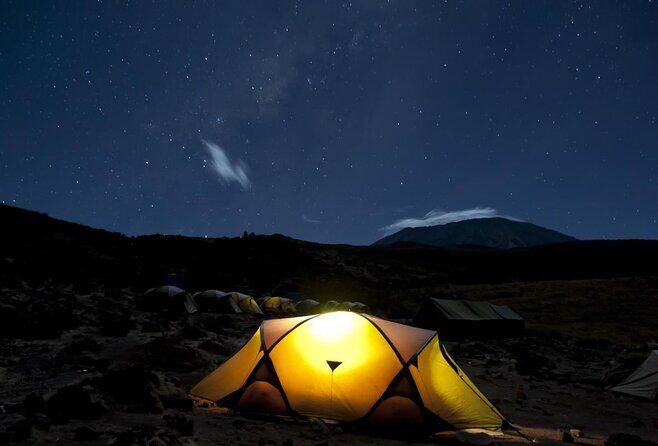
- Machame Route pacing: Acclimatization days are built in, including Lava Tower timing and the Barranco Wall scramble.
- Full on-mountain support: Qualified guides, assistant guides, porters, and cooks come with camping gear and daily water.
- Real summit logistics: You start your Uhuru Peak attempt just after midnight, then descend to Mweka Camp the same day.
- Comfort details count: Hot water for a daily wash and camp set-up equipment are included.
- Clear emergency planning: Emergency oxygen is provided for emergencies only, alongside basic first aid.
The Machame Route to Uhuru Peak: what makes it such a strong Kilimanjaro climb
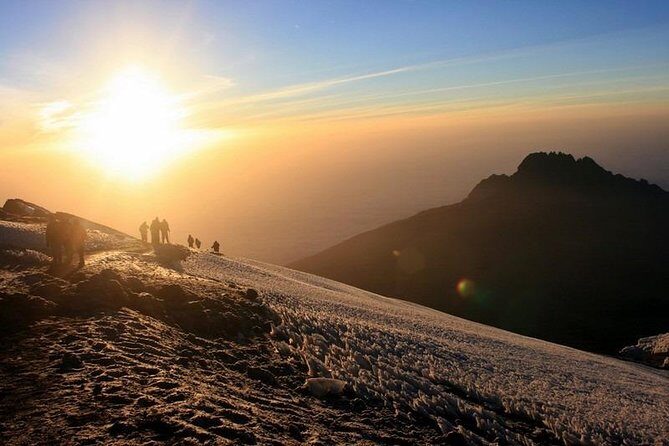
The Machame Route is popular for a reason: it gives you a varied climb that feels like you are moving through different worlds while you gain altitude slowly enough to stand a better chance of summiting. You’ll go from lush rainforest into cooler heath and moorland, then through alpine desert zones before the final high-altitude challenge.
This route is also a classic for people who want that legendary Kilimanjaro payoff at the top of Africa. The summit point is Uhuru Peak at 5,895m, and the trek’s timing is designed to get you there after your body has had a few “practice climbs” along the way.
Finally, you are not carrying the whole mountain on your back. This trip runs with guides, porters, and cooks, plus camping equipment, which makes the experience more about trekking and less about running a tiny campsite yourself.
A few more Moshi tours and experiences worth a look
Moshi pickup, private group style, and the team you’ll rely on
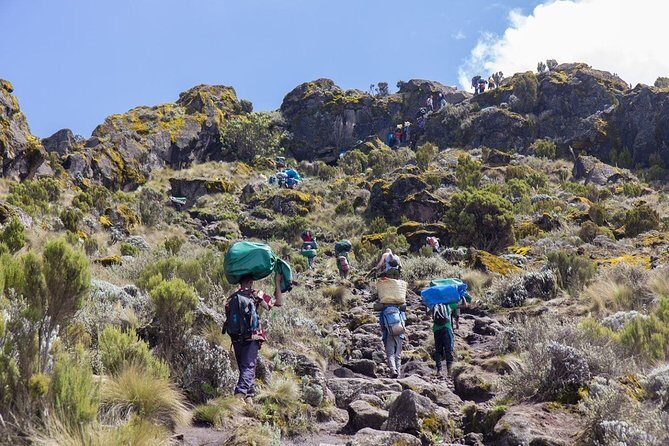
You start in Moshi, Tanzania, at Moshi Urban, and the experience ends back at the meeting point. Airport transfers are included for the Kilimanjaro airport route between Moshi and the airport, and pickup is offered, which matters when you are arriving tired and trying to organize gear.
This is a private tour/activity, so only your group participates. It also lists group discounts, which can be a nice bonus if you’re traveling with friends or a small cluster of fellow trekkers.
The support team is a big deal on Kilimanjaro, and real feedback highlights leadership and kindness. Guides mentioned include Frazier, Justin, and Abraham, with helpful pre-trip advice and a team vibe that keeps morale up. The practical side is just as important: you’re getting qualified guiding, porters and cooks with their wages included, plus emergency oxygen (for emergencies only) and a basic first aid kit.
Day 1 (Machame Gate to Machame Camp): rainforest starts, big altitude jump
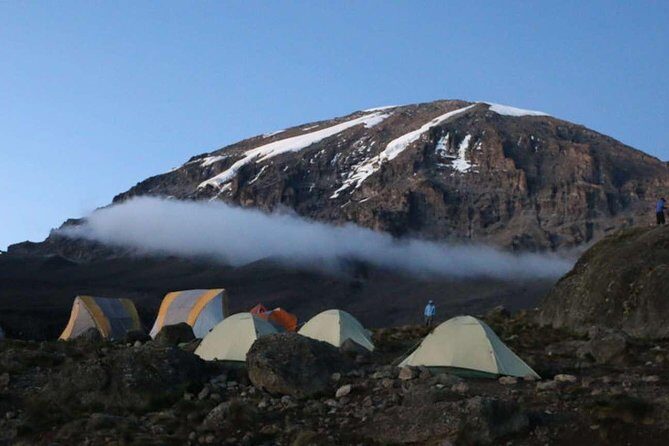
Day 1 takes you from Machame (about 1,800m) up to Machame Camp around 2,835m. Expect roughly 5–7 hours of trekking, and the trail starts through lush rainforest, where you may spot distinctive plants and animals along the way.
This is the day to focus on rhythm, not speed. Rainforest trekking can feel easier because the air is less hostile, but you’re still climbing and your body is still adjusting. If you set a steady pace on day one, the next altitude changes will feel more manageable later.
One small caution: even though this is the “easier” start, it still uses a meaningful climb, and you will likely feel it after you’ve been on the trail for several hours. Pack for wet conditions mentally too; rainforest means damp air and chilly shade at higher camp areas.
Day 2 (Shira Cave Camp via Shira Plateau): big Kibo views at high moorland
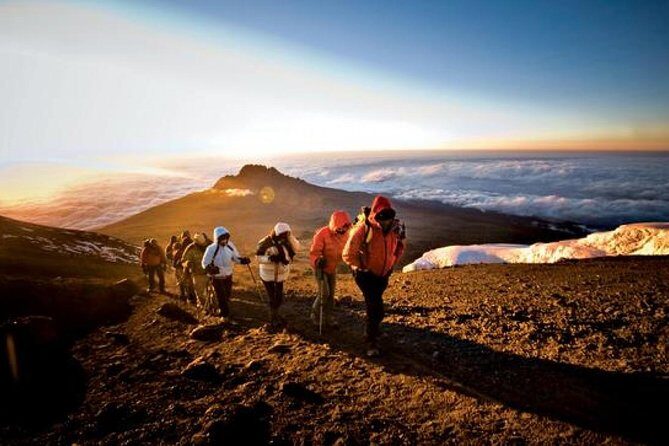
On day 2 you move from around 2,835m to Shira Cave Camp near 3,750m. Trekking time is about 4–6 hours, and the environment shifts toward heath and moorland.
The standout here is the chance for panoramic views of Kibo Peak and the surrounding valleys. Even when weather changes quickly, you’re building altitude while staying on a path that sets up better acclimatization for what comes later.
A practical tip: treat day 2 as your “air adjustment day.” You might feel slightly out of breath compared to sea level, so use the slower pace you learned on day 1. With this route, tomorrow includes an acclimatization move up to a much higher point, so today’s goal is arriving and resting well.
Day 3 (Lava Tower acclimatization to Barranco Camp): the altitude rehearsal that matters
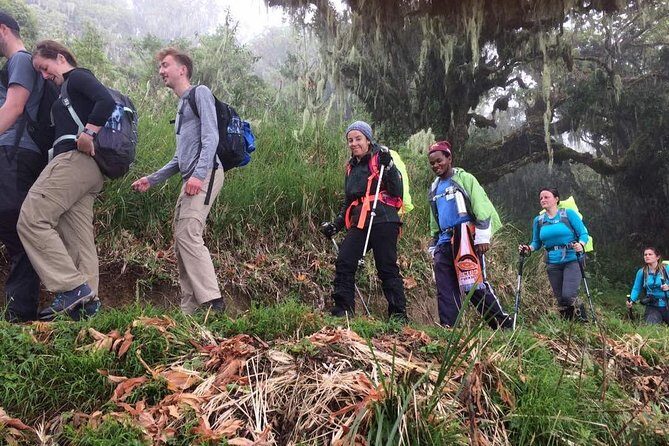
Day 3 is long for a reason—it’s one of the route’s key acclimatization mechanics. You climb to Lava Tower at about 4,600m, then you descend to Barranco Camp around 3,900m. Trekking time is typically 6–8 hours, and this is where the scenery swings into alpine desert zones.
This “up high, then down” pattern is exactly what helps many climbers. You get the benefit of altitude exposure without spending the whole day at the highest point.
Then there’s the emotional payoff: the landscape can look wildly different from the prior days, and that shift is part of why the Machame Route feels like an adventure, not a grind. The trade-off is fatigue—day 3 asks more of you. Hydrate, keep warm, and treat the camp after this day as rest time, not extra trekking time.
Day 4 (Barranco Wall to Karanga Camp at ~4,035m): a scramble day that builds confidence
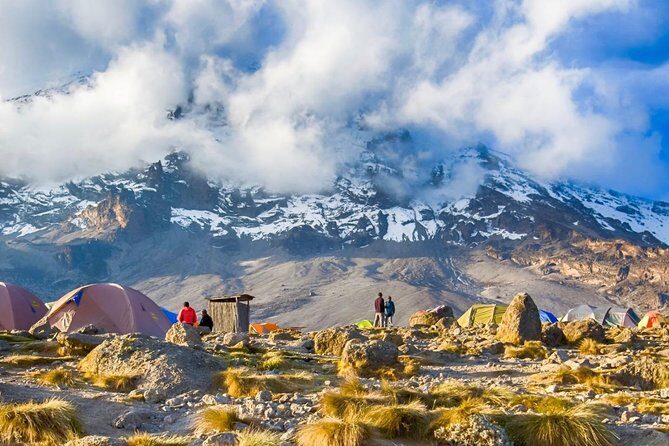
Day 4 takes you from about 3,900m up to Karanga Camp near 4,035m after a thrilling segment: climbing the Barranco Wall. Trekking time is listed around 4–5 hours, which can make this day feel short on paper, but the Wall is a mental and physical challenge.
A scramble can be fun when you’re moving carefully. It also helps you gain confidence for the summit day later because it teaches you how it feels to work while your body is already at altitude.
This is a crucial acclimatization and preparation day. You’re going higher, but not as high as the coming summit attempt. In my view, this is the day where you benefit most from listening closely to your guide’s pacing and safety cues—especially on uneven terrain where footing matters more when you’re winded.
Day 5 (Barafu Camp at ~4,640m): last calm before the midnight push
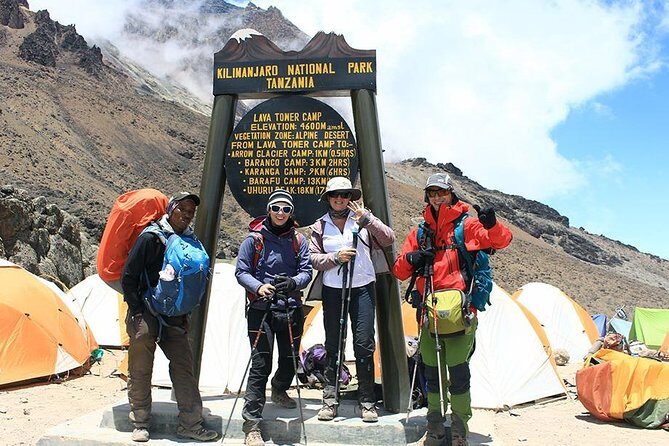
On day 5 you head to Barafu Camp at about 4,640m. The trekking time is listed as 4–5 hours, with a gradual ascent.
This day has one main job: get you to camp safely so you can rest early. You’ll begin the final summit ascent at midnight. That means day 5 is not about sightseeing—it’s about sleep strategy, eating on schedule, and keeping your layers ready for cold.
Also notice the altitude jump from day to night. Barafu Camp is high enough that temperature changes can be dramatic. If you’re the type who hates cold, this is the day to take cold seriously—warm up early, drink enough, and don’t ignore fatigue.
Day 6 (Just-after-midnight to Uhuru Peak 5,895m, then down to Mweka): the long day that defines the trip
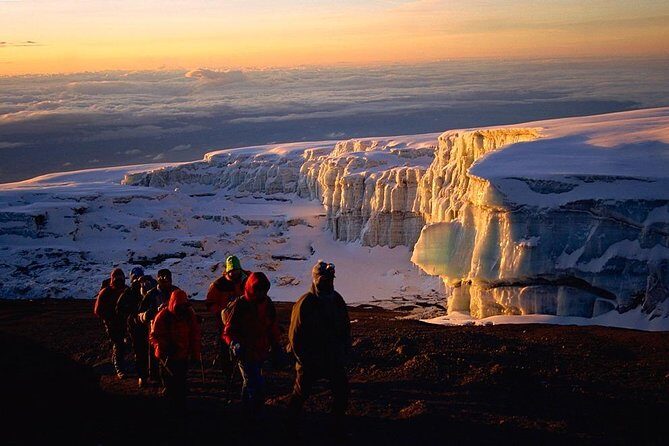
Day 6 is the summit day. You start just after midnight and trek to Uhuru Peak (5,895m). Expect about 10–12 hours total, and then you descend all the way to Mweka Camp around 3,080m for recovery.
Moonlight trekking is not just a romantic detail—it helps explain why the climb feels different at midnight versus daytime. Headlamps, careful steps, and steady breathing matter more than terrain guessing.
Once you reach the top, celebrating is allowed. Then the real work starts: the descent. Going down helps you recover altitude fast, but it can still be tough on knees and legs after so many hours.
One honest consideration: even with guides, porters, and support, this day is still physically demanding. If you go into it expecting a short walk, you’ll feel frustrated. If you go in prepared for a long, cold, and slow grind, you’ll likely feel proud of how you get through it.
Day 7 (Mweka Trail to Mweka Gate, down to ~1,640m): rainforest finish and your certificate moment
Day 7 is a true finish day. You trek the Mweka Trail from about 3,080m down to around 1,640m. Trekking time is about 3–4 hours, and it’s described as descending through rainforest.
When you’ve spent days above the clouds, the return to green vegetation can feel like a reward. It’s also a great time to breathe deeply again without fighting thin air.
At Mweka Gate you receive your summit certificate, then you return to Moshi. It’s a small document, but on Kilimanjaro it carries a lot of meaning because it marks the hardest part of the trip.
Camping comfort and included meals: the value people forget to price
This climb includes camping equipment: tents, camp chairs, tables, and sleeping mattress. It also includes hot water for a wash daily and fresh water for drinking, which makes a real difference when you’re tired and cold.
Meals are covered: dinner 7 times, lunch 7 times, and breakfast 6 times. I like that your food isn’t left to chance, because energy matters at altitude. A guided trek with consistent meals can keep you from making silly decisions like skipping food because you’re cold or nauseated.
What’s also included is the team: qualified mountain guides, assistant guides, porters, and cooks, with wages covered. In practical terms, that means the operation runs even if something goes sideways, because the people who know Kilimanjaro are there to manage the day.
Price and value: what you’re really paying for at $2,812 per person
At $2,812.00 per person, this is not a budget day hike. But Kilimanjaro pricing usually reflects one thing: labor, logistics, and risk management at high altitude.
Here, the value is clearer when you look at what’s included: all fees and taxes, transfers between Kilimanjaro airport and Moshi (both directions), camping equipment, emergency oxygen for emergencies only, and a basic first aid kit. Add the full meal plan and the staffed guiding team with porters and cook, and the cost starts to look less like a mystery fee and more like paying for a complete system.
What’s not included also affects your final budget. Flights and visas aren’t covered, travel and health insurance are not included, and personal gear is not included (you’re expected to rent it in Moshi). Personal medicine, water purifying tablets, and optional but recommended portable toilet are also on your list.
So the fair way to decide is: do you want a turnkey expedition with meals, tents, hot water, and a full crew handled for you? If yes, the price makes sense. If you already have gear, don’t need transfers, and plan to manage everything yourself, you might find cheaper options—but you’ll be trading away some of this operational comfort and support.
Who should choose the 7-day Machame climb (and who should think twice)
This trek is framed for both first-time climbers and seasoned adventurers, and the trip expects moderate physical fitness. In my opinion, the biggest requirement isn’t athleticism—it’s consistency. The route is demanding, especially day 6, but the staged plan gives you chances to adjust.
If you want a route that includes multiple acclimatization moments—like the Lava Tower day and a scramble segment at Barranco Wall—Machame fits well. It also tends to suit people who enjoy variety: rainforest to moorland to alpine desert, with big view moments along the way.
You might think twice if you hate very cold conditions or struggle with long nights on your feet, because the summit start is just after midnight and the summit day runs 10–12 hours. Also be honest about your willingness to handle personal items like medication and hydration treatment, since those are not fully included.
Should you book this Machame Route trek?
I’d book this if you want a classic Kilimanjaro route with built-in acclimatization and a team that focuses on safety, comfort, and morale. The inclusion of guides plus porters and cooks, full camp support, daily wash water, and emergency oxygen is exactly what helps you keep moving when altitude makes everything slower.
I’d hesitate only if you’re trying to minimize planning and extras. You’ll need to rent personal trekking gear in Moshi, bring personal medicine (and likely water treatment tablets), and consider getting a portable toilet since it is not included but recommended. If that sounds like work, it may feel annoying right up until the summit day—then you’ll be glad it wasn’t your job to run the logistics.
Overall, this is a well-supported Machame climb with a strong chance of a meaningful summit moment, especially if you take the acclimatization days seriously and follow your guide’s pacing.
FAQ
How many days is the Machame Route to Uhuru Peak?
It’s a 7-day trek, with daily trekking times that vary from about 3–4 hours on the final day to 10–12 hours on summit day.
Where do I start and where does the trek end?
The experience starts at Moshi Urban, Tanzania and ends back at the same meeting point.
What time do you start the summit attempt?
You start your Uhuru Peak attempt just after midnight on day 6.
What is the highest point you reach?
The trek reaches Uhuru Peak at 5,895m, the highest point in Africa.
Are meals included during the climb?
Yes. The package includes breakfast (6), lunch (7), and dinner (7).
Is airport transfer included?
Yes. Return transfers are included from Kilimanjaro airport to Moshi and from Moshi back to Kilimanjaro airport.
What gear or personal items are not included?
Personal hiking/trekking gear is not included (you can rent gear in Moshi). Also not included are personal medicine and water purifying tablets, plus meals and drinks not specified and items of personal nature. A portable toilet is optional but highly recommended.
Is emergency oxygen provided?
Yes. Emergency oxygen is included, but it is for use in emergencies only and not as summit aid.
Do I need a vaccination before going?
Yes. Yellow fever vaccination is compulsory.
How far in advance can I cancel for a full refund?
You can cancel up to 3 days in advance for a full refund, and for a full refund you must cancel at least 3 full days before the experience’s start time.