REVIEW · ZANZIBAR CITY
Jozani Forest Tour
Book on Viator →Operated by Zanzibar Treasure Tour & Safaris · Bookable on Viator
Red colobus and mangroves in one walk. This guided Jozani Forest Tour takes you into Joani Chwaka Bay National Park for a relaxed, guided nature trail where wildlife spotting and photo moments go hand in hand.
I like that the experience is built around a maintained nature trail and an experienced guide who helps you find animals (and understand what you’re looking at) instead of wandering around hoping for luck. I also appreciate the practical setup: private transportation, pickup offered, and a complimentary bottle of water so you can focus on the park, not the logistics.
One thing to keep in mind: the full outing runs about 4 hours, but if there’s an optional add-on at the end for some groups, you may feel the main park time is slightly tighter—especially if you prefer a pure nature walk.
In This Review
- Key Points You’ll Care About
- Jozani Forest From Zanzibar City: A Nature Stop With Built-In Clarity
- Red Colobus, Zanzibar Sykes’ Monkey, and the Endemic Species Game
- Mangroves and the “Medicine Jungle” Path: What Makes the Walk Feel Different
- Birds and Butterflies on a Maintained Nature Trail
- The 4-Hour Reality Check: How the Time Actually Adds Up
- Private Transportation, Pickup, and a Water Bottle That Saves the Day
- Value at $60: Why This Feels Fair for a Guided Forest Visit
- Who This Tour Suits Best (and Who Might Skip It)
- Should You Book This Jozani Forest Tour?
- FAQ
- How long is the Jozani Forest Tour?
- How much does the tour cost?
- Is pickup included?
- What’s included in the price?
- What wildlife and animals can I expect to see?
- Is there a maintained trail or will I be hiking off-path?
- How physically demanding is it?
- Do I get a ticket on my phone?
- What happens if the tour is canceled due to weather?
Key Points You’ll Care About
- Red colobus stronghold in Joani Chwaka Bay National Park: one of the last sanctuaries for red colobus monkeys.
- Mangroves and the “medicine jungle” feel different: you’ll move through areas that look and behave totally unlike each other.
- The guide’s plant-use explanations: you learn why certain plants matter to local remedies.
- Bird and butterfly variety is a big deal: you can see 50 species of butterflies and 40 species of birds.
- Wildlife spotting isn’t just one species: expect chances at endemic monkeys, antelope, and other forest animals.
- Easy comfort factor: pickup, private vehicle, and water included.
Jozani Forest From Zanzibar City: A Nature Stop With Built-In Clarity
If your Zanzibar plans include a “nature day” but you don’t want a whole travel thesis, this is a strong fit. The tour is designed so you’re not figuring out routes, timing, or what’s worth your attention once you’re inside the forest. The guide does that part for you, which matters in a place where the best moments are often brief and specific.
The heart of the experience is Joani Chwaka Bay National Park—famous for its red colobus monkeys and for the way the forest mixes tall trees with mangrove habitat. That mix gives you a broader feeling than a one-biome walk. You’re not just hunting for animals; you’re walking through different habitats that shape what you’ll spot.
And yes, you’ll likely take photos. But the better win is that you’re guided into seeing details you’d miss on your own—like how the mangrove edge changes the air, the ground, and the kinds of life you notice.
You can also read our reviews of more tours and experiences in Zanzibar City.
Red Colobus, Zanzibar Sykes’ Monkey, and the Endemic Species Game
Let’s talk monkeys, because this park earns its reputation. Jozani is described as one of the last remaining sanctuaries for red colobus monkeys, and that’s not a small claim. When a forest is known for one species, it usually means the habitat supports them in a reliable way—so your chances aren’t just based on random timing.
On this tour, you’re set up to look for:
- Red colobus monkeys (the big target)
- The rarer Zanzibar Sykes’ monkey (endemic and hard to spot)
- Blue monkeys
- Plus chances for other forest wildlife like chameleons, mongoose, tree hyrax, bush pigs, and civets
You’ll also hear about other endemic animals, including two endemic antelope species and Zanzibar leopard. Even if you don’t see everything listed, the value is that you’re walking with context. Instead of thinking, I saw a shape, you’re learning what you’re seeing and how to interpret it.
A practical mindset helps here. In dense forests, you’ll often get the best animal moments when you pause and let the guide position you. This tour’s maintained trail and organized paths make that easier.
Mangroves and the “Medicine Jungle” Path: What Makes the Walk Feel Different
This isn’t only a dry-forest stroll. Part of the route leads you through the mangrove habitat, where you can spot wildlife tied to the water’s edge—like fish and crabs. That’s a fun change of pace from chasing monkeys up in the canopy. You get to look down and along the habitat edges too.
Then there’s the “Medicine jungle” angle, which is where this tour gets more interesting than a standard wildlife walk. The forest is presented as a kind of natural pharmacy, and the guide walks you through paths while sharing plant-use information. The idea isn’t that you’ll become a botanist in one afternoon. It’s that you’ll leave with a grounded sense of how people relate to plants in Zanzibar—why certain trees and plants matter, and what they’re used for.
Why this matters for you: when you travel with a guide who explains the living world, the forest starts to feel like a system, not just a backdrop. You’ll likely notice the repeated patterns—how plants cluster, how the ground changes, and how the guide connects those details back to human knowledge.
In a place where animals can be momentary, those explanations keep the experience satisfying even when the wildlife is quiet.
Birds and Butterflies on a Maintained Nature Trail
Wildlife spotting is the headline, but this is also a bird-and-butterfly tour in practice. The park experience highlights:
- 50 different species of butterflies
- 40 species of birds
Those numbers aren’t there just for bragging rights. They signal that the forest supports a wide range of winged life and that the route is suited to spotting it. If you like photography, this is helpful because butterfly and bird viewing often comes down to small windows of attention: a quick flash in the air, a bird landing low, or a brief moment where the light hits.
The tour route is described as a leisurely walk on a maintained nature trail, which changes the vibe. You’re not rock-hopping. You’re not bushwhacking. That’s a real plus if you want nature time without turning it into a leg-day challenge.
Also, because the guide is leading you along the network of paths, you’re more likely to be in the right place when movement happens—whether that’s a bird hopping through branches or a butterfly passing a sunlit patch.
The 4-Hour Reality Check: How the Time Actually Adds Up
The overall tour runs about 4 hours (approx.), with the park experience clocked at 3 hours and admission included. That timing matters because you can plan your rest of the day with confidence. You’re getting a full chunk of forest without committing to a whole afternoon or disappearing for half a day.
In plain terms, here’s how your time will feel:
- You travel from Zanzibar City by private vehicle
- You spend the bulk of the time in Joani Chwaka Bay National Park (around 3 hours)
- You return after the main trail and guidance
Now for a consideration. One past guest noted that the tour felt shorter than the expected duration because they chose not to take part in a folklore-style element at the end. I’d treat that as a heads-up: if your group is offered an optional add-on, tell yourself you might spend a little extra time there—or you can opt out if you prefer to stick strictly to the forest.
Either way, the main park portion is where the animal viewing and plant-use learning happen, so you should still feel you got the heart of the day.



Private Transportation, Pickup, and a Water Bottle That Saves the Day
Logistics sound boring until you’re tired, sweaty, and trying to find the meeting point in a new place. This tour improves the odds that you’ll start relaxed.
Here’s what’s included on the comfort side:
- Pickup offered
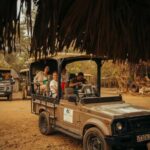
- Private transportation
- A complimentary bottle of water during the excursion
- Mobile ticket for easier access
It’s also described as a private tour/activity with your private vehicle, and only your group participates. For many people, that’s the difference between feeling like a number and actually hearing the guide clearly.
Group discounts are mentioned too, so if you’re traveling with friends, the value can improve. The tour is priced per person at $60.00, so you’ll be thinking about cost vs. what’s included, not just the headline price.
Value at $60: Why This Feels Fair for a Guided Forest Visit
Let’s break down the cost logic without making it complicated. You’re paying $60 per person, and the tour includes:
- Admission Ticket Included
- An experienced and professional tour guide
- All Fees and Taxes
- Private transport
- Water
That’s a lot of “core costs” bundled into one price. If you’ve ever booked a wildlife activity where you arrive and then add entry fees and transport separately, you know how quickly the math gets messy. Here, the structure is more transparent.
Also, you’re not doing this as a self-guided hike. The guide is a key part of why the experience works: the park has wildlife and plant information, and you’re getting help spotting and interpreting it. That’s worth something, especially in a forest where the interesting things are easy to miss.
Could it be expensive for some budgets? Sure. But compared with a guided, ticketed national park visit with private pickup and a structured trail, $60 can feel reasonable—especially if you’re mainly trying to see red colobus monkeys and mangroves with guidance.
Who This Tour Suits Best (and Who Might Skip It)
This tour is a great match if you:
- Want a guided nature walk with less guesswork
- Care about seeing red colobus monkeys and other endemic wildlife
- Like learning how plants are used, not just spotting animals
- Prefer a leisurely, maintained trail over a hard hike
The tour notes also say travelers should have a moderate physical fitness level. That doesn’t mean it’s extreme, but it does mean you should be comfortable walking for several hours on a nature trail.
Who might skip it? If you want a long, self-paced jungle experience with lots of extra time inside the park on your own, this format is more of a focused “forest highlight” trip. With a shorter timeframe, you’ll get the main highlights, not a slow, lingering day.
Should You Book This Jozani Forest Tour?
I’d book it if your ideal Zanzibar day includes a structured look at Jozani Chwaka Bay National Park, especially the red colobus and mangrove side, with a guide who explains plants and wildlife clearly. The mix of monkeys, mangroves, and the plant-use lessons makes it feel more complete than a simple animal hunt.
I wouldn’t book it if you’re trying to maximize “time in nature” above all else, or if you strongly prefer fully self-guided exploration. With the tour lasting around 4 hours, you’ll get a strong snapshot, not an all-day deep wander.
One last practical thought: keep your expectations realistic about rare sightings. The guide is there to help, but endemic and hard-to-spot species can still be hit-or-miss in real forest conditions. If you can roll with that, this tour is a smart, friendly way to see one of Zanzibar’s most distinctive ecosystems.
FAQ
How long is the Jozani Forest Tour?
The tour is approximately 4 hours, with about 3 hours in Jozani Chwaka Bay National Park.
How much does the tour cost?
It costs $60.00 per person.
Is pickup included?
Pickup is offered, and the tour includes private transportation.
What’s included in the price?
Admission tickets, private transportation, an experienced tour guide, all fees and taxes, and a complimentary bottle of water during the excursion are included.
What wildlife and animals can I expect to see?
The tour highlights red colobus monkeys and also aims to show other species such as Zanzibar Sykes’ monkey, blue monkeys, endemic antelope species, Zanzibar leopard, chameleons, mongoose, and more.
Is there a maintained trail or will I be hiking off-path?
You’ll take a leisurely walk on a maintained nature trail.
How physically demanding is it?
It’s suitable for travelers with a moderate physical fitness level.
Do I get a ticket on my phone?
Yes, the tour uses a mobile ticket.
What happens if the tour is canceled due to weather?
If canceled due to poor weather, you’ll be offered a different date or a full refund.