REVIEW · ARUSHA
5 Days Serengeti Camping Safari
Book on Viator →Operated by Serengeti African Tours · Bookable on Viator
Big animals, camp dinners, and real timing. This 5-day camping safari strings together Tarangire, the Serengeti, and Ngorongoro’s crater bowl, then finishes with Lake Manyara flamingos and hippo time. It’s the kind of route that gives you variety fast, without needing extra planning days.
I especially like the mix of early wildlife searching and then relaxing camp life. You get long game-drive hours where predators are the hard-to-spot prize, plus full meals during the trek, not just “breakfast and vibes.” Chef-led food gets called out again and again, and that matters because you’ll be tired in a good way.
One thing to consider: the days are packed with driving. Even without any surprises, you’re looking at hours in the vehicle between parks, and at least one morning is very early (a crater descent at 6:15 am).
In This Review
- Key Highlights You’ll Feel in Day-to-Day
- Tarangire National Park: Baobabs, Elephants, and Predator-Spotting Days
- Serengeti National Park: The Big-Game Machine, Plus Ngorongoro Edges
- Day 3 in Serengeti: Early Drive Energy and Simba Campsite Animal Chances
- Ngorongoro Crater on Day 4: The 6:15 Am Descent and Black Rhino Focus
- Lake Manyara on Day 5: Flamingos, Hippos, and Hot Spring Time
- Price and What You’re Actually Buying for $1,100
- Food, Guides, and the Service Stuff That Makes Safari Easier
- Group Size, Timing, and How to Mentally Prepare
- Should You Book This 5 Days Serengeti Camping Safari?
- FAQ
- How long is the safari?
- Where does the safari start?
- Which parks and areas are visited?
- Are park fees and meals included?
- Is pickup included?
- What’s the group size limit?
- Are tips and visas included in the price?
- Can I get a full refund if I cancel?
Key Highlights You’ll Feel in Day-to-Day
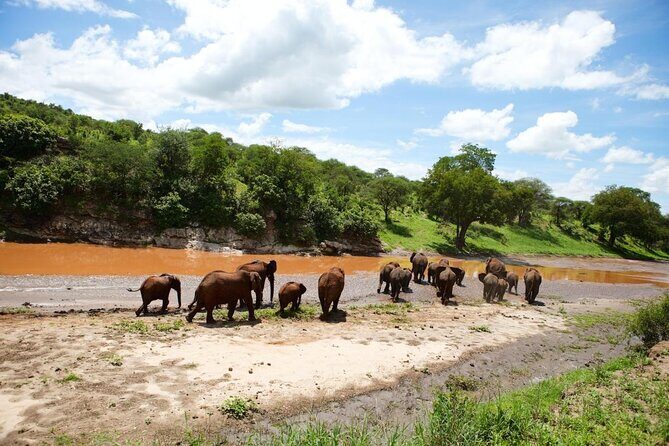
- Tarangire elephants and ancient baobabs with a strong chance of predator sightings, depending on where animals are reported
- Ngorongoro crater viewpoint time plus the option to visit a Maasai village (not required)
- Seronera game drives with chances to see animals right around the camping area
- Simba campsite near Ngorongoro for that classic crater-rim feel
- A true crater morning aimed at the hardest target, the black rhino
- Lake Manyara flamingos and hippo pool time, plus a stop at the hot spring area
Tarangire National Park: Baobabs, Elephants, and Predator-Spotting Days
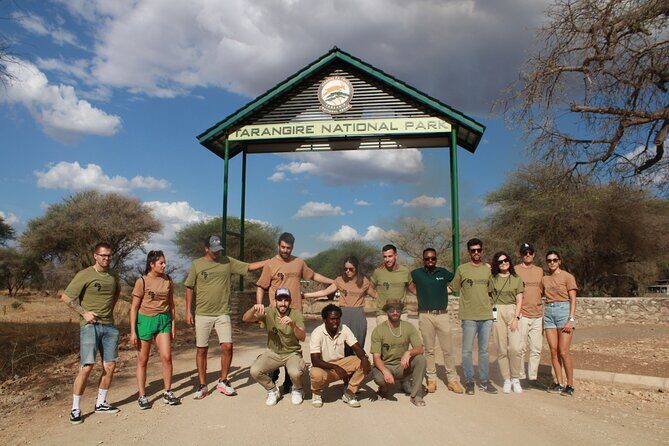
Day 1 starts with hotel pick-up at 7:30 am, then you’re heading toward Tarangire. This is one of the parks where the scenery helps wildlife watching. The baobab trees create that instantly recognizable mix of shade, open space, and warm light for spotting animals.
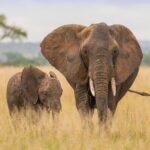
Tarangire is also famous for elephants, and this route leans into that. The goal isn’t just seeing elephants from far away. You’re in the right country for watching elephant family interactions, which can look surprisingly social when you’re close enough to see who’s leading and who’s following.
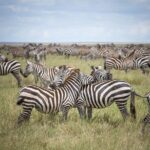
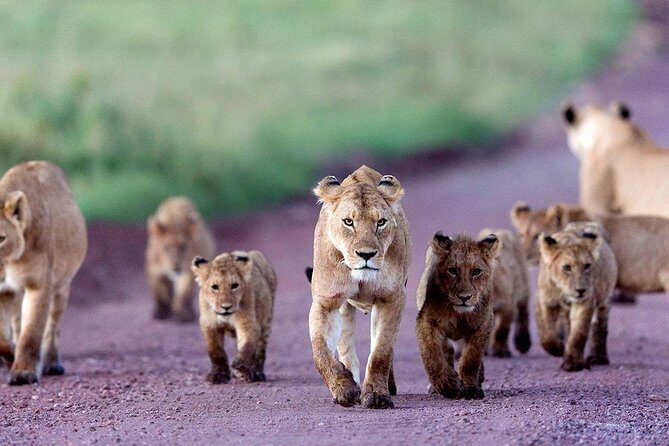
As the drive turns into a game-drive, the focus shifts to what’s hardest first. Lions, cheetahs, and leopards get the attention here, simply because they’re tougher to locate than the more common herbivores (like giraffes, zebra, and wildebeest). That matters because your best wildlife sessions usually come from the guide’s “where the sightings are” logic, not from luck alone.
Practical takeaway: if you want a day that feels like a safari sprint—big animals, constant searching—Tarangire is a strong opener.
A few more Arusha tours and experiences worth a look
Serengeti National Park: The Big-Game Machine, Plus Ngorongoro Edges
On Day 2, you move from Arusha-area timing into Serengeti territory, with a 6-hour drive that includes transit through the Ngorongoro Conservation Area Authority. Along the way, you do a short stop for the Ngorongoro crater viewpoint. It’s brief—about 20 minutes—but it sets the tone. You get the “crater bowl” picture before you start trying to predict where animals will be.
This day also offers an optional Maasai village visit. It’s presented as a chance to learn Maasai culture and traditions, including stories connected to being a warrior. The description notes that some traditions are from the past, with blood-drinking tradition mentioned as part of that history. The key word for your planning is optional: you can decide if you want the cultural stop or prefer staying focused on wildlife time.
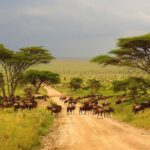
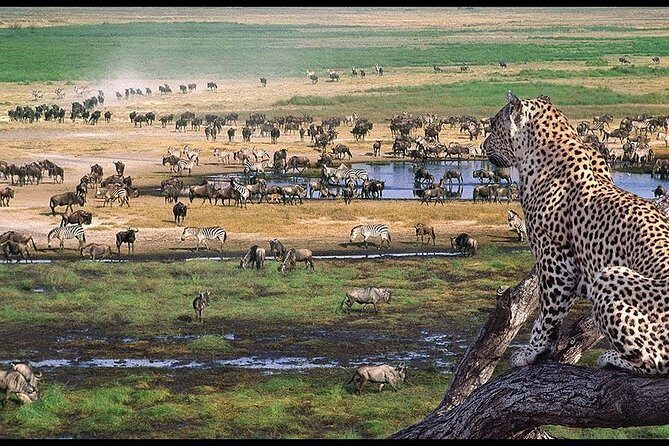
Once you reach Serengeti, you’re in a place where the days feel different. Serengeti often delivers variety in quick bursts: open plains, scattered trees, and animal movement that looks random until your guide starts connecting the dots. Even if the big predators don’t show up every hour, you still get the “you’re in the right ecosystem” feeling.
Practical takeaway: Day 2 is a great “setup” day—crater context in the morning, then Serengeti exploration after.
Day 3 in Serengeti: Early Drive Energy and Simba Campsite Animal Chances
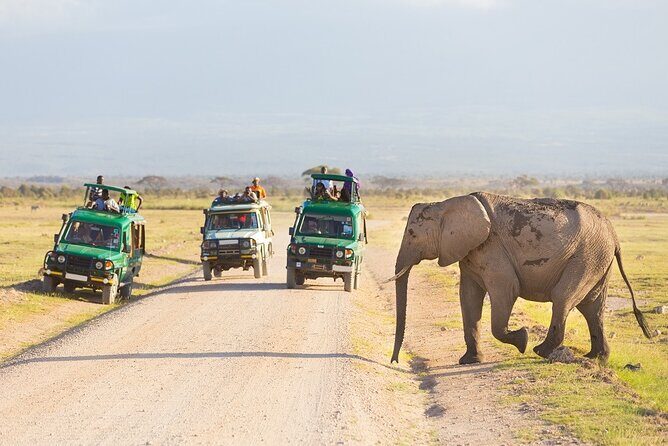
Day 3 is built around an early breakfast and then more early game driving. The goal is simple: go when animals are most active and before the day heats up into harder viewing.
You’ll keep driving through the morning and into the afternoon, then head out toward Simba campsite, near the rim of Ngorongoro. That transfer takes about 2 hours. The nice part of staying near the rim is that it changes the pacing. You’re not just passing through; you’re setting up your sleeping base close to another ecosystem.
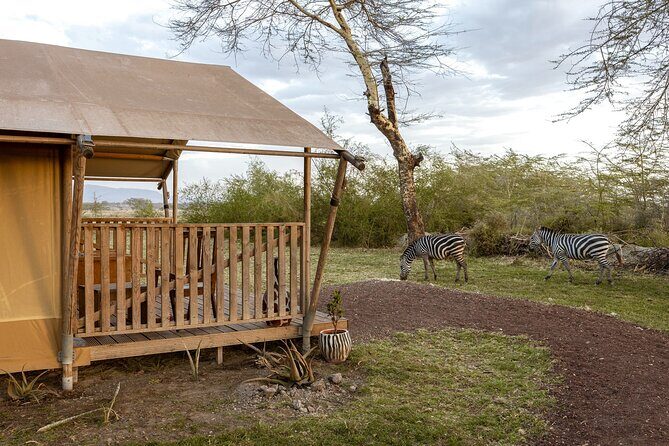
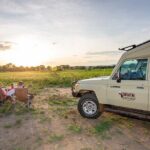
The route also points out that animals can be spotted on the campsite area. That’s not a guarantee, of course, but it’s a real advantage of camping on safari in areas where wildlife crosses short distances between feeding and resting zones. When it happens, it turns the “camping time” into part of the wildlife experience instead of a pause.
Meals are fully included here too—breakfast, lunch, and dinner—so you’re not spending mental energy figuring out food logistics in the middle of national-park schedules.
Practical takeaway: if you want one day that balances intense wildlife searching with camp-atmosphere magic, Day 3 is it.
Ngorongoro Crater on Day 4: The 6:15 Am Descent and Black Rhino Focus
Day 4 is the crater day, and it starts early. After an early breakfast, you descend the crater at 6:15 am. That timing is the reason many safari people get excited. Early light and cooler temperatures can make a big difference in how active animals are and how comfortable your viewing is.
The plan is explicitly aimed at a tough target: black rhino. The route notes that this is the hardest rhino to spot in the crater. Why? Most animals are easier to see because the crater floor gives you a wide viewing platform from below. But rhino sightings can still be hit-or-miss without the right timing and patience.
After lunch, you do another game drive and then ascend back to camp and pack for the move to Fig lodge and campsite near Lake Manyara National Park. So this is another packed day, just with a major “payoff” moment happening early.
Practical takeaway: if you’re the type who prefers safari days with a clear mission, Day 4 has that. Even if the black rhino doesn’t appear immediately, you’re in one of the most animal-dense settings in Tanzania.
Lake Manyara on Day 5: Flamingos, Hippos, and Hot Spring Time
Day 5 is a shift in vibe. You’re not leaving the “wild” behind, but the focus moves toward Lake Manyara’s signature highlights.
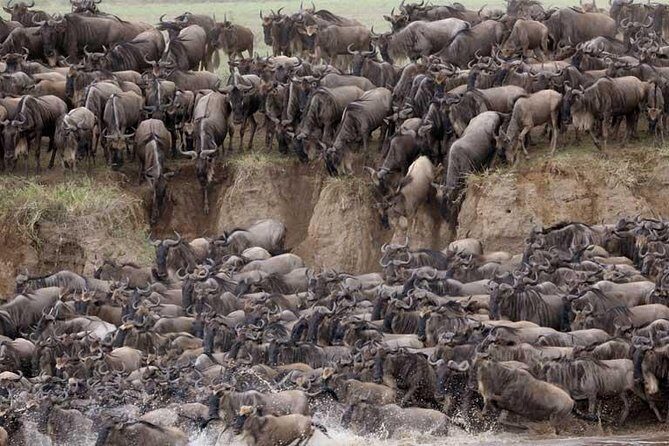
You’ll go into Lake Manyara National Park after breakfast. The route specifically calls out flamingos and the bird-life experience around the lake. It’s a nice change of pace if the first half of your safari felt mostly about big mammals moving across open ground.
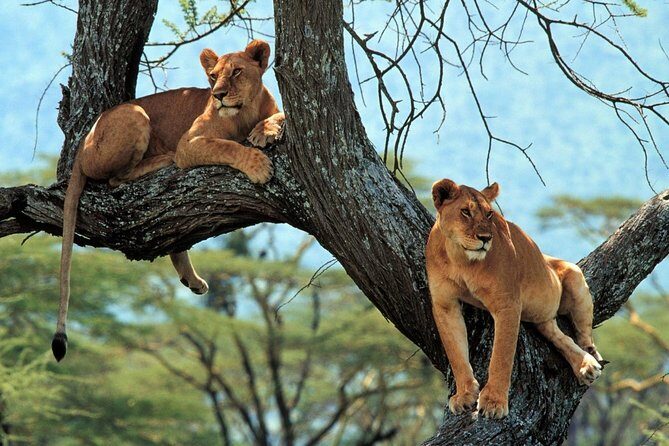
You also have a chance at the park’s famous “tree climbing lions.” The description is honest: these lions are rarely seen. Still, it’s worth having them on your radar because even a brief mention like that means your guide will likely watch for the right spots when the safari route runs through the right areas.
Then you do a game drive with stops that include:
- the hippo pool for close viewing of hippos
- a visit to the hot spring area
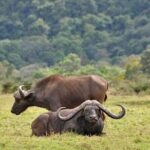
You’ll also spot plenty of other animals depending on conditions—buffaloes, wildebeest, warthogs, monkeys, and birds like vultures and eagles are all mentioned as part of what you may see.
Practical takeaway: Day 5 is where you can end with variety—birds, water animals, and the small surprises you don’t always get in the bigger parks.
A few more Arusha tours and experiences worth a look
Price and What You’re Actually Buying for $1,100
$1,100 per person sounds like a lot until you break down what’s included. This tour includes transport, all meals, and all park fees. It also includes lunches and breakfasts across the days (breakfast 4 times, lunch 5 times, dinner 4 times), which is a major value piece on safari. Eating on the road costs real money, and safari timing makes restaurant plans hard to pull off anyway.
The camping part also changes the math. You’re not paying lodge nightly rates, and that helps keep the package affordable enough for a broader range of budgets. You also get pickup offered, which simplifies Day 1. Group discounts are mentioned too, which can lower your cost further if you’re traveling with someone.
Not included in the price:
- tips
- visas
So your best value comes from treating the package as an all-in safari program and budgeting only for the extras you control: tips and your own Tanzania visa.
Practical takeaway: this is strong value if you want a route that covers multiple headline parks with minimal “extra” spending.
Food, Guides, and the Service Stuff That Makes Safari Easier
Safari success isn’t only about animals. It’s also about how smoothly the days run, how well your team reads the park, and whether meals are actually good after a long day of searching.
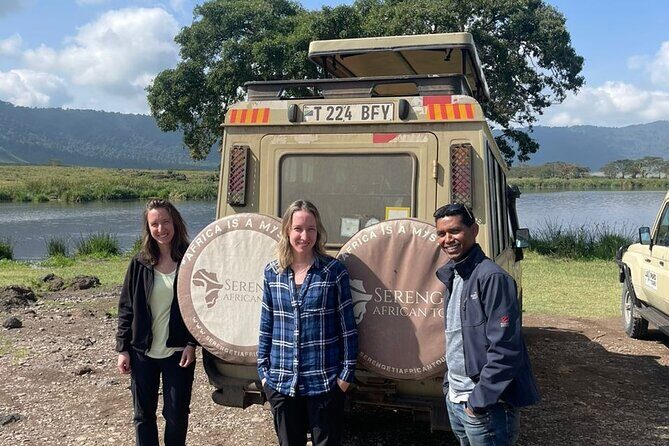
This operator is praised for food quality, often with a specific chef mentioned by name in guest feedback. You’ll see names like Richard (chef) tied to compliments about cooking, and other chefs (like Tito) also come up. That’s a big deal on a camping safari because you’ll need real energy at night and in the morning.
You’ll also see multiple guide names connected with attentive driving and animal searching, including David, Kelvin, and Lucas. On the administration side, Linah appears as a coordinator people described as responsive and helpful.
There’s also at least one specific note about dietary needs: someone praised the team for accommodating a gluten intolerance. Even if you have no special dietary needs, this is still useful info. It tells you the team isn’t totally rigid and you can ask questions before you go.
Practical takeaway: if you value a supportive team, this safari’s reputation for food and hands-on guidance is one of its biggest selling points.
Group Size, Timing, and How to Mentally Prepare
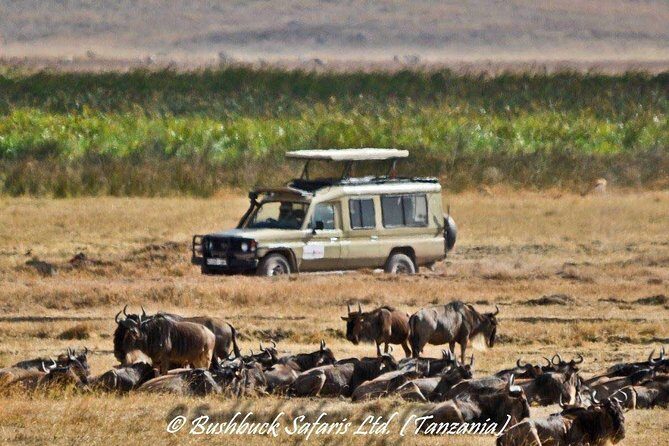
This is a group safari with a maximum of 50 travelers. That can mean you’re never totally alone in the vehicle, but you also usually aren’t in a giant crowd. Your guide and driver still do the key job: positioning the group where sightings are likely.
Timing is the other major reality check. You’ll see early starts like:
- 7:30 am pickup on Day 1
- 6:15 am descent on Day 4
Even if you’re an early bird, your body clock will notice. Your “win” will come from planning your day: sleep early, keep your energy up, and accept that safari days run on animal rhythms, not human schedules.
One balanced consideration: while most feedback is very strong, there’s at least one unhappy note about organization not matching expectations. That doesn’t mean your trip will go badly, but it’s a good reminder to confirm what matters most to you in writing—timing expectations, any optional stops like the Maasai village, and how the group moves between camps and parks.
Practical takeaway: this works best if you’re flexible, early-minded, and okay with a full-contact safari schedule.
Should You Book This 5 Days Serengeti Camping Safari?
Book it if you want a high-impact route with classic Tanzania highlights: Tarangire elephants and baobabs, Serengeti game drives, a crater morning focused on black rhino chances, and Lake Manyara’s flamingos plus hippos.
Skip or rethink if you hate long travel days in the vehicle or if you want a lighter pace. This safari runs on early starts and back-to-back park days, and camping is part of the deal.
If you go, do one thing that improves your odds of a great trip: ask your operator about any dietary needs and clarify the optional Maasai village stop preference before departure. Then pack for early mornings and late evenings, because the best wildlife hours start before you want them to.
FAQ
How long is the safari?
It’s listed as 5 days (approx.).
Where does the safari start?
It’s based in Arusha, with hotel pick-up offered. Day 1 pick-up is described as 7:30 am.
Which parks and areas are visited?
You’ll visit Tarangire National Park, Serengeti National Park, Ngorongoro Conservation Area (including Ngorongoro Crater), and Lake Manyara National Park. There’s also an optional Maasai village stop.
Are park fees and meals included?
Yes. Park fees are included, and meals are included: breakfast 4 times, lunch 5 times, and dinner 4 times.
Is pickup included?
Yes, pickup is offered.
What’s the group size limit?
The tour has a maximum of 50 travelers.
Are tips and visas included in the price?
No. Tips and visas are not included.
Can I get a full refund if I cancel?
Yes. Free cancellation is offered, and you can cancel up to 24 hours in advance for a full refund.