REVIEW · ZANZIBAR
Jozani Forest Tour
Book on Viator →Operated by Paradise Tours & Safaris · Bookable on Viator
Monkeys, mangroves, and tide-splashed boardwalks await. In southern Zanzibar, the Joani Forest (inside Jozani Chwaka Bay National Park) gives you a few hours of easy nature time: forest trails, boardwalks over the swamp, and wildlife activity tied to the water’s movement.
I especially like the search for Zanzibar red colobus monkeys with an experienced guide who can spot them when they’re high, still, and easy to miss. I also love the mangrove boardwalk, where you get that rare view into the roots and shallows, with fish and crabs showing up around the tide.
One thing to consider is timing. If your start runs late, you might arrive when larger groups are already moving through, which can make the monkey-spotting feel more rushed—so build in a little buffer.
In This Review
- Key Highlights You’ll Care About
- How the Joani Forest Tour Fits Into Your Zanzibar Schedule
- Jozani Chwaka Bay National Park: Finding the Red Colobus
- A small reality check
- Mangrove Boardwalk: Watching Fish and Crabs Around the Roots
- Rain doesn’t ruin it, but it changes the texture
- Medicinal Plant Lessons in the Eucalyptus and Mahogany Stretch
- Pickup, Meeting Point, and How to Prevent a Rushed Start
- Price and Value: Is $48 Worth It?
- What to Wear, Bring, and Set Up for Better Photos
- Who This Tour Is Best For
- Should You Book the Jozani Forest Tour?
- FAQ
- Where does the Jozani Forest tour start?
- How long is the tour?
- Is the entrance fee included?
- Do I get pickup from my hotel?
- Are there morning and afternoon departures?
- Do I need to bring food and drink?
- Is this tour private?
- Are service animals allowed?
- Is it near public transportation?
- What is the cancellation policy?
Key Highlights You’ll Care About
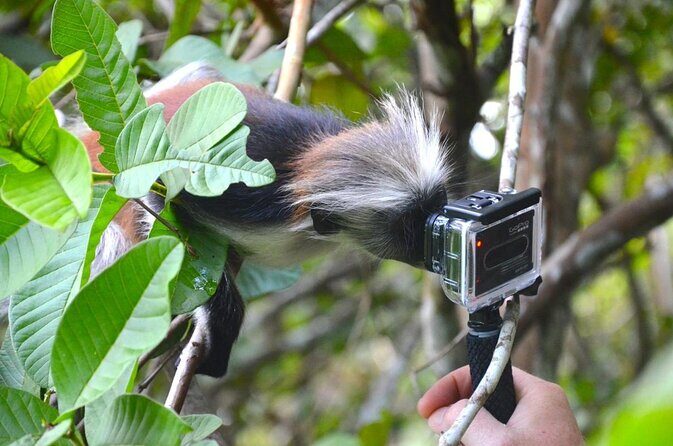
- Red colobus monkey hunting with eyes-on spotting help, not just random wandering
- Mangrove boardwalk over the swamp, built for watching the waterline and roots
- Fish and crabs near the mangrove roots, with activity that shifts as the tide changes
- Forest plant education focused on medicinal uses, including eucalyptus and mahogany
- Hotel pickup and drop-off when you’re based around Stone Town, plus a simple meeting point
- Private for your group while still benefiting from flexible departures
How the Joani Forest Tour Fits Into Your Zanzibar Schedule
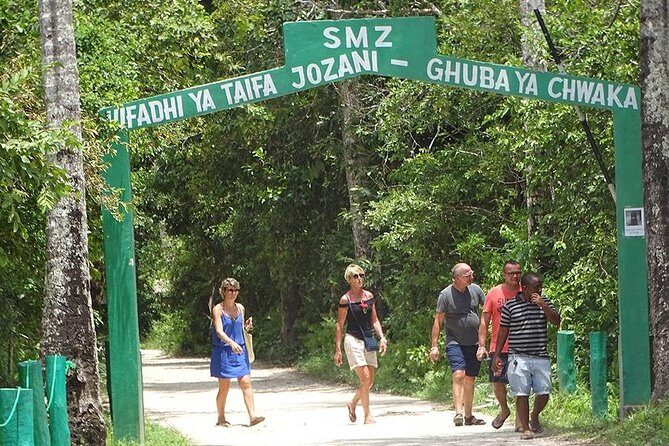
This tour is built for people who want nature without losing half a day. Plan on about 4 to 5 hours total, with a chunk of that spent moving in a comfortable vehicle to the park area and back. Once you’re in, you’re not doing hard hiking. You’re walking at a steady, doable pace while a guide keeps the focus on wildlife and what you’re seeing.
You’ll usually choose between a morning or afternoon departure, and that matters more than it sounds. In the forest, monkey spotting depends on light, movement, and group traffic. On the boardwalk, the water’s rhythm affects what you can see around the mangrove roots, so the time of day changes the feel of the experience.
If you like your travel days to have a clear structure—go here, see this, learn something, then head back—this tour delivers. It’s also a nice counterbalance to beaches and tours focused only on stone streets and spice stalls.
You can also read our reviews of more tours and experiences in Zanzibar.

Jozani Chwaka Bay National Park: Finding the Red Colobus
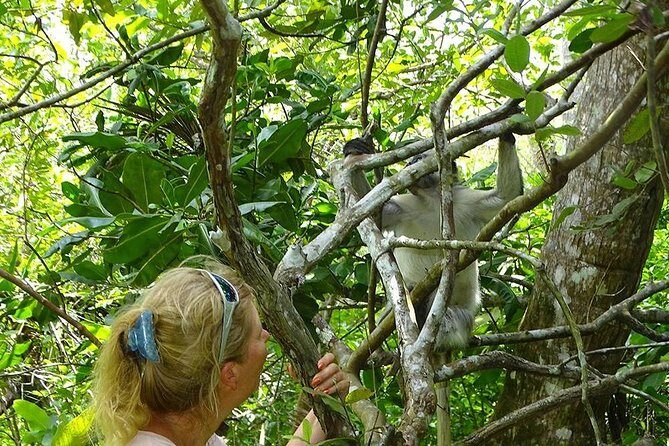
The heart of this experience is the forest walk in Jozani Chwaka Bay National Park. The star is the Zanzibar red colobus monkey, a rare species that can feel like an elusive goal until someone who knows the habitat shows you where to look.
What makes this segment work is the way the guide manages the hunt. Instead of just pointing out trees, you’ll learn how the monkeys move and where they tend to be in relation to the forest structure. That guidance is the difference between seeing a quick flash and getting sustained views.
In the best runs, the guide’s eyesight is almost unfair—in a good way. One guide name that comes up is Seif, and the theme is consistent: he can spot monkeys faster than you can, then helps you get photos without constant scrambling. That doesn’t mean the forest hands you easy success every second, but it does mean you’re working with better odds.
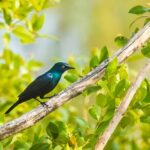
You’ll also see other forest life as you go: birds, reptiles, and plants. The point isn’t a checklist. The point is that the forest feels alive, and you start noticing patterns—what the animals do when they pause, where birds keep watch, and how the trees shape the shade.
A small reality check
This is wildlife viewing. You’re in a protected area, and animals won’t perform on schedule. Even with strong guide skills, you might have quiet stretches. That’s normal, and honestly, it’s part of why this feels different from a show.
Mangrove Boardwalk: Watching Fish and Crabs Around the Roots
After the forest section, you’ll shift to the mangrove boardwalk. This is one of those experiences that’s hard to fully appreciate until you’re standing above the swampy water, looking down at roots and mud that normally hide from view.
Here’s what makes the boardwalk special: it puts you in the mangrove’s working zone. You can watch tropical fish moving through the shallows near the roots, and you can spot crabs scuttling across the mud as conditions change. The guide ties it to the tide, which helps you understand why you’re seeing activity right then and not at other times.
It’s also a different kind of wildlife watching. In the forest, you’re scanning for movement in trees. On the boardwalk, you’re scanning for motion at the waterline: ripples, darting shapes, and tiny movements on exposed mud.
If you’re the type who likes photos, bring the mindset that you’re photographing patterns, not just one perfect shot. A fish slipping between roots or a crab moving along mud can be more interesting (and easier to capture) than trying to force a distant animal pose.
Rain doesn’t ruin it, but it changes the texture
One mixed point from the experience is weather. Torrential rain has happened, and the tour still aims to get you onto the boardwalk and through the forest route. With wet boardwalk surfaces and slick forest paths, it’s smart to treat this as a hands-on walk, not a stroll in dry shoes.


Medicinal Plant Lessons in the Eucalyptus and Mahogany Stretch
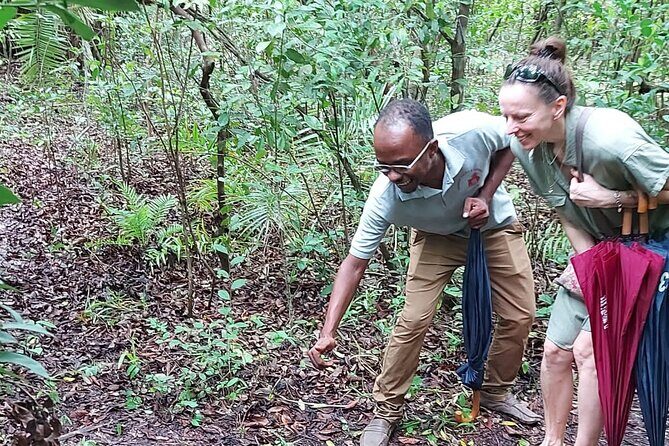
One of the most useful parts of this tour is what you learn as you walk. The guide explains medicinal properties of plants you might otherwise ignore. In particular, you’ll hear about eucalyptus, mahogany, and other plants in the forest.
That matters because it turns the walk from scenery into understanding. Zanzibar’s forests aren’t just collections of trees. They’re living systems where humans learned how to use local plants for practical purposes. Even if you’re not trying to test herbal remedies yourself, you’ll come away with better context for why these species matter.
It also ties into animal life. Trees like eucalyptus and mahogany aren’t just background. They provide habitat and structure for birds and other forest creatures. When the guide connects plant identity to wildlife behavior, you start seeing the forest as a connected web.
This is where experienced guides earn their keep. If you pay attention during stops, you’ll leave with a few things you can actually name and explain, not just photos of green.
Pickup, Meeting Point, and How to Prevent a Rushed Start
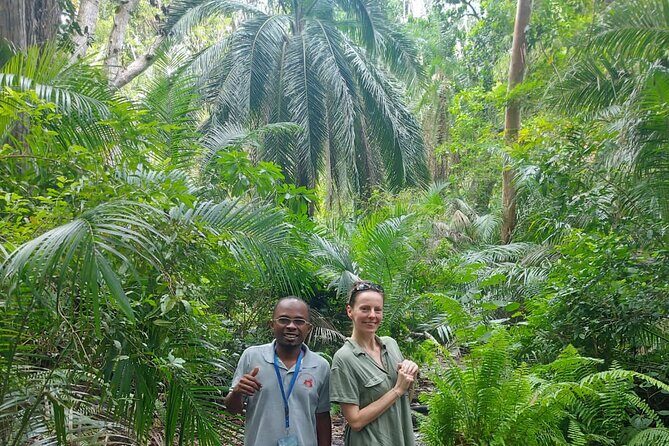
Most days, you’ll have a smooth pickup and drop-off experience in Zanzibar, with transport tied to Stone Town. The tour information also lists a meeting point at Forodhani. In practice, that usually means either you’re collected from your area near Stone Town or you meet at Forodhani and link up from there.
Because timing affects how your monkey search feels, do yourself a favor: arrive early to the meeting point or have your pickup location ready a bit ahead of the planned time. One review described a driver delay of about 20 minutes, and that can matter if buses arrive earlier. Even if you don’t get the best timing, arriving prepared helps you stay calm and focused.
Also, since this is a private activity for your group, you’re not just blending into a giant crowd where someone else is herding the schedule. Your guide’s flow matters more. If you want the best experience, be ready when you’re supposed to start.
A practical note: the tour uses a mobile ticket, so keep your phone charged and accessible.
Price and Value: Is $48 Worth It?

At $48 per person, this tour sits in a reasonable range for a guided nature outing in Zanzibar, especially because the entrance fee is included. You’re also getting transportation tied to Stone Town, plus a multi-hour guided walk rather than a self-guided wander.
What you should factor into the value decision:
- You’re paying for guiding time and wildlife-spotting skill, not just getting into a park.
- You’re getting two distinct habitats in one go: forest trails and the mangrove boardwalk.
- You’re not just walking—you’re learning about plants and how they connect to local life.
What costs extra:
- Food and drink aren’t included. Bring water and plan for a simple snack if you need one.
- Any personal expenses are on you.
For me, the main value test is whether you’ll actually use the guide. If you’re the type who wants to see red colobus monkeys and understand what you’re looking at, this price starts to feel fair fast. If you only want a short look from the outskirts, you might question the cost.
What to Wear, Bring, and Set Up for Better Photos
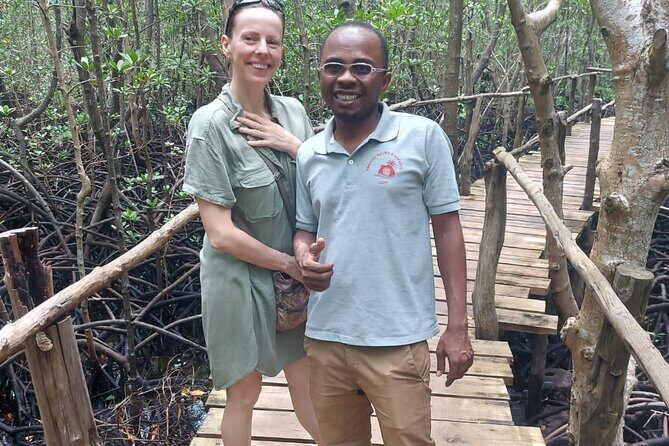
Because the tour can include rainy conditions and time on boardwalks, pack with comfort in mind. Wear shoes you trust on wet surfaces, because you’re walking over uneven ground and possibly slick paths.
For photos, the biggest tip is simple: slow down and let your guide do the scanning. If your guide like Seif is spotting monkeys from a distance, you’ll get better shots by waiting for movement rather than rushing to chase every twitch.
A few quick gear ideas that tend to help on a tour like this:
- A rain layer or light waterproof jacket
- A small towel or wipes for damp hands
- Binoculars if you use them (not required, but helpful for wildlife high in trees)
- Water in a bottle you can actually drink from during stops
If you’re serious about photos, keep your phone or camera settings ready before you reach the monkey zones. The forest can be dim, and you don’t want to spend the best moments fiddling with menus.
Who This Tour Is Best For
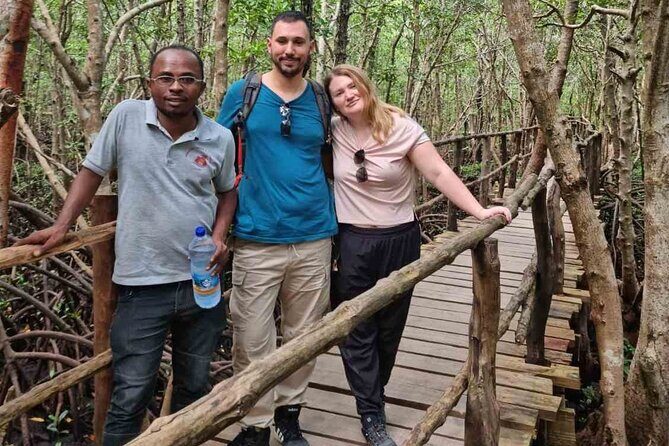
This tour fits best if you want a guided nature experience that’s active but not punishing. It’s great for:
- First-timers who want to see Zanzibar’s unique wildlife without planning a full-day trip
- People who like learning from guides, especially plant and habitat explanations
- Anyone who enjoys mangroves and wants to see what usually stays hidden under the roots
It might not be ideal if:
- You hate walking in potentially wet conditions
- You want a long beach-style rest day instead of forest and boardwalk time
- You’re expecting guaranteed monkey sightings on demand
That said, even when animals don’t appear instantly, the guided approach keeps the tour moving with meaning, not just waiting around.
Should You Book the Jozani Forest Tour?
I think you should book it if your Zanzibar plan has room for 4 to 5 hours and you care about wildlife that feels local and specific to the island. The combination of red colobus monkey searching, mangrove boardwalk viewing, and plant education makes it more than just a quick park stop.
Before you go, make two simple decisions:
- Choose morning or afternoon based on your schedule and light preferences.
- Confirm your pickup or meeting plan so you’re not scrambling when the tour is ready to start.
If your priority is strictly speed and minimal effort, you might feel the time is long. But if you want an authentic, guided look at Zanzibar’s forests and mangroves, this one is a strong fit for the price and the time.
FAQ
Where does the Jozani Forest tour start?
The tour starts at Forodhani in Zanzibar, Tanzania, and it ends back at the meeting point.
How long is the tour?
The tour is about 4 to 5 hours in total, with around 3 hours spent in the national park area.
Is the entrance fee included?
Yes. The entrance fee is included.
Do I get pickup from my hotel?
Pickup is offered, and the tour includes transportation connected to Stone Town. The tour also notes pickup and drop-off at Zanzibar hotels.
Are there morning and afternoon departures?
Yes. Both morning and afternoon departures are available.
Do I need to bring food and drink?
Food and drink are not included, so you’ll want to plan on bringing water and a snack if you need one.
Is this tour private?
Yes. It’s listed as a private tour/activity, so only your group participates.
Are service animals allowed?
Yes. Service animals are allowed.
Is it near public transportation?
Yes. The activity is near public transportation.
What is the cancellation policy?
You can cancel for a full refund up to 24 hours in advance. If you cancel less than 24 hours before the start time, the amount paid is not refunded.