REVIEW · MOSHI
5 days Marangu Route
Book on Viator →Operated by Intrepid Explorer Tanzania · Bookable on Viator
Kilimanjaro in five days sounds bold, but this Marangu itinerary keeps it practical. I love that the route is well-built and hut-based, so you’re not constantly guessing where you’ll sleep. I also like the structured support—guides, cooks, porters, and even emergency oxygen—so you can focus on moving at altitude. One trade-off: Marangu’s quicker ascent can mean a lower success rate than slower routes, even though the trail is easier to follow.
You start from Moshi with a pickup, hike through rainforest, then climb into heath and moorland, and finally reach the high-altitude saddle on the way to Kibo Hut. Each day has set distances and timings, which matters when the clock is pushing you higher. The big day is long and cold: you’ll start the summit push around midnight and aim for Uhuru Peak (5,895m).
In This Review
- Key Things That Make the 5-Day Marangu Route Different
- Why the Marangu Route Still Wins on Kilimanjaro
- Moshi Pickup, Mt Kilimanjaro Gate, and Who You’ll See on the Mountain
- Day-by-Day: Mandara Hut to Uhuru Peak in Five Days
- Day 1: Moshi to Mandara Hut (Rainforest Start and Maundi Crater Views)
- Day 2: Mandara Hut to Horombo Hut (Timberline, Heath, and Moor Zone)
- Day 3: Horombo to Kibo Hut (Last Water Point, the Saddle, and a Tougher Stage)
- Day 4: Summit Night to Uhuru Peak, then Down to Horombo (Long, Cold, and Worth It)
- Day 5: Horombo Down to Marangu Gate (Rainforest Again, Lunch at Mandara, and a Proper Finish)
- Altitude Reality Check: The Quick Route Trade-Off
- Price and Value: What $2,150 Includes (and What You Still Need)
- The Daily Comfort Details That Make or Break It
- Who Should Choose This 5-Day Marangu Route
- Should You Book This 5-Day Marangu Route?
- FAQ
- How long is the 5-day Marangu Route experience?
- Is pickup from Moshi included?
- What nights are you sleeping on during the trek?
- Is emergency oxygen included?
- What meals are included?
- Do I need to bring my own trekking gear?
Key Things That Make the 5-Day Marangu Route Different
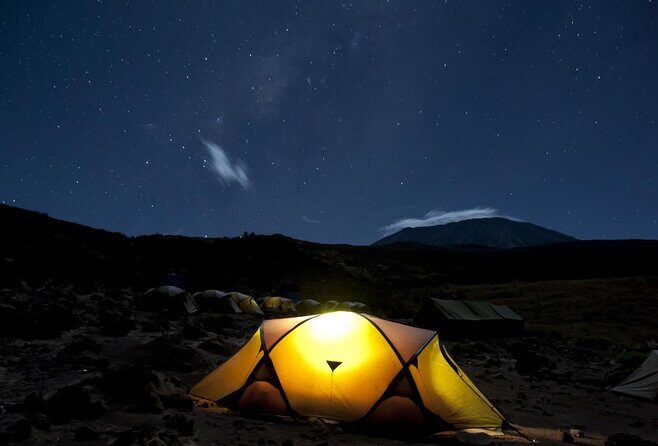
- A faster hut route on the Coca-Cola path: it’s well-maintained, but the pace can be tough on acclimatization
- Hike support that’s real and hands-on: qualified guides plus cooks and porters with daily teamwork at the huts
- Summit timing that starts in the dark: midnight ascent, sunrise near Gillman’s Point, peak at dawn
- Daily comfort extras: hot water for washing and fresh drinking water included
- A clear plan through altitude zones: rainforest → timberline → moorland → saddle → crater rim
Why the Marangu Route Still Wins on Kilimanjaro
The Marangu Route is famous for a reason. It’s called the Coca-Cola Route because it’s the most popular way up, and that popularity shows up in one key way: the trail is easy to navigate and generally well-tended. For many people, that reduces mental stress when your body is doing the heavy lifting.
This version is built around five full days of rhythm. You climb from hut to hut—Mandara Hut, Horombo Hut, and Kibo Hut—so your nights are planned rather than improvised. That’s a big deal on Kilimanjaro, where weather can turn quickly and tired decisions are common.
The main thing to respect is the altitude math. Marangu reaches the summit faster than many routes. That can be a win if you’re aiming for budget value and a tight schedule, but it also means you’ll want to take the acclimatization breaks seriously and follow your guide’s pacing.
A few more Moshi tours and experiences worth a look

Moshi Pickup, Mt Kilimanjaro Gate, and Who You’ll See on the Mountain
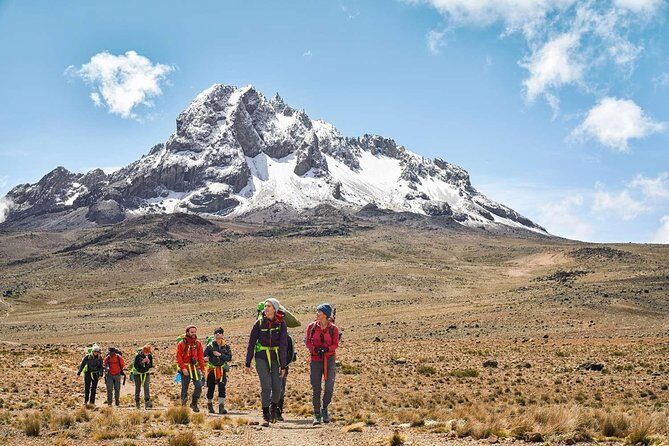
The trip is based in Moshi, Tanzania, with a pickup from your lodge in Moshi on day one. Once you arrive at the park gate and finish paperwork, the hike begins right away—no long waiting, no vague start time.
What makes the human side of this trek especially important is the way the team shows up across multiple days. The experience is staffed by a qualified mountain guide, assistant guides, porters, and cooks, and their wages are included. In the feedback tied to this program, people repeatedly name support roles as part of what made the days feel manageable.
A few names come up: organiser Mr Wence, with senior guides such as Mr Msafiri, Rama, and Allan. You may not meet the exact same individuals on every departure, but the structure is clear: you’re not hiking alone, and you’re not left to figure things out at the huts.
Day-by-Day: Mandara Hut to Uhuru Peak in Five Days
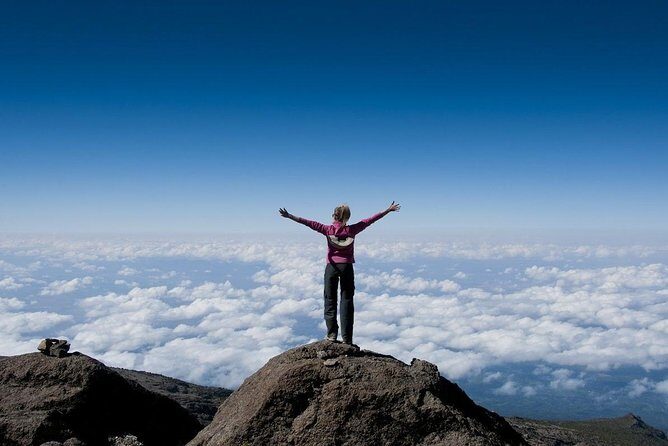
Here’s what each day really feels like, beyond the distances. I’m using the route’s own timing and altitudes so you can picture your energy curve.
Day 1: Moshi to Mandara Hut (Rainforest Start and Maundi Crater Views)
You’ll be picked up from your lodge in Moshi, then driven to the Marangu gate. After the paperwork, you’ll hike into dense rainforest, where the vegetation is thick and the air feels different from lower elevations. You’ll also have chances to spot primates during the climb.
By the time you reach Mandara Hut, you’ve covered about 8.3km in roughly 5 hours. After resting, your guide takes you to Maundi Crater, which is a great “first day payoff.” It’s a view moment that helps you get your bearings after an entry-day push.
This day is long enough to get started, but it’s not the kind of brutal that steals your momentum.
Day 2: Mandara Hut to Horombo Hut (Timberline, Heath, and Moor Zone)
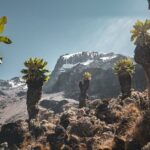
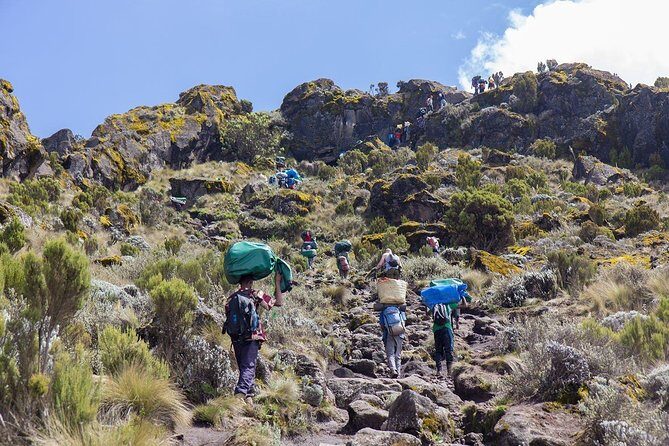
Day two is your first big shift in scenery. After leaving Mandara, you reach the timberline and then move into heath and moor zone. That change usually means colder air and fewer lush touches of rainforest.
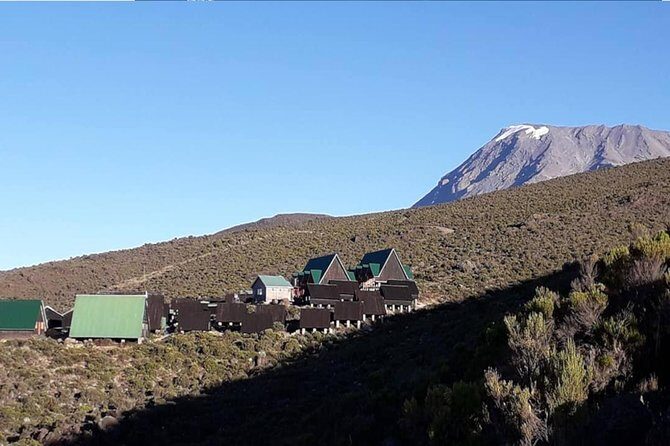
The hike to Horombo Hut is about 12.5km, but the timing matters more than the raw number: plan around 9 hours. About 4–6 hours after leaving Mandara, Horombo Hut appears at roughly 3,700m.
From the hut you get views over Mawenzi, Kibo, and the wide plain of the Masai steppe. This is also the day when you’ll start feeling the “altitude side effects” in your pace and breathing, even if you don’t have symptoms.
Day 3: Horombo to Kibo Hut (Last Water Point, the Saddle, and a Tougher Stage)
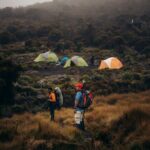
Today is a tougher stage, and the route doesn’t hide that fact. The well-built trail takes you past the Last Water point, then into the Saddle—a high-altitude plateau that connects Kibo with Mawenzi.
You cover about 9.5km in around 6–7 hours to reach Kibo Hut. Your evening meal comes early, and then you go to sleep quickly because the next day is shorter on hours and longer on effort.
If you’re worried about the fast nature of Marangu, this is where you feel it first: the distances don’t look extreme on paper, but the air gets thinner and your body asks for slower decisions.
Day 4: Summit Night to Uhuru Peak, then Down to Horombo (Long, Cold, and Worth It)
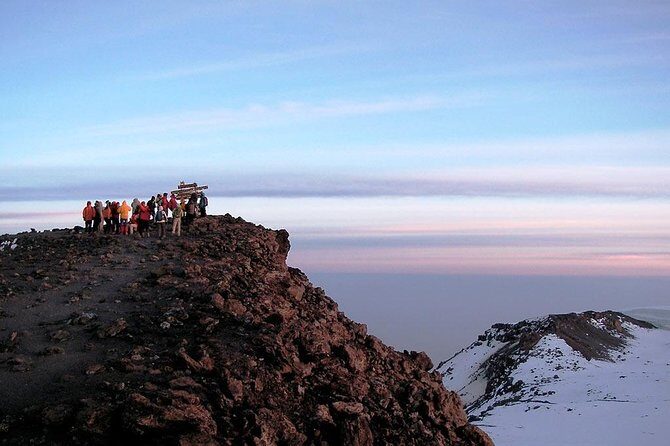
This is the big day, and it starts around midnight. You’ll climb past Hans Meyer Cave at 5,220m, and the grade feels steady—slowly upwards, one step at a time.
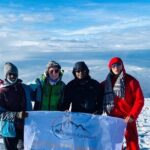
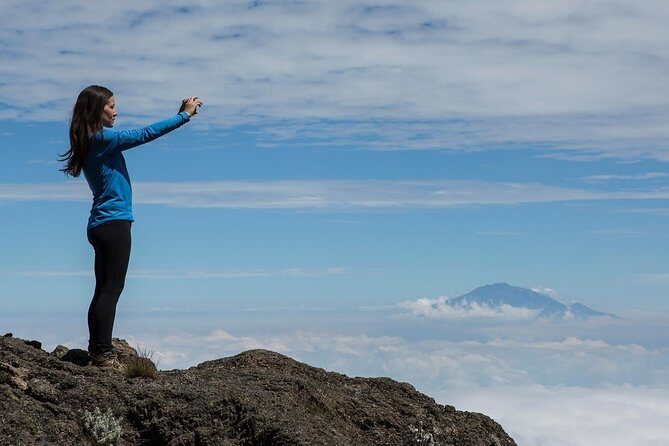
At sunrise, you reach Gillman’s Point (5,681m) on the crater rim, where the sun warms the land and your focus shifts from cold survival to summit intention. After another 1–2 hours, you reach Uhuru Peak (5,895m).
Expect about 12–15 hours total for the day, including the descent segments. On the way down you stop back at Kibo Hut for a warm meal, then take a 1–2 hour break before continuing down to Horombo Hut. That break helps, because day five is still real hiking.
Day 5: Horombo Down to Marangu Gate (Rainforest Again, Lunch at Mandara, and a Proper Finish)
On day five, the route takes you through heath and moor zone again, then down toward Mandara Hut (2,700m). A warm lunch waits there, which is a smart energy reset before the final descent.
After that, you head through tropical rainforest and work your way back to the Kilimanjaro National Park gate (1,860m). Total trekking time is listed at around 6–8 hours, covering about 20.8km by the end of the day.
Once you say goodbye to your mountain guides, you get a short transfer back to your Moshi hotel. Then you get the simple rewards: a warm shower and time to celebrate your summit success.
Altitude Reality Check: The Quick Route Trade-Off
Let’s talk honestly about the Marangu approach. It’s described as the quickest route to the summit, and that speed comes with a catch: the trail is well-maintained, but the success rate is not as high as routes with slower acclimatization profiles.
What you can control is how you hike within that structure. The itinerary does include timing buffers like early starts, hut rests, and early meals. Follow the guide’s pacing, don’t force faster steps because others seem fine, and treat any breathing slowdown as normal rather than a personal failure.
This isn’t meant to scare you off. It’s meant to help you prepare mentally. If you’re the type who wants a schedule you can afford, Marangu can fit. If you’re the type who needs extra time for acclimatization, you might want to ask your operator whether any flexibility is possible.
Price and Value: What $2,150 Includes (and What You Still Need)
The price is $2,150 per person, and the real question is what you’re buying for that money.
This package includes:
- All fees and taxes
- Return transfers between Kilimanjaro airport and Moshi (and back)
- Hotel the night before and the night after, with dinner and breakfast
- Emergency oxygen for emergencies only (not for summit aid)
- Qualified guide + assistant guides + porters + cook wages
- Mountain-hike support gear (including camping equipment items like tents, camp chairs, tables, and sleeping mattress)
- Fresh drinking water and hot water for washing daily
- Meals: breakfast (4), lunch (5), dinner (4)
That’s why the value can be strong. You’re not paying separately for staffing, main park costs, or logistics between Moshi and the trek start. You’re also getting daily washing comfort and water support, which can reduce how much you need to carry.
What’s not included (so you budget ahead):
- Visas, flights, and travel/health insurance
- Personal hiking/trekking gear (though you can rent some locally)
- Highly recommended portable toilet
- Snacks, personal medicine, and water purifying tablets
- Meals and drinks not specified (beyond what’s listed)
If you plan snacks and personal items early, you’ll avoid the common end-of-day scramble when you’re already tired.
The Daily Comfort Details That Make or Break It
On long altitude days, the big differences aren’t always scenic. They’re practical.
Hot water for washing daily is included, which helps you feel human again during the final nights. Fresh drinking water is also included, and that matters because water becomes both a health issue and a morale issue at altitude.
Meals are set into the schedule (breakfast four times, lunch five times, dinner four times). That removes one painful variable: you’re not constantly guessing what’s available at the hut.
And on the safety side, emergency oxygen is included for emergencies only. That’s worth noting because it means it’s not treated as summit gear. It’s there as a backup plan.
The one comfort item you should take seriously is the portable toilet. It’s listed as optional but highly recommended, and if you ignore that and hope for the best, you’ll feel it quickly on multi-day hikes.
Who Should Choose This 5-Day Marangu Route
This trek is best for you if:
- You want a route with good trail maintenance and hut nights
- You prefer a tight five-day schedule rather than a longer acclimatization plan
- You want staffing support built into the price, including cooks and porters
- You’re comfortable with a faster ascent profile and will take rest pacing seriously
It may be a tougher fit if you’re highly risk-averse about acclimatization success rates, since Marangu is quick. Also, if you strongly prefer multiple long acclimatization days, you’ll want to compare options rather than assume all Kilimanjaro routes behave the same.
Should You Book This 5-Day Marangu Route?
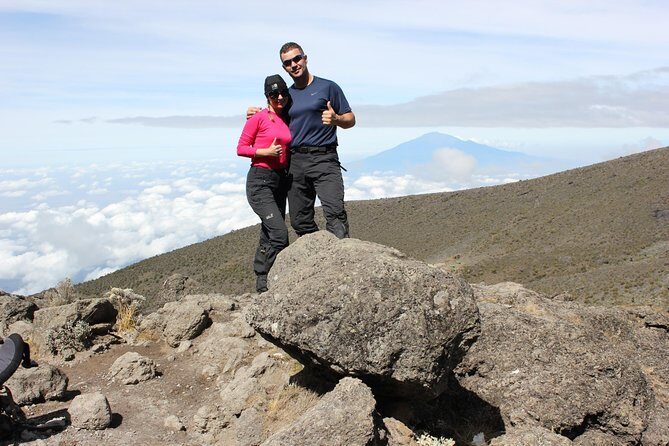
Book it if you want a well-run, hut-based climb with clear daily structure, included logistics from Moshi, and staffing that handles the practical work. The $2,150 price can feel fair because it packages the hard-to-manage pieces: park-related costs, meals, guides, porters, and daily water and hot-water support.
Don’t book it blindly if you’re chasing the highest possible acclimatization success rate. Marangu’s speed is part of the deal, so you’ll need to commit to your pacing, follow your guide’s instructions, and be ready for a long summit day that starts around midnight.
If you’re set on doing Kilimanjaro on a schedule that’s realistic and budget-minded, this route is a strong candidate.
FAQ
How long is the 5-day Marangu Route experience?
It’s listed as approximately 5 days, with Day 1 through Day 5 covering the full route from Marangu gate to summit and back down.
Is pickup from Moshi included?
Yes. You’re collected from your lodge in Moshi on day one, and there are return transfers between Kilimanjaro airport and Moshi included.
What nights are you sleeping on during the trek?
The itinerary specifies overnight stops at Mandara Hut, Horombo Hut, and Kibo Hut.
Is emergency oxygen included?
Yes. Emergency oxygen is included, but it’s for use in emergencies only and not as summit aid.
What meals are included?
Meals included are breakfast (4), lunch (5), and dinner (4), plus dinner and breakfast are also included with the hotel nights before and after the climb.
Do I need to bring my own trekking gear?
Personal hiking/trekking gear is not included, though you can rent some of the gear from their equipment store in Tanzania. A portable toilet is optional but highly recommended, and snacks/personal medicine/water purifying tablets are not included.