REVIEW · ARUSHA
5 Days Safari in Tanzania | Camping and Lodge Safaris
Book on Viator →Operated by Travel wise Safari · Bookable on Viator
Five days across big wildlife parks can change your brain chemistry. This safari is built around Tarangire’s elephants and baobabs on day one, then it ramps up to your best shot at Ngorongoro’s black rhino by going down into the crater early.
You’re also looking at real value for the money: private driving, park fees and taxes handled, and a mix of camps and lodges so you’re not doing the same kind of stay nonstop. One drawback to plan for: the schedule is packed, with long drive days and early starts that make the safari vehicle feel like your second home.
In This Review
- Key highlights that make this safari work
- Arusha base: why starting here keeps your days sane
- Day 1 Tarangire National Park: elephants and baobabs to set the tone
- Day 2 Serengeti arrival: crossing the Great Rift Valley in daylight
- Day 3 Serengeti sunrise and a full day of game drives
- Day 4 Seronera River Valley options and the Karatu lodge night
- Day 5 Ngorongoro Crater: early descent is the whole game
- Camping and lodge nights: the comfort trade you should expect
- Price and value: what $1,800 buys (and what it doesn’t)
- Guides and spotting success: why communication matters
- Who this safari fits best (and who should think twice)
- Should you book this 5-day Tanzania safari?
- FAQ
- What parks are included in the 5-day route?
- Where does the safari start and end?
- What meals are included?
- Is pickup included?
- How big is the group?
- Do I need to tip, and what’s the guideline?
- Can I cancel for a full refund?
Key highlights that make this safari work
- Small group size (max 7) means you’re not shoved into a loud cattle car feeling.
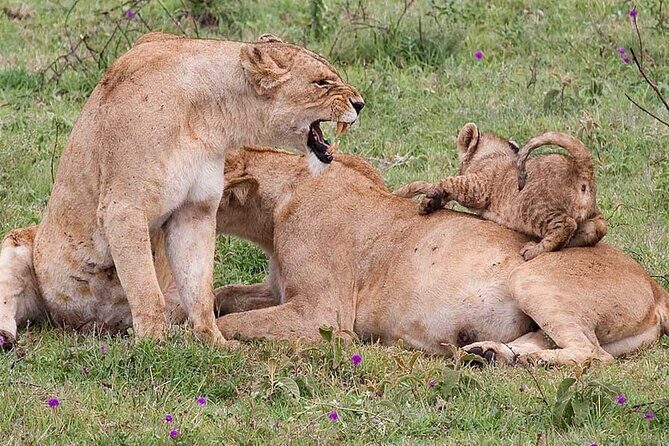
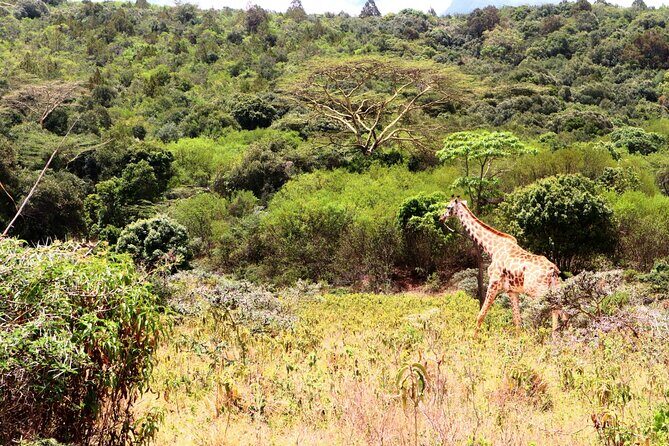
- Multiple daily game drives across Tarangire and Serengeti give you repetition in the best way: more chances to spot cats, herds, and birds.
- Serengeti sunrise option on day three helps you catch animals that move when others sleep.
- VHF radio contact between guides is built into the driving—so your guide can shift plans fast when sightings pop up.
- Ngorongoro early descent is the core strategy for rhinos and the crater’s concentrated wildlife.
- Camping + lodge mix keeps it comfortable enough, but still gives you that classic safari feel.
Arusha base: why starting here keeps your days sane
Most Tanzania safari magic starts from Arusha, and this one follows that pattern. You meet at Travel wise Safari in Arusha Urban, and the tour ends back at the same meeting point—so you’re not juggling complicated add-ons to get to and from your hotels.
This matters because northern parks can be far apart. When your pickup and transport are handled as private transportation, you lose less time negotiating routes and more time doing the thing you came for: game drives and wildlife viewing.
Also, a quick note: the tour description mentions Lake Manyara (baboons and flamingos), but the day-by-day plan provided here focuses on Tarangire, Serengeti, and Ngorongoro. If Lake Manyara is a must for you, ask your operator to confirm it’s included on your exact dates.
A few more Arusha tours and experiences worth a look
Day 1 Tarangire National Park: elephants and baobabs to set the tone
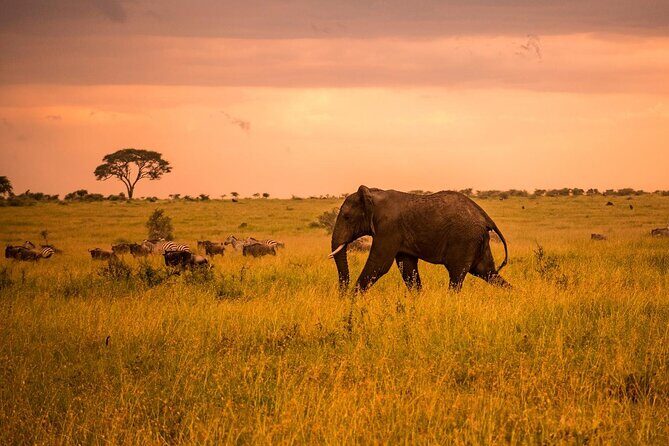
On day one, you leave Arusha and head toward Tarangire with a scenic drive, passing through the Masai Steppe along the way. It’s the kind of first day that’s both practical and energizing: you’re transferring, but you’re also watching for wildlife and stretching your legs before the first serious game drive.
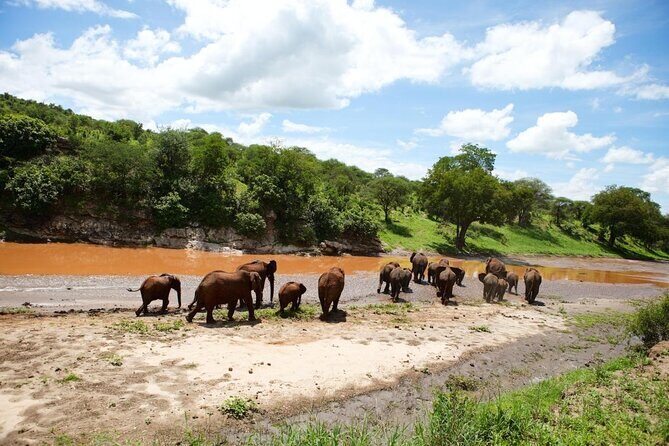
Tarangire is famous for two things you’ll feel fast once you’re on the tracks: large elephant herds and the iconic baobab trees scattered across the grassland. Baobabs aren’t just pretty; they also create natural “anchors” in the scenery. When you see them, you often see the ecosystem around them too—grazers, predators tracking scent trails, and lots of birds.
Lunch is handled at a designated picnic site, then you get more game drives until sunset. That timing is smart. In many safari situations, late afternoon is when animals move more confidently, and lighting for photos is usually better without turning the scene into a blurry dark mess.
What to watch for: day one is a long transfer day. If you’re the type who gets cranky when your schedule slips, do yourself a favor and come with some buffer in your head, even if everything runs smoothly.
Day 2 Serengeti arrival: crossing the Great Rift Valley in daylight
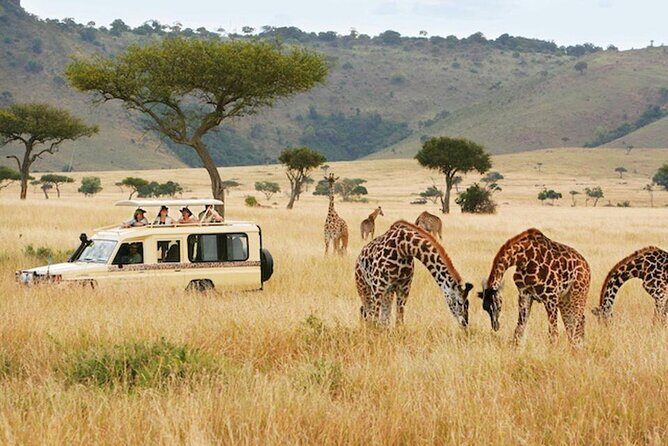
After breakfast, you depart early and drive toward Serengeti, including scenic passing through the Great Rift Valley area and up the escarpment. This is one of those drives that helps you understand why Serengeti feels so dramatic once you’re inside it: you’re moving through real altitude changes and wide-open views.
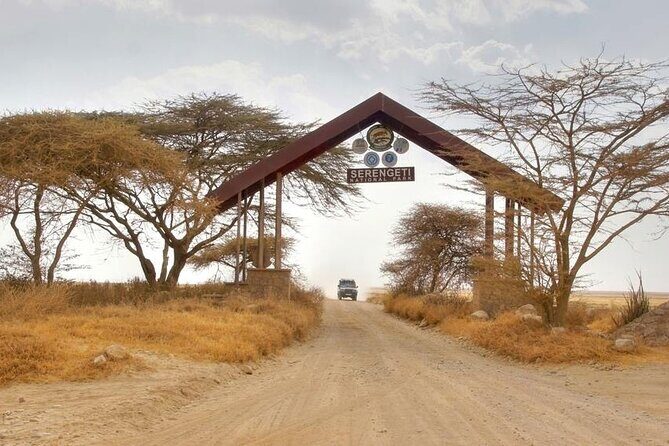
You reach Serengeti in the afternoon and get a game drive until late afternoon. That’s a good approach for day two. You get a taste of what Serengeti does best without burning yourself out right away.
Lunch is taken at a picnic site, and the plan notes Naabi Hill Gate as a likely stop. You’ll also have a chance to stretch your legs there, which sounds minor until you’ve been in a vehicle for hours. It’s also a chance to see how Serengeti “reads” at different points—open plains can look the same until you spot how animals use the terrain.
Then you check in at a camp or lodge for dinner and overnight, with a campfire included. That campfire moment is small, but it often becomes the part you remember most later: the day’s dust settles, you compare sightings with strangers in the group, and you reset for the next morning.
Day 3 Serengeti sunrise and a full day of game drives
Day three is where you start thinking like a safari person. If you wake up early, you can do a sunrise game drive with the goal of catching animals that are out when the world is cooler. The plan specifically highlights an attempt at rare nocturnal species and also mentions diurnal animals lining up along roads to escape morning dew.
After breakfast, you spend the day doing game drives across Serengeti. This is where the name makes sense. Serengeti comes from a Maasai word meaning plains without end, and you feel that in your bones when you’re driving for hours through the savanna and still not “done” after a few minutes.
Practically, this kind of full-day driving is a trade. You’ll cover more ground, which improves your odds, but you also need to accept that not every hour will deliver a headline sighting. When the sightings do happen, though, the payoff is huge because you’ve been watching carefully for a long time.
One thing I like about this structure: the plan gives you a full day inside Serengeti without forcing you to rush back to switch parks. Staying put for the day reduces friction and keeps the focus where it belongs.
Day 4 Seronera River Valley options and the Karatu lodge night
On day four, you check out after breakfast and head out for one more game drive in Serengeti. The plan mentions exploring the Seronera River Valley for wildlife and bird life, but it also makes it clear your professional guide decides where to go based on what’s happening.
This is where that VHF radio detail matters. Your guide is in constant contact with other guides, so they’re not just guessing where to find animals. When the radio chatter indicates a fresh sighting, your drive plan can shift. That can be the difference between passing a decent sighting and landing on something more dramatic.
Lunch is included again, and later in the afternoon you drive back toward Ngorongoro Conservation area. You check in at a mid-range lodge in Karatu (the plan names Marera Valley Lodge or Country Lodge at Karatu as examples), then enjoy dinner and overnight with all meals included.
This “reset” night in Karatu is useful. It’s not the crater experience yet, but it gives you time to regroup—bathroom break, dinner, and an actual night’s sleep before the big morning descent.
Potential consideration: Karatu lodges are comfortable, but this is still safari travel. Don’t expect a city-style schedule where everything is at your exact pace.
A few more Arusha tours and experiences worth a look


Day 5 Ngorongoro Crater: early descent is the whole game
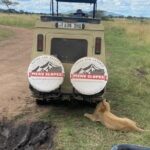
Day five is the money day if you care about the crater’s concentration of wildlife. After breakfast, you descend early into Ngorongoro Crater for game drives.
The plan is direct about strategy: get down early, even before breakfast if needed, or with a packed breakfast, so you can be on the crater floor as soon as possible. That timing matters because animals respond to light, temperature, and human presence. Early is often when the crater feels most alive.
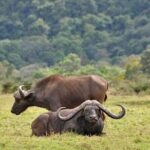
Ngorongoro’s walls are 600 to 650 meters high, and the plan calls the crater like a natural zoo with high animal density. In plain terms: you’re driving in a bowl where animals don’t have the same escape options, and the ecosystem is tightly connected.
The focus includes a chance to see rare animals like black rhinos, with the plan noting that the Big Five can even happen in one day if luck is on your side. I’d treat that as a hopeful target, not a guarantee. But the crater is one of the best places in Tanzania to find serious wildlife quickly once you’re down there.
Lunch is a picnic lunch on the crater floor. After that, your day ends as the safari returns you to the meeting point in Arusha.
Camping and lodge nights: the comfort trade you should expect
This safari uses a camp or lodge approach, including a night in the Serengeti and a lodge night in Karatu. That mix is common on mid-length safaris because it balances budget and experience.
If you’ve never done safari camping, here’s the practical expectation: you trade luxury for closeness. You might hear night sounds, and your shower experience will depend on the lodge setup. The upside is that the safari feels less like a tour and more like you’re living inside the wildlife rhythm.
In the reviews tied to this experience, people specifically praise the camps as well as friendly staff and good food in at least one Tarangire lodge setting. There’s also mention of a lodge in Tarangire that opened in June 2024, described as having large herds of elephants nearby and excellent individual lodge comfort. That’s not universal, but it’s a good sign that the operator is paying attention to lodging quality in the region.
Still, lodges aren’t all identical. If you’re picky about comfort, ask what “camp” means on your exact departure date and what type of room you’ll get in Serengeti.
Price and value: what $1,800 buys (and what it doesn’t)
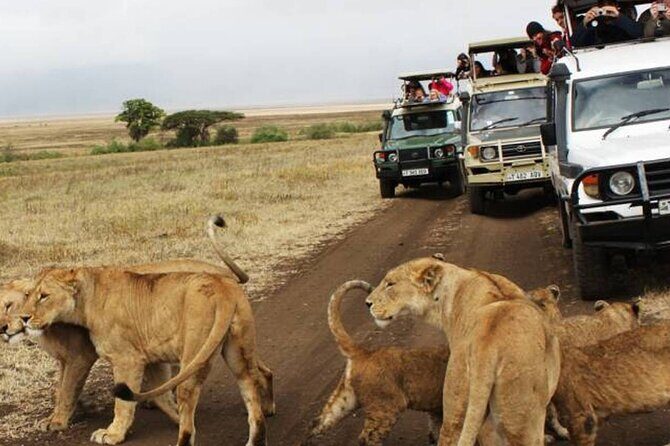
At $1,800 per person for about five days, you’re paying for more than a seat in a vehicle. This price includes private transportation, all fees and taxes, and all listed meals: four breakfasts, five lunches, and four dinners.
It also includes WiFi on board. That’s not a reason to bring heavy work demands, but it’s handy for sharing photos and keeping maps and messages updated.
What’s not included is just as important:
- International flights
- Personal expenses
- Tips
- Any accommodation before or after the tour
And the plan gives a tipping guideline of US$10 per person per day. I agree with treating tips as part of your safari budget from day one, not as a last-minute decision.
Is it good value? For a northern Tanzania route that moves between Tarangire, Serengeti, and Ngorongoro, value depends on whether you’d otherwise pay park fees, arrange reliable driving, and book lodging yourself. Since this itinerary bundles those moving parts, you’re buying fewer headaches and more time on the road chasing wildlife.
Guides and spotting success: why communication matters
In safari country, your guide can’t control the animals. But they can control your odds by picking roads, timing drives, and responding quickly.
The reviews included here repeatedly highlight guides and drivers by name, including Frankie, Meshack, David, Amani, Sam, and Isaac, with comments that emphasize professionalism and clear communication. The tour plan itself also notes that guides use VHF high frequency radios to stay in contact with other guides—so the spotting game is more coordinated than it looks from the outside.
What you should take from this: don’t be shy about asking questions during the drive. A good guide will explain what you’re seeing and why they’re choosing the route they’re choosing.
Who this safari fits best (and who should think twice)
This trip is a great match if you want:
- A classic northern circuit with major parks in a short window
- A small-group experience (max 7)
- Built-in meal planning and park entry handling
- Plenty of game drive time rather than rushing every stop
It’s not ideal if you want a slow, laid-back vacation with lots of free time. This is a “show up, drive, watch, repeat” safari.
Also, if you’re sensitive to early mornings, pay attention to the crater strategy on day five and the option for a sunrise drive on day three. Early starts are part of the design, not an accident.
Should you book this 5-day Tanzania safari?
I’d book it if your goal is to see serious Tanzanian wildlife on a practical schedule and you like the idea of being guided by people who coordinate sightings rather than relying on luck.
I’d confirm a couple details before you pay, though:
- Whether Lake Manyara is included on your departure date, since it’s mentioned in the overview but not clearly built into the provided day-by-day plan.
- What “camp” and “lodge” mean for your exact nights in Serengeti, so comfort expectations match reality.
If you’re okay with early mornings and lots of time in the vehicle, this itinerary offers a strong mix of elephants, Serengeti plains viewing, and Ngorongoro’s crater concentration—the kind of safari combination that makes people keep talking about it long after the dust settles.
FAQ
What parks are included in the 5-day route?
The day-by-day plan focuses on Tarangire National Park, Serengeti National Park, and the Ngorongoro Conservation Area (Ngorongoro Crater).
Where does the safari start and end?
It starts at Travel wise Safari in Arusha Urban, Arusha, Tanzania and ends back at that same meeting point.
What meals are included?
The tour includes 4 breakfasts, 5 lunches, and 4 dinners.
Is pickup included?
Yes, pickup is offered, and the experience uses private transportation.
How big is the group?
This safari has a maximum of 7 travelers.
Do I need to tip, and what’s the guideline?
Tips are not included. The provided tipping guideline is US$10.00 per person per day.
Can I cancel for a full refund?
Yes. You can cancel up to 24 hours in advance for a full refund. Canceling less than 24 hours before the start time is not refunded.