REVIEW · ARUSHA
4 Days Tanzania Budget Group Join Safari- Serengeti & Ngorongoro
Book on Viator →Operated by Tanzania Serengeti Safaris · Bookable on Viator
Two parks. One early start. This 4-day, budget group-joining safari packs the classic Tanzanian highlights into a tight schedule, with Serengeti game drives and Ngorongoro Crater for Big Five chances. You start before sunrise, you spend your days looking out over wildlife country, and you sleep near the action.
What makes this feel like good value is the way the days are structured. You get time in the Serengeti during prime wildlife activity, plus a crater day that’s famous for animal density—so you’re not just driving for hours hoping something happens. The pickup from Arusha at 5:30 am also matters, because on safari the day starts early and the best sightings often come sooner than you expect.
One thing to consider: this is a shared safari format. That can mean less flexibility than a private trip, and the long driving days add up—especially with an early start on Day 1.
In This Review
- Key highlights to look for
- Why this shared Serengeti and Ngorongoro safari works as a budget buy
- Arusha pickup at 5:30 am and the first Serengeti game drive
- Serengeti plains: how a full day connects you to migration timing
- Half-day Serengeti, then the drop into Ngorongoro Crater
- Ngorongoro game drive day 4 and the return to Arusha
- Price and value: what $1,283 buys you (and what it doesn’t)
- Guides, group format, and why it matters for your sightings
- Comfort and timing tips for a Serengeti-to-Ngorongoro rhythm
- Optional add-ons if you want to extend beyond 4 days
- Should you book this 4-day joining safari?
- FAQ
- Where does this safari start and end?
- What time is pickup on Day 1?
- Which wildlife areas are included?
- What’s included in the price?
- Is this a group safari?
- Is it missing anything you’ll need to pay for separately?
- What if the weather is bad?
Key highlights to look for
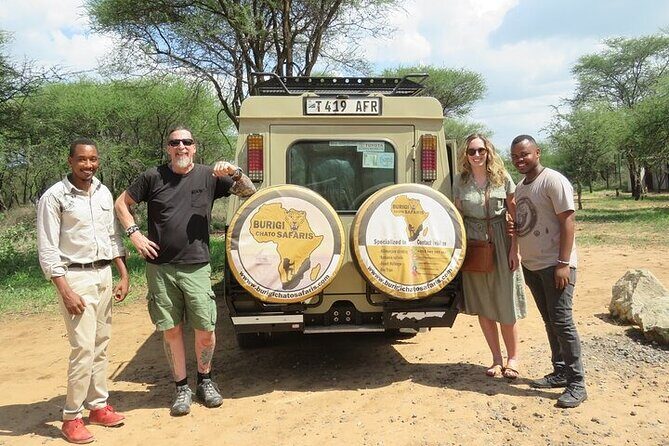
- 5:30 am pickup in Arusha sets you up for better game-drive timing right away
- Serengeti National Park game drives on multiple days for repetition (and better odds of seeing different animals)
- Wildebeest migration country on Day 2, when the plains can feel alive with movement
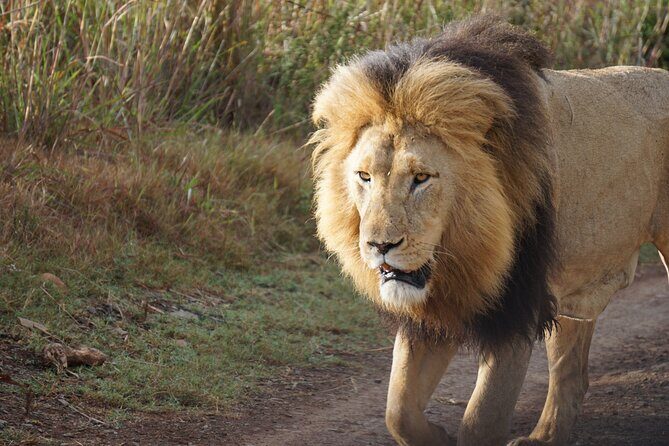
- Ngorongoro Crater descent for a concentrated wildlife experience, including the Big Five (elephant, lion, leopard, buffalo, rhino)
- All fees and most meals included, which helps keep the trip budget under control
Why this shared Serengeti and Ngorongoro safari works as a budget buy
If you’re shopping for a safari on a budget, the hard part is figuring out where your money actually goes. This trip keeps the essentials tight: professional driver-guide, park access costs covered, and meals built in. When you compare it to doing everything separately, that’s where the value shows.
You’re also targeting the two most “high-impact” zones in northern Tanzania. Serengeti is about big-scale wildlife drama: open plains, herds moving through the day, predators working the edges. Ngorongoro is about concentration: descending into the caldera and looking for animals in a more enclosed setting. Even when you don’t get a perfect sighting of everything, the variety of terrain and animal behavior is part of the payoff.
The shared format isn’t a drawback by default. It can actually be a plus if you like meeting people and you’re happy to follow a set plan. Just know that your pace and stop choices will be determined by the itinerary and the group movement.
A few more Arusha tours and experiences worth a look
Arusha pickup at 5:30 am and the first Serengeti game drive
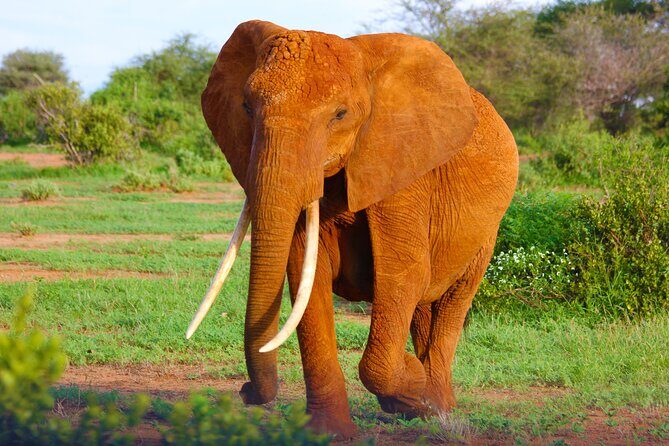
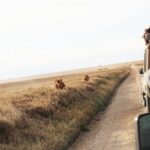
Day 1 starts with a very safari-style reality: the earlier, the better. Pickup is listed at 5:30 am in Arusha, and you’ll drive into Serengeti National Park. The early departure helps you reach the park while wildlife is most active and before the day gets too hot and too still.
Once you arrive, you jump straight into a game drive. This matters more than it sounds. First-time safari nerves are real—everything feels new, your eyes need time to adjust, and your brain has to learn how to read animal movement in the brush. A first drive gives you that adjustment time while you’re already in the right place.
By evening, you settle into accommodation in the Serengeti area. Even with a short first day, the rhythm is clear: drive, scan, look, learn. And because your park entry is covered, you don’t waste time worrying about logistics once you’re there.
One practical note: expect long hours behind the vehicle windows. Bring sun protection and something for wind or dust, because Serengeti can be bright and dry.
Serengeti plains: how a full day connects you to migration timing
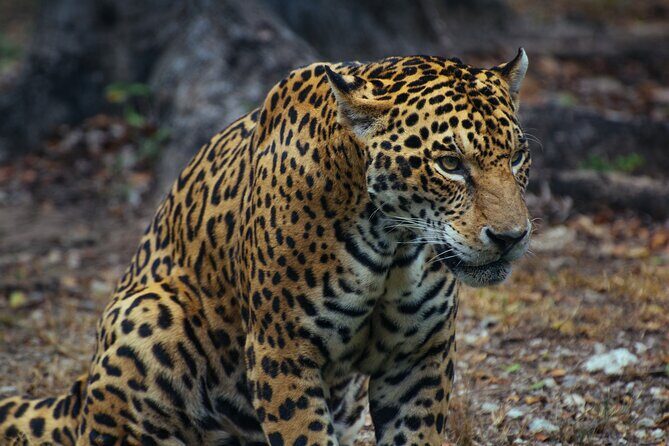
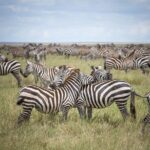
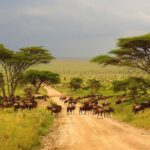
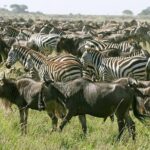
Day 2 is the big Serengeti day. You spend the day exploring the plains and focus on prime viewing zones for the wildebeest migration. The migration is not just one moment—it’s a pattern of movement, and it changes as seasons and grazing conditions shift. On a full day, you’re not stuck with a short window that might land at the wrong time.
This is also where your driver-guide’s role becomes important. Even with the same park and the same general plan, where you position the vehicle can change what you see. The goal is to get you to places with higher odds of activity—where you can watch herds moving, where zebras and other grazers cluster, and where predators may be lurking nearby.
The best part of a full day is simple: you get repetition. If you miss a sighting earlier, you have more hours to correct that. You also get different light and different animal behavior. Morning can feel frantic; midday can be slower; late afternoon can bring movement again as animals adjust to heat.
Admission is listed as free for the day, and this is one of the benefits of having park fees included. Instead of budgeting for entry add-ons, you can focus on being present: scanning, listening, and letting your eyes settle.
Half-day Serengeti, then the drop into Ngorongoro Crater
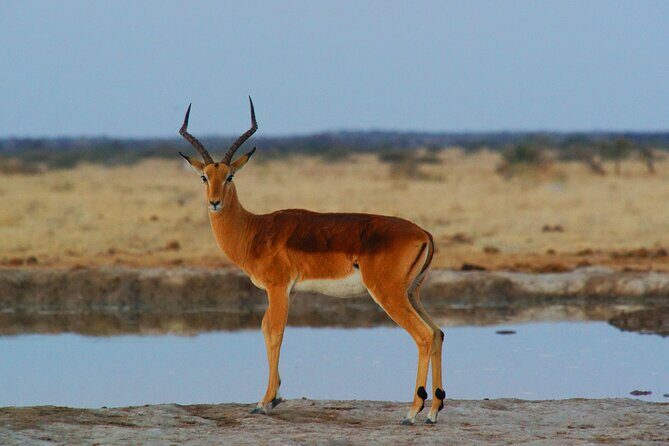
Day 3 shifts gears. You start with breakfast, then a half-day game drive in Serengeti before heading toward the Ngorongoro Conservation Area.
The drive transfer is part of the experience—again, this is one of those “safari is not a straight line” trips. You pass through wildlife country, and the itinerary explicitly includes opportunities to spot animals along the way. Even if you don’t see much, the payoff is when you reach Ngorongoro and the density kicks in.
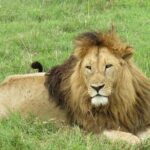
Then comes the main moment: you reach Ngorongoro and descend into the caldera. The crater is special because it can feel like a self-contained world. The area is known for resident wildlife, and your listed game-drive focus includes the Big Five: elephant, lion, leopard, buffalo, and rhino. You’ll also look for bird species, which matters because not every great wildlife moment is a mammal.
When you’re inside the crater, your best viewing is about patience and scanning. Animals can appear and disappear quickly as the light changes and as they move between open ground and tree shadows. In practice, it helps to keep your camera ready but don’t stare through the lens the whole time. Your eyes should stay working first.
You’ll ascend back to the rim later and spend the night near Ngorongoro Crater, which is convenient if you want to start early again on Day 4.
Ngorongoro game drive day 4 and the return to Arusha
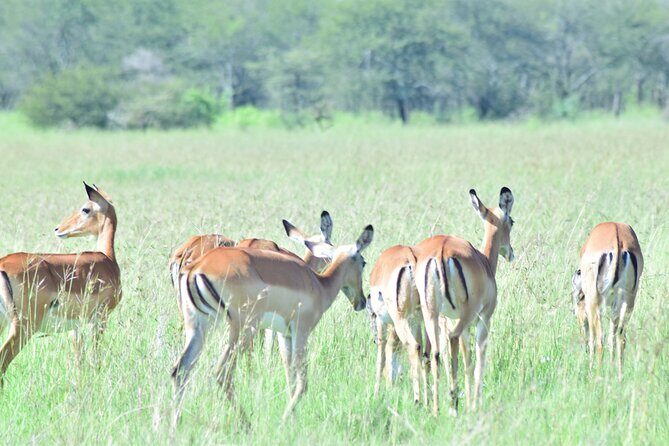
Day 4 is your final chance to catch anything you missed. You start with another game drive in Ngorongoro Crater, taking in the views and searching for wildlife again.
This second crater day is smart. Ngorongoro can be unpredictable. One day you might see more herbivores feeding; another day you might find predator activity. A second drive increases your chances of seeing different behaviors and different clusters of animals.
After the game drive, you travel back to Arusha, where the experience ends back at the meeting point. The overall flow is straightforward: two intense Serengeti-focused days, then the crater, then one more crater sweep and homeward.
If you’re the type who wants a full safari “arc” in a short time, this is the kind of schedule that delivers a satisfying storyline: plains to crater to plains again, even if it’s technically one-direction travel.
A few more Arusha tours and experiences worth a look

Price and value: what $1,283 buys you (and what it doesn’t)
The listed price is $1,283 per person for an approx. 4-day safari. What makes that number feel reasonable is what’s included:
- Professional driver-guide
- All fees and taxes
- Meals: lunch (4), dinner (4), breakfast (3)
- Admission tickets covered for the park days
Safari trips can become expensive fast once you add up entrance fees, guiding time, and meals. Here, a lot of the usual “surprise costs” are already handled. That’s why this can work well for budget travelers who still want the real national-park experience—not just a quick photo stop.
Now the trade-offs. You’re not getting everything that makes some safaris feel luxurious, and you’re not paying for flights. Drinks at lodges are also not included, and tips aren’t included either. So you’ll still want a separate cash/credit plan for:
- gratuities
- water and soft drinks
- any personal snacks or sundries
Also, drinks aren’t included in the lodge context, so if you like staying hydrated all day (you should), budget for it.
Guides, group format, and why it matters for your sightings
This safari includes a professional driver-guide, which is the key ingredient behind good game viewing. On safari, you’re not just watching animals—you’re watching a system. The guide helps you understand:
- where animals tend to show up
- how herds and predators move
- what to look for when animals are far away or partially hidden
A group-joining format also changes the vibe. It’s described as a group experience with a maximum of 200 travelers on the activity overall. In real life, that number doesn’t necessarily mean you’ll all crowd into one vehicle, but it does suggest the operator may move in a larger system depending on availability.
If you’re sensitive to noise or you hate feeling “one of many,” consider that trade-off. If you’re flexible and happy to share the road with other safari people, it can feel fun and social.
Comfort and timing tips for a Serengeti-to-Ngorongoro rhythm
A few practical points that will make your days smoother:
- Sun and early mornings: you’re starting around 5:30 am. That’s not casual vacation time; plan on being ready for it.
- Stay dry and light: safari vehicles can be dusty and windy. Bring sunglasses and something for the eyes.
- Camera strategy: use the lens for the final shot, not the whole scanning process. Wildlife can move fast around the edges.
- Hydrate consistently: with lots of driving and time outdoors, water becomes part of the plan.
- Pack for layers: early and late can feel cooler, especially near crater rim areas.
Also, the tour lists a mobile ticket and confirmation at booking. That’s useful for smooth entry and reduces last-minute confusion.
Optional add-ons if you want to extend beyond 4 days
This exact trip focuses on Serengeti and Ngorongoro. If you have extra time, you might consider adding another northern circuit park. Some people who combine safaris in this region choose options like Tarangire and Lake Manyara to add different animal styles and scenery. Lake Manyara, for example, is known for special lion behavior (tree-climbing), which is the kind of detail that can make a longer safari feel even more varied.
That’s not a promise and it isn’t included here. It’s just a smart direction if you want a 5-day or longer version and you like the idea of stacking multiple “animal ecosystems.”
Should you book this 4-day joining safari?
I’d book it if you want a classic first safari that hits the big Tanzanian icons—Serengeti and Ngorongoro Crater—without building a complicated DIY plan. The included meals, covered fees, and the clear two-crater/one-migration rhythm make it a solid value for money.
I’d hesitate if you want a highly flexible schedule, lots of downtime, or you’re very sensitive to long days and early starts. This is a safari format with driving and game viewing as the main event, not a slow-travel experience.
If you’re willing to wake early, scan for wildlife, and accept that a group plan controls the pacing, this one gives you a strong shot at memorable days in some of Tanzania’s most famous wildlife terrain.
FAQ
Where does this safari start and end?
It starts in Arusha, Tanzania and ends back at the meeting point in the same area.
What time is pickup on Day 1?
The start time listed is 5:30 am.
Which wildlife areas are included?
The safari includes Serengeti National Park and the Ngorongoro Conservation Area (including Ngorongoro Crater).
What’s included in the price?
You get a professional driver-guide, all fees and taxes, and meals: lunch and dinner (4 each) plus breakfast (3). Park admission tickets are shown as free in the day descriptions.
Is this a group safari?
Yes. It’s a group-joining experience with a maximum activity size of 200 travelers.
Is it missing anything you’ll need to pay for separately?
Yes. Tips to the guide, medical insurance, drinks and beverages in lodges, visa and travel insurance, and local/international flights are not included.
What if the weather is bad?
The experience requires good weather. If it’s canceled due to poor weather, you’ll be offered a different date or a full refund.