REVIEW · ARUSHA
4 Days Guided Tour to Safari Tanzania
Book on Viator →Operated by Gifted African Adventures · Bookable on Viator
Big cats and big drives, tight schedule. This short Northern Circuit safari hits three heavy-hitters in about four days, starting and ending in Arusha, with hotel pickup and a small max group size. I love that you’re never lost in a crowd, and game drives are timed to make the most of prime wildlife hours. The trade-off is that days are long, and you’ll be up early, with a stated start time of 6:00 am.
What I like most is the way the guiding is built for real sightings, not just check-the-box photos. You’re going after elephants and possible leopards in Tarangire, then moving into Serengeti with an evening drive, plus a sunrise start for the next push. One more plus: many safaris here lean into local language and animal spotting tips, and you can reasonably expect a driver who explains what you’re seeing and keeps things upbeat. The only consideration: it’s a camping-style route with campsite overnights, so comfort is basic and you’ll want to pack for that.
In This Review
- The most useful highlights (before you go)
- How this 4-day Northern Circuit route works (Arusha to Arusha)
- Day 1 in Tarangire: elephants in the open, leopards in the treetops
- Day 2 Serengeti via the Rift Valley: an afternoon in Seronera-country
- Day 3: coffee at sunrise, then a push toward Ngorongoro
- Day 4 at Ngorongoro Crater: 650 meters down for a half-day safari
- Price and value: what $1,060 covers (and what it doesn’t)
- The guiding style that makes wildlife easier (not just louder)
- What to pack for a campsite safari (so Day 4 feels great)
- Who this safari fits best (and who should look elsewhere)
- Should you book this 4-day Tanzania safari?
- FAQ
- What time does the safari start each day?
- Where does the tour start and end?
- Which parks are included?
- Is pickup offered?
- Is there a group size limit?
- What is included in the tour price?
- What is not included?
- Do I get a ticket on my phone?
- How does cancellation work?
- How long is the tour?
The most useful highlights (before you go)
- Small group size (max 6): easier spotting, more questions, and less waiting around.
- Three major parks in 4 days: Tarangire, Serengeti, and Ngorongoro Crater Conservation Area.
- Early starts built in: 6:00 am programming for sunrise and longer game-drive windows.
- Campsite nights: you’ll sleep in the safari rhythm, not a hotel bubble.
- What you’ll actually spend on: park fees and transportation are included; tips and visa are not.
- Guiding that helps you track wildlife: expect spotting guidance and practical explanations on the move.
How this 4-day Northern Circuit route works (Arusha to Arusha)
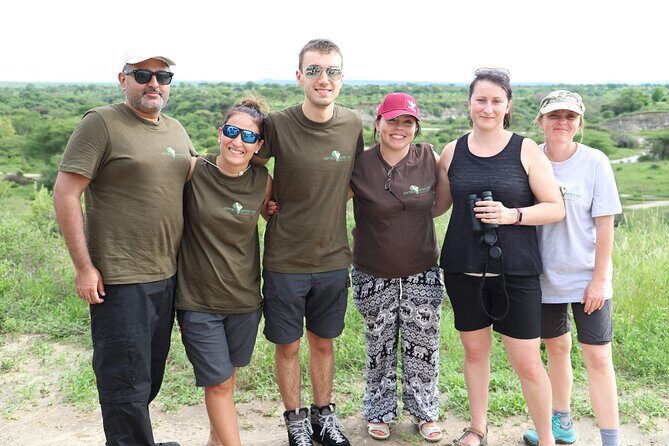
This is a time-efficient safari built around Northern Tanzania’s top parks: Tarangire National Park, Serengeti National Park, and the Ngorongoro Conservation Area / Ngorongoro Crater. The tour is guided, and it runs as a tight loop from Arusha back to Arusha, which matters if you’re trying to keep logistics simple and avoid extra transfers.
The schedule is also designed around daylight patterns. Lions, leopards, and other big cats are all “possible” in the parks, but in real life, the best chance comes when you’re out at the right times. That’s why you’ll see early starts and evening drives mixed in, rather than a lazy mid-day focus.
Also, the group is capped at 6 travelers. That’s a big deal for safaris. Smaller vehicles often mean you can move with less gridlock at viewpoints and keep the driver’s attention on active sightings. You’ll likely spend less time waiting for everyone to decide where to look next.
You can also read our reviews of more guided tours in Arusha

Day 1 in Tarangire: elephants in the open, leopards in the treetops
Day 1 starts after breakfast with hotel pickup and a direct transfer to Tarangire National Park. You’ll get a scenic drive and a picnic lunch, then settle into an afternoon game drive once inside the park.
Tarangire is famous for two things your eyes will notice fast. First, elephants. The itinerary specifically calls out herds, with typical group sizes ranging from about 10 up to 30. Second, the chance of seeing big cats—especially the leopard—using the park’s mix of trees and open ground. The important practical takeaway: leopard spotting often means scanning upward and being patient. So don’t treat this drive like a quick “search and find” mission.
Expect plenty of other savannah wildlife too, including buffalo and impala. That variety matters because your day doesn’t depend on one rare sighting. Even if the leopard is elusive, Tarangire can still deliver strong photo opportunities with elephants, grazers, and birds.
Possible consideration for Day 1: you’re traveling on Day 1 and then driving again once you’re in the park. That’s normal here, but it does mean you’ll want to pack for comfort on the vehicle (sun protection and a light layer for the early hours and cooler moments).
Day 2 Serengeti via the Rift Valley: an afternoon in Seronera-country
Day 2 is where you shift from Tarangire’s rhythm into the massive Serengeti National Park ecosystem. You’ll have an early breakfast, then load camping gear onto the safari jeep and travel onward, passing the Rift Valley escarpments along the way.
One interesting optional element is a possible Masai village visit en route. Since it’s described as optional, it’s a good reminder to plan your expectations: if you like cultural add-ons, this could be a satisfying contrast to wildlife drives. If you’d rather keep every minute for animals, you may want to ask your guide how much time it takes and whether it affects your main drive windows.
By evening, you arrive in the Serengeti area (noted as Seronera Campsite) and enjoy an evening game drive. Evening drives can be excellent for activity as animals shift locations. For wildlife, “evening” often means movement—grazing slows, predators start to work, and you sometimes get a different set of sightings than the morning.
After the drive, dinner is included and you settle in for your overnight stay at the campsite. This is one of those parts where the safari’s style matters. Think practical: you’re not trying to change into fine-dining clothes here. You’re trying to stay warm, dry, and ready for another early start.
Day 3: coffee at sunrise, then a push toward Ngorongoro
Day 3 starts at 6:00 am with coffee and a Serengeti sunrise. That’s not just a nice detail—it’s smart scheduling. Sunrise light and early animal activity often make the day’s first drive the most rewarding for big sightings and calmer viewing.
Then you get a morning game drive focused on wildlife and camera moments. After that, you return to camp for brunch, which is a nice way to split the day so you’re not constantly eating on the road.
Next comes the transfer to the Ngorongoro Conservation Area. The itinerary includes another game drive en route before ending at Ngorongoro Simba Campsite for dinner and an overnight stay.
This kind of “in-between” game driving is a sneaky advantage. You’re not simply traveling from A to B. You’re spending part of the transfer day looking for wildlife wherever the route brings you into habitats.
Possible consideration for Day 3: it’s a full day with a morning drive, a transfer, and additional driving before you reach the next campsite. If you’re sensitive to long hours in a vehicle, pack for that reality: water, snacks, sunscreen, and layers.
Day 4 at Ngorongoro Crater: 650 meters down for a half-day safari
Your final day focuses on the Ngorongoro Crater, one of Tanzania’s most distinctive wildlife arenas. After breakfast, you drive to the descent gate and go down 650 meters to the crater floor for a half-day game tour.
Why this stop is so compelling is simple: water concentrates life. The itinerary notes that the crater has several permanent resident animals drawn by year-round water, which means wildlife can be present even when the outside savannah is less consistent.
Also, the itinerary calls out a chance to see rhinoceros. That doesn’t mean you’ll guarantee it—sightings still depend on timing and luck. But it does mean you’re targeting a place where rhinos are part of the real picture, not a fantasy. In practical terms, your job on Day 4 is to stay alert on the crater floor and trust your guide’s pacing as animals move through a narrower ecosystem.
After the crater tour, you ascend back to the rim, then return to camp for lunch. The day then ends the safari (the itinerary notes returning to camp and continuing toward your next step).
A few more Arusha tours and experiences worth a look
Price and value: what $1,060 covers (and what it doesn’t)
At $1,060 per person, this safari is positioned as a short Northern Circuit option. The key to whether it’s good value isn’t just the number—it’s what’s included.
Included items:
- Transportation (safari jeep plus park driving as scheduled)
- All park fees
- Meals: breakfast is included for the days listed, lunch is included for the days listed, and dinner is included three times
Not included:
- Tips for the crew
- Visa
So you’re not planning your budget around separate park ticket purchases. That alone can make a big difference for travelers trying to keep costs predictable.
Now the value lens that matters most: you’re getting Tarangire + Serengeti + Ngorongoro in one compact loop. In Tanzania, the cost of time and logistics adds up fast. This itinerary’s strength is that it’s built to cover major wildlife zones without requiring a longer trip.
The trade-off with this kind of value is comfort level. The route is described with campsite nights at Seronera and Ngorongoro Simba, which usually means simpler lodging and more “safari living” than hotel style. If you want private luxury and slow pacing, you’ll pay more elsewhere and likely change the route.
The guiding style that makes wildlife easier (not just louder)
Small group safaris live or die by the driver-guide’s skill and attitude. In the feedback around this company, a common theme is that the driver is more than a driver. You’ll likely get:
- Clear explanations of what you’re seeing
- Humor to keep the mood up during long drives
- Practical spotting help, including attention to where animals tend to appear
One of the more memorable details from the comments is that guides may teach you a few Swahili words for animals. That’s more than cute trivia. It helps you connect the sounds and names you hear on the radio calls and track what’s being pointed out. You’ll also feel more confident when you ask questions in-country.
Also, safety is emphasized as a priority by the operator. You should still travel with common sense everywhere (seat position, follow the guide’s instructions, don’t wander off), but it’s reassuring when the company mindset is that you’re in good hands.
What to pack for a campsite safari (so Day 4 feels great)
The tour is guided and includes meals and park fees, but you’re still responsible for being comfortable out there. Campsite nights mean you’ll want to think in layers.
Bring:
- A warm layer for early mornings and cooler air near dawn and at altitude areas like Ngorongoro rims
- A rain layer or light waterproof shell (even if rain isn’t forecast, weather can shift)
- Sun protection (hat and sunscreen), since you’ll be in open vehicles for hours
- Basic motion comfort items if you’re prone to car sickness on long park roads
- A camera setup that’s easy to operate one-handed (you’ll often be switching between scanning and shooting)
And a small tip: save your heavier gear for the parts of the day you’re more likely to sit still. When you’re bouncing around in a safari vehicle, bulky items become annoying fast.
Who this safari fits best (and who should look elsewhere)
This tour is a strong match if:
- You want the Big Parks lineup without spending a full week in transit
- You like small-group travel and direct interaction with your driver
- You’re okay with early starts and campsite-level lodging
- You value practical guidance that helps you spot animals better
It might not be ideal if:
- You need hotel-style comfort and quiet night routines
- You dislike vehicle time and long driving days
- You want zero cultural detours (because an optional Masai village stop is on the route)
Should you book this 4-day Tanzania safari?
If you’re craving a Northern Circuit safari on a schedule you can actually live with, I’d say this is worth serious consideration. The mix of Tarangire, Serengeti, and Ngorongoro Crater in about four days is exactly how you avoid safari burnout. Add the included park fees and meals, and the overall value looks sensible for a short trip.
Book it if your priorities are strong wildlife chances, small-group energy, and a guided route that keeps moving when the light is right. Skip it if you’re chasing resort comfort or you can’t handle early mornings and campsite nights. If you choose it, pack for the vehicle, trust the timing, and let the driver’s spotting help do its job.
FAQ
What time does the safari start each day?
The tour start time is listed as 6:00 am, which sets you up for early wildlife viewing.
Where does the tour start and end?
The safari starts and ends in Arusha.
Which parks are included?
The route includes Tarangire National Park, Serengeti National Park, and Ngorongoro Crater / Ngorongoro Conservation Area.
Is pickup offered?
Yes, pickup is offered.
Is there a group size limit?
Yes. The tour has a maximum of 6 travelers.
What is included in the tour price?
The tour includes transportation, all park fees, and meals (breakfast, lunch, and dinner as listed in the inclusions).
What is not included?
Tips for the crew and visa are not included.
Do I get a ticket on my phone?
Yes. The tour includes a mobile ticket.
How does cancellation work?
There is free cancellation, and you can cancel up to 24 hours in advance for a full refund.
How long is the tour?
It runs for 4 days (approx.).