REVIEW · ARUSHA
3 Day Safari Expedition from Arusha
Book on Viator →Operated by kilipath African Safaris · Bookable on Viator
Elephants plus crater drama is a strong combo. This 3-day safari out of Arusha gives you a tight loop of Tarangire National Park and the famous Ngorongoro Crater, with time to take in the scenery and animals without spending a week on the road.
What I like most is the mix of big wildlife highlights and real local culture. You’ll spend the first day on a morning drive known for elephants, then you’ll get that eye-level feeling only crater descents can deliver—about 600 meters down into the Ngorongoro bowl.
One thing to plan for: this route is time-efficient, not all-day “every second a lion” territory. Tarangire and Ngorongoro are world-class in their own way, but you may not get the same nonstop variety you’d expect from longer safaris in other northern parks.
In This Review
- Key highlights you’ll feel from day one
- Tarangire and Ngorongoro in 3 days: why this works
- Day 1: A morning Tarangire drive and your Panorama Safari Camp night
- Day 2: The Ngorongoro crater drop—why the wildlife feels different
- Day 3: Materuni Village Falls and coffee roasting around Kilimanjaro
- Price and what $950 buys you in real life
- Small-group safari: why max 6 changes the vibe
- Guides, planning, and how to get the best from the day
- What to pack and how to stay comfortable
- Who this safari is perfect for (and who should think twice)
- Should you book this 3-day Arusha safari?
- FAQ
- How long is the safari expedition?
- Where does the tour start?
- Is pickup included?
- What parks and activities are included?
- What is the group size limit?
- Are admission tickets included?
- What fitness level do I need?
- Can I cancel for a full refund?
Key highlights you’ll feel from day one
- Tarangire morning timing: the trip starts early, when animals tend to be most active
- Ngorongoro’s crater descent: a major elevation change that reshapes the whole drive
- Small group size (max 6): easier conversations with your guide and more flexible pacing
- Panorama Safari Camp stopover: a straightforward, safari-style overnight base after day one
- Materuni Village culture day: short hike to Materuni Falls plus hands-on coffee processing
Tarangire and Ngorongoro in 3 days: why this works
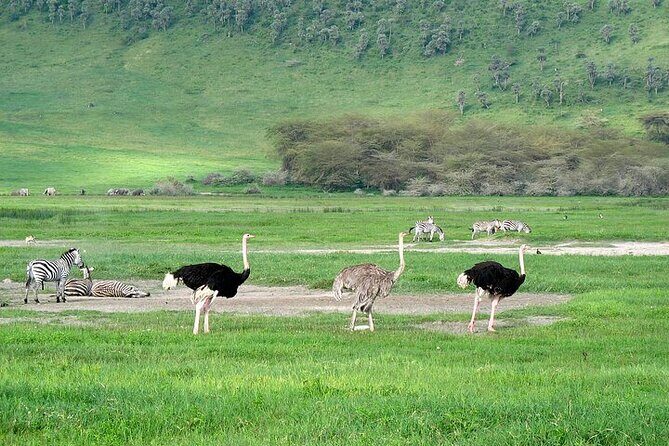
If you have limited time in Tanzania, this itinerary makes sense. You’re not trying to cover half a country. Instead, you focus on two areas that are different from each other, and you get a real change of scenery in a short span.
Tarangire is often the “wait, there are that many elephants here?” park. Ngorongoro is about density and drama—wildlife appears differently when you’re driving inside a natural bowl. Put them together, and you get variety in how you experience the safari.
The cultural day in Materuni Village keeps the trip from feeling like a nonstop car ride. It’s also a nice contrast after two days centered on wildlife and game driving.
A few more Arusha tours and experiences worth a look
Day 1: A morning Tarangire drive and your Panorama Safari Camp night
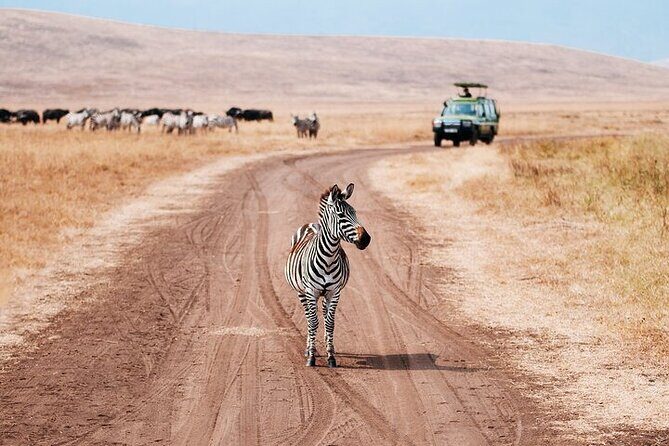
You start at 8:45 a.m. with your guide and driver meeting you in the Arusha area (the day begins at Arusha Airport). Before the game drive, your guide gives a quick orientation so you know what to watch for and how the driving works.
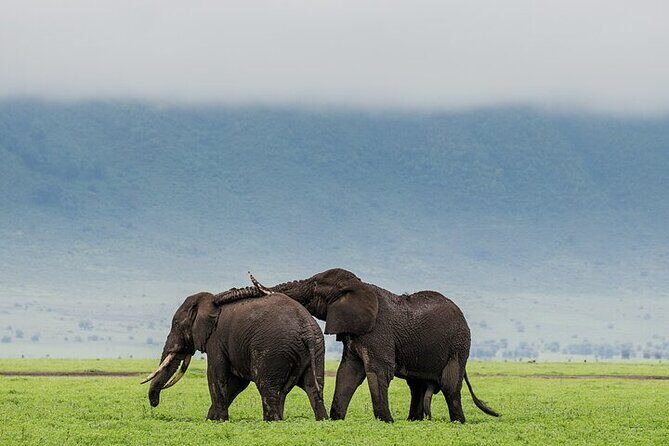
Tarangire is especially known for elephants, and that matters because it tends to anchor your early-game-drive expectations. This is also where you might pick up less-common sightings such as greater kudu, fringed-eared oryx, and ashy starlings. Even if you’re not tracking every species, your guide can help you read the habitat and spot animals that blend into it.
This is a good day structure if you like “start early, see more” safari energy. A morning departure often means cooler temperatures and more active animals, plus it gives you daylight for a longer sightseeing window.
At the end of the game drive, you stay at Panorama Safari Camp for the night. That overnight stop is part of what makes the trip feel complete: you get to end the day with a proper safari base, not a frantic late-night transfer.
Day 2: The Ngorongoro crater drop—why the wildlife feels different
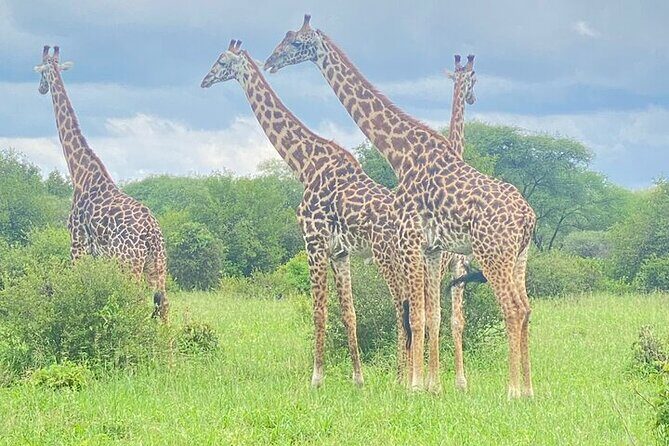
After breakfast, you head into Ngorongoro Crater for a half-day game drive. The key moment here is the elevation change: you descend roughly 600 meters into the crater. That drop isn’t just geography—it changes visibility, wind, and how animals move through the basin.
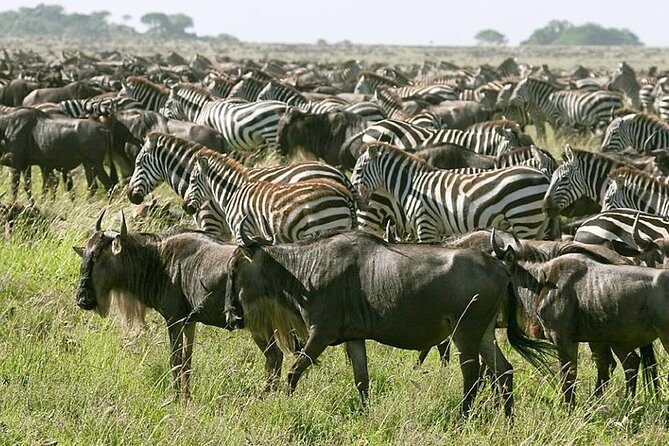
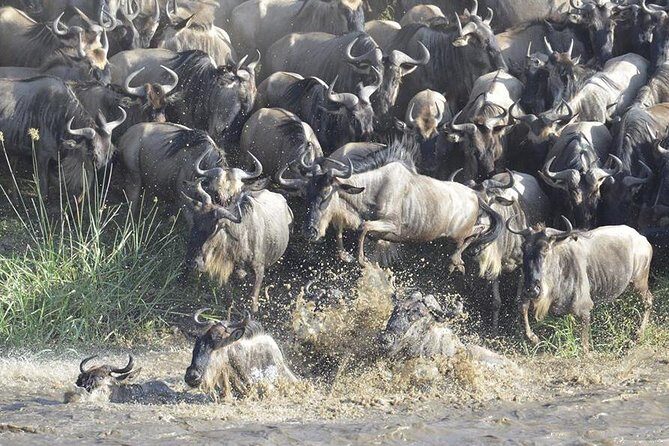
Ngorongoro is often described as one of the world’s densest places for wildlife. The crater area is estimated to support around 30,000 animals, including the famous black rhino (an elusive sight in many regions, so it’s a meaningful target). You may also see the large grazing crowd that makes this place work: wildebeest, zebra, buffalo, eland, warthog, hippos, and African elephants.
One of the best parts of a crater day is how your guide can “work the scene.” Instead of scanning aimlessly, you’re usually driving within a defined bowl where sightlines shift as you move, and animals show up as you crest a viewing area or pass a water edge.
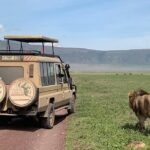
This is also where predators enter the story. The crater is known for a higher concentration of apex predators like lions, which is why the mood on this day can turn intense fast. Even if you don’t get a kill, you’ll often get close encounters with the pattern of predator life—resting spots, fresh tracks, and animal behavior reacting to something unseen.
Your schedule includes time that’s listed for Ngorongoro Crater and then Ngorongoro Conservation Area. Practically, that means you’ll likely get more than one stretch of time inside this protected ecosystem, rather than only one quick pass.
Day 3: Materuni Village Falls and coffee roasting around Kilimanjaro
Day three shifts gears from game drive to culture and short hiking. You’re picked up and taken to Materuni Village, where the day starts with a hike to Materuni Falls.
It’s described as a brief but invigorating walk. “Brief” matters here: you still get movement and fresh air, but you’re less likely to feel wiped out after two safari days. You do want moderate fitness, though, because the hike to the falls won’t be flat and it may involve uneven ground.
After the falls, you go to a coffee farm. This part is more than a photo stop. You’ll learn how coffee is cultivated, harvested, and processed, and you’ll have a chance to roast and prepare your own cup using freshly harvested local coffee.
That hands-on part is the value driver. A lot of tours point at coffee. Here, you get a chance to do the work, smell the roasted beans, and understand why this crop matters to local livelihoods.
The day ends with returning to the village area and then being escorted to the airport for your departure. That airport transfer is helpful when your timing is tight and you don’t want to scramble for last-minute transport.
Price and what $950 buys you in real life
At $950 per person for three days, this sits in the mid-to-upper range for a tight northern Tanzania loop. The reason it can still feel like good value is how much you’re packing in: Tarangire, Ngorongoro, and a culture/coffee day from one base area around Arusha.
Admission tickets are listed as included on day one and day two, while day three activities are listed as free. That matters because park fees can be a big chunk of the overall cost on safaris, and you want that cost clarity before you go.
The tour also includes pickup, and it uses a mobile ticket. In practice, that reduces the friction of figuring out meeting points and confirms the plan is set up for you rather than being a “show up and hope” situation.
Based on how the trip has been described by people who went, food and lodge comfort were also handled well, with guides focused on keeping things running smoothly. I’d still treat any specific meal or lodge expectations as “plan to enjoy it, but confirm the details,” since lodges can vary by season and availability.
A few more Arusha tours and experiences worth a look


Small-group safari: why max 6 changes the vibe
A maximum group size of 6 travelers is the difference between a tour that feels like a conveyor belt and one that feels like you can ask questions.
With fewer people, your guide can often adjust pacing. If someone spots a distant animal and you want to angle the vehicle for better viewing, smaller groups can usually manage that more easily. It also tends to make the long drives feel less draining because you’re not stuck listening to a constant stream of “group management” instructions.
This is also a good sign for photography. You’re more likely to get real guidance on where to stand and when to move, especially in places like Ngorongoro where visibility and animal positioning can shift quickly.
Guides, planning, and how to get the best from the day
The trip is run by Kilipath African Safaris, and the human side matters here. In past experiences tied to this operator, coordination was described as responsive from a team member named Heavenlight, with guiding expertise from people like Msafiri and Bulldozer.
Even if you don’t meet those exact names, the takeaway for you is simple: be proactive before you arrive. Send questions about pickup timing, what to bring, and how you want your day structured. A good guide builds the safari around your pace and interests, not just a checklist.
On the ground, ask for a “what to watch today” briefing in plain language. In Tarangire, you’ll want help focusing on elephant behavior and the types of antelope that fit the habitat. In Ngorongoro, ask what water sources and grazing zones are likely to produce sightings, and how the team reads predator movement.
What to pack and how to stay comfortable
This tour is best with moderate physical fitness. That mainly affects the Materuni Falls hike. Wear shoes with grip and plan for short wet or slippery patches around the water.
For safari driving, you’ll want layers. Mornings can feel cool, and afternoon light can be bright. A light jacket, a hat, and sunglasses make a noticeable difference.
Bring a small snack or water strategy if you tend to get hungry between activities. The schedule is efficient, but the data doesn’t specify exact meal timing, so it’s smart to be self-sufficient for the long driving stretches.
For wildlife viewing, pack binoculars if you use them. Not required, but in crater environments where you’re watching distances across the bowl, they can help you enjoy more of the action without constantly cropping phone zoom.
Who this safari is perfect for (and who should think twice)
This is a great choice if you:
- Have limited time in northern Tanzania and want a strong wildlife hit
- Like the idea of a crater day plus a separate elephants-focused park
- Want at least one day that feels cultural, not only game driving
- Prefer the control and comfort of a small group (max 6)
It may be less ideal if you:
- Want the most wildlife variety possible in one region and don’t want to compromise on speed
- Dislike hikes, even short ones, because the Materuni Falls walk is part of the package
Should you book this 3-day Arusha safari?
I’d book it if you want a smart, focused Tanzania sampler: elephants in Tarangire, crater viewing in Ngorongoro, and a meaningful culture day in Materuni Village. The balance of wildlife and local life is what makes this itinerary more than just “sit in a vehicle for three days.”
Before you commit, do two quick checks:
1) Confirm the exact pickup details for your arrival time in Arusha and any airport drop-off requirements for your departure.
2) Set your expectations for wildlife density. This route is about major highlights and great sights—not about guaranteeing constant predator drama every hour.
If that fits your style, this is a solid value way to experience northern Tanzania without burning your whole trip on driving.
FAQ
How long is the safari expedition?
It runs for 3 days (approx.).
Where does the tour start?
The trip is based in Arusha, Tanzania, and day one begins with departure at 8:45 a.m. from the Arusha Airport area.
Is pickup included?
Yes, pickup is offered.
What parks and activities are included?
You’ll visit Tarangire National Park and Ngorongoro Crater/Ngorongoro Conservation Area, then go to Materuni Village for a hike to Materuni Falls and a coffee farm experience.
What is the group size limit?
The tour has a maximum of 6 travelers.
Are admission tickets included?
Admission tickets are listed as included for Tarangire National Park and Ngorongoro Crater. The Materuni Falls/coffee day is listed as free.
What fitness level do I need?
You should have moderate physical fitness for the activities, including the walk to Materuni Falls.
Can I cancel for a full refund?
Yes. You can cancel up to 24 hours in advance for a full refund. If you cancel less than 24 hours before the start time, it’s not refunded.