REVIEW · ZANZIBAR CITY
Zanzibar: Stone Town Guided Tour with Prison Island
Book on GetYourGuide →Operated by Riser Tours and Safaris Zanzibar limited · Bookable on GetYourGuide
Stone Town feels like a living puzzle. In just 6 hours, this tour strings together UNESCO Stone Town landmarks, speedboat rides, and the famous giant tortoises of Prison Island.
I love how the walk through Stone Town is turned into a story by guides like Abu. You’ll hit major sights tied to Zanzibar’s mix of Arab, African, Indian, and European life, and you’ll also confront darker chapters at the former slave market area and related sites. I also love the Prison Island moment: getting close to the sanctuary’s giant tortoises (many said to be over 150 years old), with time for photos.
One consideration: this is a half-day, so Prison Island can feel fairly quick, and the tortoises may not be super active. Add in lots of walking over uneven old-stone streets, and you’ll want comfortable shoes.
In This Review
- Key Points at a Glance
- Why This 6-Hour Stone Town and Prison Island Combo Works
- Stone Town Walking Route: Coral-Stone Streets and the City’s Mixed Culture
- Slave-Trade Sites and the Old Fort: Learning With Purpose (Not Just Sightseeing)
- Prison Island in 30 Minutes: From 1893 Jail to Giant Tortoise Sanctuary
- Snorkeling After the Tortoises: Reef Time With Included Gear
- Guides Make the Day: Abu, Musa, Hajji, and the Personal Touch
- Price and Value: Is $90 Fair for Stone Town Plus Prison Island?
- Comfort, Timing, and What to Pack (So You Don’t Hate the Old Stones)
- Who This Tour Suits Best (And Who Might Prefer Something Else)
- Should You Book This Stone Town and Prison Island Tour?
- FAQ
- How long is the Stone Town guided tour with Prison Island?
- How do pickup and drop-off work?
- Is snorkeling included?
- How long is the boat transfer?
- What will I see in Stone Town?
- What is Prison Island like and why is it famous?
- Will I be able to touch the tortoises?
- Are peacocks included on the Prison Island visit?
- What should I bring and what is not allowed?
- Is lunch included?
Key Points at a Glance
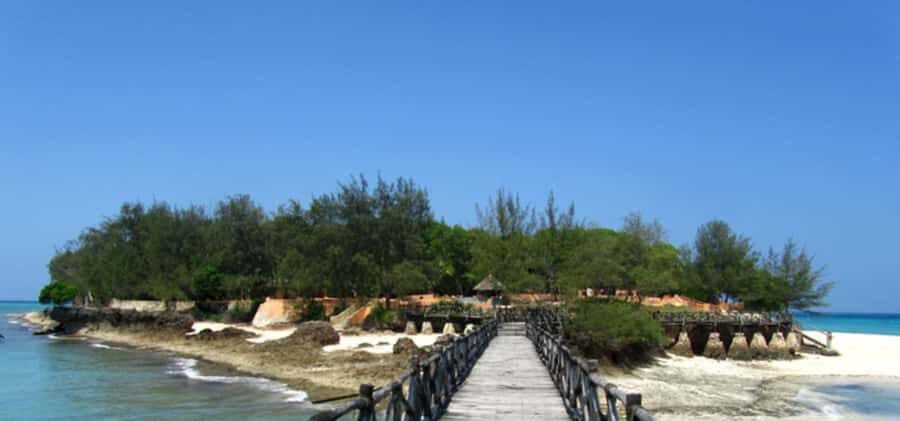
- Half-day, high-value mix of Stone Town walking plus Prison Island with a speedboat round-trip
- Coral-stone UNESCO streets where you see mosques, churches, and temples side by side
- Former slave market context plus key historic stops like Old Fort and Sultan’s Palace
- Prison Island built in 1893 now famous for giant tortoises imported from the Seychelles
- Touch-and-photo time with the tortoises, plus peacocks on the island
- Snorkeling gear included for reef time around Prison Island’s coral fringe
Why This 6-Hour Stone Town and Prison Island Combo Works

This is one of those Zanzibar days that makes sense if you only have a short window. You start with Stone Town, a place built for walking, not cars. The streets are tight and winding, and the architecture reflects centuries of trade and migration. Then you break the day with a boat ride to Prison Island for something very different: a small sanctuary built around 19th-century quarantine and imprisonment—and the island’s famous giant tortoises.
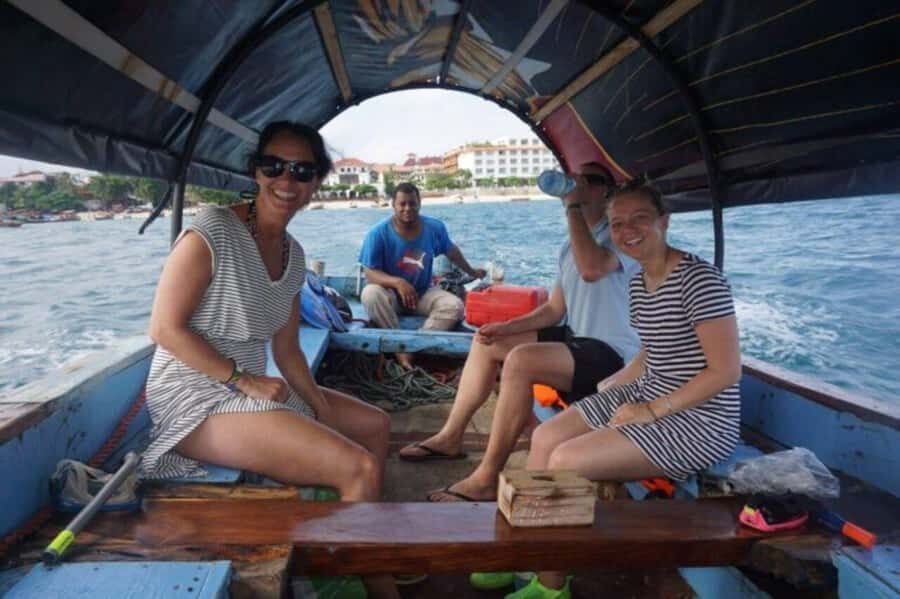
Timing matters. The speedboat ride is about 30 minutes each way, and you’re not stuck in transit all day. At $90 per person, the real value is that the essentials are handled for you: hotel pickup and drop-off, entry tickets, boat transfers, and a guide for both halves of the experience. Lunch isn’t included, but you’re not paying extra for basic logistics.
If you’re the type who likes to understand what you’re seeing—why a door design matters, why a fort exists, why slavery sites are remembered—this tour is built for that. If you want a slow, unstructured day, the half-day pace may feel a bit firm.
You can also read our reviews of more guided tours in Zanzibar City



Stone Town Walking Route: Coral-Stone Streets and the City’s Mixed Culture
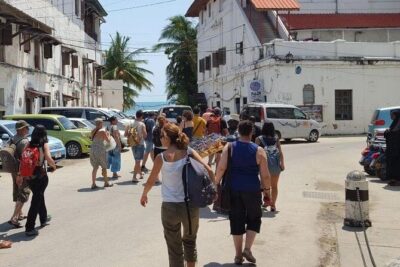
Stone Town isn’t one culture. It’s a jumble in the best way: Arabic, African, Indian, and European influences living closely together. As you move through the maze of narrow lanes (the kind where you can’t picture a car even trying), you’ll see religious buildings standing next to each other—mosques, churches, and temples. It’s a visual reminder that Zanzibar has always been a crossroads.
What you’ll love here is the guide’s focus. This tour takes you to the kind of places you might miss on your own. You’ll walk past the former slave market area and go through stops that help explain how Zanzibar’s economy and society functioned. You’ll also visit major historic landmarks such as:
- Old Fort
- Sultan’s Palace
- House of Wonders
- Darajani market area
- Forodhani Gardens
In Stone Town, those names are not just postcard labels. They give you a framework for the city’s layout and power centers. Old Fort and the palace sites help you place who controlled what, while the market areas show everyday life and commerce.
I also appreciate the cultural details in how the day is paced. Some guides build in extra famous stops when time allows, including places like the Freddy Mercury museum area and Jaws Corner. You might not get every single add-on, but the guiding style tends to include both the obvious landmarks and the small moments that help the city feel real.
A practical note: Stone Town walking means uneven, historic surfaces and lots of turning corners. Plan for it. If your feet get cranky easily, you’ll feel it here.
Slave-Trade Sites and the Old Fort: Learning With Purpose (Not Just Sightseeing)
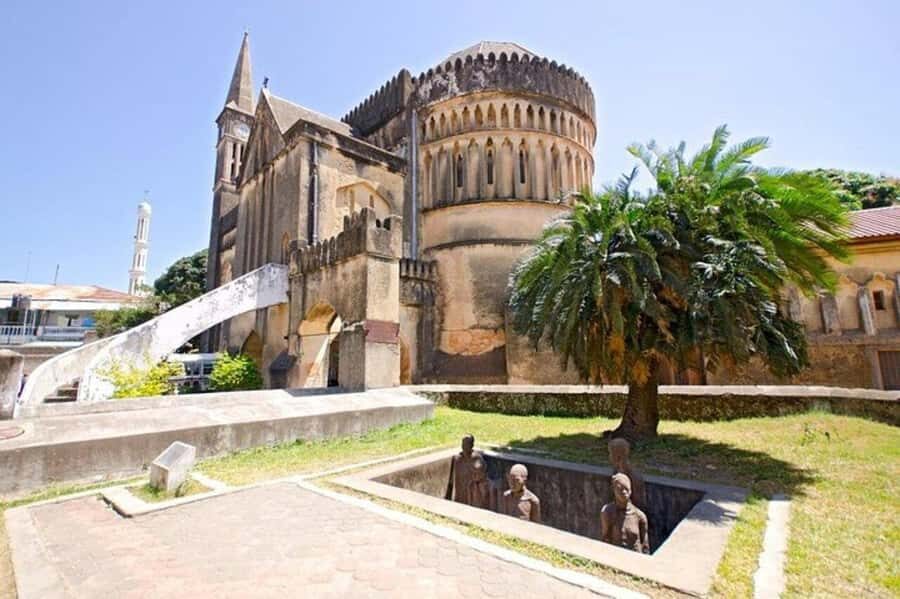
Zanzibar’s history is not only beautiful. Parts of Stone Town are tied to slavery, forced movement, and suffering—chapters that are hard to look at, but important to understand. This tour doesn’t sugarcoat those elements. You’ll have time around the former slave market area and related historic sites, with a guide who connects the dots.
That matters for two reasons.
First, it changes how you see the rest of the city. When you understand what those markets and trading systems produced, the hustle of the streets feels different. It stops being just scenery and becomes part of a bigger story.
Second, the tour format makes it easier to process. You’re not just dropped into one museum and left alone. You move through related sites—Fort and palace areas, market zones, and the slavery-related stops—so the day forms a full picture.
One warning for your emotions: this segment can be heavy. It’s not all light and photo ops. If you prefer history lessons that stay abstract, this may feel too direct.
Prison Island in 30 Minutes: From 1893 Jail to Giant Tortoise Sanctuary
Then the day shifts gears. You board a speedboat from Stone Town and head to Prison Island, anchored about 5 km away and reached by boat transfer. On the island, the focus is clear: history plus the famous tortoise sanctuary.
Prison Island was built in 1893. Originally, it was meant to hold violent prisoners from the mainland and also keep sick people in quarantine. Today, it’s owned by a hotel, but you still get the sense of why it was created: isolation, control, and containment.
The tortoises are the main event. They were imported from the Seychelles in the late 19th century, and the sanctuary contains a large colony of giant tortoises. Many are said to be more than 150 years old, and the average weight is around 200 kg. Yes, they’re huge. Even if you love animals, it’s still a little surreal to realize these are creatures that have been around longer than most countries’ modern eras.
You also get the iconic photo moment. There’s a chance to touch the tortoise and take pictures. One important practical caution: feeding and close interaction rules can be limited by sanctuary policy at the time of your visit. The safe way to plan is to expect viewing, photography, and an opportunity to get close enough for photos—while accepting that daily handling rules may vary.
And then there are the peacocks. They add movement and color to the island, especially if you’re slowing down to frame your shots.
Snorkeling After the Tortoises: Reef Time With Included Gear
The second half of the Prison Island experience can include snorkeling. Snorkeling equipment is included, and the goal is to explore the marine life around the coral that fringes the island.
This is where your expectations need one small adjustment: it’s not guaranteed that the water will feel like the warmest tropical postcard you’ve ever seen. Some people find the snorkeling excellent but cooler than expected. Still, it’s a fun break after the island walk—an easy way to end with something active instead of purely historical.
If you’re a beginner, this setup is ideal because you don’t have to worry about renting gear. If you’re an experienced snorkeler, you’ll still enjoy it, but you should treat it as a short reef session rather than an all-day marine expedition.





Guides Make the Day: Abu, Musa, Hajji, and the Personal Touch
Here’s the part that consistently improves the tour. The guide quality. You’ll meet different guides (including Abu, Hajji, Musa, Abubakr, and Abdalla), and the standout trait is how they turn information into something you can actually use.
What I like in particular is how the guiding often includes more than just facts. In multiple instances, guides worked flexibly with the group, adjusted pacing, and answered questions in clear English. Some guides also teach small bits of Swahili along the way, which can make Stone Town feel less like a museum town and more like a place with living language.
There are also practical niceties that show up with strong guides. Some include thoughtful gestures around the day’s comfort—like handing over help if weather changes suddenly. Others coordinate smooth transfers so you’re not stressed about getting from one area to the next.
And on the boat ride, some guides add a little spirit: fruit being served and a sing-song vibe on the water. That’s not the main reason to book, but it turns a routine crossing into a memory.
Price and Value: Is $90 Fair for Stone Town Plus Prison Island?
Let’s talk money plainly. At $90 per person, you’re not just paying for a walking tour. You’re paying for a full package:
- Hotel pickup and drop-off (from a set of Zanzibar-area locations)
- Entry tickets to Stone Town and Prison Island
- Speedboat transfers
- Snorkeling equipment
- A live tour guide
Lunch isn’t included, so you may need to plan to eat before or after. But when you compare the included entry fees, boat transfer, and guide time, the price starts to look fair—especially if you’d otherwise have to arrange boat transport and a separate guide yourself.
Where the price feels less perfect is the half-day duration. If you want a long, slow Stone Town wandering session plus extended snorkeling, you may feel slightly rushed. The tour is built to hit highlights efficiently, not to turn Zanzibar into a multi-day deep dive.
Comfort, Timing, and What to Pack (So You Don’t Hate the Old Stones)
This is a walking-and-boat day. That means two kinds of comfort matter: footwear and light packing.
What to bring is simple:
- Comfortable shoes
- A camera
What not to bring matters too:
- Luggage or large bags aren’t allowed
Stone Town streets are tight and uneven, and Prison Island involves walking around the sanctuary area. You’ll be happier if you wear shoes you can trust.
Also, the tour is not suitable for some people, including those with back problems or heart problems, babies under 1 year, and people over 95 years. If that applies to you, it’s worth choosing a more relaxed option.
Who This Tour Suits Best (And Who Might Prefer Something Else)
This tour is a strong fit if:
- You’re visiting Zanzibar for the first time and want Stone Town highlights plus Prison Island in one day
- You like guided history that connects places together (not just isolated photo stops)
- You want a real contrast: coral-stone urban history, then giant tortoises and reef snorkeling
- You want a small-group or private feel, which is available
You might want to skip it or adjust your expectations if:
- You need long rests and slower pacing
- You’re sensitive to the heavier slavery-related parts of history
- You mainly came for lots of active wildlife action (the tortoises can be slow)
Should You Book This Stone Town and Prison Island Tour?
If you want a time-efficient day that still feels meaningful, I think it’s an easy yes. You get a UNESCO-listed Stone Town orientation, a chance to understand slavery-related sites in context, and a memorable Prison Island encounter with giant tortoises plus optional snorkeling. The included boat transfers, tickets, and snorkeling gear make the $90 feel less like you’re buying hours and more like you’re buying the whole experience.
Book it if you’re comfortable walking and you can handle history that isn’t only cheerful. Skip it if you’re looking for a relaxed beach day instead.
FAQ
How long is the Stone Town guided tour with Prison Island?
The tour runs for 6 hours.
How do pickup and drop-off work?
Pickup is optional and you can be picked up from multiple Zanzibar-area locations. Drop-off is also available in multiple locations, including Stone Town and nearby areas.
Is snorkeling included?
Yes. Snorkeling equipment is included, and there is an opportunity to snorkel around the coral that fringes Prison Island.
How long is the boat transfer?
The speedboat ride is about 30 minutes each way.
What will I see in Stone Town?
You’ll visit important Stone Town locations with a guide, including the former slave market area, House of Wonders, Old Fort, Sultan’s Palace, Darajani market area, and Forodhani Gardens.
What is Prison Island like and why is it famous?
Prison Island was built in 1893 and was originally intended to house violent prisoners from the mainland and sick people. Today it’s known for a tortoise sanctuary with giant tortoises imported from the Seychelles in the late 19th century.
Will I be able to touch the tortoises?
There is a chance to touch the tortoises and take photos during the visit.
Are peacocks included on the Prison Island visit?
Yes. Prison Island is also home to a colony of peacocks.
What should I bring and what is not allowed?
Bring comfortable shoes and a camera. Luggage or large bags are not allowed.
Is lunch included?
No, lunch is not included.