REVIEW · ARUSHA
8 Days Great Wildebeest Calving Migration Safari from Arusha
Book on Viator →Operated by Gosheni Safaris (T) Limited · Bookable on Viator
Wild wildebeest calving is the main character here. This 8-day safari is built around Serengeti’s calving season (December to April), when thousands of newborns hit the plains and predators follow fast. You also get a smart mix of parks instead of spending all week on one route.
I love two things about this setup. First, you’re timing the trip for the short window when calving peaks around February, so game drives can feel high-energy even on quieter days. Second, the itinerary spreads you across Tarangire, Lake Manyara, Ndutu, Central Serengeti, and Ngorongoro Crater, which keeps wildlife variety high without making the schedule feel rushed.
One drawback to consider: this is a full-on safari pace with early starts, long drives between parks, and at least some walking during the Mto Wa Mbu cultural stop, so plan for moderate physical effort.
In This Review
- Key highlights worth your attention
- Timing the calving season around Arusha: what December to April changes
- Day 1 in Arusha: a real starting base before the parks
- Tarangire National Park: elephants, baobabs, and the famous lion with the climbing act
- Lake Manyara: compact game viewing plus real scene variety
- Ndutu and the southern Serengeti: your best shot at newborns and predator drama
- Central Serengeti: following the migration trails after the calving rush
- Ngorongoro Crater: the 600-meter descent that concentrates everything
- Mto Wa Mbu after safari: culture and a walking window
- Is $2,999.62 good value here? What you’re actually paying for
- The guide effect: why Albert, Emanuel, and William-type spotting changes everything
- Who this safari fits best
- Should you book this 8-day calving migration safari from Arusha?
- FAQ
- FAQ
- Where does this safari start?
- How long is the safari?
- When is calving season for this trip?
- Which parks and areas are included?
- What does the price include?
- What is not included in the price?
- Is private transport included?
- How many people are in the group?
- What happens if the experience is canceled due to weather?
Key highlights worth your attention
- Calving-season timing in Ndutu and Serengeti for predator-on-the-move action
- Small group size (max 7), which usually makes spotting and comfort easier
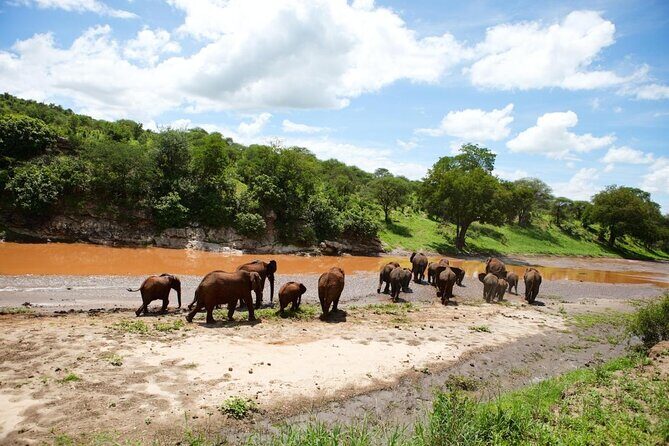
- A park sampler that actually works: elephants, tree-climbing lions, lake scenery, crater wildlife
- Luxury tented camps and lodges for real downtime after long drives
- Guides who spot animals early, with past experiences praising guides like William and Albert
Timing the calving season around Arusha: what December to April changes
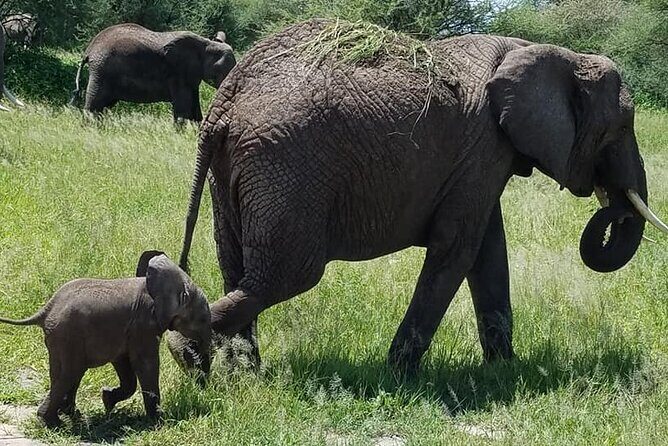
If you’re chasing the Great Wildebeest Migration, timing is everything. During December to April, calving season turns the Serengeti ecosystem into a living feeding map, with newborns drawing in big cats, hyenas, and other hunters. It’s not just about seeing wildebeest, it’s about watching the food chain react in real time.
This tour leans into that timing by focusing extra days on the Ndutu area and the short calving peak period. You get multiple chances rather than a one-day gamble, which matters because wildlife sightings are never on a schedule.
You’ll also notice how the tour balances big wildlife days with scenic and cultural texture. That helps if you’ve done safaris before and you don’t want the whole trip to blur into one long drive.
A few more Arusha tours and experiences worth a look
Day 1 in Arusha: a real starting base before the parks
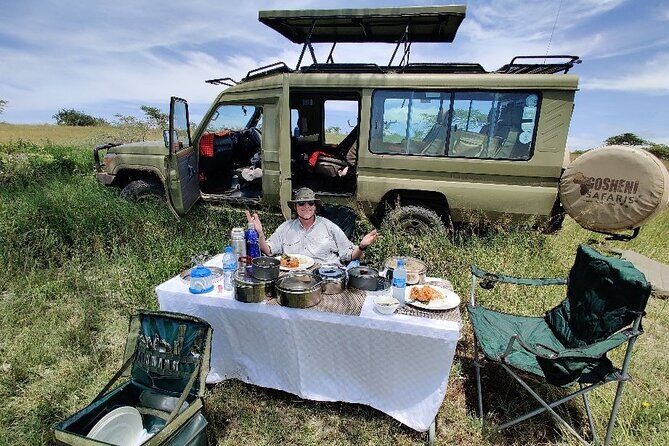
Your trip begins in Arusha with pick-up from Kilimanjaro Airport and a night at Mount Meru Hotel. That first evening matters more than people think. You start the safari rested, not fried from travel, and you can actually enjoy the first park day without feeling behind.
You’ll also have a clear routine from the start: the safari driver/guide handles the moving parts, and you’re not left figuring out transfers on your own. The tour also runs as a small group with a maximum of 7 travelers, which often feels calmer inside the vehicle and easier for the guide to manage.
If you’re arriving late, you’ll still get the benefit of a proper reset night. Then on day two you go straight into wildlife mode.
Tarangire National Park: elephants, baobabs, and the famous lion with the climbing act
Tarangire is a great warm-up for the whole safari because it has its own visual style. You’ll spend a full day driving in search of wildlife, with large elephant herds as a standout possibility. And yes, the park is known for tree-climbing lions, which is the kind of odd, memorable behavior that makes safaris feel alive.
Tarangire’s baobabs, sometimes called the Tree of Life, also add character. These trees look almost unreal, especially when the light hits them. It’s a park where you can spot animals and also feel like you’re seeing a specific ecosystem, not just passing through.
The tour route also uses Tarangire’s Tarangire River, which flows all year. In dry-season parks, water is a magnet; in this itinerary, that natural advantage supports wildlife sightings without needing perfect conditions.
Drawback to keep in mind: Tarangire is popular, so you may share some viewpoints with other vehicles. That’s normal in Tanzania, and the guide’s job is to time your drives for the best angles and movement, not just the loudest animals.
Lake Manyara: compact game viewing plus real scene variety
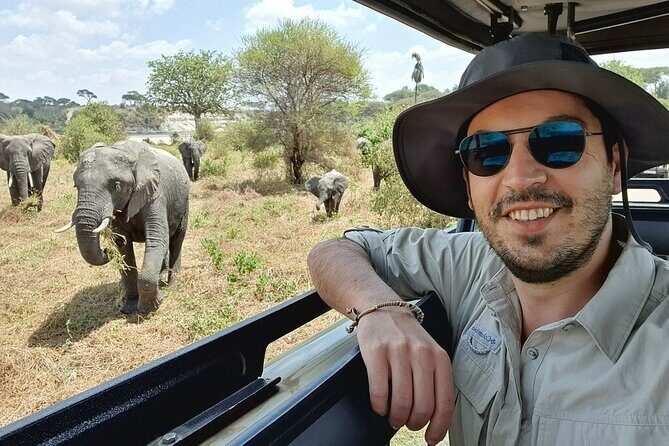
Lake Manyara is a different vibe than Tarangire. You trade the broad river-and-elephant focus for a scenic lake setting and a compact viewing circuit. The setting has a reputation for being beautiful enough to stick in people’s heads; it’s also known for supporting a wide range of wildlife in a smaller area.
The practical value here is variety. After Tarangire’s big animals and dramatic trees, Manyara gives you a fresh mix of habitats you can cover within a day. That helps you keep momentum without repeating the same kind of drive over and over.
Another plus is pacing. This tour doesn’t stack every day with a crater-style mega drive. You get one day that feels more like smart, efficient wildlife searching paired with scenery.
Small consideration: lake areas can change fast with weather and light, so your best views might depend on what the animals are doing at that moment. The upside is that the park circuit is designed for game viewing rather than long, exhausting transfers.
Ndutu and the southern Serengeti: your best shot at newborns and predator drama
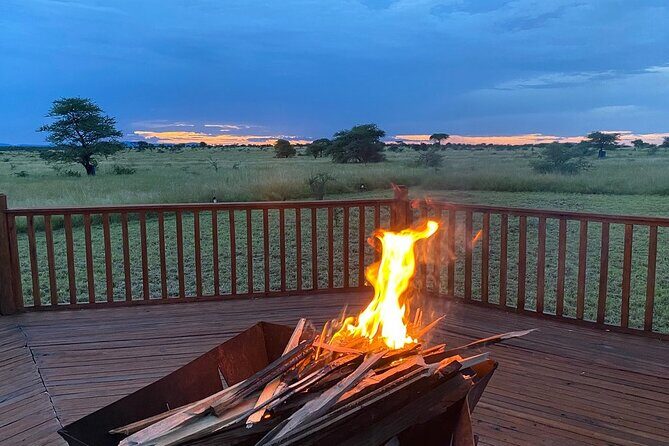
This is the heart of the trip. You head to the Ndutu area, part of the Ngorongoro conservation ecosystem, and you stay long enough to build repetition into your wildlife chances. Ndutu is where calving-season logic makes sense, because it’s a broad grazing zone where animals gather.
The tour highlights the calving timing: there’s a period around February where calving peaks for about three weeks. That matters because migration is always moving, but calving creates a clearer “event window.” Multiple game drives in this region are the reason the safari can feel intense, not just scenic.
One detail that’s genuinely useful: Lake Ndutu is alkaline, but the tour notes the water is still drinkable and is consumed by local wildlife. That tells you the lake isn’t just pretty scenery. It can be part of the survival routine, which is exactly what predators track.
The day-game drive focus also means you’re not spending your most important calving time stuck in transit. You’re out searching across habitats such as swamps, woodland, soda lakes, and short grass plains, so you’re not locked into one type of sighting.
Central Serengeti: following the migration trails after the calving rush
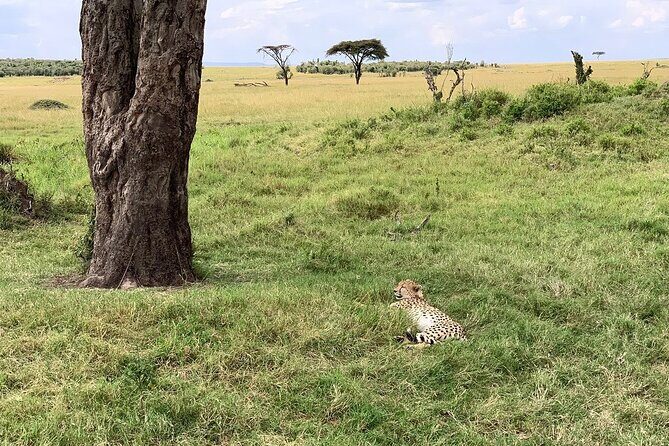
After Ndutu, you move into Central Serengeti National Park for a full day of drives. This is where you start tying the calving story back into the larger migration pattern. Even if the calving peaks have shifted, you’re still in the thick of migration movement and predator activity that follows it.
A strong part of this day is how the guide framing matters. Experienced driver-guides help you read signs on the ground, not just wait for animals to appear. In past experiences with guides such as Calvin Kileo, the standout praise has been quick animal spotting and answering questions in plain language, which makes the drives feel less like luck and more like understanding.
You’ll also feel how Central Serengeti keeps things spread out. That can be frustrating if you expect instant action every hour. But it’s also why you get that huge “this is the migration” feeling when the herd movement clicks into place.
Practical reality: some days are more active than others. What keeps this day valuable is that you’re not repeating one narrow circuit, and you’re still chasing a moving storyline rather than fixed landmarks.
Ngorongoro Crater: the 600-meter descent that concentrates everything
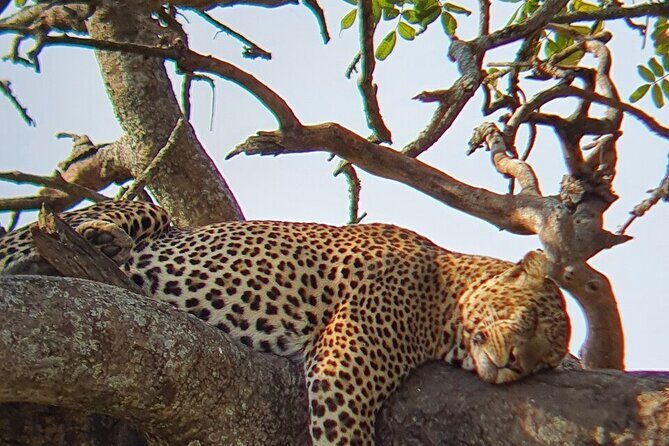
Ngorongoro Crater is one of those places where the terrain does the work for you. You drive into the conservation area and then descend about 600 meters down into the crater for wildlife viewing.
That drop changes the whole experience because the crater acts like a natural stage. Animals don’t need to be everywhere to feel impressive; the whole environment pulls sights toward one concentrated area. You can often get a surprising density of wildlife in a single view window.
The itinerary keeps this day efficient: you arrive, you go down for game viewing, and then you reset at a luxury lodge for the night. It’s a nice way to end the safari with strong scenery and a classic Tanzania highlight.
Consideration: crater drives can still mean long hours of searching, but you’re dealing with concentrated viewing. If you’re sensitive to sun and heat, it helps to stay focused on hydration since you’ll be out driving and scanning for long stretches.
Mto Wa Mbu after safari: culture and a walking window
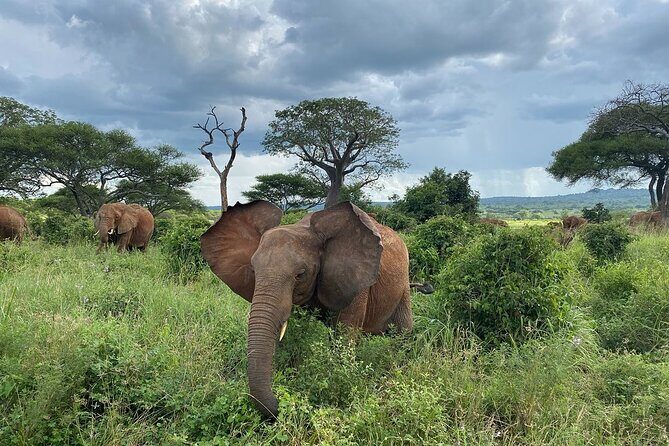
You finish with Mto Wa Mbu for a morning cultural tour and a walking safari. This is the part of the itinerary that reminds you this trip isn’t only about wildlife. You get a chance to slow down, see local life, and understand the human side of the region.
The day also includes a local lunch and time with views from above the area. Then you head back to Arusha or to the airport depending on your flight schedule.
The “walking safari” piece is worth noting for planning. It isn’t described as a long hike, but it does mean you should wear shoes that work well on uneven ground and be ready for a bit of walking after several days of driving.
Is $2,999.62 good value here? What you’re actually paying for
At $2,999.62 per person for an 8-day safari, the price isn’t cheap. But this itinerary is heavy on what safari travelers usually end up paying for separately: accommodation, meals, entrance fees, airport transfers, private vehicle transport, bottled water, and a driver/guide.
That matters because safari costs add up fast once you start breaking things into pieces. Here, you’re paying for an organized route across multiple parks rather than piecing together one segment at a time. And the itinerary includes luxury tented camps and lodges, which is where comfort and sanity tend to go when you’re doing several long drive days.
Alcohol is listed as not included, which is pretty standard. So if you want predictable costs, budget for drinks separately and you’ll avoid surprises.
One more value point: this tour is built around a real nature event, not a random collection of parks. When you’re paying premium rates, the best value often comes from doing the right thing at the right time. Calving season gives you that kind of purpose.
The guide effect: why Albert, Emanuel, and William-type spotting changes everything
On safari, the difference between a good day and an unforgettable day is often the person behind the wheel. This operator’s feedback repeatedly mentions guides who spot wildlife early and explain what you’re looking at with real clarity, not just vague pointing.
Names that come up include William, Albert, and Emanuel, plus guides like George Mathias and Innocent Mafuru. The common thread in their praise is early animal detection, strong driving skills on tougher roads, and good communication about animals and the local environment. Some guests even highlight rare sightings like black rhino, which is the kind of moment you remember for years.
That doesn’t mean you’ll see rare animals every day. Safari always has randomness. But it does mean your chances improve when your guide is scanning constantly, reading the landscape, and positioning the vehicle for the right sighting angle.
Small-group travel also supports this. With a maximum of 7 travelers, the vehicle situation tends to stay more flexible and less chaotic. That can make it easier to manage bathroom breaks, photo pauses, and the quick changes you get when animals move.
Who this safari fits best
This tour is a strong match if you want a wildebeest migration calving focus, and you prefer a route that covers more than one ecosystem. It’s also a good fit for first-time safari goers who want daily structure and enough time in the right areas to feel like you’re not rushing.
You’ll likely enjoy it if you care about wildlife behavior, not just checklists. The Ndutu calving emphasis gives you a chance to see how predators react, and that’s more interesting than only seeing large animals at a distance.
This is also suitable for families in the sense that guides in past experiences have been praised for patience with kids. Still, because the tour includes a walking safari and some long days, it’s best if your group can handle that level of activity with a flexible attitude.
Should you book this 8-day calving migration safari from Arusha?
I’d book it if your main goal is to be in the Serengeti system during calving season, and you want an itinerary that keeps returning to the action instead of betting everything on one day. The combination of Ndutu-focused drives plus Central Serengeti time is the key reason this tour feels purpose-built.
I’d think twice if you’re looking for a relaxed, low-drive vacation. This is a wildlife-first plan with multiple parks and long stretches in the vehicle. If you want slow travel and lots of downtime between game drives, you might feel the pace.
FAQ
FAQ
Where does this safari start?
It starts in Arusha, Arusha Region, with a start time of 8:30 am.
How long is the safari?
The duration is 8 days, approximately.
When is calving season for this trip?
The experience is timed for the Great Wildebeest Migration during calving season, which runs from December to April.
Which parks and areas are included?
The itinerary includes Tarangire National Park, Lake Manyara National Park, Lake Ndutu (Ndutu area), Serengeti National Park (south and central areas), Ngorongoro Crater, and a stop in Mto Wa Mbu.
What does the price include?
The tour includes all accommodations as per the itinerary, meals as per the itinerary, airport pickup and drop-off, transport by private vehicle, bottled water, and a driver/guide. Entrance fees are also included.
What is not included in the price?
Alcoholic drinks are not included and can be purchased.
Is private transport included?
Yes. You’ll have transport by private vehicle, with airport pickup and drop-off included.
How many people are in the group?
The tour has a maximum group size of 7 travelers.
What happens if the experience is canceled due to weather?
The experience requires good weather. If it’s canceled due to poor weather, you’ll be offered a different date or a full refund.