REVIEW · ARUSHA
4 Day Ngorongoro Crater Tarangire and Serengeti National Park
Book on Viator →Operated by kilipath African Safaris · Bookable on Viator
Four days can change your safari expectations fast. This Northern Circuit style trip strings together Tarangire, Serengeti, and Ngorongoro Crater with real time in each place, plus pick-up from Arusha so you can start driving quickly. I especially like that the itinerary builds in both longer game-drive windows and early starts, and I also like that your trip runs on an all-in rhythm with all meals handled.
One thing to weigh is comfort level: this safari uses budget camping. In one case, the second Serengeti campsite had very bad bathrooms, which is a reminder to pack with flexibility and plan for basic facilities.
In This Review
- Key things I’d pay attention to
- Why This 4-Day Northern Circuit Combo Works
- Arusha Pickup and the Daily Rhythm You’ll Actually Feel
- Day 1 in Tarangire: Elephant Herds and a Long First Game Drive
- Day 2 Moving Into Serengeti via Manyara and the Rift Escarpment
- Day 3: Serengeti Sunrise Game Drive, Then Ngorongoro Conservation Area
- Day 4 Ngorongoro Crater: 650 Meters Down for a Half-Day Wildlife Tour
- Camping and Food: Included Meals Help, Budget Facilities Need Prep
- The Guides and Spotting Power That Make the Drives Work
- Price and Value: What $899 Really Buys You
- Who Should Book This Safari (And Who Might Want a Different Route)
- Should You Book the Kilipath 4-Day Tarangire, Serengeti, and Ngorongoro Safari?
- FAQ
- What time does this safari start in Arusha?
- How long is the 4-day safari?
- Where does the safari start and end?
- Is pickup offered?
- How many travelers are on this tour?
- What meals are included?
- Is park admission included?
- Are visas and tips included in the price?
- Is the Masai village visit guaranteed?
- FAQ
- What happens if the trip is canceled due to weather?
Key things I’d pay attention to
- Up to 6 travelers, so game drives can feel less crowded and more focused.
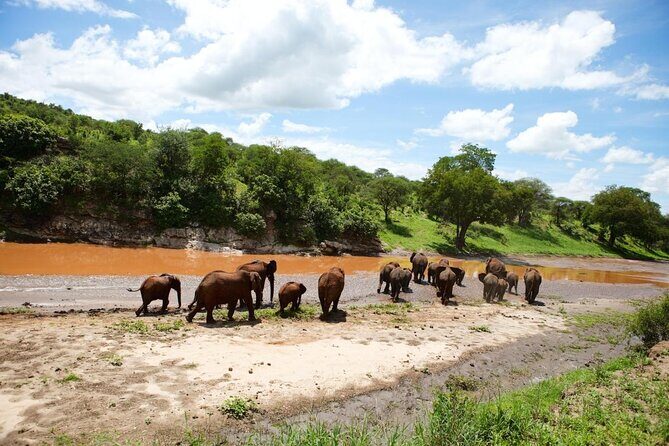
- Tarangire elephant time, including herds of 10–20 (and sometimes up to 30) plus a picnic lunch.
- Serengeti at sunrise, with a 6 am departure and a coffee stop that sets the tone.
- Ngorongoro Crater descent, 650 meters down for a half-day wildlife tour where rhino is possible.
- Meals included end-to-end, with breakfast, lunch, and dinner built into each day.
- Spotting and explaining wildlife, with guides praised for scanning far distances and sharing plant/animal info (names you may hear include John, Bulldozer, Godfrey, David, Hatibu, and Dickson).
Why This 4-Day Northern Circuit Combo Works
If your Tanzania window is tight, this format makes sense. You’re not spending your whole trip just getting from one park to the next. Instead, the days are structured around three high-impact areas: start with Tarangire, follow with Serengeti, then finish with the big bowl of Ngorongoro.
I like that each day has a clear purpose. Tarangire sets you up with elephants and a wide mix of animals. Serengeti is built around the classic rhythm of early light and active wildlife. Then Ngorongoro ends with a crater descent that changes how you see the ecosystem compared with open savannah.
There’s also a practical pace here. Each day is described as about 6 hours, which usually means you’re in the vehicle enough to see wildlife but not stuck in endless transit loops. For many people, that balance is the difference between a safari that feels exciting and one that feels like long driving.
A few more Arusha tours and experiences worth a look

Arusha Pickup and the Daily Rhythm You’ll Actually Feel
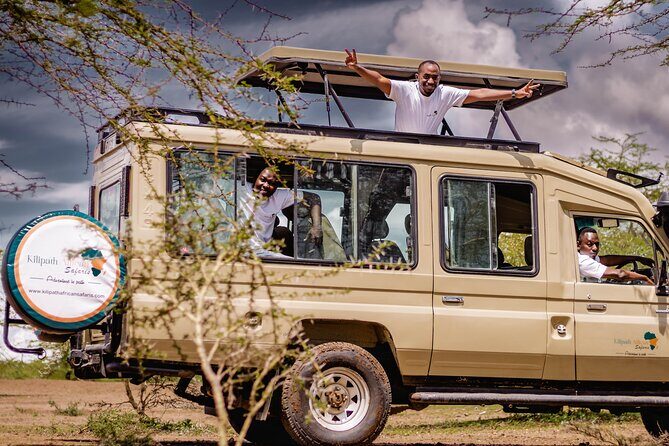
This tour starts from Arusha at 7:30 am and returns back to the meeting point. Pickup is offered, and you’ll also use a mobile ticket, which can reduce last-minute stress.
On safari days, timing matters more than comfort. For the Serengeti morning, the plan calls for leaving the campsite at 6 am with hot coffee. That means you’ll want to show up ready for cool air, especially if you’re not used to early mornings outdoors.
You’ll also notice how the itinerary handles logistics. On Day 2, you pack camping equipment into the safari jeep before moving onward. On Day 4, you’ll pack after breakfast, enjoy a picnic lunch on the crater side, then climb back to pick up your camping gear again. It’s a straightforward flow, but it rewards travelers who travel light and keep essentials easy to reach.
Day 1 in Tarangire: Elephant Herds and a Long First Game Drive

Your first day is Tarangire National Park, starting after breakfast with direct drive from your Arusha hotel. The plan includes a picnic lunch, and then you get a game drive window in the middle of the park where elephant sightings are a core expectation.
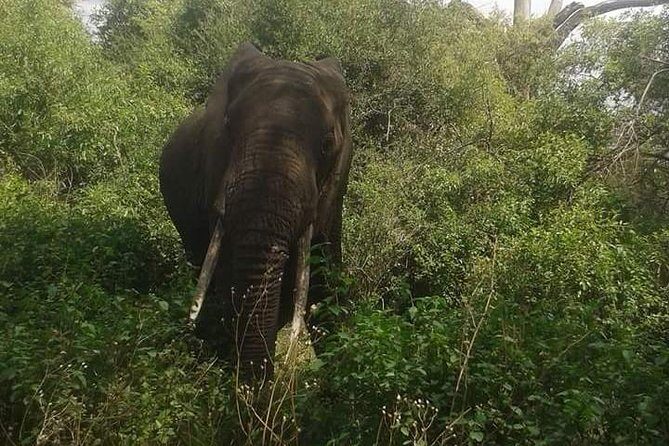
Here’s what stands out in the details: you can expect herds ranging from 10–20, and sometimes up to 30. That’s not just a single animal moment. It’s the kind of sighting that changes the whole mood of the day—when elephants move through, everything else becomes easier to spot around them.
The itinerary also points you toward other likely sightings: leopards (especially in tree tops), plus buffalo, impala, zebra, warthogs, and giraffes. Even if you don’t see every species, that list gives you a helpful mental checklist for your drive.
The day doesn’t shut down early either. You “explore the park until late evening,” then head to Tarangire Campsite for dinner and an overnight stay. For first-timers, the value is simple: you’re not just doing one quick loop. You get a fuller arc of wildlife activity across daylight into evening.
Day 2 Moving Into Serengeti via Manyara and the Rift Escarpment

Day 2 starts with an early breakfast and then shifting gears. You’re packing up campsite gear, heading toward Serengeti, and traveling through the Manyara area and along the rift valley escarpment before reaching the park.
What I like about this setup is that it gives you a sense of travel terrain, not just a parked-jump between gates. Even if you’re focused on wildlife, these drives shape how the landscape looks and feels through the day.
There’s also an optional cultural stop along the way: you’ll have the option to visit a Masai village. If that’s on your list, this day is your built-in opportunity, and you can decide based on time and preference without derailing the main safari flow.
Once you arrive in Serengeti in the evening, you’ll do a game drive before sleeping at Seronera Campsite, with dinner and overnight included. That evening drive matters for two reasons. First, it helps you start seeing Serengeti immediately instead of waiting for the next morning. Second, it can reduce the pressure of hoping for everything at dawn—because you’ve already had one shot at prime sightings.
Day 3: Serengeti Sunrise Game Drive, Then Ngorongoro Conservation Area
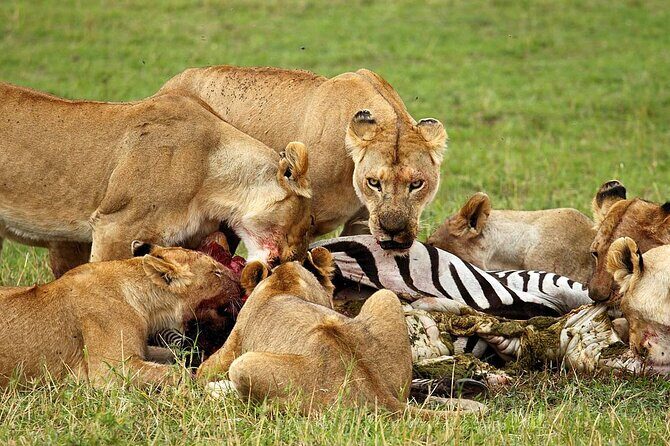
Day 3 is built around early action. You rise at 6 am, grab hot coffee, and head out for a morning game drive in the heart of Serengeti. The plan explicitly includes a sunrise moment, with the heads-up that you should expect a morning chill—so pack warm layers even if the afternoon looks sunny.
The drive continues until around mid-day. Then you return to camp for a full breakfast and lunch that’s described as brunch. After that, the day shifts into travel again: you continue toward Ngorongoro Conservation Area and make a stop for a game drive en route.
Your overnight is at Ngorongoro Simba Campsite, with dinner and the night included. This is a good day for two types of travelers. If you’re obsessed with seeing wildlife at the best light, you’ll like the sunrise block. If you’re more interested in the big end-of-trip payoff, the en-route game drive helps you arrive at Ngorongoro without feeling like you’re only traveling all day.
Day 4 Ngorongoro Crater: 650 Meters Down for a Half-Day Wildlife Tour
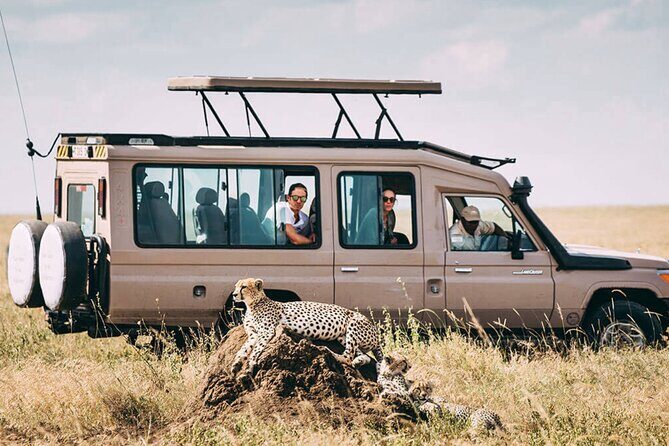
This is the signature finale. After breakfast, you pack and prepare a picnic lunch for the crater day. You’ll drive to the descending gate, then head down into Ngorongoro Crater—a descent described as 650 meters deep.
Once you’re on the crater floor, the plan is a half-day game tour. The itinerary also includes a key detail about what makes the crater different: many animals are permanent residents because water is present year-round. In other words, you’re not just relying on seasonal movement patterns.
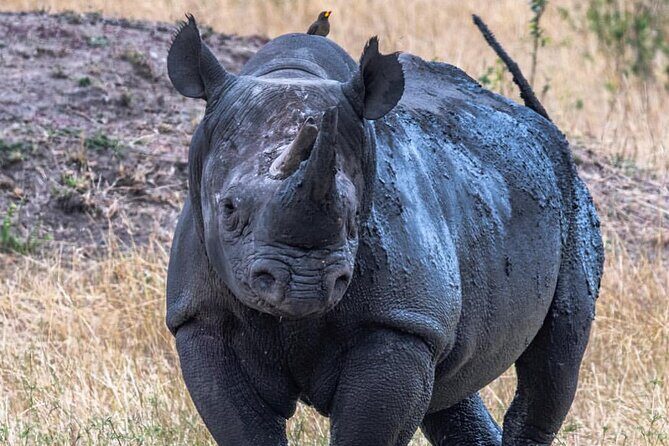
Rhinos are mentioned as a possibility, with the note that if you’re lucky, you may spot one. The honest value here is that Ngorongoro is framed as a wildlife density situation, not a single-target gamble. Even if rhino isn’t on your day, the crater setting is designed to keep animals around.
After the crater time, you ascend to the rim, return for your camping gear, and then drive back to Arusha or onward to the airport. It’s a clean finish: wildlife first, packing and getting moving second, and no extra day hanging around after the crater.
Camping and Food: Included Meals Help, Budget Facilities Need Prep
The package includes all meals plus taxes. Breakfast, lunch, and dinner are all listed as included across the four days, and lunch and dinner counts are included for each day. For many people, that’s a big value. You can focus on what you came for—game drives—without making daily decisions about food or hunting down restaurants after long days in the vehicle.
Camping is another story. This safari uses campsites at Tarangire, Seronera (Serengeti), and Ngorongoro Simba. The camp experience is generally described as fine by many guests, but there is at least one clear caution: the second night in Serengeti was reported to have very bad bathrooms.
So here’s my practical advice: go in expecting basic rather than hotel-level comfort. Bring a small kit for bathroom reality—hand wipes, a quick-dry towel, and anything that makes you calm at night (earplugs help if you’re a light sleeper). If you’re the kind of traveler who gets stressed by limited bathroom conditions, you’ll feel it more on this route because you’re camping two nights in park areas before finishing at Ngorongoro.
The Guides and Spotting Power That Make the Drives Work
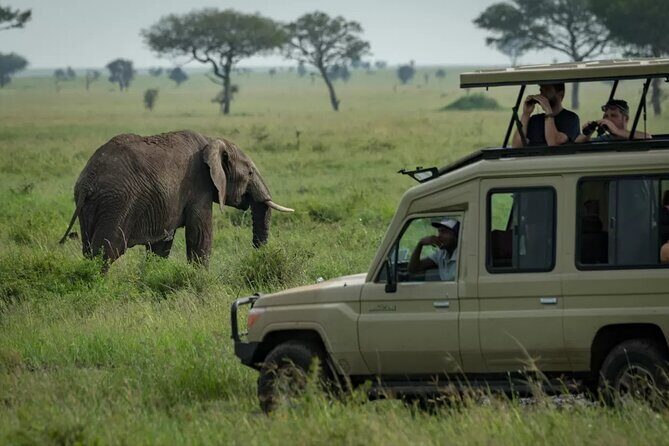
In safari travel, the guide can be the difference between a good day and a day you replay later. The feedback tied to this safari company strongly emphasizes spotting ability and clear animal talk, often with specific guide names.
You might end up with a guide such as John, praised for extensive knowledge of plants and animals and the ability to discuss them in multiple languages. Or you might drive with someone like Bulldozer, described as able to pick out animals and birds from very far away. Godfrey is mentioned as a strong driver, and David shows up in feedback for scanning from a distance and finding animals efficiently.
There are also mentions of guides who do a solid job with explanations and group energy, including Hatibu. And for those who travel with a chef team, Mathew appears in reviews as a standout cook, with one guest even saying they gained weight from the food.
One last practical point: roads can be rough in safari country. Reviews also highlight excellent driving even when conditions get messy. For your mindset, that means you should expect the jeep ride to be part of the adventure, but also know the team is trained to keep things moving safely and efficiently.
Price and Value: What $899 Really Buys You
At $899 per person, you’re paying for a focused four-day circuit: Arusha base to Tarangire, then Serengeti, then Ngorongoro Crater, plus return. What makes the price feel reasonable is how much is wrapped into the offer:
- Pickup from Arusha
- Camping setup at multiple sites across the route
- All meals (breakfast, lunch, dinner)
- Taxes included
- Park admission is listed as free on Day 1 and Day 2 and included on Day 3 and Day 4
- A small group limit of up to 6 travelers
- Mobile ticket support
What’s not included is also clear: visas and tips. So factor that in when you compare total trip cost.
My rule for evaluating value on safari packages is simple: check what you’re not paying for daily. Here, meals and key trip basics are included, which reduces budget surprises. If you’re trying to keep a trip short and still hit the Big 5 bucket list, this “three parks in four days” structure is usually where your money goes furthest.
Who Should Book This Safari (And Who Might Want a Different Route)
This tour is a strong fit if you:
- Have limited time and want Tarangire + Serengeti + Ngorongoro without waiting weeks
- Want the best chance at classic safari highlights, including the possibility of rhino in Ngorongoro
- Prefer small-group travel (maximum 6 travelers)
- Are comfortable with camping and can handle basic facilities
It may be less ideal if you’re expecting hotel-style bathrooms every night. Even with great guiding and good meals, the camping setup can be hit-or-miss depending on where you’re staying within the route.
It’s also not the best match if you hate early mornings. The schedule includes a 6 am start for Serengeti, plus a cold-start reality check for dawn game viewing.
Should You Book the Kilipath 4-Day Tarangire, Serengeti, and Ngorongoro Safari?
If your goal is a high-impact safari with clear structure, I think this one earns a spot on your shortlist. The route hits the three big magnets in northern Tanzania—Tarangire first, Serengeti with sunrise drives, and Ngorongoro with a deep crater descent that’s built for serious wildlife time. Add in all meals, park admission listed as free/included on key days, and a small-group limit, and the value stacks up.
My main caution is practical: camping comfort. If you pack smart and accept basic facilities, you’ll likely enjoy how much wildlife time you get for the money. If you can’t stand bathroom compromises, you might want to consider a different style of accommodation for the same parks.
FAQ
What time does this safari start in Arusha?
It starts at 7:30 am.
How long is the 4-day safari?
The duration is listed as approximately 4 days.
Where does the safari start and end?
It starts in Arusha, Tanzania, and ends back at the meeting point.
Is pickup offered?
Yes, pickup is offered.
How many travelers are on this tour?
The tour has a maximum of 6 travelers.
What meals are included?
All meals are included, including breakfast, lunch, and dinner.
Is park admission included?
Admission is listed as free for Day 1 and Day 2, and included for Day 3 and Day 4.
Are visas and tips included in the price?
No. Visas and tips are not included.
Is the Masai village visit guaranteed?
It’s optional on Day 2, along the way to Serengeti.
FAQ
What happens if the trip is canceled due to weather?
This experience requires good weather. If it’s canceled due to poor weather, you’ll be offered a different date or a full refund.