REVIEW · ARUSHA
Best Of Six Days Safari Camping safari
Book on Viator →Operated by SERENGETI LANDMARK TOURS · Bookable on Viator
Calving season turns the Serengeti into a moving drama. This safari is built around that moment, with serious time in the Serengeti during the wildebeest calving period (including the scale of births described in the trip outline), plus a route that also ties in Lake Ndutu-style calving country. I also like that the trip is practical and action-packed, with daily game drives that keep you out in the parks and not stuck in limbo, though the “camping” nights mean you should be comfortable with basic accommodations for the Serengeti stretch.
My second big win: the support feels responsive from the start. In participant notes, Raymond Ayo comes up for quick replies and help when paperwork gets tricky, and this kind of smooth coordination matters when you’re moving across multiple parks. You’ll also travel with a small group (up to 6 people), which usually makes days feel more flexible and personal, even when the schedule is full.
In This Review
- Key highlights to know before you go
- Entering the six-day circuit built around calving migration
- Arusha setup day: briefing, then you’re off
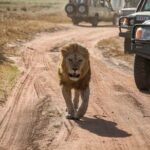
- Tarangire National Park: elephants, baobabs, and tree-climbing lions
- Serengeti days 3 and 4: calving season intensity and two chances to get it right
- Ngorongoro Crater early drive: world-famous caldera and Big Five emphasis
- Lake Manyara final day: birds, flamingos, and a Rift Valley backdrop
- Price and what’s actually included for $1,190 per person
- Logistics that shape your day: small group size, guides, and shared-safari reality
- Who this safari is best for, and who should reconsider
- Should you book this six-day safari camping route?
- FAQ
- How much does the Best Of Six Days Safari Camping safari cost?
- How long is the safari?
- What places are included on the route?
- Are park fees and entry fees included?
- Is airport pickup and drop-off included?
- What is not included in the price?
Key highlights to know before you go
- Calving-focused Serengeti focus with two days in the park during the birth season window
- Tarangire wildlife variety: elephants, baobabs, and tree-climbing lions
- Ngorongoro Crater big-five game drive on a world-famous UNESCO site
- Lake Manyara birding moments plus flamingos and Rift Valley views
- Small group size (max 6), plus airport pickup and drop-off
- Unlimited drinking water and park fees included, which keeps daily costs simpler
Entering the six-day circuit built around calving migration
If you want a safari that’s more than just checklist wildlife, this route is designed with one purpose: follow the great wildebeest migration during calving. The trip description points to coverage tied to the Lake Ndutu area, then pushes into the southern and central Serengeti areas where migration activity is commonly concentrated around this time.
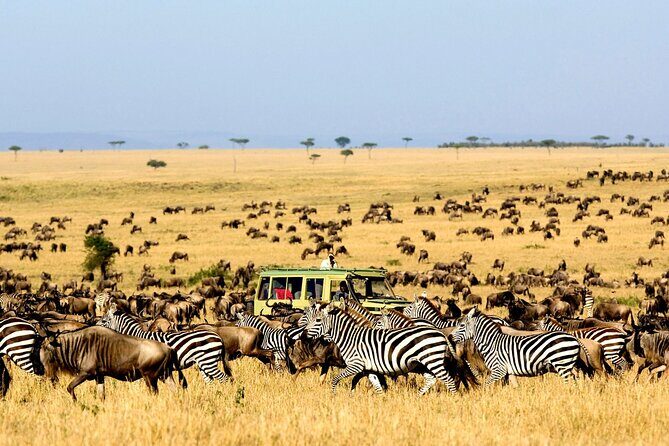
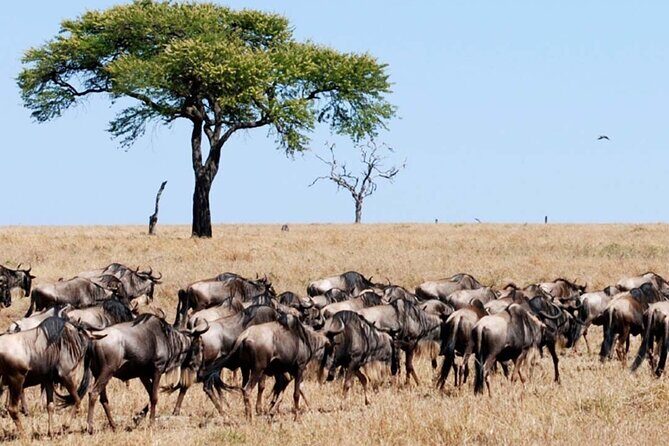
That focus changes how the whole trip feels. Instead of treating Serengeti as one big blank wildlife box, you’re there specifically for the intense period when wildebeest births are happening and thousands of calves are being born daily (the trip outline cites more than 8,000 calves per day). You’ll also be in position to watch the broader migration story unfold: wildebeest, zebra, and then the long trek cycle starting again after calving.
The other smart part is pacing. You’re not only doing a quick stop in the Serengeti and racing away. You get two separate Serengeti days, which is a big deal because animal movement and sightings don’t happen on your timetable. Two drives gives you another chance at different herds, different rhythms, and different dramatic moments.
A few more Arusha tours and experiences worth a look



Arusha setup day: briefing, then you’re off
Day 1 is all about getting your bearings. A Serengeti Landmark Tours staff member picks you up and drives you to Arusha town, where you’ll receive a briefing about what’s ahead. It’s a low-pressure start designed to let you settle in before you move into full safari mode the next morning.
What I like about this kind of first day is that you avoid the classic travel hangover. If you’ve just arrived, you get the chance to rest, then show up to the safari days with your head clear. It also helps that airport pickup and drop-off are part of the package, so you’re not trying to coordinate transport while planning a multi-park route.
One small consideration: the trip summary doesn’t spell out an exact Arusha hotel name for Day 1. The program clearly uses Arusha as the staging point for your safari, but the accommodation details for that first night aren’t specified in the information provided, so plan around that.
Tarangire National Park: elephants, baobabs, and tree-climbing lions
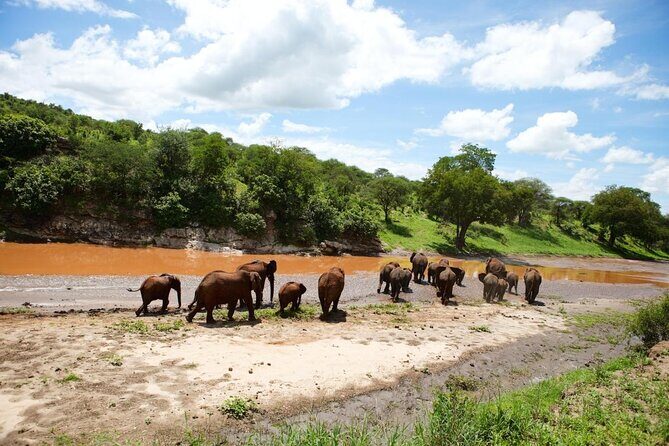
Tarangire is a favorite stop for a reason, and this safari puts it early where it can set the tone. After breakfast, you’re picked up by your driver guide and taken to Tarangire National Park. The trip outline highlights what Tarangire is known for: big herds of elephants, baobab trees, and the famed tree-climbing lions.
It’s not just about one animal story. The description also points to sightings of the Big Four and other wildlife like zebra and giraffe. Even if you don’t lock onto a single species for the whole day, that variety matters because it keeps the drive interesting and gives you multiple ways the park can surprise you.
A practical detail that I appreciate: Tarangire’s water source is emphasized. The Tarangire River flows year-round and is described as the only source of water for animals during the dry season. That means your day in the park isn’t just scenic; it’s strategically timed for animal concentration.
You end the day with accommodation at Jambo lodge. That’s a comfort contrast compared with the camping nights later, and it gives you a smoother physical reset after your first big wildlife push.
Serengeti days 3 and 4: calving season intensity and two chances to get it right
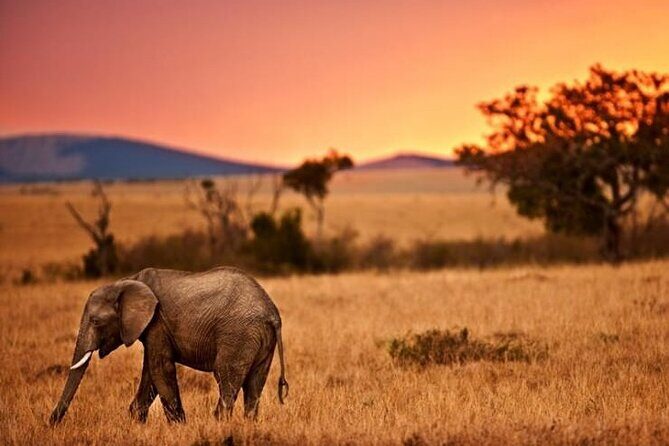
This is the heart of the safari. After breakfast on both days, you head out into the Serengeti with a picnic lunch. The program also includes a route that mentions game drive through Ngorongoro on the way and then a late game drive in Serengeti. In plain terms: these days are built to keep your time in parks active, not scheduled around long empty stretches.
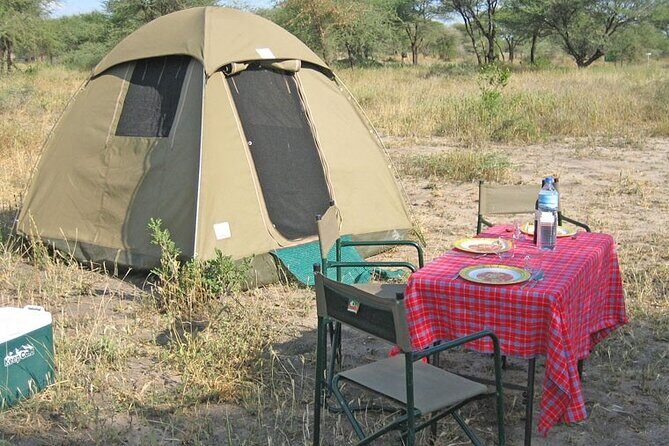
You spend these days in budget camping. That’s the trade-off for focusing money where it matters: more time in the right areas during calving season. If you’re the type who views comfort as part of the trip, camping may feel like a step down. If you’re excited about wildlife time above all else, this is the kind of compromise that often feels worth it.
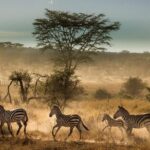
What you’re there to see is specific and dramatic. The trip description frames the Serengeti as home to migration on the scale of over 1.5 million wildebeest and hundreds of thousands of zebras. It also calls out the behavior that comes with it: territorial chaos, mating, and the famous moments that can include wildlife near crocodile-infested waters. And because this is calving-season focused, the outline explains that wildebeest are birthing more than 8,000 calves daily before the long migration cycle resumes.
Here’s why two Serengeti days matter: even when you travel at the right time, herds don’t line up like theater seats. One day can be heavy on births and clustering, while another can be about movement, crossings, and predator activity that follows. Two drives gives you a better shot at catching multiple “chapters” of the calving story.
Ngorongoro Crater early drive: world-famous caldera and Big Five emphasis
On Day 5 you switch gears with an early morning drive toward Ngorongoro Crater. The program then builds the day around a game drive in the crater area, with the promise that you can see all of the Big Five.
Ngorongoro isn’t just another park stop here. It’s described as a UNESCO World Heritage site and as the world’s largest caldera, often referred to as the Garden of Eden. The trip outline also notes that the crater’s highland plains concentrate wildlife, which is part of why this area is so consistently famous.
Timing matters on days like this. You start early, which generally helps you get into the best viewing window before the day gets too hot and wildlife spreads out. Even if sightings can’t be guaranteed (no safari can), the structure of an early drive plus a long-focused crater game drive is exactly what you’d want when you’re aiming for an iconic “big moment” day.
One additional benefit in the tour info: admission is included for this day, and the drive is short enough that you keep momentum without feeling like you’re losing hours to transport.
A few more Arusha tours and experiences worth a look
Lake Manyara final day: birds, flamingos, and a Rift Valley backdrop
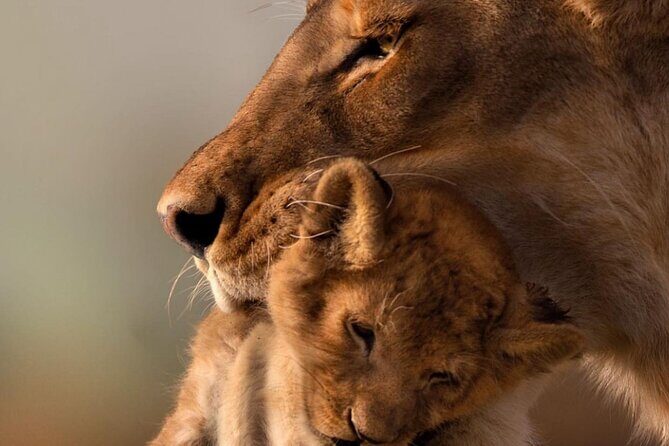
Day 6 is a scenic landing. After breakfast, you drive to Lake Manyara National Park, described as compact for viewing and noted for diversity. The tour outline includes the famous Ernest Hemingway line about it being the loveliest he had seen in Africa, which is a nice cultural detail—but more importantly, it tells you the park is seen as special even beyond wildlife photos.
The description also points to what you can expect in terms of variety: Lake Manyara sits with the Great Rift Valley wall as a dramatic backdrop, and the park holds over 400 species of birds, including thousands of pink-hued flamingos. That makes this final day a good counterbalance if your earlier days are heavy on mammals and migration drama.
The program then wraps by starting the way back to town in the evening. Admission is included for this day as well, and the overall finish has a sensible feel: you’re not ending with another brutal full-day marathon of drives and long transitions. Instead, you get one last park experience with a different flavor.
Price and what’s actually included for $1,190 per person
At $1,190 per person for roughly 6 days, the big question is whether you’re paying for logistics or just wildlife time. In this case, it’s mostly the former—in a good way. The tour includes park fees and entry fees, plus unlimited drinking water, which can remove a chunk of daily cost and decision-making you’d otherwise handle yourself.
Meals are included too: breakfast (5), lunch (5), and dinner (4) are part of the package. That matters more on safari than it does in cities, because food stops can eat up your viewing time and your energy. Here, your days are designed around wildlife drives with meals already handled.
Also included: airport pick-up and drop-off. And you’ll use a mobile ticket. Those sound like small details, but on a multi-day safari, the less you’re juggling, the better your trip feels.
What’s not included is just as important. You’ll want to plan for tips, alcohol drinks, and your visa. If you’re coming in with a tight budget, alcohol can surprise people, and tips are commonly expected in safari contexts. Build that into your planning early so the final total doesn’t feel like a gut punch.
Logistics that shape your day: small group size, guides, and shared-safari reality
This is a shared safari and the maximum group size is listed as 6 travelers. For many people, that’s the sweet spot: small enough to keep things comfortable and conversational, but not so tiny that costs spike.
You also get pickup support from Serengeti Landmark Tours, plus the coordination that shows up in participant feedback around fast communication. In notes, Raymond Ayo is named for being responsive, and there’s also a mention of help with an invitation letter for visa application. Even if you’re not dealing with visa paperwork, that kind of responsiveness usually translates into fewer last-minute problems and clearer expectations.
Guide quality is another praised area in the information you provided. Names like Mud and Rhinocent appear in participant feedback as professional and view-focused. Since the exact guide assigned to your dates isn’t specified in the trip info, you can’t assume a particular name—but you can take the overall message: the program is set up around driver-guides who know how to work the game drive rhythm.
One practical consideration: shared safaris sometimes mean you’ll wait a bit for everyone to be ready. It’s rarely a disaster, but it’s real. If you hate waiting, you’ll need to be mentally flexible on pickup and start times.
Who this safari is best for, and who should reconsider
This safari fits best if you:
- Want a calving-focused Serengeti experience, not just a generic Serengeti stop
- Are comfortable with budget camping for the two nights in the park
- Like having fees, water, and most meals handled so you can concentrate on wildlife
- Prefer a small group (max 6) structure on a shared safari
I’d reconsider if you’re looking for a high-comfort lodge-only trip. The move from Jambo lodge to budget camping is a real comfort shift. Also, the route is intense by design: multiple parks in a short window, which means early mornings and full days.
Finally, if calving timing is your top priority, double-check your travel dates relative to the calving window concept. The trip is built around that seasonal focus, and timing can make a big difference in what you see.
Should you book this six-day safari camping route?
Book it if you want the Serengeti calving experience to drive the whole trip, and you’re willing to trade some comfort for more time in the right places. The combination of Tarangire, two Serengeti days, a major Ngorongoro Crater game drive, and a bird-focused Lake Manyara finish feels like a complete Northern Tanzania wildlife loop.
Don’t book if camping would drain you. Also be ready for the reality that some costs are not in the base price—especially visa and tips—so factor that in before you commit.
If you’re excited by animals, want organization, and like a small-group vibe, this one is easy to recommend.
FAQ
How much does the Best Of Six Days Safari Camping safari cost?
It costs $1,190.00 per person.
How long is the safari?
The duration is 6 days (approx.).
What places are included on the route?
The route includes Arusha, Tarangire National Park, Serengeti National Park, Ngorongoro Crater area, and Lake Manyara National Park.
Are park fees and entry fees included?
Yes. Park fees and entry fees are included.
Is airport pickup and drop-off included?
Yes, airport pick-up and drop-off are included.
What is not included in the price?
Tips for safari, alcohol drinks, and your visa are not included.