REVIEW · DAR ES SALAAM
Full-Day Private Tour of Dar es Salaam
Book on Viator →Operated by Enroute Africa · Bookable on Viator
One day, three markets, and real history. This full-day private tour hits the big stops fast—starting at the Dar es Salaam War Cemetery and moving to the International Fish Market, where you can see the sea-to-stall flow up close. I like that it’s built for limited time, not for endless wandering, and you still get meaningful context along the way. The one catch: the schedule is tight, so if you want long photo breaks or slow shopping sessions, you may feel a little rushed.
What makes it work is the service: hotel pickup, an air-conditioned vehicle, bottled water, snacks, lunch, and even alcoholic beverages are included, plus all entry fees. In past departures, guides such as Eric, Emmanuel, Emanuel, Gabriel, and Erick have been called out for keeping things moving and answering questions—so you get both logistics and explanations.
In This Review
- Key points at a glance
- How this Dar es Salaam private day tour runs in real time
- Dar es Salaam War Cemetery: the quiet start that gives context
- International Fish Market: see the sea-to-stall chain
- National Museum of Tanzania: one hour to understand the people
- St. Joseph Cathedral and Azania Front Lutheran: German Gothic architecture near the waterfront
- Askari Monument: the downtown stop that teaches a name
- Kariakoo Market: the busy trade hub with a story behind the name
- Mwenge Woodcarvers Market: Makonde carvings and easy souvenir browsing
- Village Museum (Makumbusho): authentic tribal house design in an urban setting
- Food, drinks, and the real value of the $160 private rate
- Logistics that can affect your comfort: timing, vehicle, and language matching
- Who should book this Dar es Salaam day tour
- Should you book the Full-Day Private Tour of Dar es Salaam?
Key points at a glance
- War Cemetery details that stick: First and Second World War graves, plus a Hindu cremation memorial for Indian servicemen
- Fish Market without the tourist filter: you’ll watch how fish moves from catching and handling into the main market
- German-era church architecture: St. Joseph Cathedral and Azania Front Lutheran Cathedral both have strong Gothic roots
- Makonde carving focus at Mwenge: a big cluster of carvers specializing in Makonde work and other local art
- Value of the all-in price: lunch, drinks, snacks, bottled water, transport, and fees are included in the $160 rate
How this Dar es Salaam private day tour runs in real time
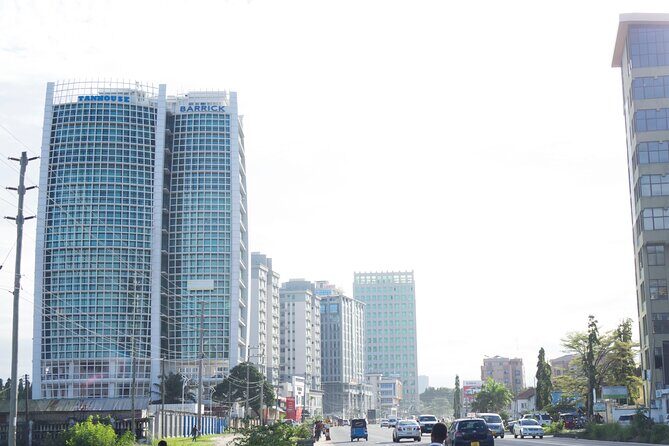
This is a private outing, so it’s just your group (not a mixed crowd), with hotel pickup offered and a set route through downtown and the areas that give you the city’s personality quickly. The time window is typically 6 to 8 hours, and it’s scheduled to run Monday to Saturday, roughly 9:00 AM to 4:30 PM.
I like the pacing model here: you’re not trying to see everything on a map—you’re collecting the main signals of Dar es Salaam. Expect short, focused stops (often 15–45 minutes) and a few “one-hour anchor” moments where you can slow down, stretch, and reset.
It also helps that the tour can be arranged for different language groups. The tour offers German, English, French, and Spanish speakers, and confirmations are handled at booking time with a mobile ticket.
You can also read our reviews of more private tours in Dar es Salaam


Dar es Salaam War Cemetery: the quiet start that gives context
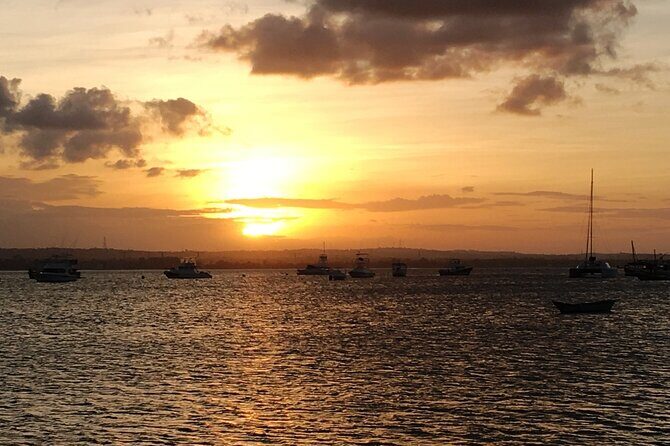
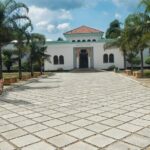
The tour begins at the Dar es Salaam War Cemetery, and it’s the kind of stop that changes how you look at the rest of the city. This cemetery holds 1,764 Commonwealth burials from the First World War, with 60 unidentified. It also includes 41 Second World War burials, with 7 unidentified, plus 112 war graves of other nationalities (mostly Belgian and German).
You’ll also see the Dar-es salaam Hindu Cremation Memorial, which commemorates 14 Indian servicemen whose remains were cremated according to their faith. That detail matters, because it shows this place wasn’t only about one group or one tradition.
Plan for about 20 minutes here. You don’t need a long talk to feel it. Just give yourself time to read the markers and look around before you move on to the bustle.
International Fish Market: see the sea-to-stall chain
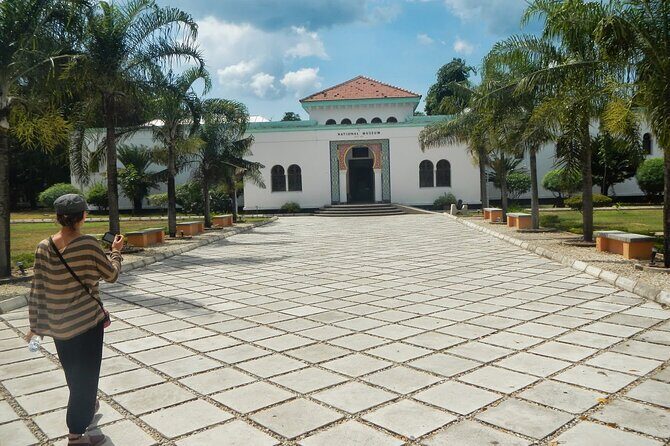
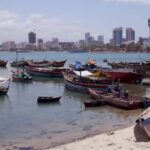
Next up is the International Fish Market, and the best part is that you’re not just looking at fish—you’re watching the whole system. The tour description specifically emphasizes appreciating the full process from the sea to the main market, and that’s what makes this stop feel more grounded than a quick “photo and go.”
You’ll spend around 30 minutes at the market, which is long enough to catch the rhythm: handling, sorting, and the flow into what buyers see in the main areas. Even if you don’t buy anything, you’ll get a feel for how daily trade works here.
Practical tip: wear shoes that can handle uneven ground and crowded aisles. Markets are not designed for clean sightseeing. Also bring a small amount of cash only if you want to tip or buy something—most admissions are free on this route.
National Museum of Tanzania: one hour to understand the people
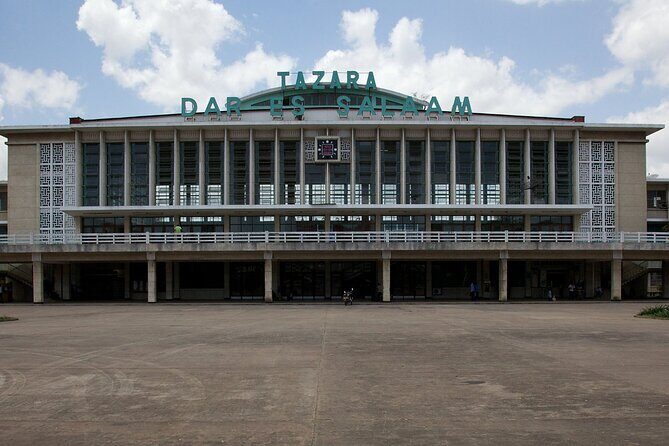
After markets, the National Museum of Tanzania gives you a different kind of education—structured, calm, and focused. The museum was established in 1934, and its exhibits focus on the history of Tanzania and its people.
You’ll typically have about 1 hour, with admission included. With only an hour, don’t try to read everything. Instead, look for themes and storylines that connect to what you’ve seen outside—how communities live, how cultures developed, and how the country’s identity is presented through objects and exhibits.
This stop is one of the easiest ways to make the rest of the day feel less random. Without it, the churches, monuments, and markets can feel like separate snapshots. With it, you start seeing the bigger thread.
St. Joseph Cathedral and Azania Front Lutheran: German Gothic architecture near the waterfront
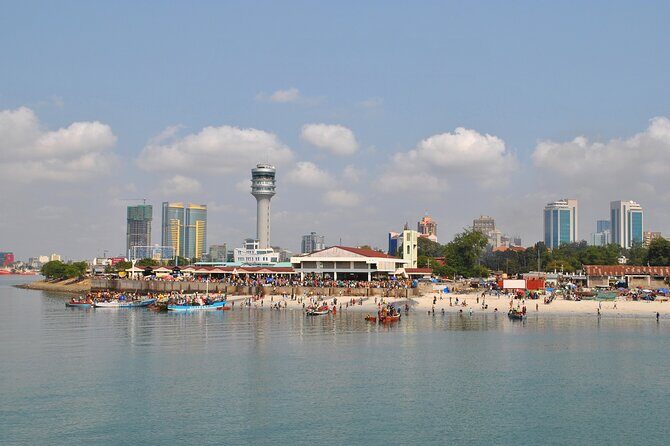
Dar es Salaam has a strong colonial-era architectural footprint, and this tour makes you notice it fast by pairing two churches built by Germans missionaries.
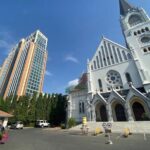
St. Joseph cathedral is one of the standout structures. It was built by the Germans between 1897 and 1902, then consecrated in 1906. Today it serves the Dar-es salaam Catholic archdiocese.
Then you’ll see Azania Front Lutheran Cathedral, also described as Gothic style and constructed by German missionaries between 1899 and 1902. It sits along Kivukoni Front road, close to the waterfront and facing the harbor—so the views help. Even when you only stop briefly, the setting gives you a sense of where the city “turns” toward the Indian Ocean.
If you care about architecture, this part of the tour is a win because the guides can explain the timeline and the role these buildings played.
A few more Dar es Salaam tours and experiences worth a look


Askari Monument: the downtown stop that teaches a name
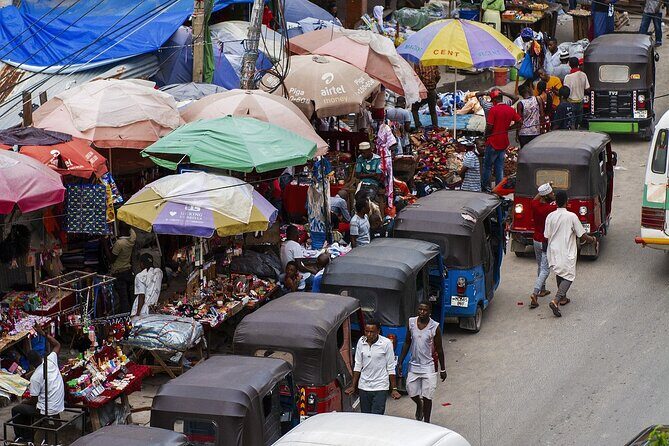
At some point you’ll hit the Askari Monument, located at a roundabout in downtown Dar—connecting Samora Avenue with Maktaba Street. It was built in 1927 as a tribute to the askari soldiers who fought in World War I.
This is a quick stop, but it’s worth treating it like more than a roadside statue. It gives you a specific local reference point for the city’s WWI connections. If you’re the type who likes to know what you’re looking at before you move on, this is exactly the right kind of stop.
Kariakoo Market: the busy trade hub with a story behind the name
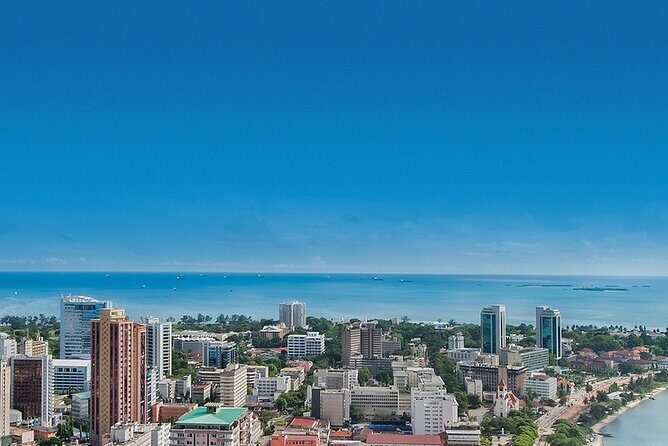
Next comes Kariakoo Market, one of the best-known shopping and trading areas in Dar es Salaam. The market was constructed by architect B.J. Amuli and officially opened in December 1975 by Julius Nyerere.
Here’s a small detail that makes the place feel less anonymous: the name comes from the African porters and casual laborers called the Carrier Corps from the First World War. The British Army chose the area as their camping site, and the name stuck.
You’ll only have about 15 minutes here, so this isn’t about full shopping. Instead, it’s about getting the feel—how goods move, how sellers set up, and how the market functions as a daily engine of the city.
Tip: If you’re sensitive to crowd pressure, stay close to your guide and keep your plan simple—one quick loop and a few photos, then back to the vehicle.
Mwenge Woodcarvers Market: Makonde carvings and easy souvenir browsing
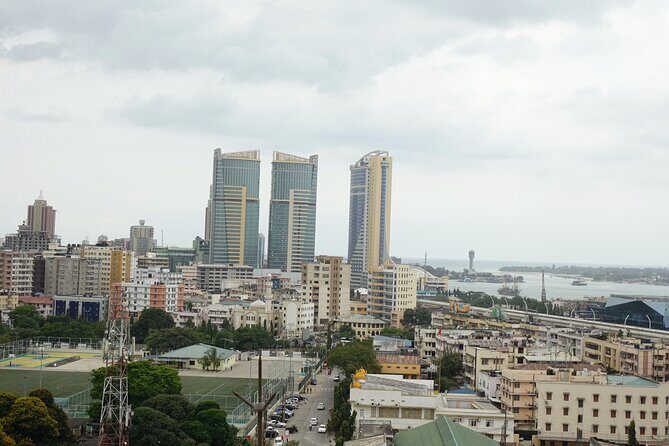
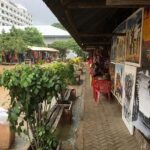
If you want something tangible at the end of a long day, Mwenge Woodcarvers Market is the stop to aim for. It hosts a large cooperative of over 200 carvers, with a specialty in Makonde carvings—and the Makonde are widely known for wood carving skill.
This is also where you’ll find other local crafts, including Tinga Tinga paintings, along with assorted souvenirs. The market is on the outskirts, but it’s accessible because it sits along Sam Nujoma Road, which is a busy main route.
Plan for 45 minutes. That’s enough time to browse without feeling trapped, and long enough for price comparisons if you’re shopping. If you enjoy handicrafts, this is one of the most fun segments because you can watch the work style and talk to sellers about what you’re looking at.
Village Museum (Makumbusho): authentic tribal house design in an urban setting
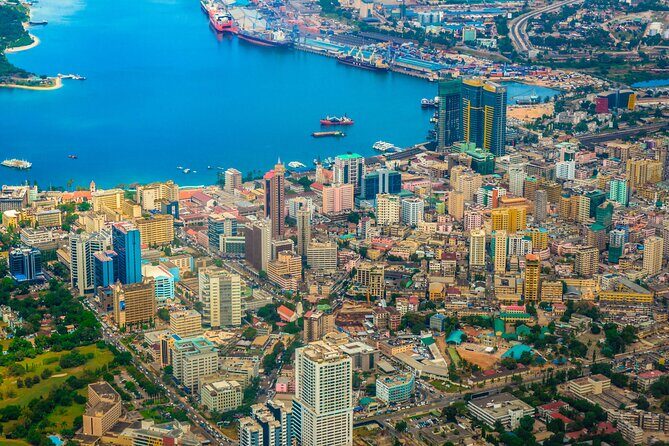
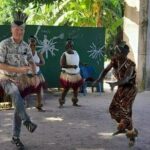
Near the center of town, you’ll spend time at the Village Museum (Makumbusho). This spot focuses on authentically constructed houses and equipment from several Tanzanian tribes. Tanzania has over 130 tribes, and the museum gives you a sample rather than a complete map of the whole country.
You’ll have about 1 hour, and admission is included. What I like about this kind of museum format is that it helps you connect what you saw in the streets—markets, trade, daily life—to how people live in different regions and communities.
If you’re short on time, treat this as your “visual culture” moment. Take photos of the structure layout, notice building materials and design, and look for the practical choices that support daily living.
Food, drinks, and the real value of the $160 private rate
Let’s talk value, because the price is where this tour either makes sense or doesn’t—depending on how you travel.
At $160 per person, you’re not just paying for a guide. The tour includes:
- Lunch
- Alcoholic beverages
- Snacks
- Bottled water
- Air-conditioned vehicle
- Private transportation
- All fees and taxes
Admissions aren’t split out item by item in your day-to-day planning. Many of the stops you’ll visit are listed as free admission (like the War Cemetery ticket being free, the fish market, and Kariakoo), while key museum time (National Museum of Tanzania and Village Museum) is covered.
Tips & gratuities are not included, so you’ll want to budget a little for that if you feel the guide earned it.
Here’s how I’d judge the value: if you’d otherwise pay for car service, museum tickets, and a meal in central Dar, this rate becomes easier to justify. Plus, the inclusion of lunch and drinks helps you avoid hunting for food between stops—important when the schedule is built around short windows.
Logistics that can affect your comfort: timing, vehicle, and language matching
This tour starts by picking you up (hotel pickup is offered), then uses an air-conditioned vehicle to connect the stops. That matters in Dar es Salaam because the distance between markets, downtown monuments, and museum areas can add up if you’re relying on ad hoc transport.
Also, the tour is designed to run within a defined daily window. You’ll want to confirm the start time when you book, since your day depends on it.
Language is a nice feature, but here’s the practical consideration: the tour offers guides in German, English, French, and Spanish, yet on the ground, you may find a guide that doesn’t match your exact language request perfectly. If language is a must, I’d ask for confirmation of the guide’s language at booking and keep your expectations flexible.
Finally, bring the kind of mindset that works for markets and monuments: you’re moving, looking, and learning in a short burst. That’s the format.
Who should book this Dar es Salaam day tour
This is a strong fit if you:
- have limited time and want a fast city orientation
- like history that connects to real places (not just textbook summaries)
- want market exposure without planning your own route
- enjoy crafts and want one dedicated time block at a carving market
- want a guide to help interpret what you’re seeing (churches, monuments, museum exhibits)
If you’re the type who wants long museum reading time, hours of shopping, or lots of downtime on the beach, you may find the schedule too tight. This isn’t that kind of day.
One more plus: the tour has shown flexibility for mobility needs in at least one reported case—so if you have specific constraints, tell the operator in advance and ask how they can adjust the route.
Should you book the Full-Day Private Tour of Dar es Salaam?
I think you should book it if you want a guided first pass through the city that checks the boxes: war history, everyday trade, museums, church architecture, and crafts. The best reason is the mix of included meal + transport + fees, which saves decision fatigue on a tight day.
I wouldn’t book it if your priority is slow travel or you hate market crowds and short time limits. Also, make sure your language preference is clearly communicated, since small mismatches can happen when you’re traveling far from home.
If you’re ready for a focused day where Dar es Salaam comes at you from multiple angles—quiet, busy, historic, and handmade—this private tour is a solid way to spend it.