REVIEW · ARUSHA
4-Day Group Joining Safari in Tanzania | Shared Safari
Book on Viator →Operated by Joagro Safaris Tanzania · Bookable on Viator
Four days, three parks, and serious wildlife odds. This shared safari route is built around Tanzania’s big elephant country, the Serengeti’s classic plains, and the steep wow-factor of Ngorongoro Crater. I especially like the way the itinerary targets two very different ecosystems in a short time—Tarangire’s baobabs and elephant numbers, then Ngorongoro’s dense mix of grazing animals and predators.
I also like that the planning effort is handled by a real point person (Jonas) and the driving is done by skilled guides (like driver Beni, known for finding animals). One consideration: expect long driving days and early wake-ups, so you’ll want to be okay with a more packed schedule than a slow, laid-back trip.
In This Review
- Key highlights to know before you go
- The Big Picture: What This Shared Safari Really Delivers
- Day 1 in Tarangire: Elephants, Baobabs, and a First Reality Check
- Day 2 in Serengeti: From Karatu Farmland to Seronera River Wildlife
- Day 3 Sunrise Through Late Evening: Migration Energy Timing Matters
- Day 4 Ngorongoro Crater: The Bowl Effect and Predator Chances
- Pickup in Arusha and Shared Safari Logistics That Actually Matter
- Cost and Value: What $998 Gets You (and What to Watch)
- Wildlife Viewing Tips for This Route (So You Don’t Miss the Good Stuff)
- Who This Safari Suits Best
- Should You Book This 4-Day Shared Safari with Joagro Safaris?
- FAQ
- Where is the meeting point for this safari?
- How many people are in the group?
- Which parks are included in the 4 days?
- Is pickup offered from Arusha?
- Are admission tickets included?
- What is the cancellation policy if plans change?
Key highlights to know before you go
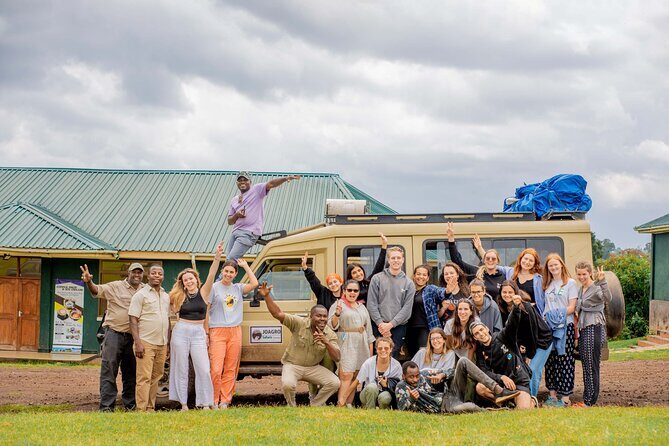
- Max group size of 7 travelers keeps the safari feeling social without turning into a cattle call
- Tarangire focuses on elephants and baobabs, including the park’s role in a yearly migratory rhythm
- Serengeti time around Seronera and the Seronera River gives you a strong shot at steady wildlife viewing
- A sunrise start on Day 3 is designed to catch migration energy early, then keep driving into late evening
- Ngorongoro Crater brings a packed food chain: wildebeest, zebra, buffalo, hippo, plus predators like lion, hyena, jackal, cheetah, and the leopard
- Clear English communication and planning support (Jonas) and animal-finding driving (Beni) can make the whole trip smoother
The Big Picture: What This Shared Safari Really Delivers
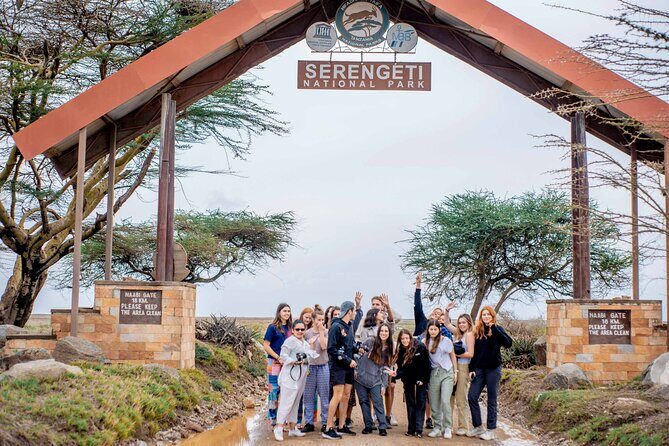
This 4-day route is a practical hit-list of Tanzania’s top wildlife zones—without pretending you’ll see everything in one go. The trade-off is time: you’ll drive between parks, then spend most of your day on game drives. If you like wildlife, photography, and that constant search for movement, this works well.
For value, the itinerary is also set up in your favor. It includes pickup from Arusha (at TFA Shopping Center on Sokoine Rd), and the plan lists admission tickets as free/included across the itinerary days. The group size is capped at 7, which usually means fewer bottlenecks at viewpoints and easier coordinating when you want to stop for sightings.
The best part is the contrast. Tarangire is elephant-and-baobab country. Serengeti brings huge open plains and river-linked wildlife areas. Ngorongoro is a crater bowl with a concentrated ecosystem, which is why safari-goers call it a must.
A few more Arusha tours and experiences worth a look
Day 1 in Tarangire: Elephants, Baobabs, and a First Reality Check
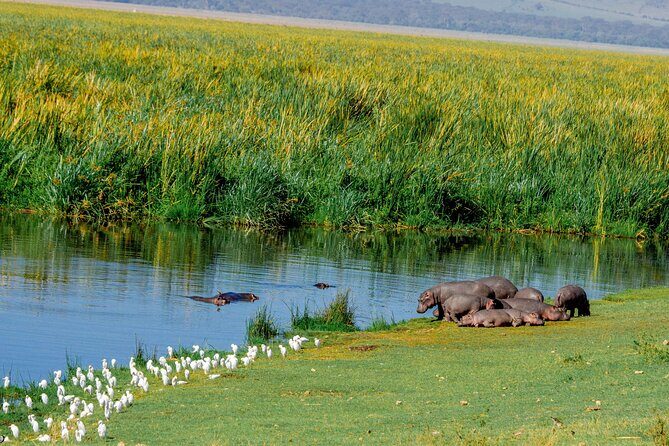
Day 1 starts with a move from Arusha toward Tarangire National Park (about 130 km). You’ve got a few hours for non-game viewing, then you shift into the part you care about: spotting wildlife in a landscape shaped by thick vegetation patterns and classic baobabs.
Tarangire is famous for elephant numbers and those iconic baobab trees. The itinerary even points to the seasonal migratory cycle that can involve up to about 3000 elephants, plus large groups of wildebeest and zebra. That’s useful context because it explains why you’re not just looking for one elephant—you’re trying to read the timing of the park.
What I like about the Tarangire start is that it warms you up for safari pacing. You ease into wildlife viewing rather than leaping straight into the hardest schedule. And because you’re leaving Arusha for the day, you also avoid the feeling of spending your whole trip stuck in town.
Practical drawback: you’ll be ready for an early start and a long day in the vehicle. If you hate being in a car, bring snacks, water, and a good playlist. The park is worth it, but you have to accept the travel time.
Day 2 in Serengeti: From Karatu Farmland to Seronera River Wildlife
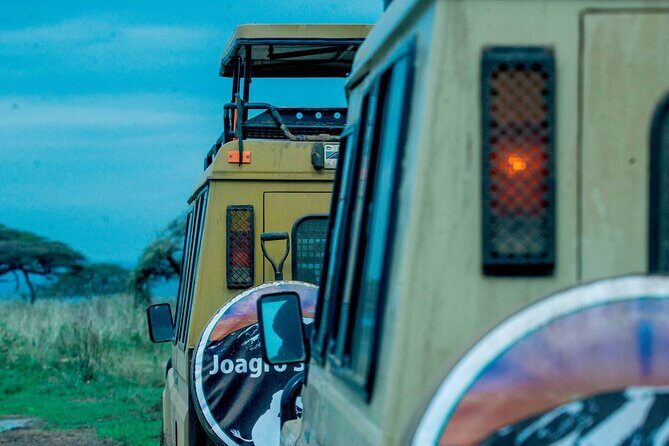
Day 2 is your big transfer day into the Serengeti (about 200 km). The route passes through the Karatu area and then into the Ngorongoro Conservation Area. The itinerary describes shifting from highlands into the Serengeti’s broad open plains—so you’re not just changing parks, you’re changing the vibe.
You’ll drive to a key area in the park called Seronera, which the itinerary frames as one of the richer wildlife habitat zones. The reason you want Seronera is simple: the Seronera River provides a steady water source, and water pulls animals. That means you’re not only hunting for random encounters—you’re aiming for a predictable concentration.
The day is structured around getting there in time for lunch, then continuing with game viewing afterward. That rhythm matters. Arriving hungry and exhausted tends to make people miss the smaller sightings. Arriving on schedule helps you actually enjoy the day.
One consideration: the drive is long. If you’re the type who gets motion-sick, plan for it. Also, the Serengeti is big—so you’ll spend time searching, not just stopping at fixed spots. That is part of the game here.
Day 3 Sunrise Through Late Evening: Migration Energy Timing Matters
Day 3 is the early morning day. You wake up very early for sunrise in the Serengeti, then you spend the day chasing animals until late evening. That structure is not just for romance; it’s for results.
Sunrise viewing tends to deliver calmer temperatures, more active animals, and better light for photography. It also sets your brain into wildlife mode fast. The longer stretch—starting early and pushing into the evening—helps because animal movement patterns change over the day. You’re not relying on one hour to be perfect.
This is also where the safari becomes more emotional. Even if you don’t see a specific moment of migration, you still get the wide-open sense of scale: groups of animals moving, predators working, and the constant feeling that you’re watching nature respond in real time.
Practical tip: on this kind of day, you want to dress in layers. Mornings in the Serengeti can feel cooler than midday, and you’ll be out there for many hours.
Also remember: wildlife viewing is never a guarantee. What you can control is your patience and your willingness to scan. Bring binoculars if you have them. It’s a small cost that can pay off fast.
Day 4 Ngorongoro Crater: The Bowl Effect and Predator Chances
Ngorongoro Crater is the final big ticket, and the itinerary highlights exactly why people love it. You drive to a crater that drops over 600 meters, and the Ngorongoro Conservation Area supports a dense mix of animals.
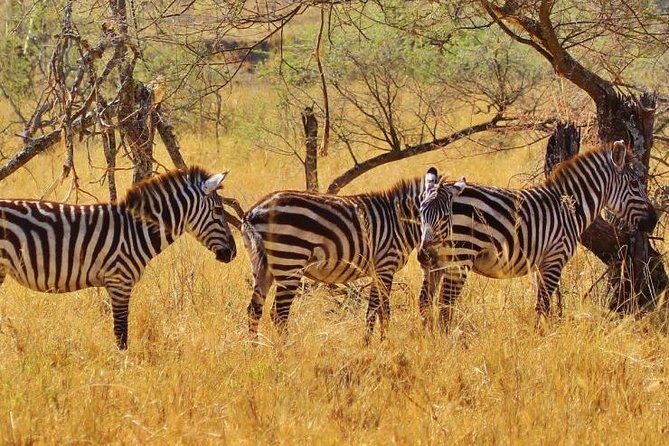
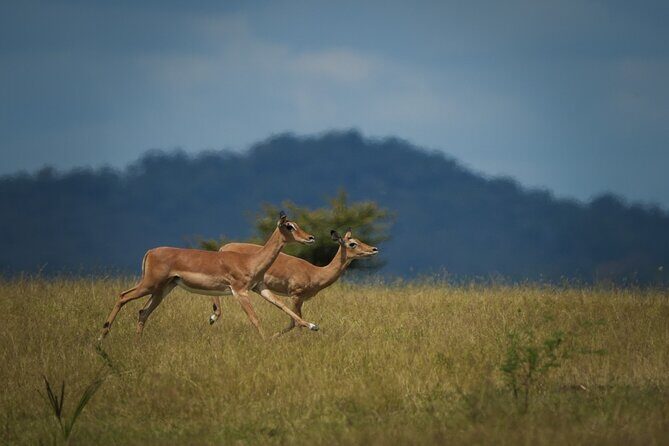
The plan lists herbivores you may see, including herds of wildebeest, zebra, buffalo, eland, warthog, hippo, and even large African elephants. The predator list is equally exciting: lions, hyenas, jackals, cheetahs, and the leopard—which is described as elusive, meaning you shouldn’t assume you’ll get it, but you can still hope and stay alert.
There’s also mention of Lake Magadi, a massive but shallow alkaline lake. Even without going deep into science, the practical point is that water sources within the crater can shape where animals gather. And where animals gather, you usually get better viewing.
Your game viewing time is paired with a non-game block in the plan (about 3–4 hours), and you’ll be on a long driving schedule overall (listed as roughly 10 hours for the day). That means you’ll want to pace yourself with meals and hydration so you still have energy for the best sightings.
Possible drawback: crater days can feel hot once you’re down there, and walking/viewing spots may require patience for photo angles. If you’re traveling with anyone who gets impatient in crowds or hates waiting, this part is worth planning for mentally.
A few more Arusha tours and experiences worth a look



Pickup in Arusha and Shared Safari Logistics That Actually Matter
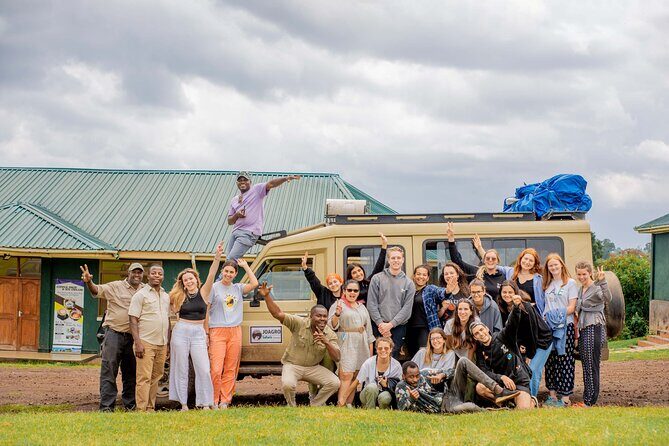
This tour starts back at TFA Shopping Center, Arusha (Sokoine Rd) and ends back at the meeting point. Pickup is offered, which is one of those boring-but-important comforts—especially if you’re arriving in town and don’t want to figure out transport on your own.
Group size is capped at 7 travelers. That’s a big deal because shared safaris can vary wildly. With a smaller group, you usually get fewer delays and a more flexible feel when the driver stops to check something interesting. It’s still shared, meaning you’ll follow the group’s pace, but it won’t feel like a huge bus tour.
One more practical note: your days are long. Day 2 is around 10 hours, Day 4 is around 10 hours, and Day 3 is around 9 hours. That means the right mindset helps more than people expect. Bring a light spirit. You’re not just ticking boxes—you’re doing wildlife time.
Cost and Value: What $998 Gets You (and What to Watch)
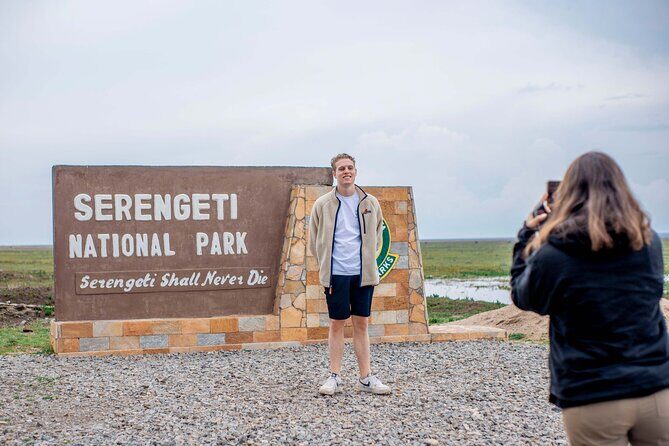
At $998 per person for a 4-day group safari, the value depends on what’s included and how efficiently the route hits the big areas. Here, the itinerary lists admission tickets as free on Day 1 and Day 2, and included on Day 3 and Day 4. That’s meaningful because park fees can be a big chunk of the safari budget in Tanzania.
You’re also getting:
- Three major parks/areas on one circuit: Tarangire, Serengeti, and Ngorongoro Crater
- Pickup in Arusha and return to the same meeting point
- A small group size (max 7)
- A route that mixes day types: classic mid-day viewing and a sunrise-focused migration day
Where you should be realistic: shared safaris trade some flexibility for cost savings. If you’re the type who wants to jump out for a quick extra stop every time you feel like it, this format may feel structured. But if you prefer an organized plan that gets you to the right places at the right times, it’s a solid deal.
If you can, compare this price to other offers that either include or exclude park admissions. That’s usually where the math gets real fast.
Wildlife Viewing Tips for This Route (So You Don’t Miss the Good Stuff)
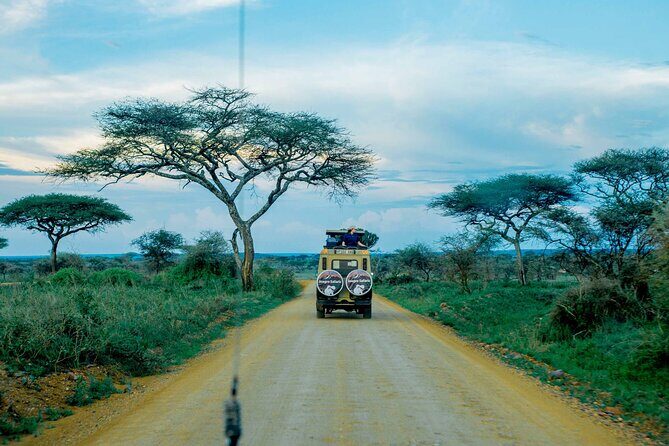
Since this itinerary spends many hours driving and scanning, your comfort and focus matter. Here are practical moves that help on safari days:
- Wear layers: mornings can feel cooler, and you’ll spend long hours in changing conditions.
- Bring sunscreen and a hat: long sun exposure comes with those long drives and open plains.
- Pack water: you’ll be out for hours, and hydration helps you stay sharp for spotting animals.
- Use binoculars if you have them: Ngorongoro and Serengeti can both reward close watching, especially for predators.
- Photo strategy: try to shoot early and late in the day when animals are more active and light is friendlier.
Most importantly, don’t fixate on only one species. This route sets you up with elephant potential on Day 1, river-linked wildlife chances on Day 2, migration-timed searching on Day 3, and predator-hunting opportunities on Day 4. If you keep your eyes open across the whole chain, the trip feels more rewarding even when a leopard stays hidden.
Who This Safari Suits Best
This is a great fit if you:
- Want a strong first-time Tanzania safari with top-name stops
- Like the idea of shared comfort but still want a smaller group
- Are excited by both elephants and predators, not only one
- Don’t mind long days and early mornings in exchange for better wildlife odds
It might be less ideal if you:
- Hate being in a vehicle for most of the day
- Need a super flexible itinerary where you can change plans constantly
- Get cranky when nature moves slowly or sightings take time
Should You Book This 4-Day Shared Safari with Joagro Safaris?
If you want a clear, classic Tanzania circuit—Tarangire to Serengeti to Ngorongoro—this route makes a lot of sense. The small group size (max 7) helps keep the experience manageable. The focus on Seronera and the sunrise-to-evening plan on Day 3 is a smart way to maximize time where wildlife activity tends to be stronger.
I’d book it if your priority is high-quality wildlife viewing across multiple habitats and you’re comfortable with a packed schedule. I’d think twice if you want a slow trip with minimal driving.
Finally, pay attention to the human side. When a driver and organizer work well—like animal-finding driving from Beni and clear planning support associated with Jonas—the trip runs smoother, and you spend less energy worrying about details.
FAQ
Where is the meeting point for this safari?
The tour starts at TFA Shopping Center, Arusha, Sokoine Rd (Arusha 2055), Tanzania and ends back at the same meeting point.
How many people are in the group?
This shared safari has a maximum of 7 travelers.
Which parks are included in the 4 days?
You visit Tarangire National Park, Serengeti National Park, and Ngorongoro Crater (in the Ngorongoro Conservation Area).
Is pickup offered from Arusha?
Yes, pickup is offered.
Are admission tickets included?
The itinerary lists admission tickets as free on Day 1 and Day 2, and included on Day 3 and Day 4.
What is the cancellation policy if plans change?
You can cancel for a full refund if you cancel at least 24 hours before the experience starts. If you cancel less than 24 hours in advance, the amount you paid is not refunded. Cancellation cut-off times use the local time.