REVIEW · ARUSHA
Arusha: Day Trip to Serval Wildlife – Feed Giraffes & Lions
Book on GetYourGuide →Operated by Season Master Adventures · Bookable on GetYourGuide
Lions within arm’s reach, safely supervised. This Arusha day trip takes you to Serval Wildlife Sanctuary for hands-on time with rescued animals, including lions and giraffes, in a controlled setup with professional oversight. You’ll also get a guided bush walk and a picnic that makes it feel like more than a simple drive out of town.
What I like most is the animal interaction itself: you’re not just watching from a distance, you’re feeding and petting (where allowed) with clear supervision. The second big win is the human touch—when guide Mwanga and driver Walice are running the day, the vibe is friendly and well organized, and they help you get great photos, even if you’re traveling alone.
One consideration: you should treat this as a structured day with a provided packed lunch. If you have dietary needs, don’t assume it’ll be customized—plan to clarify ahead of time so you’re comfortable.
In This Review
- Key Things You’ll Remember From Serval Wildlife Sanctuary
- Private Transfers From Arusha or Moshi Set the Tone
- Arriving at Serval Wildlife: Rescue Mission With Animal Welfare Front and Center
- Lion Encounters: Petting and Photos in a Controlled Setup
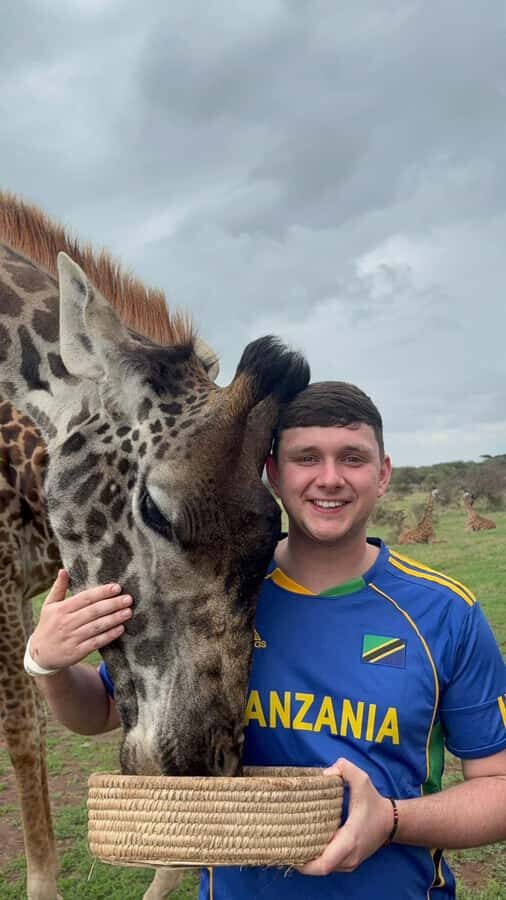
- Hand-Feeding Giraffes, Zebras, and More: The Fun Part Isn’t Just Looking
- The Guided Nature Walk: Slower Pace, More Species
- Picnic Lunch Near the Sanctuary: Simple, Scenic, and Real
- Timing, Drive Time, and Why This Feels Like a Real Day Trip
- What You’re Really Paying for at $220
- Who This Day Trip Fits Best (And Who Might Want Something Else)
- Practical Tips to Make Your Photos and Day Run Smooth
- Should You Book This Arusha Serval Wildlife Day Trip?
- FAQ
- How long is the Arusha day trip to Serval Wildlife?
- What time does the pickup happen?
- Is pickup available from airports?
- How large is the group?
- Which animals can you feed or interact with?
- What is included for lunch?
- What should I bring?
Key Things You’ll Remember From Serval Wildlife Sanctuary
- Small group size (up to 7), which makes it easier to move, ask questions, and get your turn with the animals.
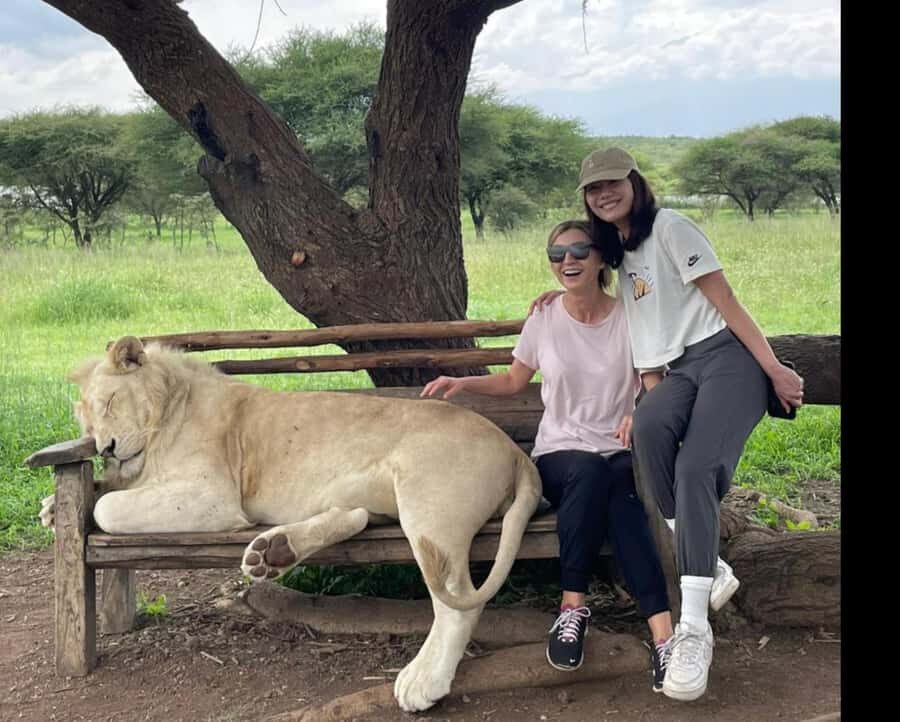
- Lion time that includes petting and photos in a controlled, supervised environment.
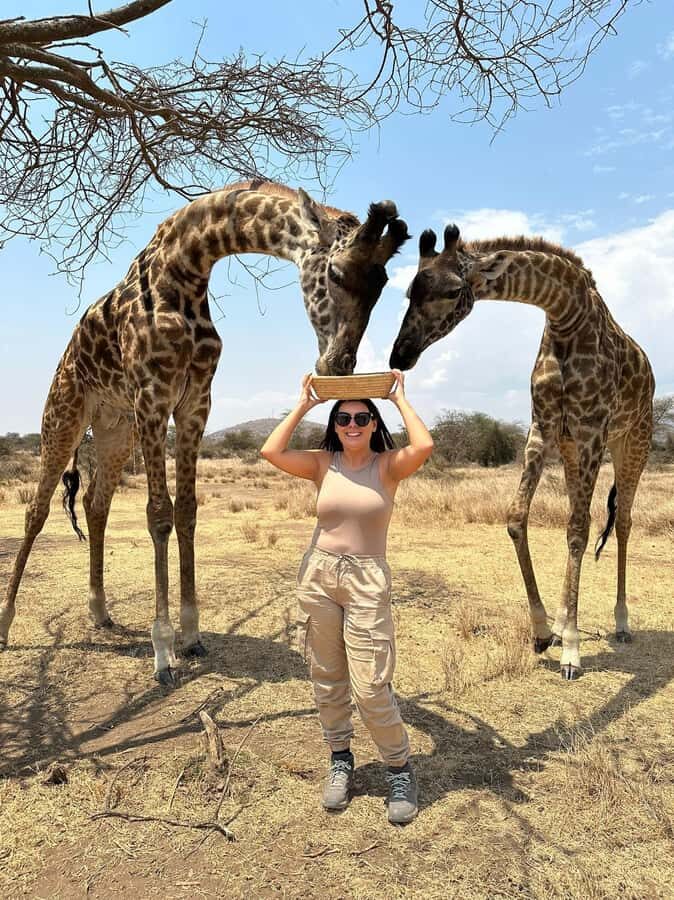
- Hand-feeding multiple species like giraffes, zebras, elands (oryx/impala/other species depending on the day), plus serval cats and monkeys.
- A guided nature walk where you can slow down, spot birds, and notice smaller wildlife.
- Picnic lunch in a natural setting, with a chance to see grazing giraffes in the distance.
- Private round-trip transfers from Arusha, Moshi, or the airports, so you’re not piecing together transport.
Private Transfers From Arusha or Moshi Set the Tone
The day starts with pickup, and that matters because the sanctuary is outside town. You’ll be collected sometime between 8:30 and 9:30 AM from your hotel in Arusha or Moshi, or directly from Kilimanjaro International Airport or Arusha Airport depending on your schedule.
From there, you’re in the car for about 2 to 2.5 hours to reach Serval Wildlife. I like this pacing because it filters out the stress. You can use the drive time to get set for the kind of day you’re having—quiet anticipation, then a concentrated burst of animal encounters once you arrive.
And because transfers are private and round-trip, you aren’t juggling shared minivans or trying to coordinate drop-offs with strangers. If you’re doing this as a day trip around Kilimanjaro, that alone can make the whole plan feel easier.
A few more Arusha tours and experiences worth a look
Arriving at Serval Wildlife: Rescue Mission With Animal Welfare Front and Center
Once you get to the sanctuary, you’ll be welcomed by the team and introduced to the mission: rescuing, rehabilitating, and preserving endangered species. That context is more than a feel-good intro. It changes how you experience the interactions—this isn’t just entertainment for photos. It’s an environment built around protected animals and responsible handling.
At Serval, you’ll spend time learning about what you’re about to meet, then you move into the interaction portion. Expect a guided flow that keeps you aware of animal welfare rules and the boundaries of what you can do.
Also, the grounds feel like a working sanctuary, not a chaotic zoo. The presence of many species in one place is part of the draw, but the bigger point is the controlled way you’re allowed to get close.
Lion Encounters: Petting and Photos in a Controlled Setup
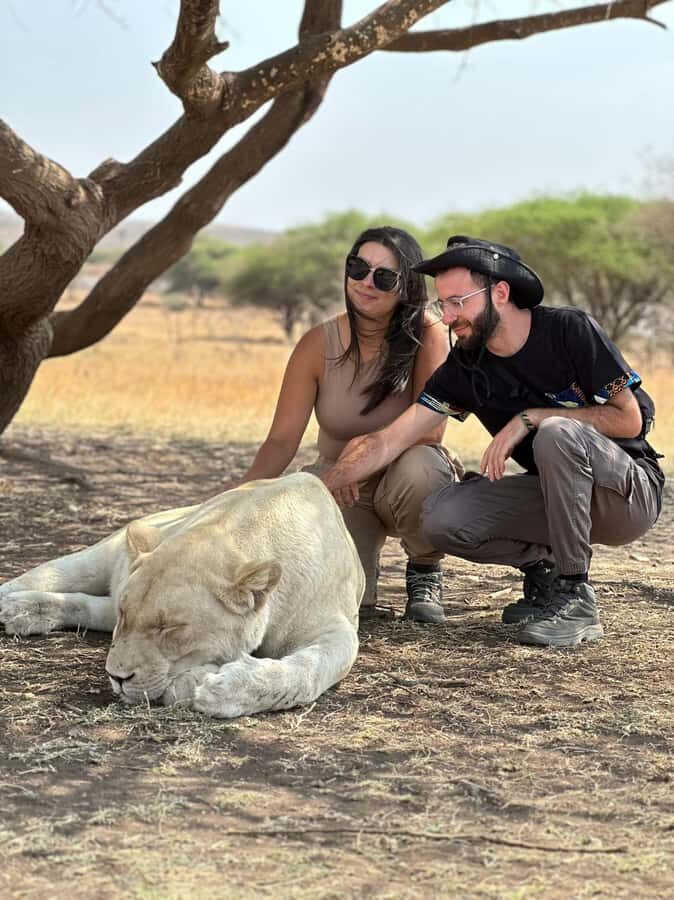
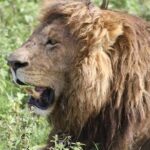
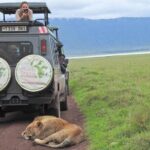
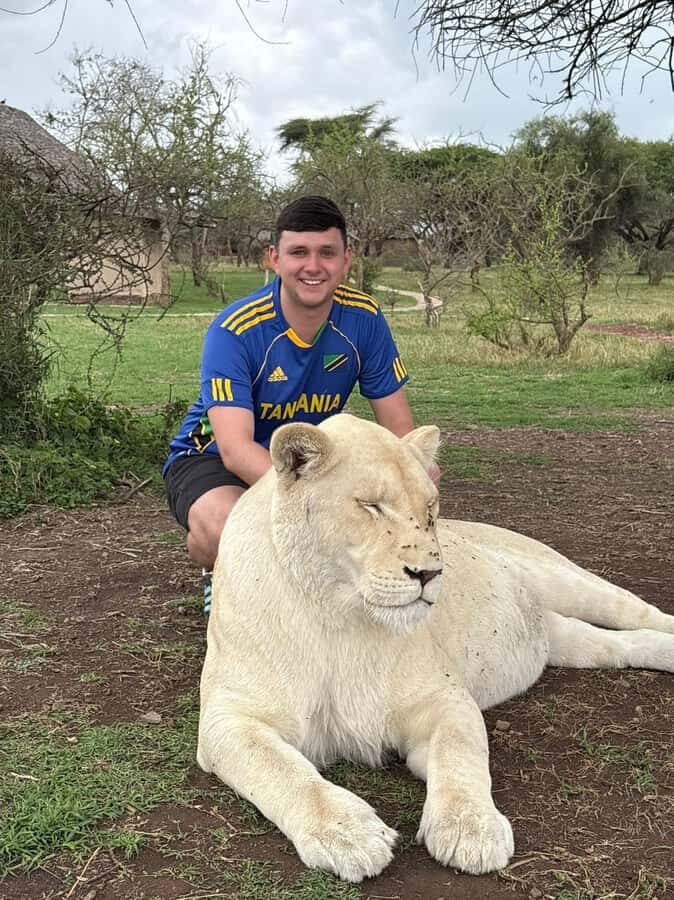
The headline for many people is the lions. In this experience, you can have petting and photo time with lions in a controlled and professionally supervised environment.
What makes this work well for you: it’s not a free-for-all where anyone does whatever they want. You’re guided through the moment, and that helps keep things calm—for the animals and for you. The result is that you get that once-in-a-lifetime feeling without the typical worry that comes with “getting close to wildlife.”
Practical tip: lions are a big attraction, so you’ll want to keep your camera ready and avoid fumbling at the last second. If you’re using your phone, consider turning on portrait or burst mode before you walk in so you’re not changing settings mid-encounter.
If photos are your goal (and they usually are), this is where the small group size really pays off. Less crowding means less waiting.
Hand-Feeding Giraffes, Zebras, and More: The Fun Part Isn’t Just Looking
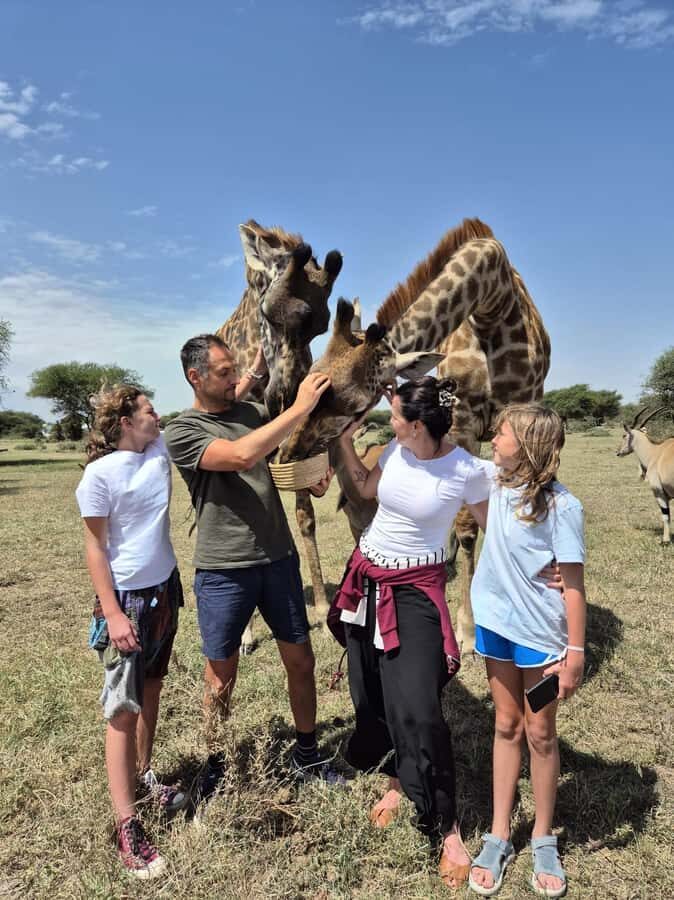
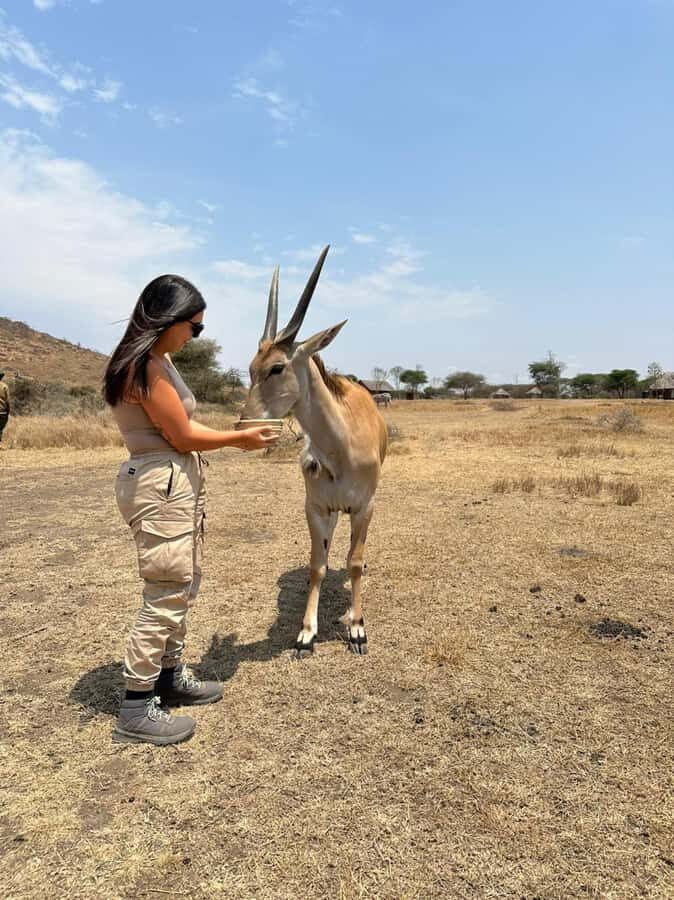
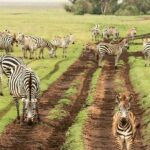
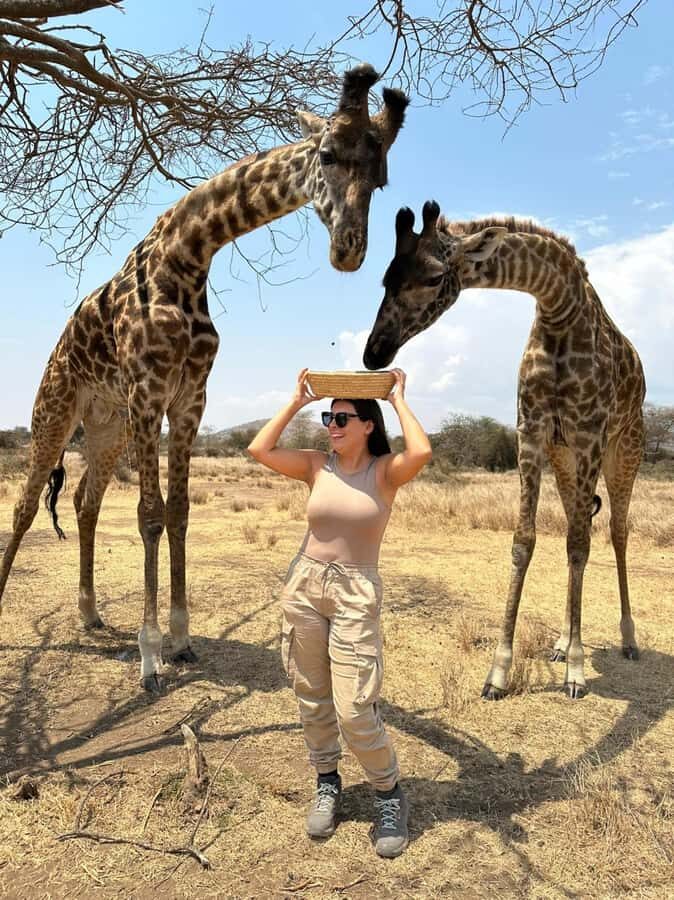
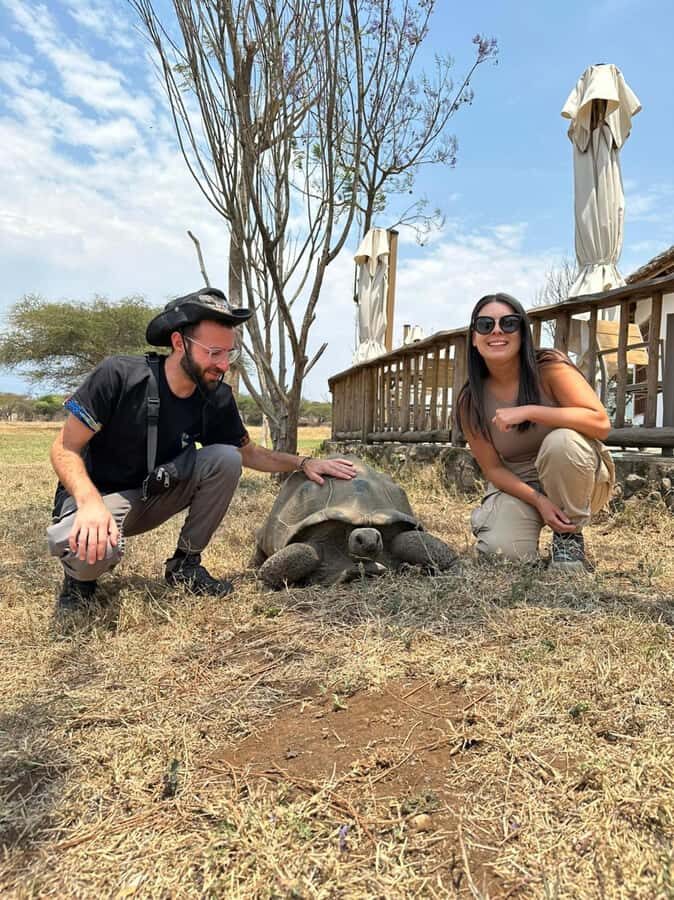
Feeding time is where your day becomes memorable. You’ll have opportunities to feed and interact with several species, including giraffes and animals like zebras, elands, impalas, dik-diks, bushbucks, and more. You may also meet colobus monkeys, serval cats, and other birds and wildlife on the property.
Here’s why this is better than a basic drive-and-snap safari: your brain gets to switch from spotting to doing. You’re learning the small details—how animals approach, how they respond to food, and how proximity feels under supervision.
What I like about the structure is that it doesn’t feel rushed through one highlight. Instead, you get a sequence of encounters. That matters because it gives your eyes a chance to adjust and your camera time a chance to produce shots you’ll actually want to keep.
Also, don’t ignore the less-famous species. Serval cats and dik-diks can be easy to miss in bigger parks, but in a sanctuary setting you get chances to focus on the animals people often don’t expect to see.
The Guided Nature Walk: Slower Pace, More Species
Between the high-energy animal interactions, you’ll go on a guided nature walk. This is your chance to step back from the feeding moments and look at the sanctuary like a real place, not just a photo set.
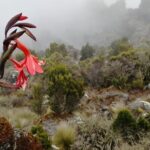
On the walk, you’ll be looking for things like unique plants and birds, plus smaller wildlife that you’d probably overlook if you only cared about the big animals. If you’re the type who enjoys birding or just wants a little quiet time away from cameras, this part is a nice balance.
Even if you’re not a hardcore nature person, I think this walk helps you leave with more than “I fed lions.” You come away with an actual sense of habitat and what the sanctuary is doing day-to-day.
A few more Arusha tours and experiences worth a look
Picnic Lunch Near the Sanctuary: Simple, Scenic, and Real
After the main interactions, you’ll enjoy a packed picnic lunch in a natural setting, with soft drinks and bottled drinking water included.
One detail I really like here: you’re not eating in a parking lot. The lunch area is part of the experience, and you might even catch glimpses of giraffes grazing in the distance.
This is also a spot where a bit of culture can show up. The day includes a chance to see Maasai in their daily activities nearby. You won’t be touring a museum, but you may get that human context that makes the landscape feel less staged.
One reminder: since lunch is provided as a packed setup, I strongly recommend thinking through your dietary needs before you go. If you’re vegetarian or need something specific, message the operator in advance so you aren’t stuck adjusting your plan mid-day.
Timing, Drive Time, and Why This Feels Like a Real Day Trip
This is a 1-day experience, and the timing is built around a morning pickup, then a long drive out and back. Because the sanctuary is a couple hours from Arusha/Moshi, the day feels “full” even if you’re not spending every minute with animals.
A small-group visit (up to 7 participants) keeps the day from feeling like a factory line. You still want to arrive ready—comfortable clothes, sunscreen, and a camera already charged—but the pace usually feels manageable.
If your travel style is relaxed and you like planned activities with clear structure, this is a good match. If you’re the type who only wants a quick hit and then free time, you may find it more scheduled than you expected.
What You’re Really Paying for at $220
The price is $220 per person, which isn’t cheap—but it’s easier to judge when you see what’s included.
Here’s what you get for that money:
- Comfortable round-trip private transfers from Arusha/Moshi or the airports
- Entry fees to Serval Wildlife
- A hands-on feeding and petting experience (including lion time)
- A guided bush walk
- A local English-speaking guide
- A picnic packed lunch, plus soft drinks and bottled water
- Photo opportunities built into the encounters
- Government taxes included
So the value is mostly in logistics plus access. A lot of the cost is paying for private transport and an organized, supervised animal experience—not just getting into a gate. If you want lions and giraffes up close in one day, and you don’t want to arrange transport on your own, this pricing starts to make sense.
Also, with free cancellation up to 24 hours in advance and a reserve/pay-later option, you have some breathing room to commit once your Kilimanjaro timing is locked.
Who This Day Trip Fits Best (And Who Might Want Something Else)
This is a great fit if you:
- Want a close-up wildlife day without needing a multi-day safari
- Travel with family and want a safe, controlled way to meet animals
- Like having a guide to explain what you’re seeing
- Care about photos and don’t want to fight crowds
It’s also a strong solo option. In a small group, your guide can help you with pictures so you’re not stuck with only shots from far away.
You might think twice if you:
- Prefer free-ranging wildlife viewing only (no feeding/petting component)
- Have very specific dietary requirements you need accommodated
- Want an extremely low-structure schedule with lots of independent wandering
Practical Tips to Make Your Photos and Day Run Smooth
Bring a hat, camera, sunscreen, and binoculars. Binoculars aren’t required for feeding, but they help on the walk and for spotting birds or smaller animals you might miss with just the naked eye.
A few extra habits that pay off:
- Keep your camera strap short for lion time so your hands are free and stable.
- Wear shoes you’re comfortable walking in for the nature walk.
- Hydrate early. You’ll get bottled water, but starting the day with a good water habit helps on a full schedule.
If you’re traveling in a small group, don’t be shy about asking your guide questions in plain language. With a guide like Mwanga (and the driver support of Walice), it’s clear the goal is making the day smooth, not just selling the ticket.
Should You Book This Arusha Serval Wildlife Day Trip?
I’d book it if you want one day in the Kilimanjaro area that blends hands-on animal interactions, a guided walk, and a relaxed picnic—without the heavy planning of a longer safari. The small group size and the supervised lion and giraffe access are the core reasons.
I’d hesitate only if you’re unwilling to follow animal-welfare rules, you need guaranteed dietary accommodations, or you’re looking for a purely observational wildlife outing.
If you’re excited by the idea of feeding and photos with lions and giraffes, this is one of the most direct ways to get there from Arusha or Moshi—while still keeping things organized, controlled, and respectful.
FAQ
How long is the Arusha day trip to Serval Wildlife?
It’s a 1-day experience.
What time does the pickup happen?
Pickup is scheduled between 8:30 and 9:30 AM, depending on where you start from and your flight schedule.
Is pickup available from airports?
Yes. Pickup can be arranged from Kilimanjaro International Airport or Arusha Airport, depending on your timing.
How large is the group?
The group is limited to 7 participants.
Which animals can you feed or interact with?
The included experience includes feeding and petting with animals such as lions, giraffes, zebras, monkeys, impala, oryx/eland-type animals, and more (depending on what’s available during your visit).
What is included for lunch?
You’ll get a picnic packed lunch, plus soft drinks and bottled drinking water.
What should I bring?
Bring a hat, camera, sunscreen, and binoculars.