REVIEW · ARUSHA
Arusha: Serengeti and Ngorongoro Multi-Day Camping Safari
Book on GetYourGuide →Operated by Perfect Wilderness Tours and Safari · Bookable on GetYourGuide
Big cats, sleeping in a tent. That mix is the real reason this safari is worth your time. I really like the pop-up roof 4×4 for easier wildlife spotting and the guaranteed window seat for less fuss when animals pop up. The main drawback to plan for: the comfort level is basic, and some days can feel like lots of hours chasing sightings.
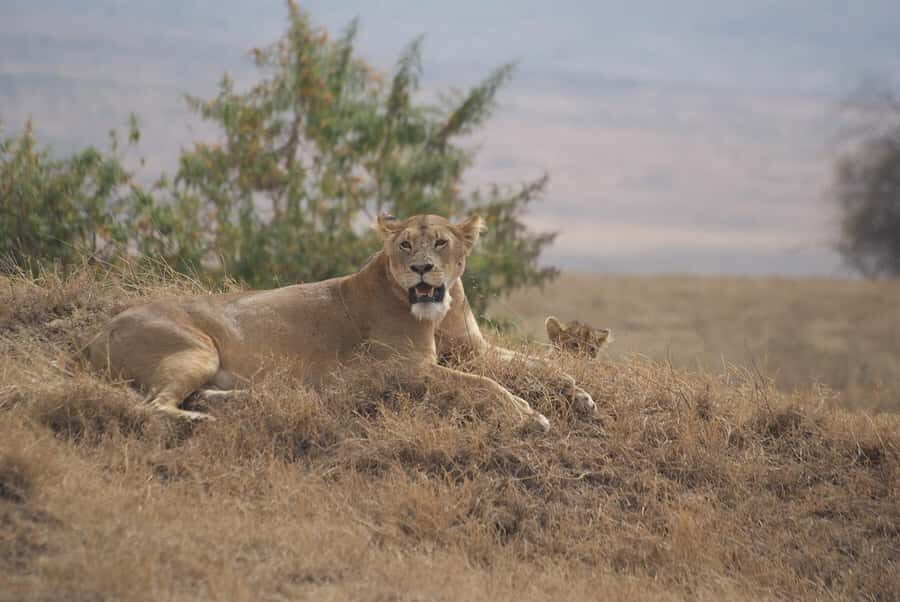
You’re doing two of Tanzania’s best wildlife stages—Serengeti for the migration drama and Ngorongoro Crater for concentrated animals and big odds at the sight of the Big Five. And if you’re lucky with your crew, it can be outstanding: guides such as Ali or Thomas have been praised for spotting and keeping the drives productive, while chefs like Christian (and Musa) have been called out for seriously good camp cooking.
Because this is a shared safari (small group in one vehicle), you’ll want to be flexible. You’ll also be responsible for drinks you buy yourself—on a long day, that matters.
In This Review
- Key things I’d watch for before you book
- Serengeti plus Ngorongoro in 4 days: the smart combo
- Getting from Arusha to the parks: pickup and how you’ll travel
- Day 1 in Serengeti: your first game drive and night under canvas
- Day 2: a full day of Serengeti drives with migration pressure
- Day 3: toward Ngorongoro, with an optional Olduvai Gorge stop
- Day 4: crater-floor drives, Soda Lake flamingos, and the best chance at “more”
- Camping setup: tents, sleeping bags, and what you should pack
- Food and daily timing: included meals, bottled water, and the long-day reality
- Guides, spotting skills, and how the small-group setup affects your day
- Price and value: is $950 a fair deal for this wildlife mix?
- Who this safari fits best
- Should you book: my practical take
- FAQ
- How long is the safari?
- What does the camping include?
- Where do you get picked up and dropped off?
- What animals and bird sightings should I expect?
- Is Olduvai Gorge included?
- What’s the group size like?
- What’s included in the price?
- Are drinks included?
- Is there an advantage to the pop-up roof vehicle?
- What’s the cancellation and payment flexibility?
Key things I’d watch for before you book
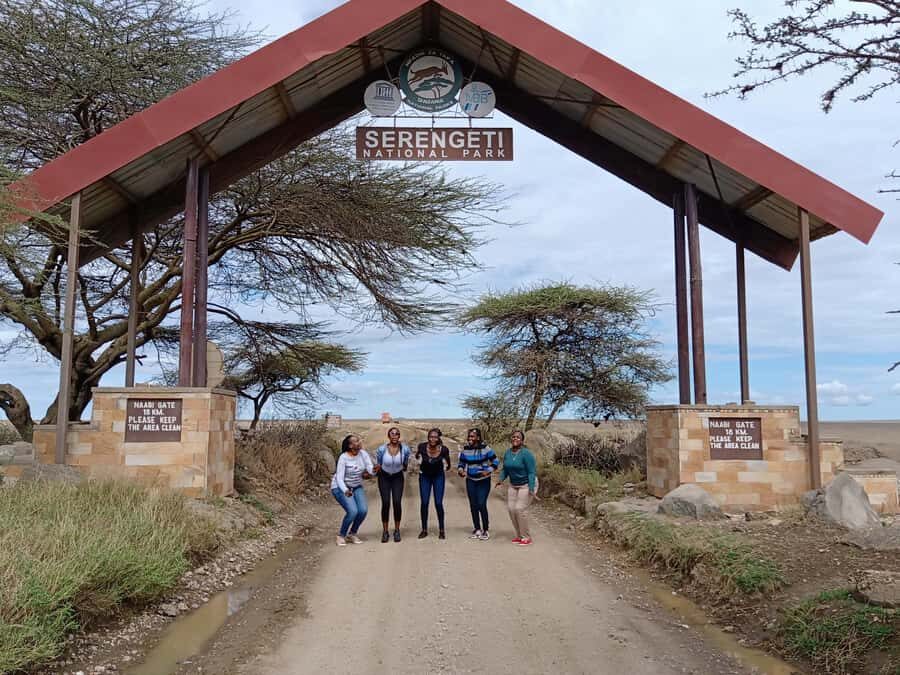
- Pop-top 4×4 spotting setup: You get a raised roof and a clear view angle for game drives, not just sitting low in the vehicle.
- Small-group car experience: With about 6 clients per car plus the driver and chef, it’s easier to move as a unit and still feel personal.
- Migration and birdlife timing: You’re tuned toward wildebeest, zebra, and lots of birds, including Eurasia migrant species.
- Ngorongoro’s concentrated wildlife payoff: The crater drives are where you often feel the big “wow” because animals cluster in a smaller area.
- Camp comfort is simple: Sleeping bags are included, but you should expect very basic camp facilities, including basic toilet setups in Serengeti camps.
Serengeti plus Ngorongoro in 4 days: the smart combo
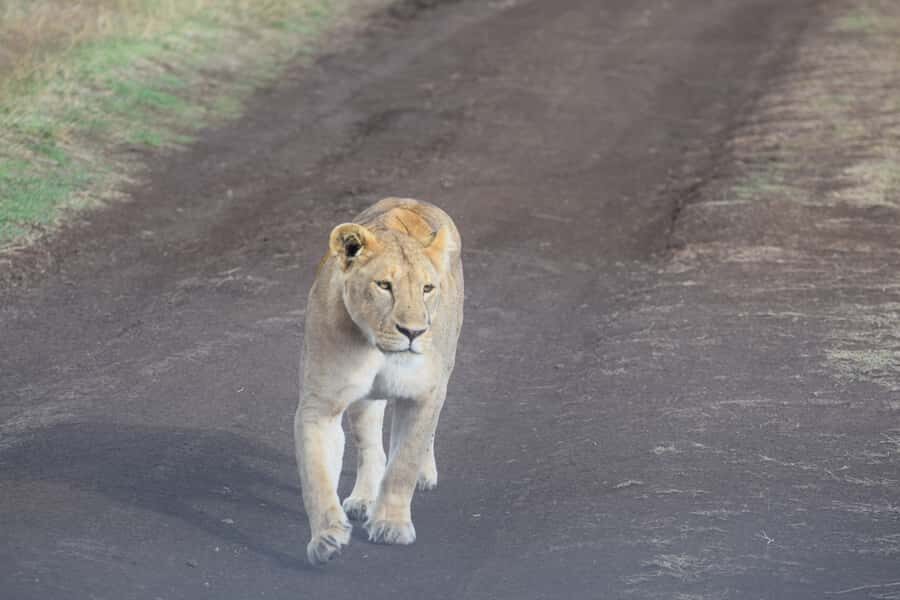
If you’re short on time but still want top-tier wildlife, this route makes sense. Serengeti gives you wide-open plains where you can catch herds moving, predators hunting, and birds doing their seasonal stuff. Then you switch to the Ngorongoro Crater floor, which feels more like a wildlife arena—smaller, enclosed, and packed with sighting opportunities.
In real-world terms, this combo is efficient. You’re not just seeing animals. You’re seeing two different ways Tanzania shows off wildlife: movement across endless plains, then animals gathered in a tighter bowl. Even on days when the plains feel slow, Ngorongoro has a way of turning the dial back toward action.
A few more Arusha tours and experiences worth a look
Getting from Arusha to the parks: pickup and how you’ll travel
You start with hotel pickup in Arusha in the morning. Your guide/driver collects you from your hotel or private residence inside Arusha (and you may also be able to get an airport handoff the day before for an extra cost). This matters because Arusha is where you stage before the long park drives.
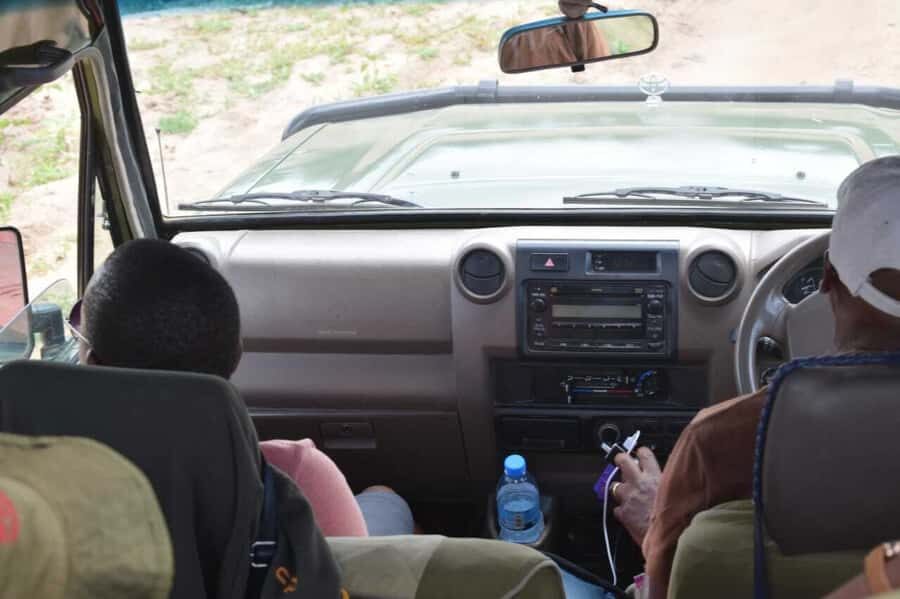
You’ll travel in a 4×4 Land Rover with a pop-up roof. That sounds like a gadget feature, but it’s actually practical. When you’re scanning for lions, leopards, hyenas, or birds in trees, a higher viewing position helps you spot movement sooner and see over tall grasses without constantly shuffling around.
And yes, you get a guaranteed window seat. That’s a small detail, but it saves energy on game drives. You don’t have to wait for the best side of the vehicle or argue about where to sit when the driver slows down.
Day 1 in Serengeti: your first game drive and night under canvas
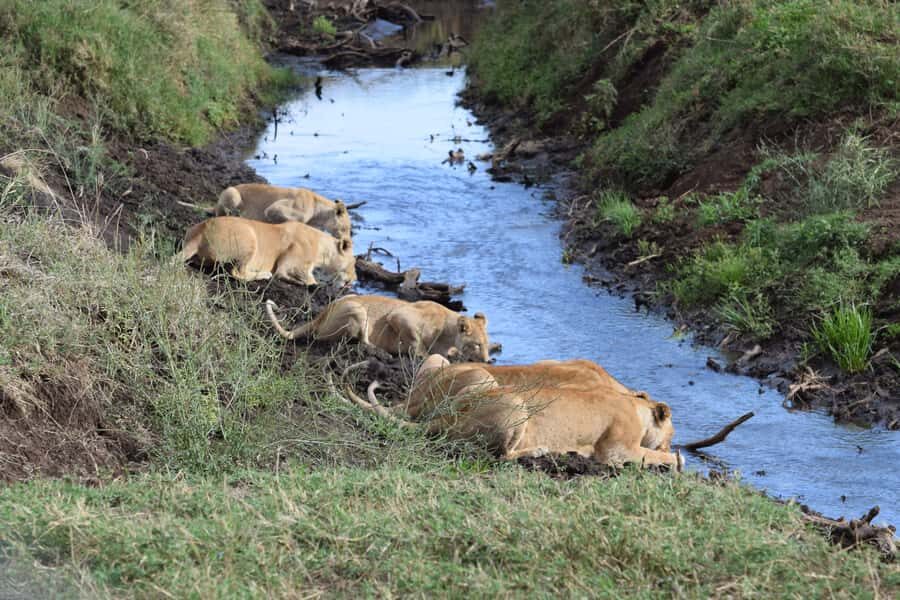
Day 1 starts with pickup from Arusha and driving to Serengeti National Park. You get a complimentary packed lunch, then a game drive en route to the campsite. That first day is about orientation: learning how your guide reads the terrain and where animals tend to be active at different times.
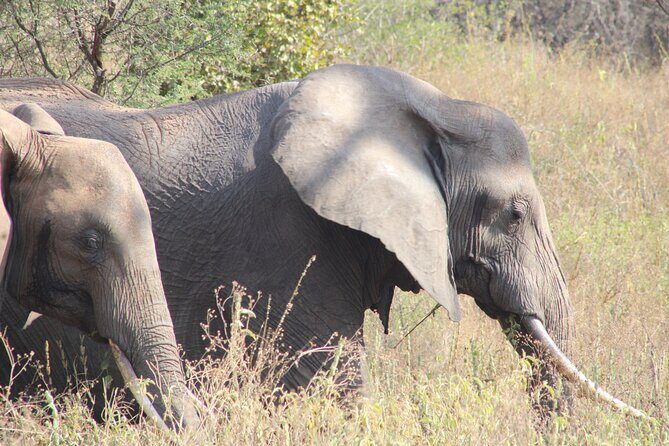
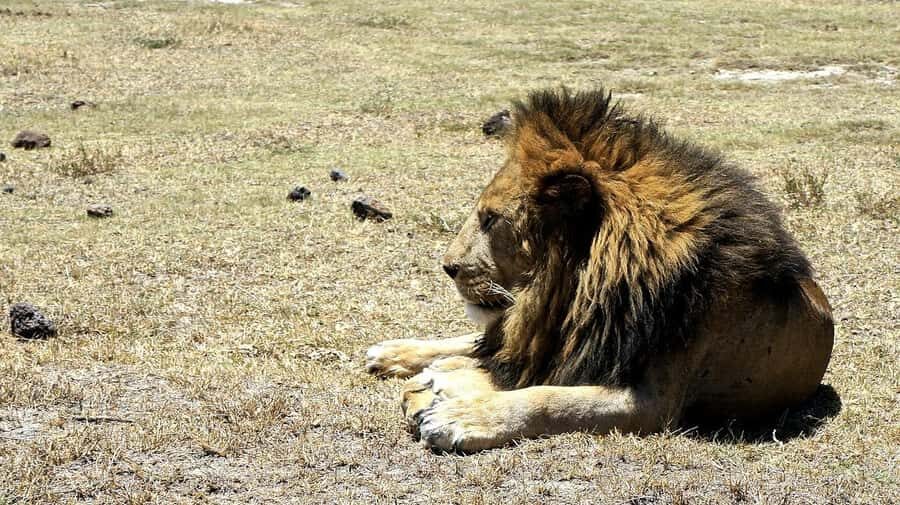
Once you reach Serengeti, you’re in the World Heritage setting famous for wildlife density and the migration story. You’re not promised every animal every moment—nature doesn’t do checklists. But the park is home to the big predators and a huge variety of grazing and browsing animals, including lions, leopards, elephants, cheetahs, buffaloes, zebras, wildebeest, gazelles, eland, and wild dogs. Crocodiles and many birds are part of the mix too.
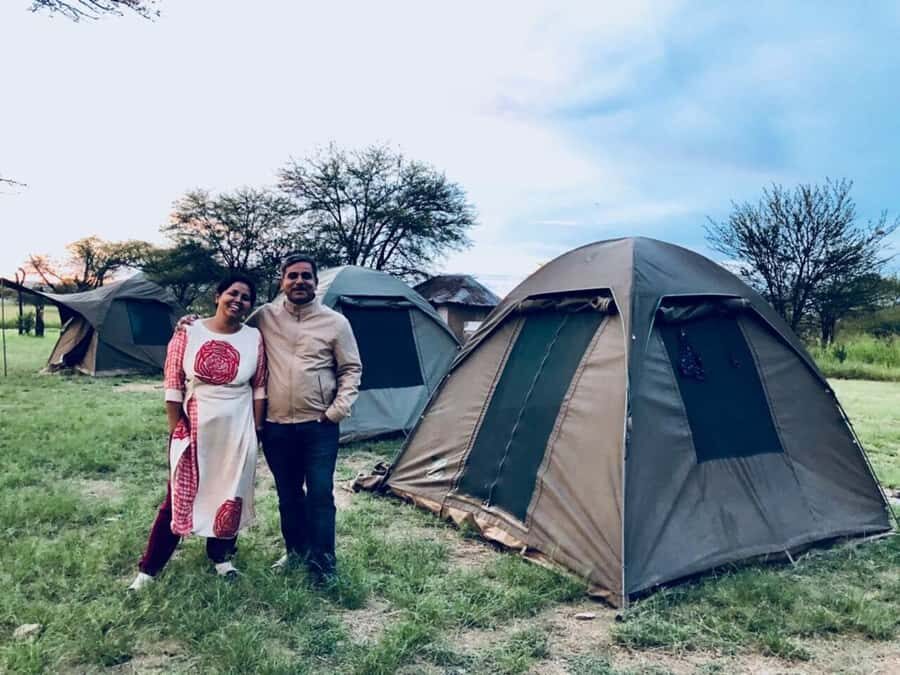
That night you sleep in a tent at the camp. Sleeping bags are provided, which removes one big logistics headache. Dinner is served at camp, then you turn in. It’s a great time to reset your expectations: this is camping safari living, not a hotel vacation.
Day 2: a full day of Serengeti drives with migration pressure
After breakfast, it’s wide-ranging morning and afternoon game drives. This is where the safari earns its reputation. Serengeti rewards patience. Your guide’s job is to locate flocks of migrant birds and herds moving across the plains, then pivot quickly when something interesting appears.
You’ll spend time looking for carnivores like big cats and hyenas, plus lots of bird activity. The migration is a headline attraction: wildebeest and zebra moving through the ecosystem is dramatic, and it also draws predators. When the herds are clustered, you get more chances at the full chain—grazer activity, predator stalking, and opportunistic scavengers.
One thing to know: Serengeti is vast. Even with good guiding, there can be long stretches of driving. One past traveler noted many hours and kilometers on the Serengeti side, with some days that felt less exciting than hoped. That doesn’t mean the safari is poor; it means this park is huge and sightings can be cyclical.
The practical fix is mindset and preparation. Bring snacks for the rough edges, keep your camera ready, and don’t expect every hour to be a roar-and-lion moment. This is the day you’ll either love the chase—or you’ll wish you had shorter driving blocks.
Day 3: toward Ngorongoro, with an optional Olduvai Gorge stop
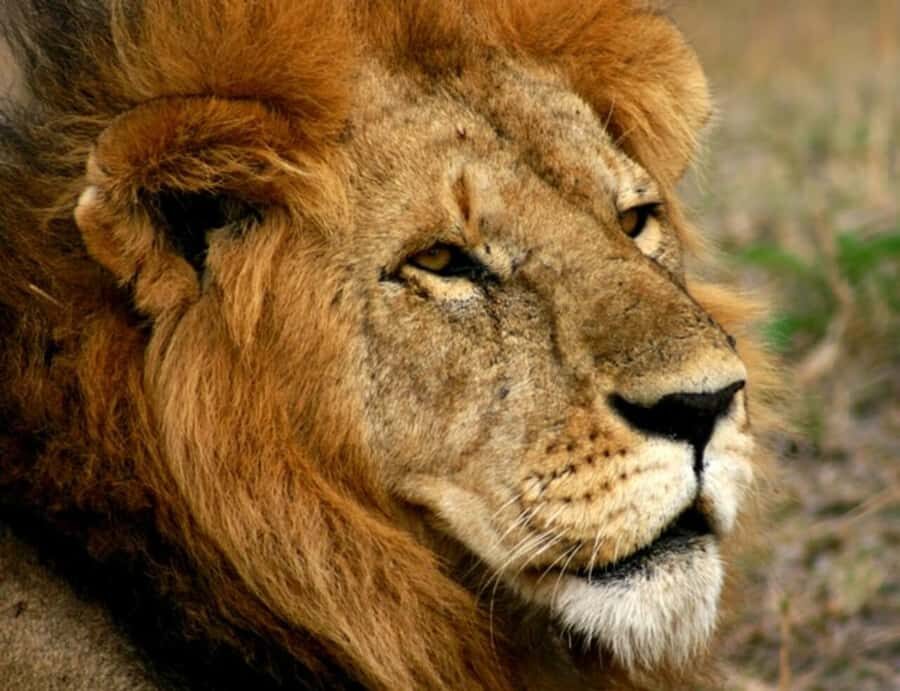
You’ll leave Serengeti after breakfast and head toward Ngorongoro. There’s an optional visit to Olduvai Gorge for an extra fee to see the museum. This is one of those add-ons that can turn your safari into a double-feature: wildlife now, deep-time human history later.
Even if you skip it, the main idea of Day 3 is the transition. You’re changing the ecosystem and the type of wildlife viewing, which is why this itinerary works well. You aren’t just repeating the same terrain and hoping it changes.
You’ll spend the night at Ngorongoro “A” Campsite. It’s still camping-style, just in a new setting. Expect nighttime quiet broken by the occasional sounds you’ll hear when you’re closer to nature than to city life.
Day 4: crater-floor drives, Soda Lake flamingos, and the best chance at “more”
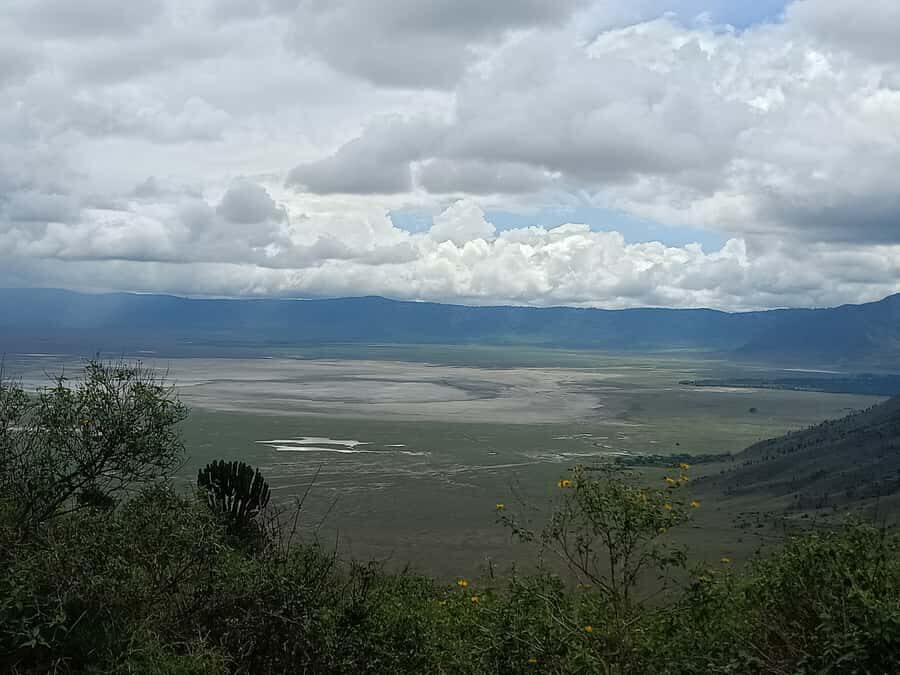
Ngorongoro Crater is the closer on this trip. You have an early breakfast, then descend to the crater floor for game drives. This part tends to feel different right away. The crater is smaller than the plains, and animals often show up in more concentrated patterns because the habitat funnels them.
One highlight: Soda Lake. You’ll have a chance to see flamingos there, plus geese, storks, and vultures around the area. These are the kinds of sightings that add variety beyond the classic Big Five chase.
Later you’ll break for lunch at Ngoitoktok Springs picnic site. After lunch, you continue with game viewing while ascending from the crater. That final drive period can be a nice payoff, because you’ve already had the crater floor action and you’re building on it with more chances to spot animals while moving back up.
A prior traveler specifically called out that Ngorongoro felt less monotonous than the Serengeti day structure, mainly because the area is tighter and animals concentrate. That’s the logic behind craters: fewer miles to cover in a smaller world, which can mean more “there it is” moments.
Camping setup: tents, sleeping bags, and what you should pack
You get 3-night accommodation in a tent plus sleeping bags, and you’ll sleep at camps in Serengeti and then at Ngorongoro “A” Camp. The included sleeping bags remove one of the most annoying things about camping safaris: hauling gear.
What you should pack anyway:
- A warm layer for early mornings and nights (even in warm regions, nights in higher or open areas can feel chilly).
- A flashlight or headlamp so you don’t wrestle with darkness when nature wakes up.
- Sunscreen and a hat. You’ll spend lots of time outdoors.
- Dry-bag protection for your phone/camera so dust doesn’t get into everything.
- Comfortable shoes for camp areas. The tent floors and paths aren’t designed for sneakers-on-a-runway.
One note from a past experience: toilet setups in Serengeti camps were described as very basic. That tells me to treat this safari as “camping practical,” not “camping luxury.” Plan for simple facilities and keep a small personal hygiene routine in your day bag.
Food and daily timing: included meals, bottled water, and the long-day reality
Meals are included as per the itinerary, and bottled water is provided. That’s helpful because hydration matters when you’re sitting in the vehicle scanning for hours.
Cooking quality can make or break a camping safari. In the feedback I saw, chefs like Christian and Musa were singled out as excellent. That’s big. When your day is long and you’re outdoors all day, a well-run camp kitchen turns the whole experience into something you look forward to.
Still, food timing can be tight. One past traveler noted going more than 6–7 hours without eating from breakfast to lunch and wished for more snacks. You don’t want your safari day to become a low-energy drag. My advice: pack a few energy bars or small snacks you can grab quietly between drives. You’ll still enjoy the included meals, but you won’t be stuck feeling hungry during long stretches.
Also remember: drinks are not included. If you like soda, beer, or other beverages, set expectations now and carry cash for your own purchases.
Guides, spotting skills, and how the small-group setup affects your day
This is a shared-group safari with only about 6 clients in the car, plus the driver and chef. That small group number changes the vibe. You’re not fighting for seat space or yelling across rows. It also helps when the driver needs to reposition quickly.
Guide quality matters a lot here, because spotting wildlife is half science and half reading the land. Some named guides from past trips—Ali and Thomas—were praised for finding animals and driving well. That’s the difference between “we drove through the right area” and “we actually saw stuff.”
The chef role is equally important because you’re camping. Christian and Musa were both highlighted for cooking and keeping the trip well organized. If your goal is an authentic safari feel without eating poorly, that’s a real plus.
One potential drawback: one experience mentioned the guide pushed extra consumption and even announced a minimum pourboire at the end. I can’t assume that’s standard, but it’s a reminder to budget a bit for gratuities and any added on-road purchases. If you’re tight on spending, bring that discipline with you.
Price and value: is $950 a fair deal for this wildlife mix?
At $950 per person for 4 days, you’re paying for a very specific package: park access (entrance fees included), guided driving, a small-group vehicle with a pop-up roof, camping gear (tents plus sleeping bags), and meals plus bottled water.
Here’s how I look at value on a safari like this:
- You’re paying for time in two major ecosystems (Serengeti and Ngorongoro) plus the logistics of getting you there.
- You’re not paying separately for entrance fees.
- You’re not paying to rent basic camping sleep gear.
Where cost can creep up:
- Drinks aren’t included.
- Olduvai Gorge is optional and costs extra if you add it.
- Gratuities and on-road purchases can add up, depending on what your guide asks for and what you decide to buy.
If you’re the kind of traveler who wants the “big wildlife highlights” without DIY logistics—this is likely good value. If you’re expecting a polished hotel experience, or if you strongly dislike camping-grade facilities, then the price won’t feel like a bargain.
Who this safari fits best
This works best for:
- You want a wildlife-heavy trip with a strong chance of seeing the Big Five and many other species.
- You don’t mind camping basics as long as sleeping bags and meals are handled.
- You like the idea of a small group and a dedicated guide/chef team.
It might not fit as well if:
- You want maximum comfort and clean, modern facilities every day.
- You dislike long driving hours between sightings.
- You prefer a more scheduled, low-movement day style (this is a safari; it changes second to second).
Should you book: my practical take
If your dream is to see the Serengeti migration action and then push into Ngorongoro for concentrated crater wildlife—including Soda Lake flamingos—this package is a strong, time-efficient route from Arusha.
I’d book it if you’re comfortable with camping-style nights and you’re willing to bring patience for Serengeti’s huge scale. I’d hesitate only if you know you get cranky about basic toilets, long drive stretches, or limited included snacks.
One last tip: pack a small snack stash, plan for drinks you’ll buy yourself, and take an optimistic view of long game drives. When the sighting hits—on a pop-top roof with a window seat—you’ll feel why this safari is so popular.
FAQ
How long is the safari?
It runs 4 days. You’ll have 3 nights camping.
What does the camping include?
You sleep in a tent and you’re provided with sleeping bags.
Where do you get picked up and dropped off?
You’re picked up from a hotel or private residence in Arusha, and you’re dropped off back in Arusha afterward.
What animals and bird sightings should I expect?
You’ll be in Serengeti and Ngorongoro, so you’re looking for big cats and other wildlife such as lions, leopards, elephants, cheetahs, buffaloes, zebras, wildebeest, hyenas, and more. Ngorongoro includes a chance to see flamingos at Soda Lake and other birds nearby.
Is Olduvai Gorge included?
There’s an optional Olduvai Gorge visit to the museum for an extra fee.
What’s the group size like?
It’s a shared group safari with about 6 clients in the car, plus the driver and chef.
What’s included in the price?
Entrance fees, guided safari, hotel pickup and drop-off in Arusha, 3-night tent accommodation, sleeping bags, bottled water, and meals as per the itinerary.
Are drinks included?
No. Drinks are not included.
Is there an advantage to the pop-up roof vehicle?
Yes. The 4×4 Land Rover has a pop-up roof for game viewing, and you also get a guaranteed window seat for easier spotting.
What’s the cancellation and payment flexibility?
Free cancellation is available up to 24 hours in advance for a full refund, and you may be able to reserve with pay later.