REVIEW · ARUSHA
7 Days Tanzania Mid-range lodge safari
Book on Viator →Operated by Inno Africa safaris · Bookable on Viator
Five parks, one tight plan. This mid-range Tanzania safari is interesting because you pack major parks into one efficient route, with a private guide whose job is to help you find wildlife. I like the way the days are organized around real spotting time instead of endless setup, and I like that you’re in a custom 4×4 built for rough roads. One drawback to plan for: lodge assignments can change if a property has issues, so it’s smart to confirm the lodge category you’re paying for before you go.
I also like the calm, no-drama structure of a guided circuit. You get a safari briefing up front, then you’re in the driver-guide’s hands for game drives, park stops, and transfers, with a picnic lunch on the way into Lake Manyara and a stay pattern that includes lodges with big views.
In This Review
- Key Highlights You’ll Actually Feel on Safari
- How This Private 4×4 Safari Circuit Works Day to Day
- Route Map in Real Life: Arusha to Manyara, Ngorongoro, Serengeti, and Olduvai
- Day 1: Lake Manyara Picnic Lunch and Isoitok Manyara Camp Views
- Day 2 at Lake Manyara: Game Drive or Ethno-botanical Walks
- Day 3: Karatu Farms to Ngorongoro Rim Lodging and Afternoon Crater Drives
- Serengeti Plus Olduvai Gorge: Context by Day, Wildlife by Night
- What Full Board Means for Your Time (and Your Budget)
- Wildlife Spotting: Why the Guide and Vehicle Change Your Chances
- Price and Value: What $3,300 Actually Buys You
- Packing and Timing Tips That Keep You Comfortable
- Should You Book This 7-Day Mid-range Safari with Inno Africa Safaris?
- FAQ
- What parts of Tanzania are included on this safari?
- Is this safari private?
- Does the price include meals and accommodation?
- What costs extra beyond the $3,300 price?
- Can I request vegetarian meals?
- What is the cancellation policy if I need to change plans?
Key Highlights You’ll Actually Feel on Safari
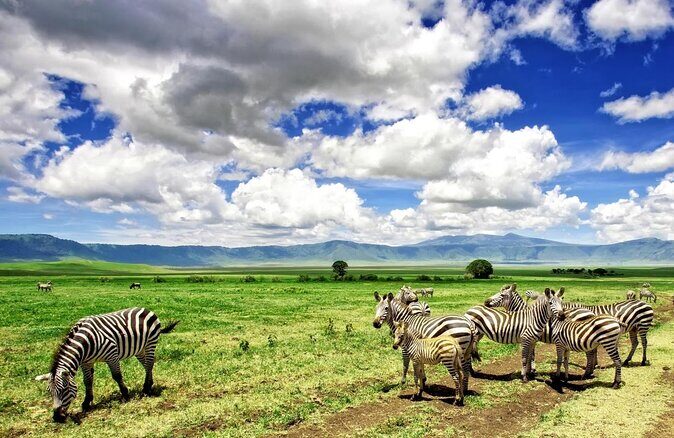
- Private safari vehicle with an English-speaking driver-guide for better flexibility and more eyes on the wildlife
- Lake Manyara picnic day plus rim-view evenings from Isoitok Manyara Camp
- Ngorongoro crater rim lodge sleep with an afternoon drive on the crater floor
- Olduvai Gorge stop before Serengeti so you get context, not just sightings
- Time in Serengeti with an adventure camp inside the park and night sounds included
- Vegetarian option available if you request it when booking
How This Private 4×4 Safari Circuit Works Day to Day
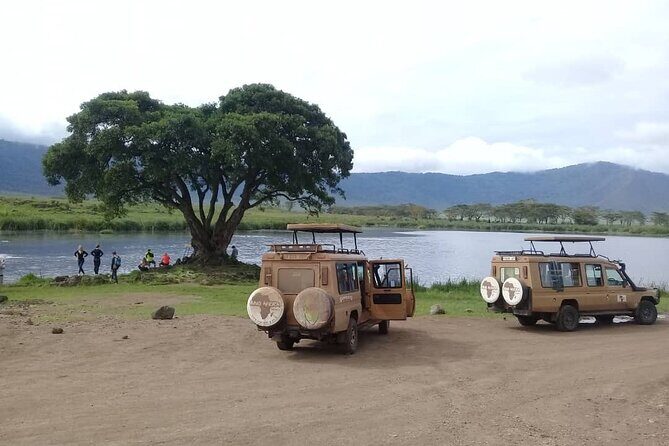
This is the kind of safari where logistics are handled for you. You’ll start with an included briefing, then spend your energy where it matters: early game drives, long drives between ecosystems, and downtime that doesn’t feel like wasted travel.
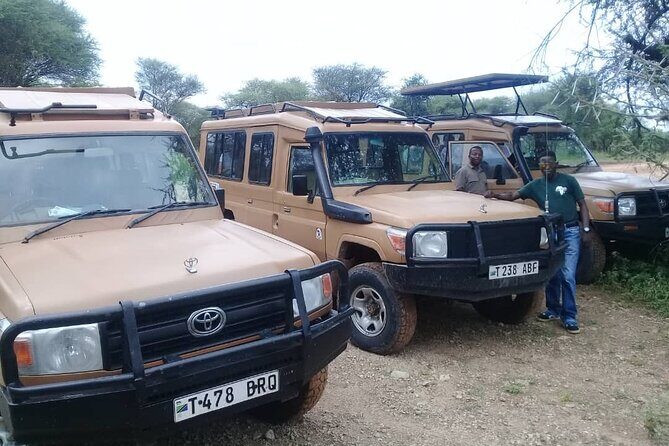
You’ll move in a custom built 4×4 Safari Land Cruiser, and it’s driven by a professional English-speaking driver-guide. That matters because in parks like these, roads can be rough, and tracks can be unpredictable. When you’re in the hands of someone who drives often and watches the scene, you tend to lose less time.
The trip is also positioned as mid-range, which usually means you get a step up from basic camping without paying for the most expensive ultra-luxury tier. The schedule includes full board, plus transfers from and to the airport, so the daily rhythm feels simple: wake up, drive, eat, sleep, repeat.
A few more Arusha tours and experiences worth a look
Route Map in Real Life: Arusha to Manyara, Ngorongoro, Serengeti, and Olduvai
Your week is built around a classic northern safari circuit centered on Arusha and the parks around it. The overall route is described as covering Arusha, Tarangire, Lake Manyara, Serengeti, Ngorongoro Crater, and Olduvai Gorge.
What’s especially useful is that you’re not guessing your way between places. The plan strings together different “worlds” that sit next to each other: the Rift Valley side of things at Lake Manyara, the crater rim environment around Ngorongoro, and then the big plains of Serengeti with serious wildlife density.
And yes, Olduvai Gorge is included on the way into Serengeti. You get a stop at the cradle of mankind, which gives the whole trip a deeper sense of place beyond the animal sightings.
Day 1: Lake Manyara Picnic Lunch and Isoitok Manyara Camp Views
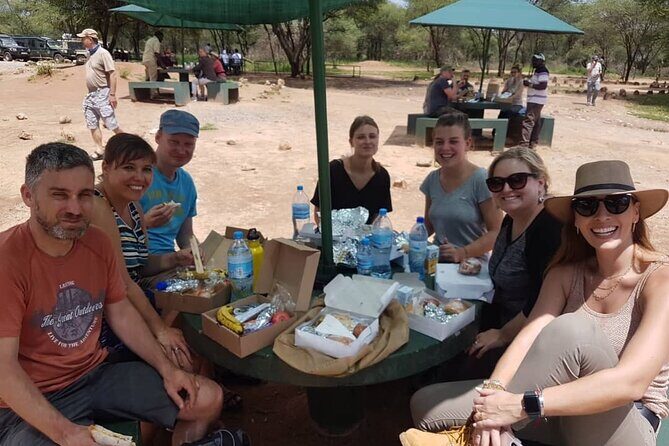
You’ll leave Arusha in the morning and head toward Lake Manyara National Park. The day starts with a picnic lunch you’ll enjoy in the park, which is a small detail that pays off. You’re not doing the “drive, grab a snack, lose an hour” routine.
Lake Manyara is also described as part of a UNESCO biosphere, and the point of the first game drive is to introduce you to a variety of big game. The plan specifically mentions lions through elephants, which is a hint that the guide will scan widely rather than chase one type of animal.
By early evening, you continue up the Rift Valley escarpment to Isoitok Manyara Camp. The camp is set on a hill with panoramic views of the Great Rift Valley and Lake Manyara area. After a long day in the vehicle, those views help you shift from safari mode into “wow, this is real” mode.
Day 2 at Lake Manyara: Game Drive or Ethno-botanical Walks
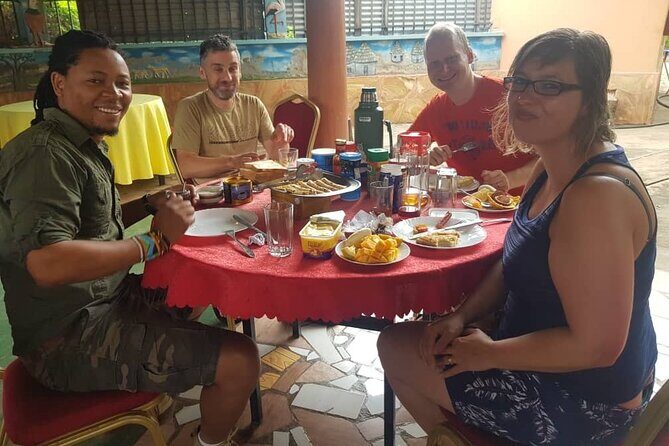
Day 2 keeps you in Lake Manyara National Park, which is a smart move if you want a better shot at sightings. One game drive is never a guarantee. Two drives increase your chances, and it also helps you see different animals as the light changes.
The day includes options. You can choose guided ethno-botanical walks at the top of the Rift escarpment, or you can return for another game drive. Other activities are listed too, like mountain biking, hiking, cultural village walks, guided nature and forest walks, with some at an additional charge.
This is where your guide becomes more than a driver. A good driver-guide helps you make the call based on your priorities and the conditions that day. If you want maximum wildlife time, you’ll likely lean toward game drives. If you want local perspective and a break from vehicle hours, those walks are worth considering.
Day 3: Karatu Farms to Ngorongoro Rim Lodging and Afternoon Crater Drives
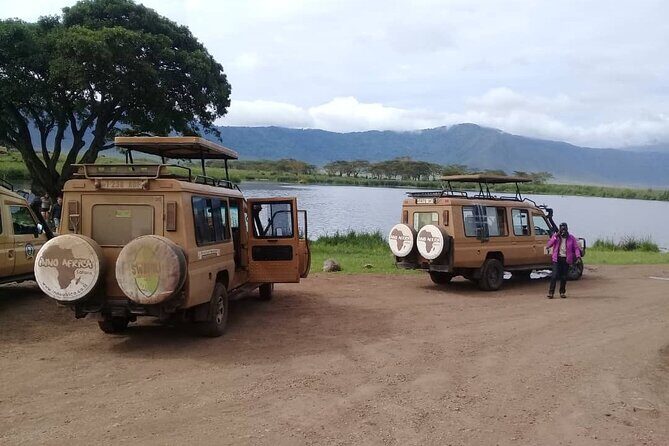
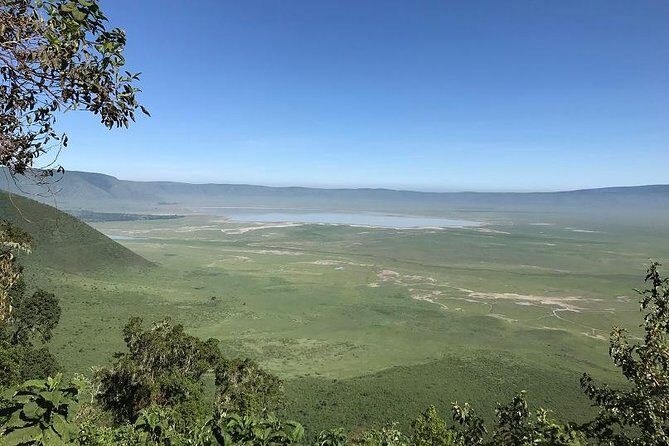
Today the route bends from everyday farming country into a dramatic natural stage. You drive through the farming areas of Karatu, then head toward the rainforest rim of Ngorongoro Crater.
You arrive at the lodge for lunch, then you head out for an afternoon game drive on the crater floor. Afternoon can be a strong time for animal activity because temperatures start to soften and animals shift positions. Also, Ngorongoro’s crater setting creates a different feel than the open plains, so the experience stays varied.
You’ll sleep at a lodge on the rim with fantastic views. That’s not just a photo moment. Sleeping on the rim means you’re positioned for easy crater access the next day and you get that high, open-air feeling at night.
A few more Arusha tours and experiences worth a look
Serengeti Plus Olduvai Gorge: Context by Day, Wildlife by Night
Your Serengeti day starts with a drive into Serengeti National Park, and you stop en route at Olduvai Gorge (the cradle of mankind). This stop is a nice balance point. Before you spend days chasing animals across the plains, you get a reminder that people have been connected to this region for a long time.
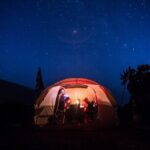
Then you move fully into Serengeti mode. The plan describes three days of Serengeti time, with the camp set up actually in the park. That detail matters because it changes the “feel” of the night. Instead of heading out to a distant hotel, you stay where the environment stays alive after sunset.
The schedule also notes that at night, the sounds of Africa are guaranteed. In practical terms, expect an energetic mix of night calls and animal movement. Bring earplugs if you’re a light sleeper. It’s not a luxury complaint; it’s just preparation.
What Full Board Means for Your Time (and Your Budget)
Full board here is a big value driver. Included are accommodation while on safari, plus breakfast and lunch and dinner on the safari days listed. Bottled water is also included.
This matters because water, meals, and small incidentals can add up fast on a multi-day safari, especially in remote areas. When the plan covers it, you don’t spend every day calculating what you can afford in-between drives.
Drinks are the main gap. Alcohol and non-alcoholic drinks aren’t included, and tips aren’t included either. That means you should plan on budgeting extra cash for:
- bottled drinks beyond what’s supplied
- alcohol if you drink it
- gratuities for guide and lodge staff
Also, one caution from the operator’s past guest experiences: lodge downgrades can happen when a property is under construction. The company response in those cases mentions changes and compensation, but your best move is still the boring one—confirm your lodge category and what happens if a camp can’t operate as planned.
Wildlife Spotting: Why the Guide and Vehicle Change Your Chances
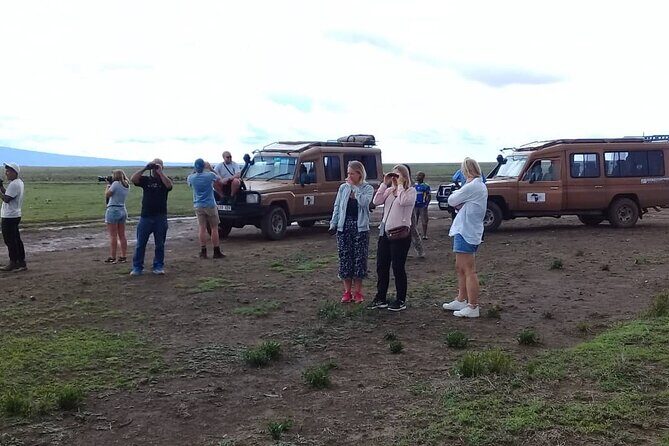
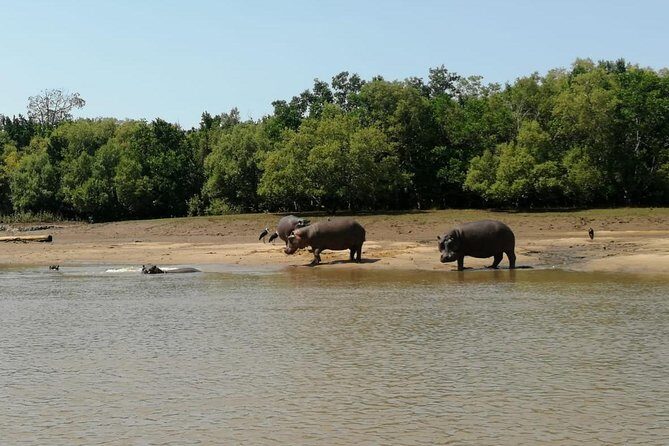
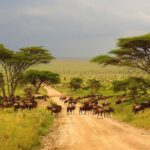
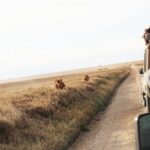
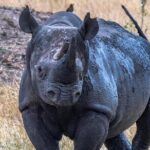
This tour is built around wildlife success, and it states the goal plainly: lions, elephants, leopards, rhinos, and giraffes. You won’t control what you see, because wildlife doesn’t follow schedules. But you can control how hard you try and how well you read the terrain.
A professional driver-guide in a custom 4×4 is a big part of that. It allows you to get off smoother roads and follow tracks when the guide thinks it’s worth it. It also means you’re not stuck in a long line at the wrong moment or arriving late to a kill zone.
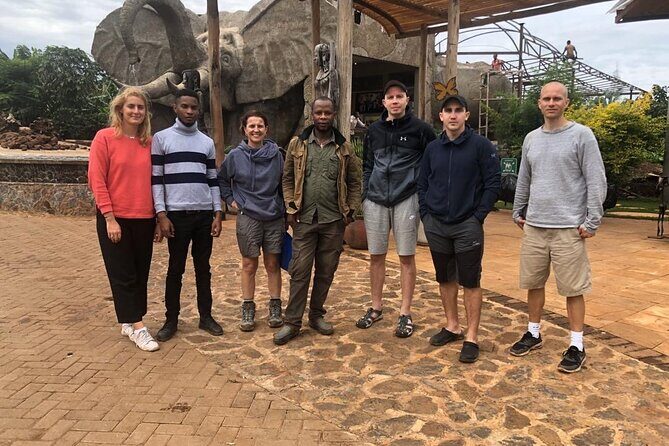
The human element matters too. Many past experiences with this operator highlight guides who work hard and share real animal knowledge. Names that have shown up include guides such as Inno, Lazaro, Joseph, Samson, and Peter. You might not get the same person, but you can expect the operator to try to match your pace and your questions to the right guide.
A practical tip: if you’re the type who asks questions, do it early. The first day is when you’ll get the biggest payoff from a guide’s explanations. I’ve found that once you understand what you’re watching—tracks, movement patterns, and which areas to focus on—you spot more without forcing it.
Price and Value: What $3,300 Actually Buys You
At $3,300 per person, this is not a budget safari. It’s priced like a mid-range, private circuit that includes real infrastructure:
- custom 4×4 vehicle for drives
- a professional English-speaking driver-guide
- full board accommodations while on safari
- airport transfers
- a safari briefing
- bottled water
That’s where the value comes from. You’re paying for time efficiency and reduced decision fatigue. In a region like this, a lot of the hidden cost is stress: arranging guides, mapping routes, and losing daylight to logistics. Here, the schedule already handles those parts.
What’s not included is also clear. You’ll pay extra for:
- international airfares
- entry visas
- alcohol and other drinks
- gratuities
- Serengeti balloon flight (listed at USD 560 per person)
My advice on value: if you want a private experience and you like knowing that meals and lodging are taken care of, this price starts to look reasonable. If you’re mainly focused on cheap wildlife time and don’t care about comfort or a dedicated guide, you can find cheaper joining safaris. But you trade away convenience and personal attention, which is a big part of what makes a private circuit feel worth it.
Packing and Timing Tips That Keep You Comfortable
Even without a formal packing list, safari comfort is predictable:
- Wear layers. Morning and evening can feel cooler than midday.
- Pack sun protection. Long drives mean more exposure than you expect.
- Bring a camera strap or a secure pouch. Dust and bumpy roads are real.
On the comfort side, the included lodge plan helps. You’re not eating on the run every day, and you’re not searching for where to sleep at the end of a long drive.
Also, remember you’ll cross different environments over the week. It can help to keep a small day kit: water bottle (even if you’re provided bottled water), snacks if allowed, and your essentials ready before you leave camp.
Should You Book This 7-Day Mid-range Safari with Inno Africa Safaris?
Book it if you want:
- a private safari experience with a dedicated driver-guide
- a fast route that hits key northern parks
- included meals and lodge stays so you’re not juggling logistics
- a guide-led focus on wildlife opportunities, including lions, elephants, leopards, rhinos, and giraffes
Think twice if:
- you have strong lodge expectations tied to a specific room category and you dislike any chance of changes due to property issues
- you don’t want to budget extra for drinks and tips
If you’re flexible and you’re okay with a safari that plans hard but wildlife decides what happens, this trip fits well. The structure is strong, the vehicle setup is built for game drives, and the park-to-park pace keeps the story moving without dragging.
FAQ
What parts of Tanzania are included on this safari?
The route is described as covering Arusha, Tarangire, Lake Manyara, Serengeti, Ngorongoro Crater, and Olduvai Gorge, plus time around Arusha at the end.
Is this safari private?
Yes. It’s listed as a private tour/activity, so only your group participates.
Does the price include meals and accommodation?
Yes. Full board accommodation on safari is included, along with breakfast, lunch, and dinner during the safari days listed.
What costs extra beyond the $3,300 price?
International airfares, entry visas, all alcoholic and non-alcoholic drinks, gratuities (tips), and optional balloon flight in the Serengeti (listed at USD 560 per person) are not included.
Can I request vegetarian meals?
Yes. A vegetarian option is available if you advise at the time of booking.
What is the cancellation policy if I need to change plans?
Free cancellation is available up to 24 hours in advance for a full refund. If you cancel less than 24 hours before the start time, the amount paid isn’t refunded.