REVIEW · ARUSHA
3-Day Tarangire, Lake Manyara and Ngorongoro
Book on Viator →Operated by Go With Me Photographic Safaris · Bookable on Viator
Safari mornings start early. Then the wildlife shows up.
This 3-day Tanzania loop is a smart way to see three very different parks without bouncing around too much. You’ll cover Tarangire elephants, the Ngorongoro Crater floor, and Lake Manyara’s pink flamingoes and tree-climbing lions, all with pickup from Arusha for a small group (up to 6).
I really like the way the timing protects your best wildlife time: the Ngorongoro crater descent comes early and gives you hours on the crater floor. I also like the human touch that shows up in guides—one group had a guide, Noel, who even greeted in Chinese and taught animal names back-and-forth.
One thing to consider: you start at 6:00am, and the crater day is long (about 6–7 hours), so it’s not a sit-back-and-sleep-in kind of trip. Also, while a sleeping bag is provided, bath towels are not, and the first night is camping-style/glamping-style.
In This Review
- Key highlights worth circling
- Why this 3-park safari makes practical sense from Arusha
- Day 1 in Tarangire: first herds, then a full afternoon drive
- The Ngorongoro Crater day: long crater-floor viewing for black rhino odds
- Lake Manyara: tree-climbing lions and pink flamingoes in a smaller park
- Group size, guides, and what an early 6:00am start really means
- Price and value: what $700 buys (and why it feels fair)
- What to pack so safari days feel smooth
- Should you book this safari?
- FAQ
- What time does the safari start?
- Where do you get picked up?
- How many parks are visited and which ones?
- How long is the tour?
- What is the maximum group size?
- What is included for meals and drinks?
- Is park entry included?
- What accommodation is included?
- Are international flights included?
- Can I cancel for a full refund?
Key highlights worth circling
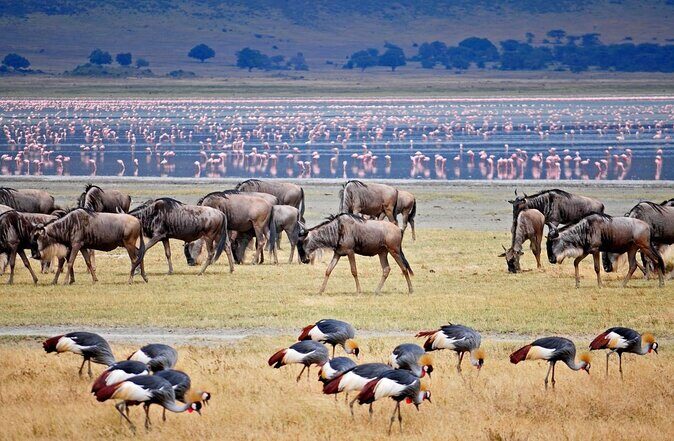
- Tarangire elephants and big herds on game drives that run both morning and afternoon
- Ngorongoro Crater with a full descent and a long crater-floor game-viewing session
- Black rhino and hippos as real target wildlife on the crater floor
- Lake Manyara tree-climbing lions plus birds like pink flamingoes near the lake
- Small group format with a maximum of 6 travelers
Why this 3-park safari makes practical sense from Arusha
If you only have a few days, this kind of route is efficient. You’re not trying to cram in five parks and lose daylight to transit. Instead, you’re doing three parks that each have a signature reason to exist on a safari map.
From a comfort standpoint, the tour includes the big essentials: park fees, transportation, meals, and accommodation (including camping equipment and a sleeping bag). That matters because safari budgets can get messy fast once you start paying one-off costs.
The other reason I like this plan: you’re moving through areas known for predictable “moments.” Tarangire is where elephant groups often feel like the main event. Ngorongoro is the place people plan for black rhino and the crater’s dense wildlife year-round. Lake Manyara is where tree-climbing lions and flamingoes turn a normal drive into bird-and-cat watching.
A few more Arusha tours and experiences worth a look
Day 1 in Tarangire: first herds, then a full afternoon drive
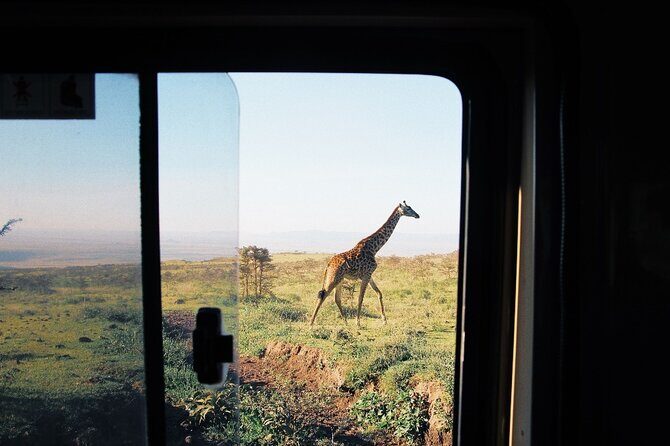
You’ll get picked up in Arusha, then you’ll do a safari briefing before heading into Tarangire National Park. The drive is structured so you arrive with enough time to start seeing animals soon, not just after a long sit in traffic.
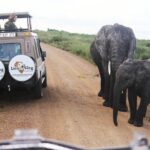
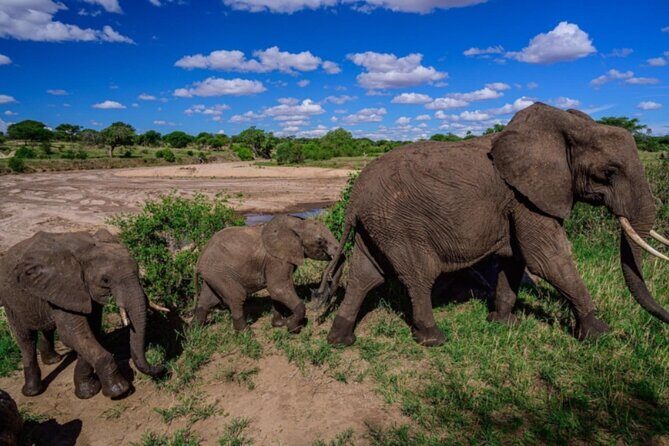
Tarangire is famous for large elephant groups, and that’s the kind of wildlife experience this day is built around. Expect game drives through open areas where you can often see animals gathered in moving groups rather than scattered singles.
After lunch, you continue with an afternoon game drive. That second session is valuable because wildlife behavior changes during the day—what you don’t catch in the morning can show up later, especially when animals reposition toward water and feeding zones.
That night you sleep at Africa Safari Glamping Campsite. A sleeping bag is included, and camping equipment is part of the package, so you’re not left trying to source gear last minute. If you’re used to city hotels, glamping will feel like a fun upgrade, but it’s still an outdoor night in the bush.
The Ngorongoro Crater day: long crater-floor viewing for black rhino odds
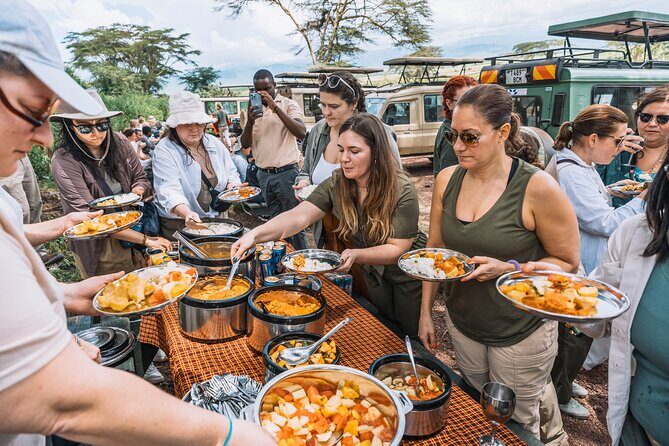
Your second day starts with an early breakfast around 06:00, then you drive toward Ngorongoro. After paperwork, you descend into the crater for a game drive that runs about 6–7 hours, with a picnic lunch while you’re down on the crater floor.
This is the centerpiece of the whole trip. Ngorongoro is a World Heritage Site, and the crater’s water and grazing support a permanent wildlife population through the seasons. Translation: the crater isn’t just a “sometimes” destination. It’s a place built for repeatable sightings—if you put in the time.
The wildlife you’re specifically aiming for here includes black rhino, plus hippos. You can also expect the crater to deliver close, dramatic viewing because you’re driving through one compact bowl of habitat rather than wide-open savanna where animals can be far apart.
Once your crater session ends, you drive on toward Manyara for dinner and an overnight at a budget lodge. This breaks up the long day so you don’t try to sleep immediately after the crater. It also keeps the third day from becoming a second marathon drive.
Lake Manyara: tree-climbing lions and pink flamingoes in a smaller park
On the third day, you transfer to Lake Manyara National Park after breakfast. This park is smaller than some, and that matters for your experience: you can cover more interesting zones without losing too much time on road loops.
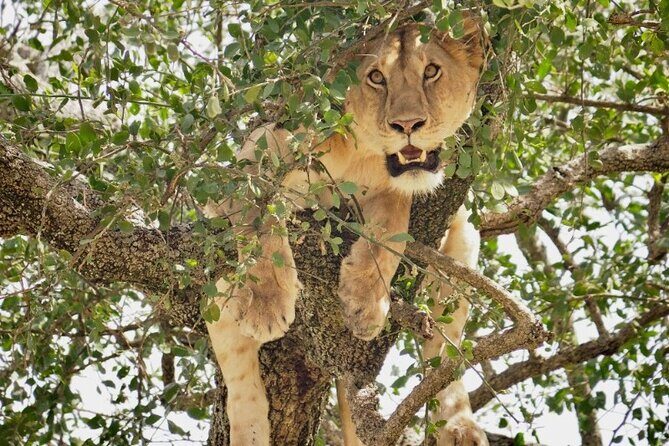
The main quest is the tree-climbing lions. Not every day is guaranteed for every species in a safari, but Manyara is one of the places where that behavior is a known target. If you’re coming specifically for that, this is the day you’ll want to focus your attention and keep your patience.
This is also where bird watching can become the highlight. The tour frames Lake Manyara as a place with a lot of bird activity, and one of the headline birds is pink flamingoes near the lake. Add in baboons, and you get a mix of big-animal moments plus a lot of movement you can spot without needing to be staring into the horizon for hours.
Lunch is served at a picnic site. Then you drive back to Arusha and the service ends. That makes this final day easier to recover from than a full second-night safari schedule, especially if you’re flying the same evening or the next day.
Group size, guides, and what an early 6:00am start really means
This tour runs with a maximum of 6 travelers. That’s a good size for safari comfort because you’re less likely to feel like you’re packed into a crowd. You also tend to get more flexibility during drives if sightings pop up where the vehicle needs to adjust.
You’ll have a professional driver/guide. Names that came through in guest feedback include Noel and Issaya, and what stood out wasn’t just facts—it was energy and cooperation. One group even had a guide who used Chinese to say hello, talked about animals, and matched the group’s language curiosity. That kind of effort can make a safari feel personal instead of purely transactional.
Now for the early start reality check. The day begins at 6:00am. You’ll be awake, bundled, and ready for wildlife before your body has fully switched into “travel mode.” That’s normal on safari, but it helps to plan your sleep schedule the night before and bring layers you can adjust in the vehicle.
Price and value: what $700 buys (and why it feels fair)
At $700 per person for roughly 3 days, the value depends on what you’d otherwise pay on your own. In this package, park fees, all activities, and all transportation are included. Meals and drinks are included too, plus accommodation and camping equipment.
That’s important because safari costs often split into categories: vehicle, guides, park entry, food, and nights. If you’re piecing it together yourself, you typically end up paying separately for items that add up quickly.
You’ll also benefit from roundtrip airport transfer being included, and you get pickup from your Arusha hotel. Small details like that can save you time and stress on arrival.
One thing to watch: international flights are not included. Bath towels and tips are not included either. Also, there can be government-imposed increases in taxes or park fees, so it’s smart to keep a little buffer in your mind if the numbers change.
Still, for a three-park safari hitting Tarangire, Ngorongoro, and Lake Manyara with multiple game drives and an overnight camping-style night, $700 can feel like a workable deal—especially because it covers the core costs people usually forget to budget for.
What to pack so safari days feel smooth
This tour includes a sleeping bag and camping equipment, which cuts down on what you need to bring. You’ll still want to handle the basics that aren’t listed as included—especially bath towels, since they aren’t part of the package.
Beyond that, safari days run long and start early, so pack like you’ll be outside for hours. Think layers for cool morning air in the vehicle, plus something comfortable for picnic and lodge transitions.
Also, consider bringing a small notebook or phone notes for animal names you learn on the drive. One standout from guest feedback is how guides made animal learning playful, including teaching animal words across languages. When you remember the names, you spot and identify faster as the day rolls on.
Should you book this safari?
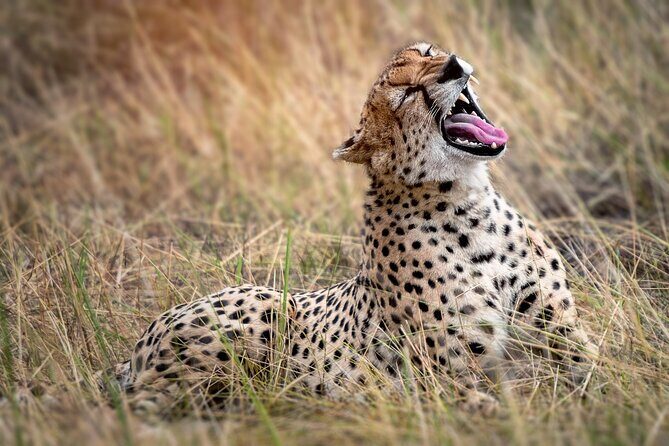
Book it if you want a fast, high-impact Tanzania safari focused on three proven targets: Tarangire elephants, Ngorongoro’s crater-floor wildlife (including black rhino and hippos), and Lake Manyara’s tree-climbing lions and pink flamingoes. The small group size and included transport/food/park fees make it feel easier to manage than cobbling together separate trips.
Skip it or plan carefully if you hate early mornings. The 6:00am start and the long crater day mean you’ll be on the go for a big chunk of each day. Also, if you need hotel comforts like easy towel access, you’ll want to bring what you need since bath towels aren’t included.
If you’re ready for long drives, early wake-ups, and wildlife-focused days, this is a strong way to use limited time around Arusha.
FAQ
What time does the safari start?
The start time is 6:00am.
Where do you get picked up?
Pickup is offered from your hotel in Arusha.
How many parks are visited and which ones?
You visit three parks: Tarangire National Park, Ngorongoro Conservation Area (Ngorongoro Crater), and Lake Manyara National Park.
How long is the tour?
It runs for 3 days (approx.).
What is the maximum group size?
The tour has a maximum of 6 travelers.
What is included for meals and drinks?
Meals are included, along with drinks.
Is park entry included?
Park fees and admission are included, and the tour lists admission ticket free for each day.
What accommodation is included?
All accommodation is included. The first night is at Africa Safari Glamping Campsite, and the second night is at a budget lodge. Camping equipment and a sleeping bag are also included.
Are international flights included?
No, international flights are not included.
Can I cancel for a full refund?
Yes. You can cancel up to 24 hours in advance of the experience’s start time for a full refund. The tour also requires good weather; if it’s canceled due to poor weather, you’ll be offered a different date or a full refund.