REVIEW · ARUSHA
2 Days Tanzania Safaris
Book on Viator →Operated by Rupia Adventure · Bookable on Viator
Two parks, one big wildlife promise. I like how Tarangire leans hard into birding and lesser-seen mammals, then Ngorongoro Crater stacks wildlife into a dramatic, UNESCO setting. The one thing to weigh is that the overnight is a tented-camp setup, so it is not a hotel-style comfort level.
What really sells this trip for me is the smooth feel: Arusha hotel pickup, a small group capped at 15, and professional guiding that keeps you moving with purpose. The driving and spotting are part science, part patience, and you should expect serious effort to find animals, including the kind that are not easy to spot.
You also get practical value baked in: meals on both days, round-trip transfers, and admission tickets are included. Add in a mobile ticket and confirmation at booking, and the whole experience is set up to be low-stress from the start.
In This Review
- Key highlights at a glance
- Why Tarangire plus Ngorongoro fits your time in northern Tanzania
- Getting from Arusha: pickup, timing, and the small-group advantage
- Day 1 at Tarangire: birds, game density, and the park’s distinct character
- The guide’s job on Day 1: finding animals without turning it into a traffic jam
- Night in a tented camp: how to think about comfort and photos
- Day 2 at Ngorongoro Crater: why this UNESCO caldera feels so intense
- Wildlife spotting on the crater drive: density helps, but the guide matters
- Price and value: is $600 fair for two days of parks and a tent night?
- What makes this feel smooth: planning, communication, and group size
- Practical tips so you actually enjoy both days
- Who should book this 2-day safari (and who might want more time)
- Should you book this Tarangire and Ngorongoro 2-day safari?
- FAQ
- What parks are included on this 2-day safari?
- Where does the tour start and what time does it begin?
- Is the overnight stay included?
- Are meals included?
- How big is the group?
- Are park admission tickets included?
- What ticket format do you use?
- What happens if the tour is canceled due to weather?
Key highlights at a glance
- Small-group safari (max 15) so the day does not feel like a cattle call
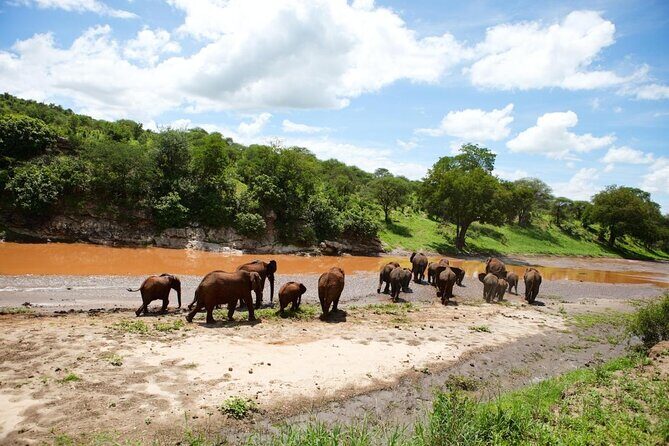
- Tarangire National Park for birds and game, especially strong in peak months
- Ngorongoro Crater UNESCO caldera with famously high wildlife concentration
- Hotel pickup with round-trip transfers starting from your Arusha lodging
- Meals on both days + tented camp night so you are not hunting food or packing for overnight
Why Tarangire plus Ngorongoro fits your time in northern Tanzania
A lot of people rush north and only scratch the surface. This pairing is clever because it gives you two very different safari flavors in just two days: Tarangire’s bird-and-game focus first, then Ngorongoro’s wildlife-dense crater second.
Tarangire is often treated like the “warm-up” park, especially when Serengeti and Ngorongoro grab all the attention. I like it because it does not just feel like a lesser version of the big-name parks. It has its own mood—different habitat, and a chance to spot species that you do not always see elsewhere.
Then Ngorongoro brings the payoff. This UNESCO site is a volcanic caldera, and you are basically visiting one of the most concentrated wildlife settings in Africa. If you want a high probability of animal sightings without needing a longer trip, this is one of the most efficient ways to do it.
A few more Arusha tours and experiences worth a look

Getting from Arusha: pickup, timing, and the small-group advantage

The day starts early—8:30 am—and you get picked up from your Arusha hotel. That matters more than it sounds. When you start with a clean pickup plan, you waste less time on logistics and more time on the road where wildlife might appear.
This is also capped at 15 travelers max, which usually keeps the safari driving more flexible. In practice, that can mean your guide has a bit more room to adjust routes and timing when animals show up or when certain areas are busy.
One more practical point: you’ll use a mobile ticket, and you receive booking confirmation when you book. That reduces the chance of last-minute confusion, especially helpful when your trip involves multiple parks and a tented overnight.
Day 1 at Tarangire: birds, game density, and the park’s distinct character
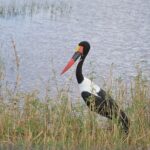
Tarangire is a top pick if you care about birds. This park is known for strong birding, and it is not just about “seeing something.” You can actually get into the rhythm of scanning—small movements, calls, and patterns—because the scenery and wildlife behavior feel different from the parks most people rush to.
On wildlife, Tarangire can be excellent in the peak months, and the best game viewing window runs roughly July through October. If your travel dates fall in that stretch, you are stacking the odds in your favor.
The kind of sightings you should hope for at Tarangire include some of the park’s standout species: dwarf mongoose, oryx, and gerenuk. Here’s the honest part: the information provided also notes that some of those are rare viewings. So you should go in with realistic expectations. You are not buying a guarantee; you are buying a chance to see animals that many routes never quite deliver.
What I like about Tarangire is the “underrated” payoff. Even when you do not clock the headline animals, you still tend to walk away with a different set of memories than a typical northern safari circuit day.
The guide’s job on Day 1: finding animals without turning it into a traffic jam
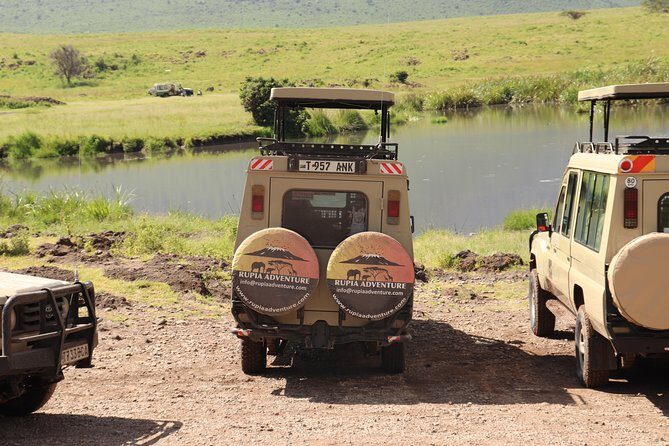
Your guide is not just driving. They are reading the land. Tarangire is smaller than the headline parks, and the best results often come from patience and correct positioning rather than constant movement.
In the feedback tied to this experience, you can see a theme: professional guidance that focuses on locating animals, and—when possible—taking routes that are not crowded. That can make a real difference to your viewing. If you spend less time stuck behind other vehicles, your chance of clean sightlines improves.
Also, pay attention to how your guide explains what you are seeing. The best moments often come right after the animal appears—when your guide tells you what to watch for next. That turns a quick sighting into a real learning moment.
Night in a tented camp: how to think about comfort and photos
This trip includes an overnight in a tented camp. That is exciting for safari lovers, but you should plan your expectations accordingly. You are sleeping close to the bush, not in a polished hotel.
The upside is the vibe. A tented camp night can make the whole circuit feel more connected, like you truly moved with the safari rather than “hopping” between attractions. If you’re the type who loves that outdoorsy feel, you’ll enjoy it.
The information also points to solid accommodation quality, and that can matter because you need to recover for the next day’s crater drive. You do not need luxury; you do need rest, warm layers (if it is cool where you are), and a smooth dinner-to-bed rhythm.
Day 2 at Ngorongoro Crater: why this UNESCO caldera feels so intense
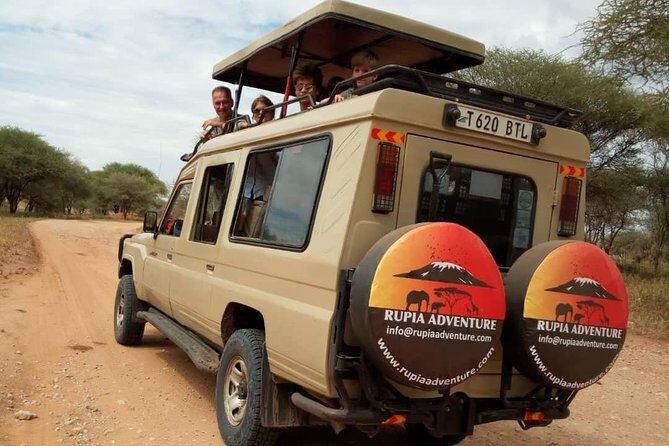
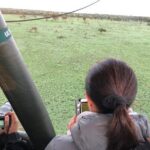
After breakfast, you head to Ngorongoro Crater, a UNESCO World Heritage site. This is one of the best-known places in northern Tanzania for a reason. The crater is a huge, intact volcanic caldera, and the caldera and nearby highlands act like a natural feeding and grazing zone.
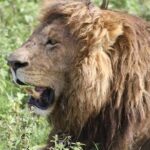
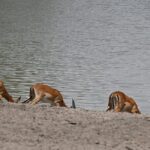
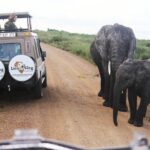
What that means for you is simple: wildlife tends to concentrate. When conditions are right, a large number of animals share the same space, and your guide’s job becomes about timing, vantage points, and slow scanning.
Ngorongoro is also framed in this experience as a place tied to local culture, including the Masaai. I would treat that as an opportunity the region offers, rather than a guarantee that a specific cultural stop happens on your schedule. Still, even when you only see culture from a distance, the wider setting is part of what makes Ngorongoro memorable.
Wildlife spotting on the crater drive: density helps, but the guide matters
Ngorongoro can be fantastic because you do not have to search miles and miles for each sighting in the same way you might elsewhere. That said, the experience is not automatic.
The feedback connected with this tour highlights how the driver and guide put serious effort into animal spotting, including finding a leopard, which is often a harder animal to encounter. That tells me this is not a “slow sightseeing tour” where you stop and hope.
Instead, expect a more active search based on the guide’s experience and the day’s animal movement. And yes, you may also notice a focus on how crowded certain routes can get, with an attempt to use less crowded driving routes when possible.
Price and value: is $600 fair for two days of parks and a tent night?
At $600 per person, this tour sits in the “good value if you compare what’s included” category. The big reason is coverage: it includes round-trip transfers, meals on both days, the tented-camp night, and admission tickets for the two parks.
If you price those pieces separately, you usually discover how expensive safaris become once you add park fees and transport. Here, the bundling makes it easier to understand what you are paying for.
The main thing to consider is also what you are not paying for: you will have to budget your own personal spending like drinks or any optional extras not listed as included. But for a two-day circuit that hits two major parks, the included structure is strong.
What makes this feel smooth: planning, communication, and group size
I care about two things on a safari: clarity and control. This experience checks both.
You get confirmation at booking, a mobile ticket, and pickup from your Arusha hotel, all of which reduce the “where do I go now?” moments that can spoil the first hours of a trip. Then the group cap keeps the experience from turning chaotic.
In the feedback tied to the provider, people also highlight the planning as seamless and the guiding as professional and entertaining. That kind of mix—serious animal knowledge plus a light, human way of explaining—helps because safari days can be long.
Practical tips so you actually enjoy both days
Here are smart, experience-friendly tips that do not require guesswork:
- Start with a buffer mindset. Day 1 is listed at 10 hours, and Day 2 is about 8 hours. That is a long time to be in safari mode, scanning, listening, and sitting in the vehicle.
- Bring what you use for long outdoor stretches: sun protection, a water plan that works for you, and comfortable clothing. Even with meals included, you might still want personal supplies for hydration and comfort.
- On the crater day, be ready for big viewing moments. When wildlife is close, you want to move slowly, stay ready, and let the guide set the pace.
- If you are a birding-first traveler, Tarangire is the day to prioritize your attention. The park’s birding reputation is one of the strongest reasons this itinerary makes sense.
Who should book this 2-day safari (and who might want more time)
This is ideal if you want a focused northern Tanzania hit without burning vacation days. You get Tarangire’s different character on Day 1 and then a crater day that can deliver dense wildlife sightings.
It also fits well if you like a guided experience where someone helps you interpret what you are seeing. The guiding approach here seems built for spotting and explanation, not just driving.
If you are the type who needs a higher-comfort overnight or prefers not to do long days in a vehicle, you might prefer a longer itinerary with different accommodation options. But if you are flexible and safari-first, the tented-camp night can feel like part of the adventure rather than a compromise.
Should you book this Tarangire and Ngorongoro 2-day safari?
I think you should book if your goal is a high-impact northern safari circuit in limited time, with meals, admissions, transfers, and a tented-camp night already included. Tarangire gives you a chance at great birding and a chance at standout species, while Ngorongoro rewards you with a UNESCO setting where wildlife concentration can be excellent.
I would hesitate only if you know you cannot handle tented-camp comfort or long travel days. Also, this experience depends on good weather, so build a little flexibility into your travel plan if you can.
If you want a practical, efficient route that connects two top parks without turning the trip into logistics work, this is a strong match.
FAQ
What parks are included on this 2-day safari?
You visit Tarangire National Park on Day 1 and Ngorongoro Crater on Day 2.
Where does the tour start and what time does it begin?
Pickup is from your Arusha hotel, and the start time is 8:30 am.
Is the overnight stay included?
Yes. You spend the night in a tented camp.
Are meals included?
Yes. Meals are included on both days.
How big is the group?
The tour has a maximum of 15 travelers.
Are park admission tickets included?
Yes. Admission tickets are included for the activities listed.
What ticket format do you use?
You get a mobile ticket.
What happens if the tour is canceled due to weather?
The experience requires good weather. If it is canceled due to poor weather, you will be offered a different date or a full refund.