REVIEW · MOROGORO REGION
Maasai Boma Cultural Tour
Book on Viator →Operated by Mikumi Eco & Cultural Tourism Enterprise · Bookable on Viator
I love how this Maasai boma tour turns culture into a real conversation, not a checklist. You’ll be welcomed into a Southern Maasai family homestead and learn how daily life works, from age-set roles to how homes and healing traditions fit together. It’s short, focused, and built around community benefit through the village development fund.
Two things I especially like: you get pickup so you can show up without hassle, and your ticket supports local development because all fees (including the village development fund) are part of what you pay. That means the visit isn’t just for photos, it’s for people.
One thing to consider: this is a 2-hour village visit, so it’s not a full multi-day immersion. If you’re looking for a long, slow immersion into Maasai routines, you may want to pair it with other time in the area.
In This Review
- Key Highlights You’ll Actually Care About
- Southern Maasai Life in a Real Boma, Not a Performance
- What You Learn Inside the Family Visit
- Melami and the Family-Welcome Feeling
- The One-Stop Flow: From Warm Welcome to Daily Routine
- Dancing and Jumping: Culture You Can Feel
- Price and Value: Why $30.77 Can Make Sense
- Timing, Pickup, and Group Size (So It Doesn’t Feel Rushed)
- Who Should Book This Maasai Boma Tour?
- Practical Tips for a Smooth, Respectful Visit
- Should You Book the Maasai Boma Cultural Tour?
- FAQ
- Where does the Maasai Boma Cultural Tour take place?
- How long is the Maasai Boma Cultural Tour?
- Does the tour include hotel pickup?
- How much does it cost and is the village development fund included?
- How many people are in the group?
- What will I learn during the visit?
- What are the opening hours?
- What’s the cancellation policy?
Key Highlights You’ll Actually Care About
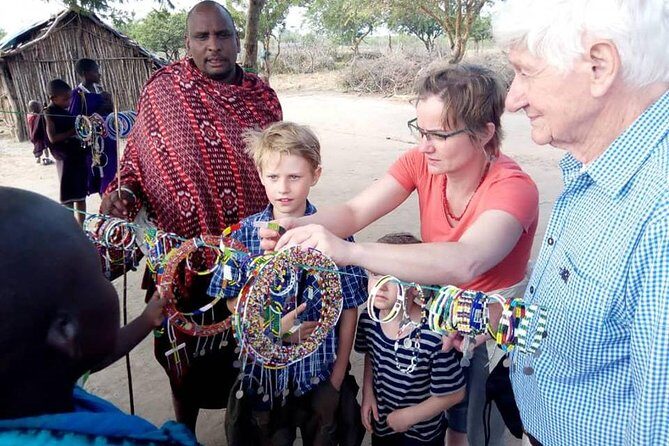
- Village development fund included in the price, so your visit has direct local impact
- Hotel pickup offered, with no need to figure out transport on your own
- Small group size capped at 25 travelers, which keeps the experience more personal
- Southern Maasai family focus, covering language, history, homes, food, and healing methods
- Age-set division of labor and daily routine explanations, not just a quick walk-through
- Welcoming interaction with the feeling of being treated like family, guided by locals like Melami
Southern Maasai Life in a Real Boma, Not a Performance
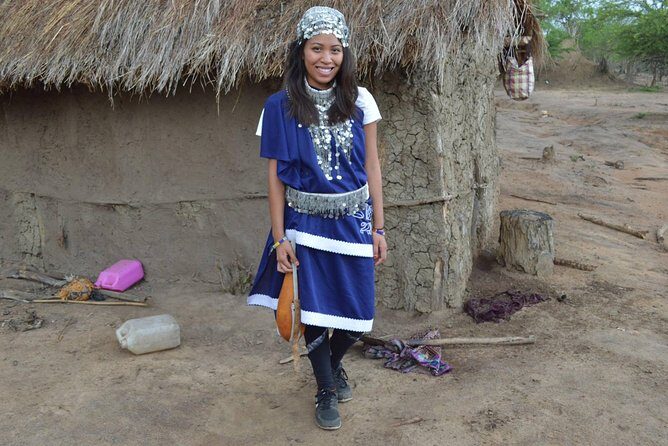
There’s something powerful about visiting a Maasai boma where you’re invited to learn the way a family explains things. This tour takes place in the Morogoro Region of Tanzania, run through Mikumi Eco & Cultural Tourism Enterprise, and the core idea is simple: you’ll meet a Southern Maasai family (a boma) and be taught about daily life in a way that’s meant for guests to understand, not to entertain.
The big value here is that the experience is designed around community benefit. Your ticket contributes to the village development fund, and the tour notes say all fees, including that fund, are part of what you pay. In practice, that shifts the whole tone of the visit. You’re less of a consumer watching a show and more of a supported learner taking part in a community-led welcome.
You can also read our reviews of more tours and experiences in Morogoro Region.


What You Learn Inside the Family Visit
This is not just a “see the house” kind of stop. You’re guided through a set of topics that add up to how life works—past and present, practical and spiritual.
You can expect to learn about Southern Maasai culture in several areas, including:
- Language and how people communicate within the community
- History, including how the culture understands itself
- Homes and indoor living, so you get beyond the idea of nomadic life as a soundbite
- Food and everyday nourishment
- Medicine and healing methods, including how healing traditions are approached
- Daily life, including how work is organized
- The age set division of labor, which is one of the most interesting social pieces because it explains how responsibilities shift as people move through different life stages
One reason I like this structure is that it ties everything together. When you understand who does what, how homes function, and how healing is approached, the culture stops feeling like a list of random facts.
Melami and the Family-Welcome Feeling
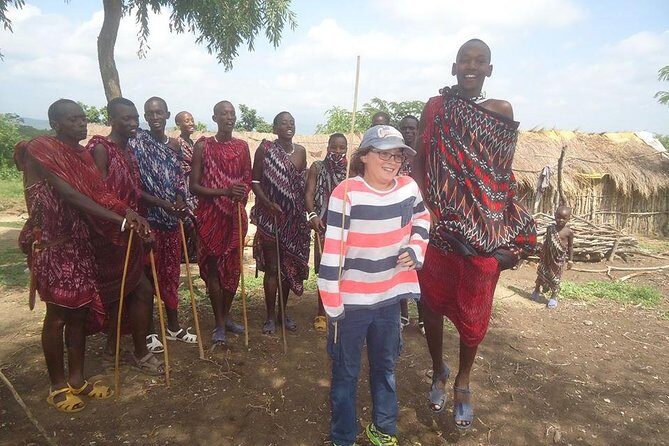
The most memorable part of a cultural tour is often the guide—not because they recite facts, but because they choose what to explain and how to explain it. In the info you provided, the name Melami comes up as a Maasai tour guide who lives in the village, and that matters. A guide who lives there usually answers questions with the calm confidence of someone used to daily life.
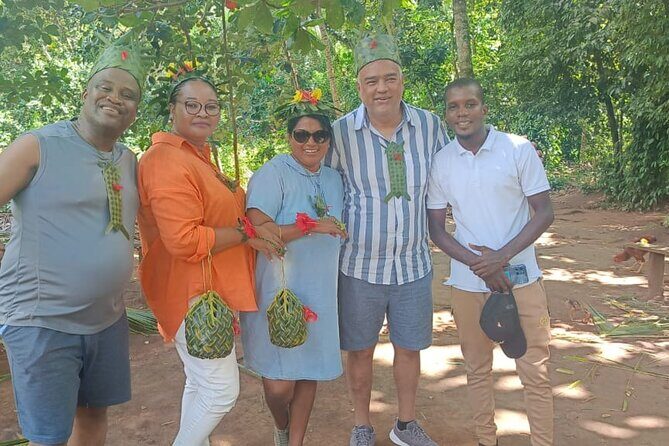
What I’d pay attention to is the tone people describe: not a transactional vibe, but a real welcome. One account you shared mentions that the experience felt like being part of the family rather than just treated like a tourist. Another points to the tour being very personal, even private in feel when the group was just two people.
That means you should arrive ready to ask questions. If you’re curious—how something is made, why a role exists, how healing is practiced—you’ll likely get straight answers.
The One-Stop Flow: From Warm Welcome to Daily Routine
Even though the tour is short, it’s built as a single focused experience: you spend the time with the Maasai family in the boma and learn what daily life looks like.
Here’s what the flow is likely to feel like:
- A warm welcome when you arrive at the family setting
- Orientation to Southern Maasai life, including how the community sees history and roles
- Hands-on explanations about homes, including how people live indoors
- Discussion of food and everyday routine, so you get practical context
- Medicine and healing methods, where questions are welcome
- Time for interaction and cultural expression, including dancing and jumping
Because this is one continuous visit, you won’t spend your energy on changing locations. For a busy itinerary day, that’s a big plus. You’ll also be able to focus your attention and keep asking the questions that come up during the walk-through.
Dancing and Jumping: Culture You Can Feel
Yes, there’s often dancing on cultural visits. But what makes this one worth your time is how it connects to the rest of the story you’re hearing. In the accounts you shared, people highlight dancing and jumping as a real part of the experience—not tacked on as an afterthought.
Expect that the family will involve you in some way during this cultural expression. You don’t need to be a performer to enjoy it. The fun comes from seeing how movement, rhythm, and celebration are part of social life and identity.





Price and Value: Why $30.77 Can Make Sense
Let’s talk money without the hand-waving. The listed price is $30.77 per person for about 2 hours. That can sound like a lot or a little depending on what you expect.
Here’s what makes it feel like good value for many people:
- Hotel pickup is offered, so you’re not paying for separate transport or spending your time sorting logistics
- The tour states all fees are included, including the village development fund
- The group size is limited to up to 25 travelers, which often helps your questions get answered instead of getting lost in a crowd
- The content goes beyond “tourist highlights” and includes medicine, healing methods, homes, and daily life
In other words, you’re not just paying for time in a village. You’re paying for guided explanation and community support that’s part of the package.
Still, keep your expectations aligned: this is a short visit. You’ll learn a lot in two hours, but you won’t see every part of a year of life. If you want that deeper timeline, you may need more days in the region.
Timing, Pickup, and Group Size (So It Doesn’t Feel Rushed)
This tour is designed to work even on a packed schedule. It’s approximately 2 hours, and pickup is offered. The tour also lists a maximum group size of 25 travelers, described as a medium-sized tour. That’s a comfort factor. Small groups generally mean:
- better conversation time
- less waiting
- fewer people competing for the guide’s attention
The opening hours are listed as Monday through Sunday, 12:00 AM to 11:30 PM during the operating window shown. Practically, that suggests the tour is flexible across the day, so you can often slot it in based on your plans.
Also worth noting: the tour says it’s near public transportation. That’s helpful if you’re not relying entirely on pickup or if your schedule changes.
Who Should Book This Maasai Boma Tour?
If you’re the type of traveler who enjoys meeting families and learning how life is structured, this tour is a great fit. It’s especially good for you if:
- you want Southern Maasai culture explained through real daily life
- you prefer guided interaction over a distant sightseeing approach
- you like tours that support community benefit through funds included in the price
- you need something short and efficient without sacrificing meaningful topics
It may be less ideal if you’re expecting a long, day-long program or a deep, multi-day cultural stay. Two hours can’t replace time with a community over weeks, but it can give you a solid foundation and a memorable introduction.
Practical Tips for a Smooth, Respectful Visit
A village visit works best when you’re ready to be a learner. Keep these points in mind:
- Bring curiosity. The tour content includes language, homes, food, and healing methods, which naturally leads to questions.
- Dress comfortably for walking. Village paths can be uneven, and you’ll likely spend time moving around the boma area.
- Be ready for interaction. With experiences described as feeling welcoming and family-like, you may be encouraged to join in during cultural moments like dancing and jumping.
- Keep the tone respectful. You’re entering a family’s space, so focus on listening and asking rather than treating it like a stage.
If you keep your attitude open and your questions thoughtful, the two hours feel like more than just a stop.
Should You Book the Maasai Boma Cultural Tour?
I think you should book it if you want a real family-led introduction to Southern Maasai life in the Morogoro Region and you appreciate value that includes community development support. The combination of pickup, a capped group size, and guided topics like age-set roles, indoor living, food, and healing methods makes it a strong choice for travelers who want meaning without burning a full day.
If you’re chasing a long immersive itinerary, this may feel too short. But for many people, that’s exactly the point: it’s a focused, guided cultural experience you can fit in, learn a lot from, and leave with a deeper understanding of how the boma family organizes life.
FAQ
Where does the Maasai Boma Cultural Tour take place?
The tour is in the Morogoro Region, Tanzania, and it’s provided by Mikumi Eco & Cultural Tourism Enterprise.
How long is the Maasai Boma Cultural Tour?
The duration is about 2 hours.
Does the tour include hotel pickup?
Yes. The tour offers pickup (hotel pickup is mentioned as available).
How much does it cost and is the village development fund included?
The price is $30.77 per person, and the tour states that all fees, including the village development fund, are included.
How many people are in the group?
The experience has a maximum of 25 travelers.
What will I learn during the visit?
You’ll learn about Southern Maasai culture, including language, history, homes and indoor living, food, medicine and healing methods, and daily life, including age set division of labor.
What are the opening hours?
The tour lists Monday to Sunday, 12:00 AM to 11:30 PM during the listed operating period.
What’s the cancellation policy?
You can cancel for free up to 24 hours in advance for a full refund. If you cancel less than 24 hours before the start time, the amount paid is not refunded.