REVIEW · ARUSHA
8 Days, Migrations Safari-River crossing -(July to October)
Book on Viator →Operated by Wildlife Experience Tanzania - Day Tours · Bookable on Viator
Crossing season is drama with dust. This 8-day migration safari in Arusha, Tanzania focuses on the best places for wildlife year-round and big migration action between July and October, with private game driving and an English/Spanish guide. I love that you’re not just bouncing between parks; you also get the human touch of guides who explain what you’re seeing, including how and why herds move. I also like the built-in value: park days, meals, select drinks during drives, and transfers are wrapped into the price. One thing to consider: the Mara River crossing is never guaranteed, and good sightings can hinge on timing and luck.
This trip keeps the pace brisk, with long days in the vehicle and early starts for the best animal behavior. If you like getting your hands on the details—track signs, compare behavior, and then watch the outcome unfold—this style fits you well.
In This Review
- Key Points You Should Know
- What You’re Really Booking: A Private Migration Safari With Real Park Time
- Day 1: Tarangire National Park’s Baobabs and That Always-On River
- Day 2: Serengeti Central for Resident Wildlife and Big-Game Density
- Day 3: Following the Great Migration Trails Across Serengeti
- Days 4 and 5: Mara River Crossing Days—Where Luck Plays a Role
- Day 6: Serengeti Into Ngorongoro Country, With Olduvai and Laetoli Footprints
- Day 7: Ngorongoro Crater Early Drive and the Real Rhino Odds
- Day 8: Lake Manyara’s Jungle Energy and Tree-Climbing Lions, Then Back to Arusha
- Price and Logistics: Is $5,600 Per Person Actually Good Value?
- What the Included Meals and Camp Comfort Really Change
- The Migration Math: How to Improve Your Odds Without Losing Your Mind
- Who Should Book This 8-Day Migration Safari
- Should You Book This Safari?
- FAQ
- What time does the safari start?
- Is this tour private?
- What parks and areas are included?
- Are park fees and tickets included?
- What meals are included during the safari?
- What about drinks during game drives?
- What isn’t included in the price?
- How does the Mara River crossing work with timing?
Key Points You Should Know
- Mara River focus: you get two full days timed for herds crossing north and then back south
- Tarangire’s dry-season advantage: the all-year Tarangire River supports constant wildlife
- Olduvai + Laetoli stop: 3.6 million-year-old hominid footprints add meaning beyond spotting animals
- Ngorongoro crater early game drive: best chance for dense wildlife in a smaller, contained world
- Luxury camps and lodges included: you’re paying for the full package, not just the driving
What You’re Really Booking: A Private Migration Safari With Real Park Time
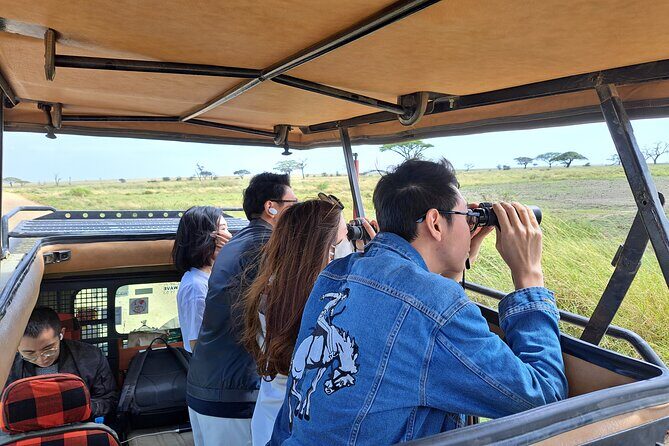
This is a private safari, so your group drives together and you don’t have to share decision-making with strangers. The start time is 8:30am, and the schedule is built around maximising animal activity windows—especially for migration areas.
You’re also buying into a style of safari where the guide is part of the show. Wildlife Experience Tanzania runs with driver/guides fluent in English and Spanish, and the point is clear: you should be able to recognize animals, understand behavior, and know what to look for as conditions change. In the reviews, people repeatedly highlight patience and clear guiding, with named guides like Dullah, Joseph, and Anuary referenced by guests, and leadership figures like Tiger and CEO Mr. Damas Kimaro mentioned in the welcome and planning experience.
The big tradeoff is simply time in the vehicle. With 8–10 hour drive days, you’ll be living on safari rhythm: sit, scan, listen, react. If you want a light, restful tour with lots of downtime, you may feel a little “zoomed in.”
A few more Arusha tours and experiences worth a look
Day 1: Tarangire National Park’s Baobabs and That Always-On River
Tarangire is one of my favorite starts in Tanzania because it doesn’t wait for luck to show up. The park’s signature is its large herds of elephants, plus the famous tree-climbing lions, and the dramatic baobab trees often called the Tree of Life.
The real reason Tarangire works well in your July to October window is the Tarangire River, which flows all year and serves as a major water source during drier stretches. That means you tend to find animals gathering around the same life-support points instead of spreading out too much. In practical terms, you get more consistent viewing opportunities on your first full day.
What to watch for: elephant behavior at water and dust patterns near banks. When the guide points out tracks and movement, your “search image” improves fast, and the park starts to feel less random.
Day 2: Serengeti Central for Resident Wildlife and Big-Game Density
After breakfast, you move into the central Serengeti area for game driving. Serengeti is built for wide-open scanning, and central zones are a strong bet for resident wildlife—animals that live there year-round instead of only following seasonal rains.
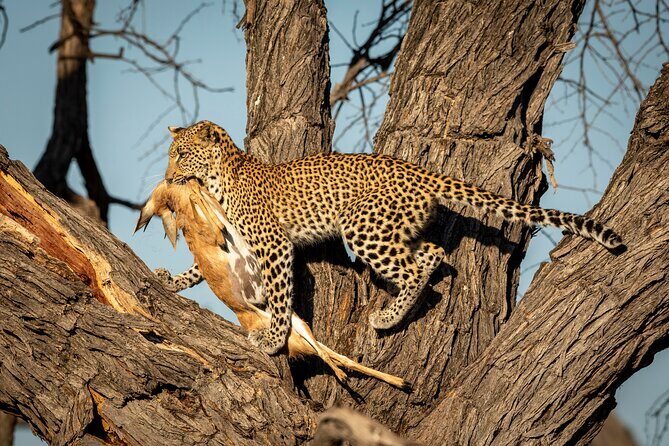
The safari pitch here is classic: the chance of seeing the animals people associate with a prime safari checklist—like lions, leopards, elephants, and buffalo—plus plenty of antelope species and primates. The value of this day is that you’re training your eyes before the migration sprint. You learn how different animals move, how predators stalk, and what “normal” looks like before the river drama ramps up.
Possible drawback: Serengeti is huge. That means you’ll spend a lot of time searching, and the excitement can rise and fall throughout the day. The upside is that when sightings happen, they happen in a big way.
Day 3: Following the Great Migration Trails Across Serengeti
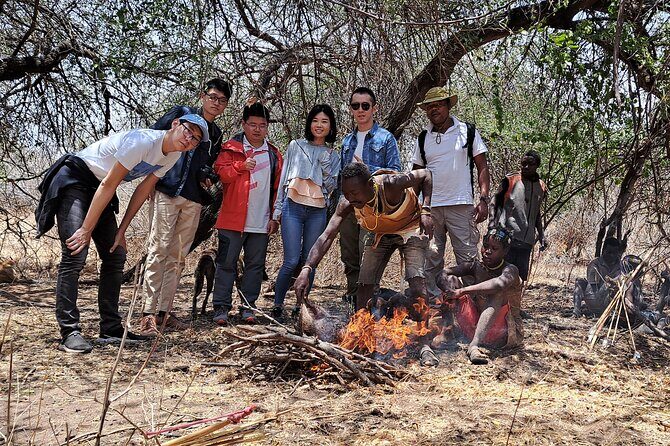
This day turns into a full-on migration-focused drive, still in Serengeti, where you’re out for around 10 hours. This is the day you should lean into the guide explanations: what the herds are doing, how grazing patterns shift, and why predator behavior changes when prey concentrates.
The migration scale is huge here. Expect talk of vast numbers of zebras and Thomson’s gazelles moving with the wildebeest, with the sound of hooves across open plains described as a jaw-dropping part of the experience. Even if you don’t catch the exact moment you imagined, the payoff is that the ecosystem makes sense when you watch it as a system rather than a list.
One practical consideration: this is an endurance day. Bring layers and sun protection, and plan to hydrate often. You’ll be tempted to stare without blinking, which is fun until you feel dry-eyed and distracted.
Days 4 and 5: Mara River Crossing Days—Where Luck Plays a Role
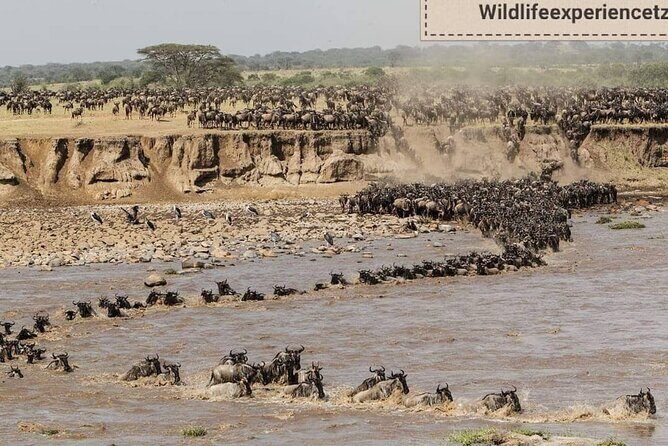
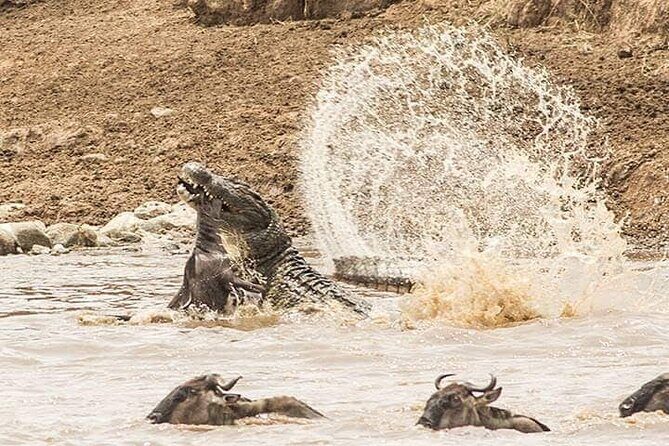
These are the two most anticipated days on the itinerary, both built around the Mara River. The logic is solid: when herds move along the river corridor, you have the rare chance to see them cross—then, a few days later, often cross again in the opposite direction.
Here’s the honest part: witnessing a crossing is very difficult, and it can be a matter of luck. The safari plan accounts for that by giving you two full days in the Mara area, because seeing one crossing isn’t the same as seeing it at the right time.
You can expect rich scenery around the river—kopjes, woodland edges, riverine vegetation, and open plains. Those details matter because they affect visibility. Sometimes you’ll spot herds near the river, watch them hesitate, then they decide to cross later. That waiting period is part of the real experience, even when it tests your patience.
My advice: during these days, stay flexible. If the guide recommends repositioning, it’s often because animal movement cues have shifted. The guides on this trip are used to interpreting those cues, and the reviews repeatedly praise guides for being careful and professional.
Day 6: Serengeti Into Ngorongoro Country, With Olduvai and Laetoli Footprints
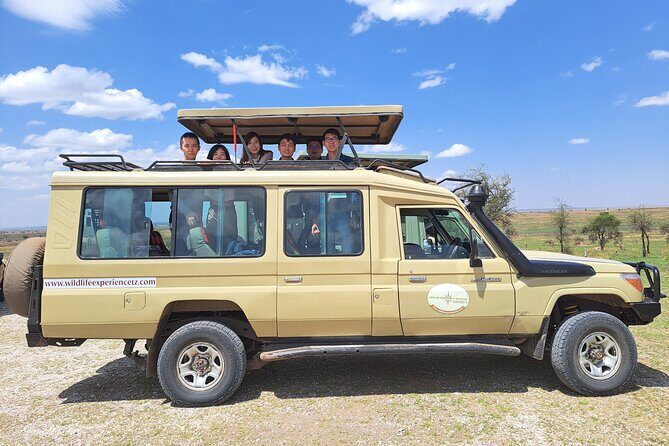
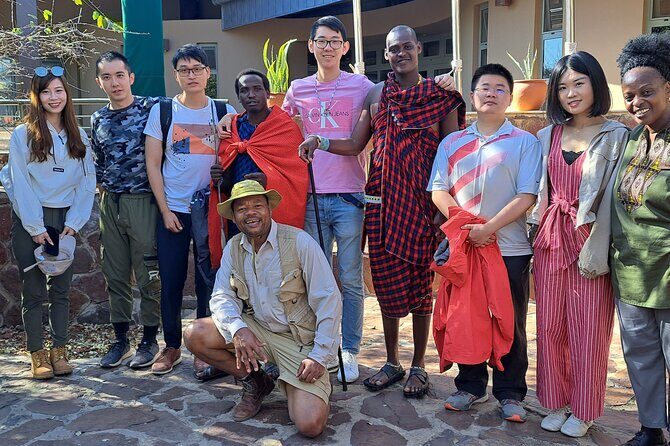
On day 6 you shift from the migration world toward Ngorongoro Conservation Area, with a stop sequence that adds a different kind of awe. You’ll head to Olduvai Gorge museum and also visit Laetoli, where hominid footprints are preserved in volcanic rock dating back 3.6 million years (about 45 km south of Olduvai gorge).
This is a smart pacing choice. Two or three straight days of animal action can blur the details. Then you get a reminder that this region isn’t just about present-day wildlife; it’s also about deep time and how humans and animals have shared landscapes for ages.
Once you’re done with the museum stops, you drive toward the rim of Ngorongoro for overnight. The rim itself is worth appreciating in late light, because it sets expectations for the crater day to come.
Day 7: Ngorongoro Crater Early Drive and the Real Rhino Odds
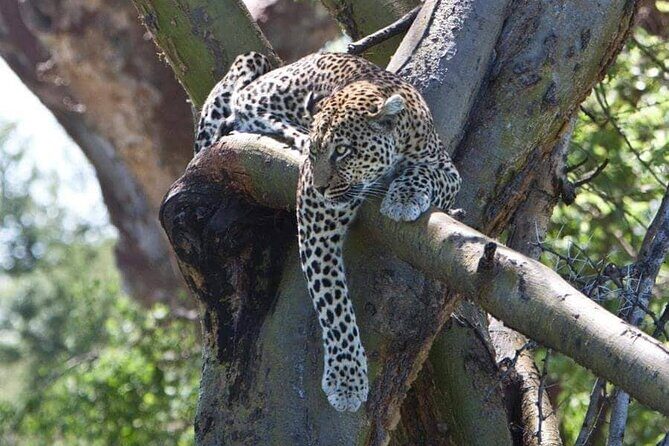
Ngorongoro is famous for one reason: in a relatively contained area, you can find an unusual concentration of wildlife. Day 7 starts early with a game drive inside the Ngorongoro Crater, where you’ll be chasing the kind of density that makes safari photography look easy—while you’re still stuck watching with your own eyes like the rest of us.
Ngorongoro Conservation Area exists to conserve wildlife and resources, and it’s also part of a wider highland region tied to indigenous livelihoods and tourism. The area is noted for having very few black rhinos remaining, so if that’s on your personal priority list, don’t treat it like a guarantee—but do treat it like a possibility worth respectful hope.
Practical reality: crater driving can be intense. You’ll likely do lots of short repositioning as the guide reads animal movement. If you’re the type who likes to understand behavior—why prey bunch up, where predators wait—this is a great day to lean in.
Day 8: Lake Manyara’s Jungle Energy and Tree-Climbing Lions, Then Back to Arusha
Your final day moves to Lake Manyara National Park. Manyara’s draw is variety: it’s known for ground-water forests, and the wildlife includes baboons, blue monkeys, and the chance of tree-climbing lions again, but in a more wooded, edge-of-forest vibe than open Serengeti.
This day is a nice reset after the crater and migration intensity. You’ll do game viewing for the rest of the day and then transfer back to Arusha for an overnight or to the airport so you’re on time for your flight home.
Even here, keep your expectations realistic: Manyara can be fantastic, but animals in wooded areas can be harder to spot quickly. Give the guide a chance to scan slowly. That’s when the small movements reveal themselves.
Price and Logistics: Is $5,600 Per Person Actually Good Value?
At $5,600 per person, you’re paying for far more than driving around parks. Based on what’s included, the money covers entry-related fees and taxes, guided game drives, lodge and luxury camp stays, meals, airport transfers, and a Maasai village visit. It also includes a professional English speaker guide (and the company states fluency in English and Spanish for its guides), plus a glass of house wine, soft drinks, and premium beers during game drives.
What’s not included matters too: tips for your driver-guide, hard drinks/personal items, and accommodations plus meals in Arusha before and after the safari. If you’re arriving early or leaving late, that’s where your total trip cost can rise.
So is it value? I think it can be, especially if you want the “full safari machine” done for you: consistent transport, park logistics handled, and you just show up ready to look. The key is matching expectations—this is built for people who want sustained park time and are comfortable with long game-drive hours.
What the Included Meals and Camp Comfort Really Change
Safari can feel either like an exhausting hustle or a smooth rhythm. The included structure here helps you avoid the constant question of what’s next.
You’ll have breakfast (7), lunch (8), and dinner (7) included, and your days are paced so you don’t spend half your time hunting for food. The inclusion of drinks during game drives is also a small but real comfort—when you’re sitting in a vehicle for hours, a steady routine keeps the day enjoyable.
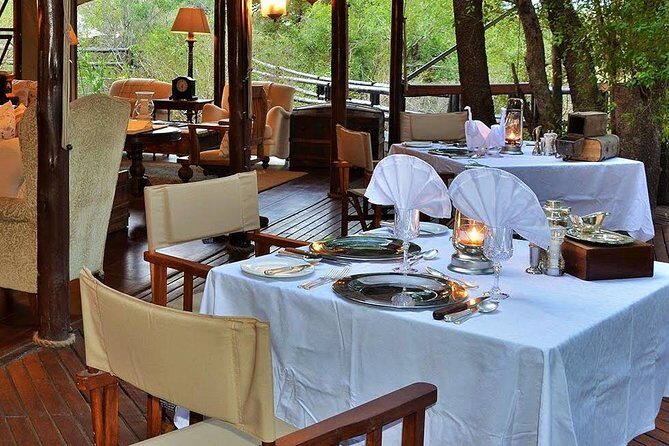
In the reviews, guests also mention the accommodation and food exceeding expectations. I’d take that as a sign that the lodges aren’t treated like an afterthought, which matters when your schedule is full-throttle.
The Migration Math: How to Improve Your Odds Without Losing Your Mind
You can’t control whether a crossing happens during your time. But you can control how you respond to the unknown.
For Mara River days, accept that the herd might be near the water and still not cross right away. The guide’s job is to interpret movement patterns and choose positions that maximize visibility. Your job is to stay calm, give the guide time to decide, and avoid turning every pause into frustration.
For Serengeti, focus on patterns: how animals respond to predators, how grazers use open plains, and how river proximity changes the day. If you treat the migration like a living system rather than a single “moment you must photograph,” you’ll enjoy the process more.
Also, plan your body. Long drives plus early mornings mean you’ll want good sleep, lightweight layers, and enough water. Your best view won’t matter if you’re wiped out before the big moment.
Who Should Book This 8-Day Migration Safari
You’ll love this safari if you want:
- Big migration timing with two full Mara River days
- A private, guide-led experience with English/Spanish support
- A blend of wildlife and culture, including a Maasai village visit
- Park variety: Tarangire, central Serengeti, Mara, Ngorongoro, and Lake Manyara in one trip
You might rethink it if you:
- Need very flexible pacing or lots of downtime
- Expect a guaranteed Mara River crossing on a specific day
- Want short, easy days with minimal time in the vehicle
Should You Book This Safari?
Yes, if your top goal is a serious northern Tanzania route and you’re comfortable with the real safari truth: the best moments can’t be forced. The itinerary’s strength is that it spreads your chances—Tarangire for year-round river wildlife, Serengeti for migration trails, and Mara River for crossings with two days to chase it.
If you’re the type who enjoys learning while you watch—what predators do, why herds hesitate, how terrain affects sightlines—this tour format will feel rewarding, not chaotic. And if you want extra reassurance, ask in advance which guide you’ll have. Guests have mentioned guides like Dullah, Joseph, and Anuary, and that style of careful, patient guiding is exactly what helps when the action turns into a long wait.
FAQ
What time does the safari start?
The meeting start time is 8:30am.
Is this tour private?
Yes. It’s a private tour/activity, and only your group participates.
What parks and areas are included?
The route includes Tarangire National Park, Serengeti National Park (central and northern areas), Mara River area, Ngorongoro Conservation Area (including Olduvai Gorge museum and Laetoli), Ngorongoro Crater, and Lake Manyara National Park.
Are park fees and tickets included?
The tour lists all fees and taxes as included, and the itinerary shows admission tickets as free or included for the relevant days.
What meals are included during the safari?
Breakfast (7), lunch (8), and dinner (7) are included.
What about drinks during game drives?
A glass of house wines, soft drinks, and premium beers during game drives are included.
What isn’t included in the price?
Tips for your driver-guide, hard drinks or personal items, and accommodations and meals in Arusha before and after the safari are not included.
How does the Mara River crossing work with timing?
Crossings are not guaranteed. The itinerary schedules two full days in the Mara area because herds may cross one day and then return a few days later, and sometimes the crossing depends on luck.