REVIEW · ARUSHA
12 Days Safari Tour around Mt Kilimanjaro off the beaten
Book on Viator →Operated by Long Way Expeditions Ltd · Bookable on Viator
Mount Kilimanjaro views meet serious wildlife.
This 12-day safari around Arusha is built for people who want both classic parks and less-visited areas, with ranger-guided walks at the foot of Kilimanjaro and in Arusha. I especially like the focus on places like Enduimet Wildlife Management and Mkomazi National Park, where you can mix game drives with guided walking and still hit the big-hitters like Serengeti and Ngorongoro. One thing to keep in mind: the days are packed, with long drives and early starts, so it rewards stamina more than slow travel.
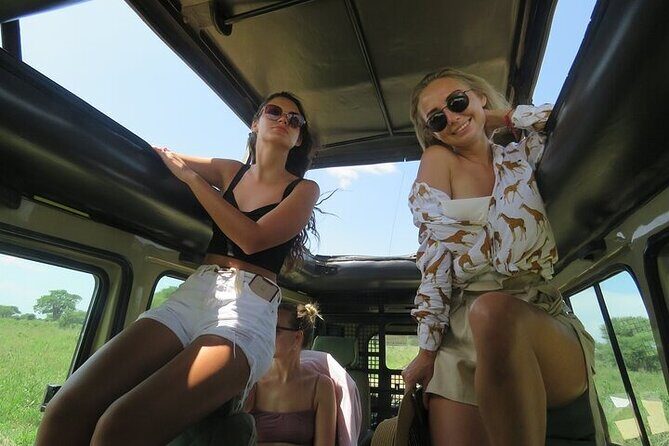
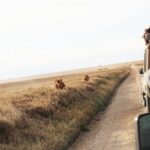
The other draw is how the trip is handled by a small team. You’re in a 4×4 Land Cruiser with open roof viewing, practical gear like radios and binoculars, and an English-speaking driver guide based in Tanzania. You’ll likely feel well looked after too, with the provider’s team staying contactable during the journey.
In This Review
- Key highlights and why they matter
- Why this Kilimanjaro-area safari feels off the beaten path
- Price and what you actually get for $4,810
- The basic logistics: where you start, how you move, and how you end
- Arusha National Park walking and game drive: Momella Lakes first
- Enduimet Wildlife Management Area: Kilimanjaro views plus a ranger-led walk
- Mkomazi National Park: African wild dogs, black rhinos, and lots of birds
- The practical reset in Arusha (via Moshi): a lighter day before Rift Valley drives
- Lake Manyara National Park: fairytale forest vibes and primate energy
- Lake Natron and Engare Sero Gorge: waterfalls, a Maasai-led walk, and bird watching
- Serengeti: eastern escarpment routes and big cat country
- Ngorongoro Crater: descend into a collapsed volcano ecosystem
- Final day: transfer to Kilimanjaro Airport
- Who makes it feel well run: Long Way Expeditions, Ann, and the guide team
- Practical notes: walking safaris, wildlife days, and what to be ready for
- Should you book this off-the-beaten Kilimanjaro safari?
Key highlights and why they matter
- Walking safaris with protection: armed ranger walk in Arusha National Park and ranger-led walking at Enduimet.
- Kilimanjaro views without crowds: Enduimet’s location gives photogenic scenery while you’re also watching animals.
- Mkomazi for rarer sightings: black rhinos and African wild dogs are mentioned as park stars.
- Big-game line-up: Serengeti big cat country plus Ngorongoro’s dense predator chances.
- Small group size: maximum 7 travelers keeps the rhythm calmer and more personal.
- Lake Natron experience beyond driving: Engare Sero Gorge, waterfalls, and a Maasai-led shoreline walk for bird watching.
Why this Kilimanjaro-area safari feels off the beaten path
Most Kilimanjaro-area trips either focus on the mountain trek or bounce quickly through the standard Northern Circuit. This one takes a more interesting route. You start in Arusha, then move through parks and wildlife areas at Kilimanjaro’s doorstep, including Enduimet and Mkomazi, before you lock into the famous ecosystems of Serengeti and Ngorongoro.
That matters because it changes how the trip feels. Instead of spending all your time on long, predictable drives, you get built-in moments where you’re walking with guidance and looking for animals in a different way. Even if you love game drives, these walking days often become the memory-makers because you’re slower and more present.
A few more Arusha tours and experiences worth a look
Price and what you actually get for $4,810
At $4,810 per person for about 12 days, this safari sits in the premium category. The question is value, not just sticker price.
Here’s what’s included that helps justify the cost:
- Accommodation for the full program (as per the itinerary)
- Breakfast (12) and dinner
- A Land Cruiser 4×4 with open roof, 2-way radio, fridge, and binoculars
- Drinking water: 1.5 litres per day per person
- English-speaking driver guide
- Parking fees
- Airport/departure tax
- Mobile ticket
What’s not included:
- International flight and domestic flight
- Visa fees (if applicable)
- Travel insurance
- Drinks
If you’re comparing options, I’d focus on the combo of (1) the number of parks and unique areas, (2) the inclusions like meals plus vehicle plus water, and (3) the fact that walking safaris require skilled, on-site coordination. When those pieces are bundled, the total price starts to look less random.
A simple reality check: because this tour is activity-heavy and includes several long drive days, you’ll get the most value if you’re comfortable with travel days and early mornings.
The basic logistics: where you start, how you move, and how you end
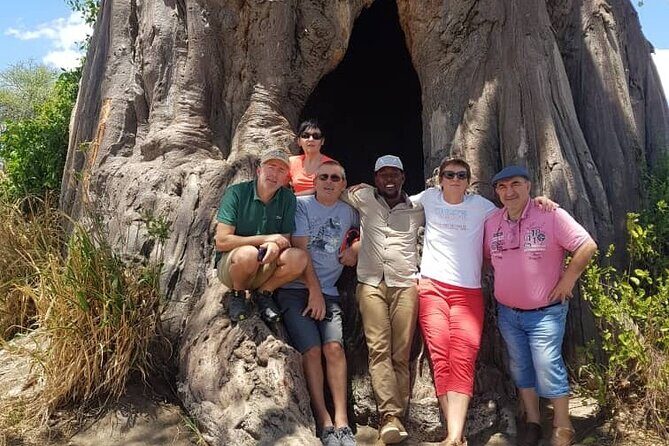
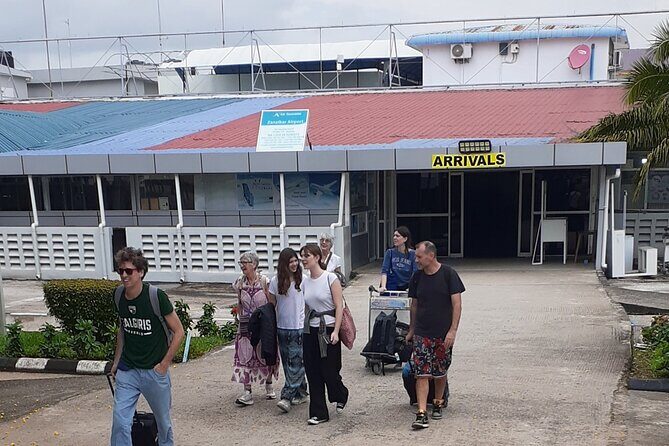
You begin at African View Lodge, Momella Road, Arusha. On Day 1, once you land at Kilimanjaro Airport, you’ll be met and transferred for your overnight stay.
You’ll travel primarily by the safari vehicle—an open-roof Land Cruiser—so your viewing depends on being ready for dust, sun, and changing weather. Radios and a fridge are included, which helps keep logistics smoother on longer park days.
The tour ends with a transfer to Kilimanjaro airport for your international flight. Your return is planned as a clean wrap-up day, so you’re not scrambling at the last minute.
Small-group note: the tour has a maximum of 7 people. That tends to make coordination easier for the guide team and keeps decisions about timing less chaotic.
Arusha National Park walking and game drive: Momella Lakes first
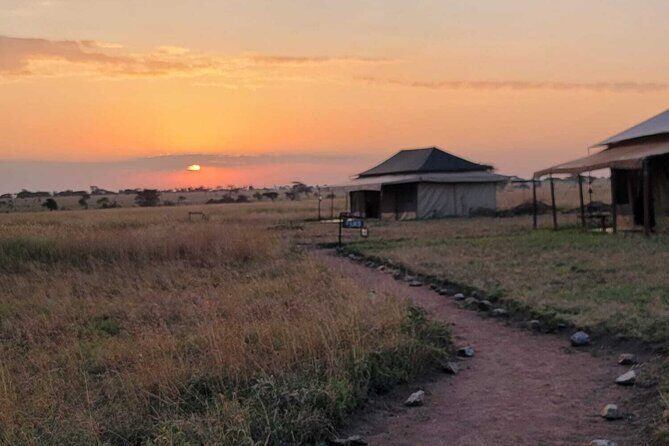
Day 2 is a smart opener because Arusha National Park is relatively compact at 137 square km, which means you’re more likely to cover variety without spending the entire day traveling. You’ll do a guided walk with an armed ranger, then shift into a relaxing game drive.
What you’re aiming for here:
- The Great and Small Momella Lakes
- The forests around the Ngurdoto crater
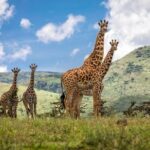
- Animals that fit this smaller ecosystem, like giraffes, buffalo, and baboon groups
Why this works: even before you reach the huge-name parks, you get the rhythm of safaris—spotting, scanning, and learning how the land shapes animal movement. Plus, the walking with an armed ranger sets a clear expectation: this isn’t a casual stroll, it’s part of real safari safety procedure.
One consideration: Arusha National Park is smaller, so if you’re expecting the same scale of wildlife density as Serengeti, you might feel the difference. The value is variety and the walking experience, not sheer size.
Enduimet Wildlife Management Area: Kilimanjaro views plus a ranger-led walk
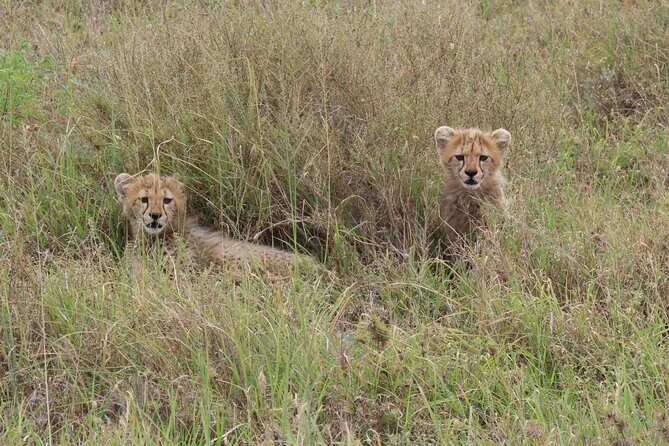
Day 3 heads into Enduimet Wildlife Management area, described as strategically located for game drives and guided walks at the foot of Mount Kilimanjaro. You’ll do a ranger-guided walk along with a game drive, with photogenic views of Kilimanjaro.
This is the part of the trip I’d call the personality shift. You’re not just chasing animals; you’re also watching the mountain relationship to the land. The combination of walking plus dramatic scenery makes it easier to feel like you’re in Tanzania, not just passing through it.
Timing matters: you’re expected to arrive at the lodge before nightfall. That’s good for your energy, especially because later days include long drives and full game-drive blocks.
Mkomazi National Park: African wild dogs, black rhinos, and lots of birds
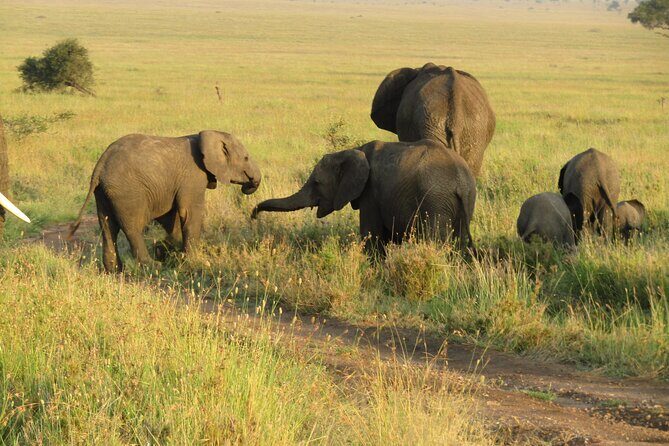
You spend two days in Mkomazi National Park (Days 4 and 5). If you want a safari that feels less like the obvious route, this is a big reason why.
Day 4 includes:
- Travel via the Kilimanjaro North scenic route
- An evening game drive, specifically with a tour focus on African wild dogs
- Getting to camp before dark
Day 5 includes:
- An early morning game drive
- More wildlife and scenery time during the day, then another evening game drive
- Mentioned park wildlife highlights like black rhinos, giraffes, elephants, oryx, impalas, elands, dik dik, and African wild dogs
- A note about over 400 species of birds
Why it’s valuable: Mkomazi is not just “another park stop.” It’s positioned as a place where you can keep your expectations flexible. You might find rhinos and dogs, but you’ll definitely be watching a different mix of species than the more famous stops.
The possible drawback is pacing. Two long days here mean you’ll do a lot of wildlife time sitting in a vehicle, and one day is early-morning. If you hate dawn starts, this is the section to mentally prepare for.
The practical reset in Arusha (via Moshi): a lighter day before Rift Valley drives
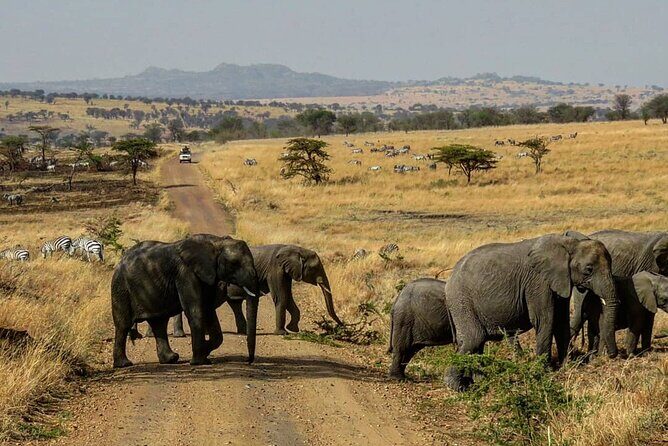
Day 6 is more of a transfer and reset than a wildlife-heavy day. After breakfast, you drive back toward Arusha via Moshi, with a possible stop for a barbeque if possible, then proceed to Arusha.
Why this matters: after back-to-back action days, that buffer can make the next legs feel less exhausting. It also gives you a chance to get your bearings, do any last-minute shopping, and recharge your body before Lake Manyara and Lake Natron.
Lake Manyara National Park: fairytale forest vibes and primate energy
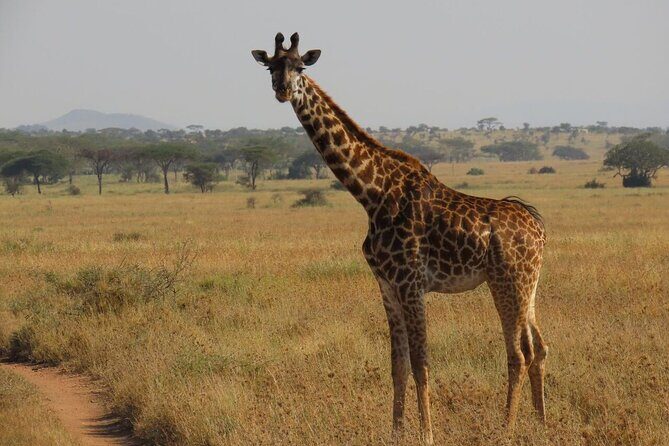
Day 7 takes you to Lake Manyara National Park for your game drive. The setting is described as a fairytale forest, and the animal list is packed with personalities: baboons, blue monkeys, elephants, and plenty of bird species.
This is a good day if you like watching animals in close detail—especially primates moving through trees and birds doing their own thing. Lake Manyara often feels like a “watch and react” park because the action can pop up in different parts of the area rather than only on open plains.
No big drawback is stated in the program, but the general travel reality is the drive day rhythm: you’ll want to pack your comfort kit and plan for sun exposure.
Lake Natron and Engare Sero Gorge: waterfalls, a Maasai-led walk, and bird watching
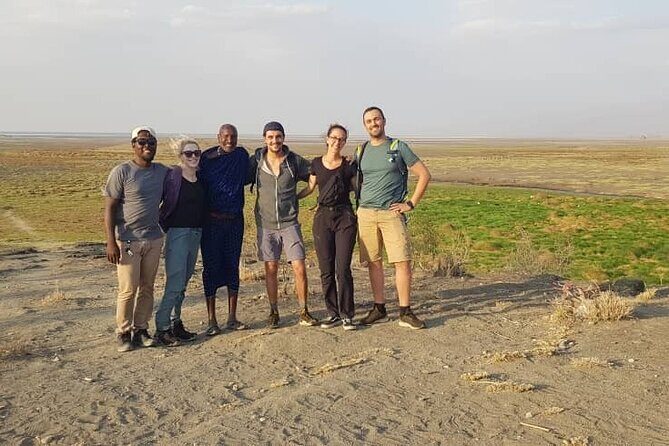
Day 8 shifts to Lake Natron, arriving in the afternoon. You’ll visit Engare Sero Gorge and waterfalls, then do a guided walk led by the Maasai tribesman to the lake shore for bird watching.
This day is more than a viewpoint. You get:
- a gorge and waterfall stop
- a shoreline walk for birds with local-led guidance
Why that’s worth it: bird watching can feel passive if you don’t have a guide who knows what to look for. A Maasai-led shoreline walk likely changes how much you notice, not just where you stand.
Possible consideration: Lake Natron is described as a remote salt lake with flamingo breeding grounds. Remote often means fewer services and more dependence on your guide and timing, so you’ll want to stay flexible with weather and light.
Serengeti: eastern escarpment routes and big cat country
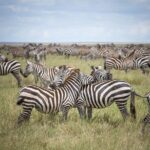
Days 9 and 10 bring you to Serengeti National Park, with entry via Klein Gate on the eastern side. You drive through the escarpment that forms the eastern branch of the Rift Valley, then arrive at your camp area in time for game driving.
A few specifics that help you picture the day:
- You’ll see landscapes tied to the Waso and Ololosokwan areas
- Game drives are scheduled for midday arrival into the park (Day 9), with your camp setup before dark
- Serengeti is described as having the largest population of big cats
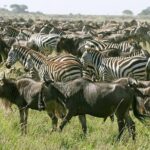
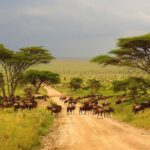
- It’s also referenced as home to the Great Wildbeest Migration
Day 10 is another game-drive day focused on the same general region details. That repetition is often practical: it gives you a second chance when animals are moving differently, and it lets you explore different roads and sighting patterns.
A realistic consideration: Serengeti is big, and the best sightings depend on timing and where animals are that day. Two consecutive days help, but it’s still not a guarantee that you’ll see every headline animal. The payoff is that you’re in the real system.
Ngorongoro Crater: descend into a collapsed volcano ecosystem
Day 11 is Ngorongoro Crater. After breakfast you head there and descend to the crater floor. The program describes the crater as a collapsed volcano and highlights it as a self-sustaining ecosystem with a densest predator population in Africa. There’s also a note that you may spot the Big Five in a single afternoon.
You’ll then ascend to Karatu for your overnight stay.
Why this is a “bucket list” day even when you’ve seen plenty of parks: crater drives compress the ecosystem into one place. That can make sightings feel more frequent, and the crater scenery is described as astonishing.
Possible consideration: crater time is about being ready for steep descents and a lot of vehicle time looking down. It’s exciting, but it’s not a day built for people who want minimal driving.
Final day: transfer to Kilimanjaro Airport
Day 12 is straightforward: after breakfast, you transfer to Kilimanjaro airport for your international flight. The itinerary ends there, with a final “Asante sana and Karibu tena” style send-off.
This is the right kind of ending for a safari like this. You don’t lose energy to extra activities. You depart while you still feel functional.
Who makes it feel well run: Long Way Expeditions, Ann, and the guide team
The provider is Long Way Expeditions Ltd, and the trip is supported by a team that includes local Tanzanian guides with over 10 years of experience. That matters because animal knowledge is only half the job—timing, park rules, and finding safer paths for walking days are just as important.
In the feedback you can see a theme: Ann stays reachable and the team works hard to make you feel supported from the first contact through the last day. One named highlight is Tuma, described as very experienced and knowledgeable, and another is Abu, associated with keeping the days fun and upbeat.
The other practical plus is flexibility. One review note points out that Ann listened to trip requirements and adjusted the itinerary well. That kind of responsiveness can be a big deal when you’re juggling expectations like wildlife priorities, walking comfort, or general pace.
Practical notes: walking safaris, wildlife days, and what to be ready for
This tour includes multiple walking moments:
- A walk in Arusha National Park with an armed ranger
- A ranger guided walk in Enduimet
- A walk led by a Maasai tribesman at Lake Natron’s shore for bird watching
Walking safaris mean you should be comfortable with guided safety procedures and being out with staff as they scan for animals and manage distance. You’re not going alone; you’re part of a controlled, supervised experience.
For wildlife viewing, the open-roof 4×4 helps, especially for quick animal spotting. But it also means sun and dust are part of the deal. If you’re sensitive to glare, pack sunglasses and plan to use them often.
Binoculars are provided, so you don’t need to bring your own. Still, if you have a pair you love, bring them too.
Should you book this off-the-beaten Kilimanjaro safari?
I’d book this tour if you want:
- the famous hits (Serengeti and Ngorongoro Crater)
- plus Kilimanjaro-area wildlife days that aren’t just about driving in big parks
- walking safaris with proper guidance (armed ranger and ranger-led options)
- a small group feel (max 7 people)
- solid included value: vehicle, water, meals, accommodations, and daily breakfast
I wouldn’t pick it if you prefer:
- a low-effort vacation with minimal driving and no early mornings
- a trip that skips walking entirely
- a tour where you can treat each day like a slow sightseeing stroll
If you’re the type who likes to see animals and also like getting out of the vehicle when the moment makes sense, this is a strong fit. It’s a safari that tries to earn your attention, day after day, from Arusha’s lakes to Serengeti big cats and the crater’s tight ecosystem.