REVIEW · ZANZIBAR
Traditional Zanzibar Cooking Class including Spice Tour
Book on Viator →Operated by Splash Tour Company · Bookable on Viator
Spices here grow in full view, and you get spice-farm learning plus a hands-on Zanzibari cooking class. I really liked the up-close spice tour that includes harvesting, and the way guides explain the plants so it actually sticks. One thing to consider: the cooking part may take place in a house-style setting where other people can pass through.
I also like that you start bright and early at 09:30 and return around 2 o’clock, so you still have the rest of your day in Stonetown. The air-conditioned vehicle helps a lot in Zanzibar’s heat, especially on the 15-kilometer hop from Stonetown toward Kizimbani. The private format keeps the pace comfortable, not rushed.
For $68 per person, this isn’t just a viewing tour. You’re paying for a full half-day experience that blends transport, guided spice education, active ingredient harvesting, and a shared meal you make yourself.
In This Review
- Key things to know before you go
- Spice Tour First: Kizimbani Farm, Short Drive from Stonetown
- What I’d watch for on the farm walk
- Smell, Taste, and Harvest: Turning a Spice Lesson into Real Ingredients
- Why harvesting makes the cooking class better
- Cooking Class with a Local Woman: Learn by Doing, Not Watching
- A possible downside: house-style setting
- What to bring into the kitchen mindset
- The Meal You Cook: A Shared Lunch That Feels Earned
- How to make the meal taste even better
- Getting There Smoothly: Pickup, A/C Comfort, and a Private Group
- Meeting point and timing that keep it simple
- Price and Value: Why $68 Makes Sense for a Full Half-Day
- Who gets the best value
- Who This Tour Fits Best (and Who Might Want Another Plan)
- A practical tip for maximizing your enjoyment
- Should You Book This Zanzibar Spice-and-Cooking Class?
- FAQ
- What time does the tour start?
- How long is the experience?
- Do you get pickup from Stonetown?
- Where is the meeting point?
- Where does the tour end?
- What happens during the spice tour?
- Who teaches the cooking class?
- Is the meal included?
- Can I cancel for a full refund?
Key things to know before you go
- You start at 09:30 and you’re back in Stonetown or at your hotel area by about 14:00.
- Kizimbani spice farms are about 15 km northeast of Stonetown, with a guided walk that includes tasting and harvesting.
- Cooking is taught by a local woman, and you cook with what you gathered.
- Pickup is offered in an air-conditioned vehicle, which makes the timing much more pleasant.
- Private tour for your group, so you can ask questions without squeezing into a bigger group rhythm.
Spice Tour First: Kizimbani Farm, Short Drive from Stonetown
Your half day starts at 09:30, meeting on Kajificheni Street. From there, you ride together in an air-conditioned vehicle toward Kizimbani, about 15 kilometers northeast of Stonetown. That short distance matters. It means you get out to a real working spice farm without losing half the day to transit.
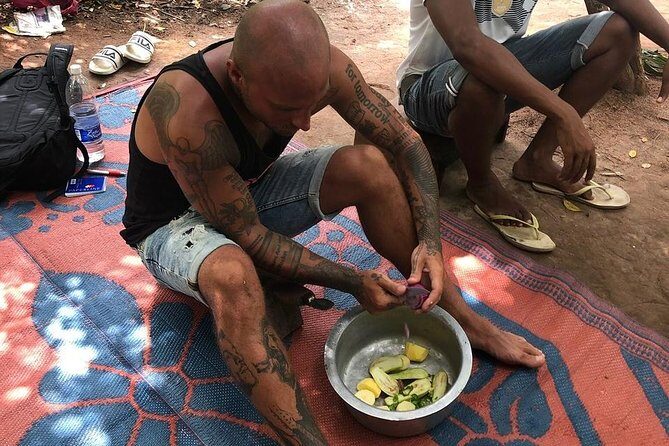
Once you arrive, the experience shifts from city mode to farm mode fast. You’ll be guided through the farm, with a focus on how spices and fruits grow and how they connect to everyday cooking. This is one of those rare tourism activities where the learning isn’t just framed as facts you’ll forget later. You’re looking, smelling, tasting, and (importantly) harvesting ingredients that will end up in your meal.
You can also read our reviews of more cooking classes in Zanzibar


What I’d watch for on the farm walk
The pace is guided and hands-on, but it’s still outdoors and on a working farm. Wear shoes that you don’t mind getting a little dirty, and keep your phone secured in a pocket or bag. The best part of the tour is using your senses, so you’ll want to keep moving and paying attention instead of stopping every minute for photos.
Smell, Taste, and Harvest: Turning a Spice Lesson into Real Ingredients
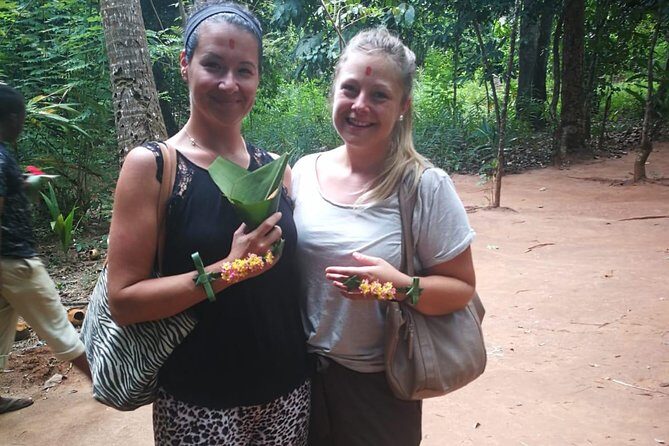
This tour’s biggest strength is the harvesting piece. A lot of spice tours stop at smelling and naming. Here, you’re doing the more useful step: collecting the ingredients you’ll cook with. That makes the cooking class feel logical, not like a separate show you’re just attending after the tour.
During the farm walk, you’ll be shown several spices and fruits. You get to smell them, taste them, and learn which ones are important for the local dishes you’ll prepare later. The guided explanations are the glue. When someone can point to a plant, explain how it’s used, and then you pick it yourself, the lesson sticks far better than a lecture.
Why harvesting makes the cooking class better
When you cook with ingredients you picked, you naturally pay attention to what each one does in the dish. You’re not just following instructions. You’re building a relationship with the flavors. You’ll also have an easier time asking questions in the kitchen, because you’ll already know what you’re working with.
In the best runs of this tour, the guide experience is built around patient explanation. One standout detail from past participants: guides like Lukem have been praised for giving lots of explanations about spices and plants. Another name that shows up is Hassan, who has taught parts of the experience. You may not get the same people each time, but the style you’re aiming for is clear: practical farm-to-kitchen teaching, not a rushed script.
Cooking Class with a Local Woman: Learn by Doing, Not Watching
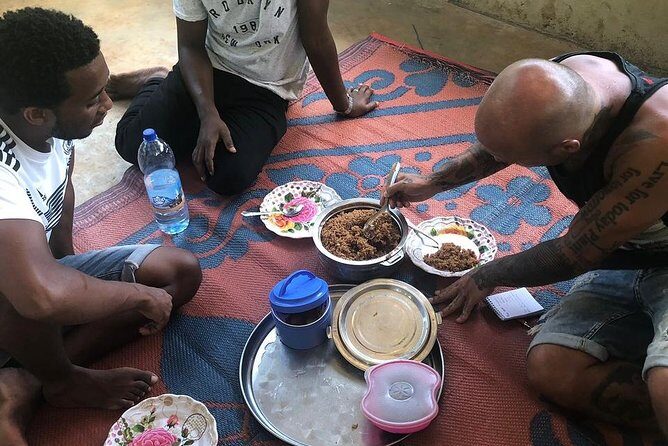
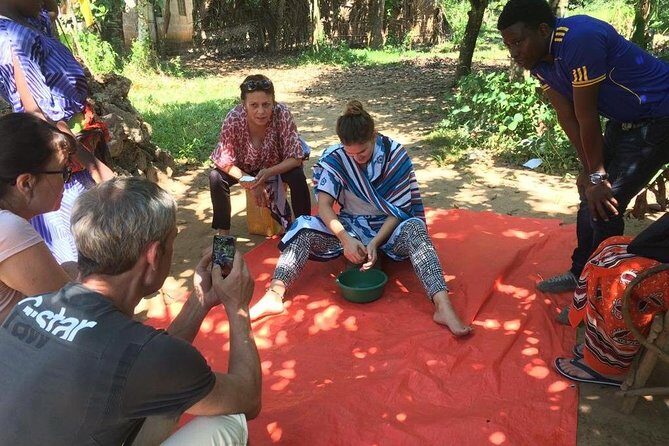
After the spice tour, you shift from outdoors to a cooking setting led by a local woman who teaches you how to prepare and cook traditional food. This is where the tour becomes genuinely participatory.
You’ll learn the basics of putting Zanzibar flavors together using the ingredients you harvested. Expect some back-and-forth: tasting, adjusting, and learning techniques as you go. The goal is not only to make a meal but to understand how spices work in real cooking, including how much to use and how to balance stronger flavors.
A few more Zanzibar tours and experiences worth a look



A possible downside: house-style setting
One caution comes from a mixed experience: the cooking class environment can feel more like a home than a dedicated culinary classroom, and people may enter or leave during the activity. If you’re sensitive to distraction, or you want a quieter, fully contained kitchen session, that’s worth considering. The teaching itself can still be great, but the setting may not be museum-like or perfectly controlled.
What to bring into the kitchen mindset
Go in ready to get your hands working and your senses engaged. If you treat it like a passive show, you’ll feel the class pass quickly. If you treat it like a workshop—asking questions, tasting as you go, and following the local instructor’s rhythm—you’ll get the most value out of the time.
The Meal You Cook: A Shared Lunch That Feels Earned
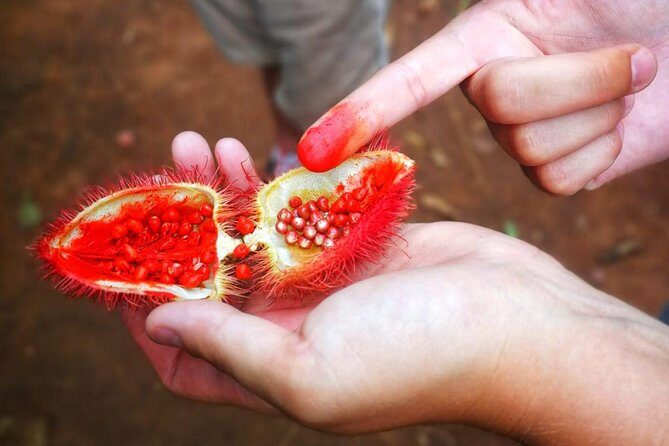
At around 2 o’clock, you head back toward Stonetown or your hotel area, after you’ve enjoyed the homemade meal together. The meal is not just included; it’s the payoff for everything you did before it.
Because the ingredients come from the farm tour, the food feels connected to place. That matters in Zanzibar, where it’s easy to think you understand flavors just because you recognized the names on a sign. Here, you’re using ingredients you’ve harvested and learning how they behave when heat hits.
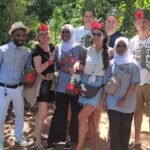
Past participants often highlight the quality of the food and the hospitality during cooking. Phrases like excellent food and very warm welcome show up repeatedly. You should also expect a group dynamic, since you’ll cook together and share the result.
How to make the meal taste even better
A small trick: ask questions while you cook, not after. If you’re curious about why something is added at a certain step or how a spice is managed so it doesn’t overpower everything, speak up in the moment. You’ll taste the difference more clearly when you understand what the instructor is aiming for.
Getting There Smoothly: Pickup, A/C Comfort, and a Private Group

Comfort is part of the value here. Pickup is offered, and you travel in an air-conditioned vehicle. That makes the morning drive and the return trip noticeably easier, especially if your Zanzibar days already include walking in the midday heat.
The format is also private in the sense that only your group participates. That’s a big deal for a hands-on experience like this. It means you’re not competing for attention, and you can ask more specific questions about the spices and the cooking methods you’re learning.
Meeting point and timing that keep it simple
You meet at Kajificheni Street (Kajificheni St, Zanzibar, Tanzania). The activity starts at 09:30 and ends back at the meeting point. If you’re staying in Stonetown, this timing is convenient because you’re not committing to an all-day excursion.
Also note: this runs every day, and the provider’s opening hours list Monday through Sunday from 9:00 AM to 6:00 PM. That lines up with the 09:30 start time.
Price and Value: Why $68 Makes Sense for a Full Half-Day

At $68 per person, this is priced like a true activity package, not a quick add-on. You’re paying for several components at once:
- transport in an air-conditioned vehicle (including pickup),
- guided spice-farm time in Kizimbani,
- harvesting/tasting as part of the learning,
- a cooking class taught by a local woman,
- a shared meal you enjoy at the end.
If you were to book those parts separately—transport, an organized farm guide, and a hands-on cooking instructor—the total would typically be higher. The private group model also supports better attention, which is hard to get with cheaper group tours where you’re one of many.
Who gets the best value
You’ll feel the value most if you want more than photos. If you like learning how food works—where ingredients come from and how they change when cooked—you’ll use the information immediately. If you only want a short sightseeing stop with light tasting, it may feel like more time than you need.
Who This Tour Fits Best (and Who Might Want Another Plan)
This experience is especially good for:
- food lovers who like hands-on cooking,
- travelers who enjoy ingredient-focused tours rather than history-only stops,
- groups that want a private pace with real Q&A,
- anyone staying in Stonetown who wants a structured half day.
You might consider a different option if:
- you need a strictly quiet, fully private kitchen space (the cooking area may be house-style, with people coming and going),
- you’re not interested in harvesting or cooking and just want scenery.
A practical tip for maximizing your enjoyment
Ask questions early in the farm tour. If you understand what you’ll be using later, the cooking class becomes easier to follow. You’ll also be able to notice how the flavors shift as you heat and combine ingredients.
Should You Book This Zanzibar Spice-and-Cooking Class?
I’d book it if you want a morning that turns Zanzibar spices into something you can use on your plate. The combination is the whole point: spice farm learning with harvesting, then cooking taught by a local woman, ending with a meal you make together. Add private attention and air-conditioned pickup, and it becomes a very fair half-day plan.
Skip it only if you know you’ll be bothered by a home-style cooking environment or any interruptions during the class. For most people, the hands-on approach outweighs that kind of setting detail.
If you’re in Stonetown and you’re craving an experience that feels personal, sensory, and tied to real ingredients, this is one of the clearer bets in Zanzibar.
FAQ
What time does the tour start?
It starts at 09:30 in the morning.
How long is the experience?
It lasts about 4 hours 30 minutes.
Do you get pickup from Stonetown?
Pickup is offered, and the drive is done in an air-conditioned vehicle.
Where is the meeting point?
The meeting point is Kajificheni Street (Kajificheni St, Zanzibar, Tanzania).
Where does the tour end?
The activity ends back at the meeting point.
What happens during the spice tour?
You’ll get a guided tour of a carefully selected spice farm in Kizimbani, including time to see, smell, and taste spices and fruits. You’ll also harvest important ingredients.
Who teaches the cooking class?
A local woman teaches you how to prepare and cook traditional food.
Is the meal included?
Yes. After the cooking class, you enjoy the homemade meal together.
Can I cancel for a full refund?
Yes. You can cancel up to 24 hours in advance for a full refund.