REVIEW · ARUSHA
Unforgettable 6 Days Tanzania Private Big-5 Mid-range Safari
Book on Viator →Operated by Tanzania Serengeti Safaris · Bookable on Viator
Big Five sightings start fast in Arusha. This 6-day private safari links Tarangire, Serengeti, Ngorongoro Crater, and Lake Manyara, so you spend more time with animals and less time waiting around.
I like two things about this route: the private feel (it’s only your group) and the way the days are built around early game drives, then giving you just enough breathing room for meals and transfers.
One consideration: you’ll be in and out of the vehicle a lot across six days. If you prefer slow travel, this is a “pack your camera and accept the long day” style of safari.
In This Review
- Key Highlights You’ll Care About
- The Real Appeal: A Private Big-5 Loop With Planned Wildlife Time
- Day 1: Tarangire National Park Elephants and Baobabs
- Day 2: The Rift Valley Drive to Serengeti (Plus Olduvai Gorge if You Want It)
- Days 3–4: Serengeti Game Drives That Use the Best Timing
- Central Serengeti Sunrise and the Sogore River Circuit
- More Serengeti Time, Then Ngorongoro
- Day 5: Ngorongoro Crater’s 7-Hour Big-Five Drive
- Day 6: Lake Manyara National Park Birds, Hippos, and Tree-Climbing Lions
- What You’re Really Paying For: Price, Inclusions, and Value
- How the Schedule Feels: Long Days, Early Mornings, and Smart Breaks
- Who This Safari Is Best For (and Who Might Want a Different Pace)
- Booking Verdict: Should You Book This 6-Day Private Big-5 Safari?
- FAQ
- What parks are included in this 6-day safari?
- Where does the safari start and end?
- What time does the tour start?
- Is pickup offered?
- Is this tour private?
- Are meals included?
- Are park admission tickets included?
- What are the main things not included?
- Does the itinerary include Olduvai Gorge Museum?
- What happens if weather is poor?
Key Highlights You’ll Care About
- A full circuit of four parks: Tarangire, Serengeti, Ngorongoro Conservation Area, and Lake Manyara
- Serengeti timing that matters, including an early-morning drive with sunrise viewing and later Kopjes lion country
- A 7-hour Ngorongoro crater game drive with a packed lunch for maximum time on the ground
- Big-5 focused wildlife density, especially in Ngorongoro Crater and central Serengeti
- Mid-range comfort with included meals and lodging, so you’re not constantly budgeting during the trip
- Optional Olduvai Gorge Museum stop on the way to Serengeti for a worthwhile brain break
The Real Appeal: A Private Big-5 Loop With Planned Wildlife Time
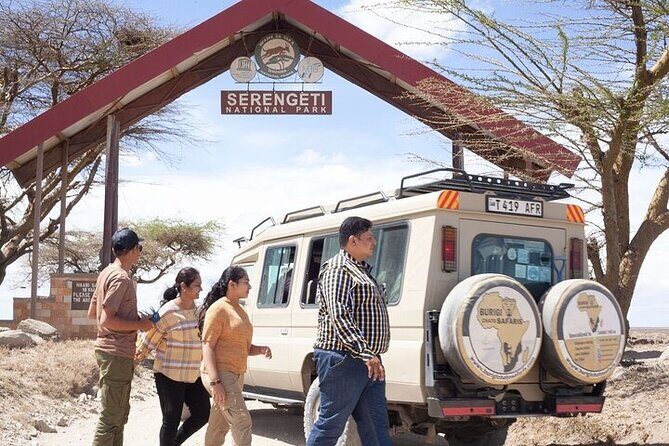
This safari is built like a smart route, not a random grab-bag of places. You start from Arusha, then move through different ecosystems in a tight sequence: elephants and baobabs at Tarangire, predator country in Serengeti, the dramatic bowl of Ngorongoro Crater, then the smaller-but-fun Lake Manyara for birds and that famous tree-climbing lion possibility.
What makes the private format useful is simple: you’re not squeezed into someone else’s pace. Your group gets the same guide and vehicle rhythm each day, which makes it easier to follow sightings, ask questions, and adjust in the small ways that keep the trip feeling human instead of robotic.
You can also read our reviews of more private tours in Arusha
Day 1: Tarangire National Park Elephants and Baobabs
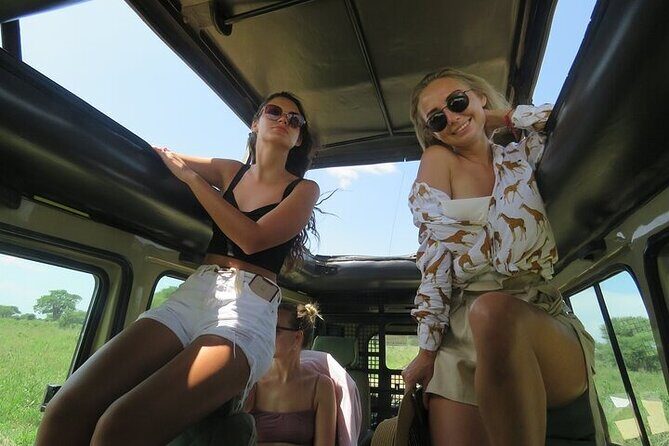
You’ll leave Arusha at 7:30 am, drive toward Tarangire, and reach the park in about two hours. Along the way, you pass through the Masai Steppe, and there’s an option to stop at a supermarket for last-minute personal needs. That small detail helps—on safari, the little things matter.
Tarangire is famous for two reasons. First, the elephants can be very concentrated, and herds sometimes top 300 animals. Second, the baobab trees are the kind of landmark you remember even after the photos fade. The point isn’t just scenery; it’s that these big landmarks create predictable animal hangouts. You’re not guessing where to look all day.
After a picnic lunch, you shift gears toward Manyara (Mto wa Mbu) or Karatu for your overnight stay, arriving before sunset. That timing is good. It keeps day one from turning into a midnight arrival and lets you reset for an early next morning.
Practical note: Tarangire can deliver year-round wildlife viewing, so you’re not relying on a specific season window to get value.
Day 2: The Rift Valley Drive to Serengeti (Plus Olduvai Gorge if You Want It)
From Manyara (Mto wa Mbu), you go early after breakfast and cross the Rift Valley floor. Then the route climbs through the Ngorongoro Conservation Area, with views that you’ll notice more from the vehicle than from standing still. It’s a long day by design, but the schedule keeps it purposeful: scenic driving, optional cultural context, then actual game time.
You have the option to stop at Olduvai Gorge Museum, known as the Cradle of Mankind. If you like learning while you travel, it’s a good counterweight to all the driving and animal time. If you don’t want extra stops, you can simply keep moving toward Serengeti.
In the afternoon, you arrive and go on a game drive until evening. That matters because Serengeti often gives you different sightings at different hours. Predators can shift their behavior as the light changes, and the late-day window is often when you start to feel the park’s drama.
You sleep at a camp or lodge after dinner and check-in, ready for a full sunrise-style day ahead.
Days 3–4: Serengeti Game Drives That Use the Best Timing
These two days are where the safari earns its reputation. Serengeti is the kind of place where you can do one drive and feel like you barely started—so getting multiple drives across multiple parts of the park is a big deal.
Central Serengeti Sunrise and the Sogore River Circuit
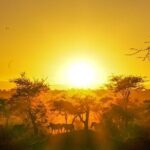
Day 3 starts early after breakfast, with a full game drive in central Serengeti. The plan calls out a sunrise over the savannah, when predators start moving and hunting behavior begins to show. You also follow the Sogore River Circuit, where lions, gazelles, and cheetahs can show up. Even if sightings aren’t guaranteed, this circuit choice is a sign the day is structured around where animals tend to gather.
You’ll also visit the Visitor Centre for wildlife displays, then pause for a picnic lunch. That stop gives your eyes a break and helps you spot animals with more context when you’re back in the vehicle.
In the afternoon, the Kopjes Circuit is the focus. Kopjes—those granite outcrops—create natural cover, plus shade and water pockets that draw animals. Lions often use these spots, which is why Kopjes are a go-to for predator watching. After the drives, you return to the lodge for overnight.
A few more Arusha tours and experiences worth a look
More Serengeti Time, Then Ngorongoro
On Day 4 you get both a morning and an afternoon game drive, with lunch back at the lodge. The park is described as home to carnivores like leopard, lion, hyena, and cheetah, plus giraffe and other common graze-and-watch species.
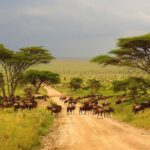
This day also ties into one of Serengeti’s most famous timing stories: the annual wildebeest migration, with the northward movement mentioned for May or early June. If you’re traveling in that window, you can feel extra anticipation in the air. If you’re outside it, you still get a strong baseline of predator and herbivore life.
After lunch, the move shifts to Ngorongoro. You’ll reach a camp or lodge at the rim for dinner and overnight.
Day 5: Ngorongoro Crater’s 7-Hour Big-Five Drive
Ngorongoro Crater is the moment most people picture when they say Big Five safari. This day is built around a long time inside the crater—about 7 hours—with a packed lunch.
The crater was formed by a massive volcanic eruption long ago, and now it works like a natural bowl for wildlife. Because the crater’s natural barriers keep animals within a limited area, it becomes one of Africa’s densest wildlife zones. The numbers you’re given—around 30,000 animals—are the reason the game drive feels so productive when it’s done right.
Here’s what’s specifically highlighted:
- the crater supports Big Five sightings,
- it can include the endangered black rhino,
- there’s a strong mix of wildebeest and elephants,
- and predators like lions, cheetahs, and leopards also use the area.
That’s a lot of wildlife pressure in one place, and it’s why this drive is long. You’re not rushing through. You’re sitting where the action is more likely to show itself.
After the game drive and lunch, you head back toward Manyara or Karatu for your overnight stay.
Day 6: Lake Manyara National Park Birds, Hippos, and Tree-Climbing Lions
Lake Manyara is smaller than the parks you’ve already visited, but it’s still a satisfying final day. You’ll drive into the park for a full day of game drives.
This park is described as an unspoiled mix of ground water forest fed by underground springs. Translation: it can feel different from the open savannah vibe, and the wildlife habits can be a bit more varied. You’re told to watch for elephants, hippos, giraffes, buffalo, antelope, and those large baboon troops. Birdlife is a major focus here, especially along the lake shore.
And yes, the safari route includes the key hook for many people: the chance to spot tree-climbing lions. You might catch one lounging in the branches, and if you’re into animal behavior, it’s genuinely a fascinating sight when it happens.
The day ends back with the same private-vehicle rhythm, bringing your six days full circle to Arusha by returning to the meeting point at the end of the activity.
What You’re Really Paying For: Price, Inclusions, and Value
The price is $5,271 per person for a mid-range private safari. That sounds like a lot until you look closely at what you’re getting. This package includes:
- an experienced professional tour guide
- all fees and taxes
- hotel accommodation during safari
- dinner (5), breakfast (5), lunch (6)
It also lists admission tickets as free across the days, which lines up with the idea that the main park-entry and tax costs are handled for you.
What’s not included is also clearly stated:
- tipping the guide
- medical insurance
- visa
- flights
- hotel accommodation before and after the safari
So here’s the value math in plain terms: you’re paying heavily for the on-the-ground machine—guiding, logistics, lodging during the safari, and meals—while keeping the extras (like visa and flights) outside the bundle. For many people, that’s the sweet spot because it reduces stress. You don’t want to negotiate daily budgets while you’re trying to focus on animals and long drives.
Also, the private element is part of the pricing logic. If you’re traveling as a group and want consistent guidance and a schedule that doesn’t revolve around random drop-offs, this style tends to feel worth it.
How the Schedule Feels: Long Days, Early Mornings, and Smart Breaks
This itinerary is efficient. It moves from park to park across the northern circuit, and many days are structured around an early start, then a game drive block, then a meal and lodging.
Day 1 has a drive plus a picnic lunch and a pre-sunset arrival. Day 2 adds a scenic drive plus an optional museum stop, then an afternoon game drive. Days 3 and 4 give you multiple Serengeti drives split by lunch. Day 5 is the long one with the 7-hour Ngorongoro crater experience. Day 6 stays busy with a full day at Lake Manyara.
If you’re the type who wants downtime, you should plan for it to be limited to the meal breaks, lodge check-ins, and evenings. The good news is that the meals and lodging are included, so you’re not spending extra time tracking down food or wondering where you’ll sleep.
Who This Safari Is Best For (and Who Might Want a Different Pace)
This safari fits best if you:
- want a private Big-5-focused route across multiple parks
- care about early morning viewing and structured game drives
- like the idea of pairing animals with one optional education stop (Olduvai Gorge Museum)
- prefer mid-range comfort where meals and lodging are already handled
It may not be the best match if you:
- hate long drives and frequent days that start early
- want more cushion time in each location
- dislike packed schedules, even if wildlife time is the priority
One more reality check: the experience requires good weather. If conditions are poor and it gets canceled, the plan says you’ll be offered a different date or a full refund.
Booking Verdict: Should You Book This 6-Day Private Big-5 Safari?
If you want one clear answer: I think it’s a strong booking when your goal is wildlife-focused value with less hassle. The route makes sense—Tarangire for elephants and baobabs, Serengeti for repeated predator chances and Kopjes lion country, Ngorongoro for the long crater drive where density is the selling point, and Lake Manyara to finish with birds and that tree-climbing lion possibility.
I’d book if you’re traveling with the kind of group that can handle early mornings and long days without feeling dragged. I wouldn’t book if you’re trying to turn Tanzania into a slow, restful retreat.
Finally, it’s worth noting that the provider’s feedback includes guides praised for safety and care, with names like Amini and Mr Norka appearing in the company’s broader trip experiences. That’s not a guarantee about this exact itinerary, but it does suggest a consistent service mindset.
FAQ
What parks are included in this 6-day safari?
Tarangire National Park, Serengeti National Park, Ngorongoro Conservation Area (including Ngorongoro Crater), and Lake Manyara National Park.
Where does the safari start and end?
It starts in Arusha, Tanzania, and ends back at the meeting point.
What time does the tour start?
Start time is 7:30 am.
Is pickup offered?
Yes, pickup is offered.
Is this tour private?
Yes, it is a private tour/activity and only your group participates.
Are meals included?
Yes. Dinner is included for 5 days, breakfast for 5 days, and lunch for 6 days.
Are park admission tickets included?
Admission is listed as free, and the package also includes all fees and taxes.
What are the main things not included?
Tipping the guide, medical insurance, visa, hotel accommodation before and after the safari, and local and international flight costs.
Does the itinerary include Olduvai Gorge Museum?
Yes, there is an option to visit Olduvai Gorge Museum during the drive toward Serengeti.
What happens if weather is poor?
The experience requires good weather. If it’s canceled due to poor weather, you’ll be offered a different date or a full refund.
If you want, tell me your travel month and whether you’re a couple or a group size, and I’ll help you sanity-check what timing to aim for (especially for Serengeti migration chances) and how to pack for the longest drive days.