REVIEW · ZANZIBAR ARCHIPELAGO
Zanzibar: Mnemba Atoll, Spice farm, Jozani forest & Lunch
Book on GetYourGuide →Operated by mkesha safaris · Bookable on GetYourGuide
Dolphins, reefs, monkeys, and spices in one long outing. I love the chance to experience Mnemba Atoll snorkeling and the guided focus on Red Colobus monkeys in Jozani Forest, because you get variety without feeling rushed. The main drawback: this is a full-day program, and there’s a lot of drive time between stops.
For around $108 per person, you’re paying for a private speed boat, snorkeling equipment, entry fees, and a professional guide covering three ecosystems plus lunch. You’ll also get soft drinks and tropical fruit on the boat and again at the spice farm, which helps the day feel complete (not just a list of photo stops).
In This Review
- Key things that make this tour worth your time
- How the whole day flows (and why it feels like value)
- Mnemba Island: dolphin watching with real-world conditions
- Snorkeling Mnemba Atoll: coral reefs, turtles, and the guide’s job
- Quick snorkeling tips that match the tour’s rules
- Spice farm: the lesson part happens before (and during) lunch
- Jozani Forest National Park: Red Colobus monkeys and a guided forest walk
- The mangrove bridge: small ecosystem, great photos
- Price and value: does $108 make sense for what you’re doing?
- Who this tour is for (and who should rethink it)
- What to pack and how to stay comfortable
- Should you book this Mnemba Atoll + Spice Farm + Jozani tour?
- FAQ
- How long is the Mnemba Atoll, Spice Farm, and Jozani tour?
- What is included in the price?
- Is dolphin swimming guaranteed?
- Do I need to be able to swim?
- What will I see in Jozani Forest?
- Is lunch included?
- What about the mangrove bridge stop?
- Are there rules about touching or feeding animals?
Key things that make this tour worth your time
- Mnemba Atoll snorkeling with local guidance at the best underwater spots
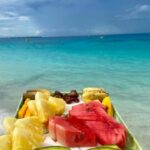
- Private speed boat time on the water, plus soft drinks and tropical fruits
- Spice farm lunch with a hands-on look at how spices are used for cooking and everyday life
- Jozani Forest Red Colobus viewing in their natural habitat
- Mangrove bridge exploration to spot fish and learn how the ecosystem works
- A guided, rules-based wildlife approach (no touching marine life, no feeding in the park)
How the whole day flows (and why it feels like value)

This tour strings together four big experiences: a boat trip to Mnemba Island, snorkeling in Mnemba Atoll, a spice farm visit with lunch, and a guided walk in Jozani Forest (ending at a local bridge for mangrove-and-fish spotting). It’s long, roughly 8.5 to 10 hours, but it’s built so you’re not just traveling—you’re always doing something.
The structure matters. You start on the water first, when the day’s energy is high and you’re fresh for swimming and snorkeling. Then the spice farm gives you a break from sea time, with shade, walking, and a proper Swahili lunch. Finally, Jozani Forest switches the vibe again—cooler air under the trees, guided animal-spotting, and that standout Red Colobus viewing.
One practical note: because you’re bouncing between locations, you’ll want to dress like it’s a road trip day. Bring sunscreen and insect repellent, and plan to sit back and enjoy the transitions rather than fighting them.
A few more Zanzibar Archipelago tours and experiences worth a look
Mnemba Island: dolphin watching with real-world conditions

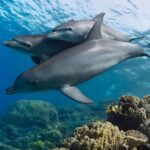
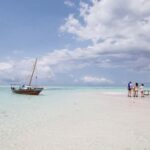
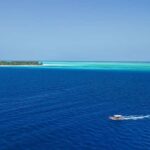
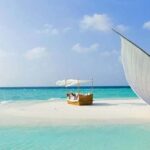
Your day starts with pickup (if you choose that option) and then van transfer toward the coast. Once you’re out on the water, you get a dolphin watching session near Mnemba Island, with photo stops and time to walk around and take in the views.
Here’s the big thing to know up front: the dolphin area can be crowded. The tour operator notes a concern that the number of boats in the area can make the dolphin chasing look uncomfortably similar to hunting, even though they can’t control other operators. They also apologize for the discomfort this may cause, and they’re clear that they do not support that style of wildlife interaction.
What that means for you as a participant:
- You should feel comfortable with ethical wildlife watching being an imperfect, real-life situation—not a fantasy where no one else is present.
- You’ll still be guided to follow responsible practices and your own safety rules.
- Your best mindset is calm observation: watch, photograph, enjoy the moment, and let the dolphins choose what to do.
If sea conditions allow, you may be able to swim alongside the dolphins, guided by the crew. If conditions don’t cooperate, you still get dolphin watching time and the rest of the plan continues.
Snorkeling Mnemba Atoll: coral reefs, turtles, and the guide’s job

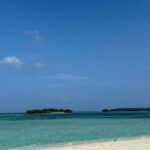
After the dolphin portion, the tour moves into the protected waters of Mnemba Atoll. This is where the day becomes truly marine-focused. You snorkel in waters known for coral reefs and colorful underwater life, and you’ll be guided to the best underwater spots by local experts.
What makes this part especially useful is the guidance. Snorkeling can go two ways: either you spend the hour drifting and wondering where to look, or you follow someone who knows exactly where the fish and coral are showing themselves today. This tour is set up for the second option, with snorkeling equipment included and a professional guide leading you.
You can expect to see tropical fish and coral gardens, and the plan also highlights the possibility of sea turtles. And because the crew is steering you to specific spots, you’re more likely to have enjoyable visibility and manageable currents.
Rules are strict for a reason. You won’t be allowed to touch marine life, and you should keep your voice low and your hands to yourself. If you’re the kind of person who hates breaking rules, this is your day: you’ll be able to watch closely without doing anything harmful.
Quick snorkeling tips that match the tour’s rules
- Wear sunscreen before you get wet, and reapply later if you can.
- Use comfortable swimwear and bring a light layer for the ride afterward.
- Keep your camera secured when you’re not shooting.
- Don’t chase animals or coral—just watch what comes to you.
Spice farm: the lesson part happens before (and during) lunch

Once you’re back on land, you’ll head to a spice farm. This stop isn’t just a scenic break. It’s a guided visit with photo stops, walking time, and a real explanation of how local spices are used for cooking and other purposes.
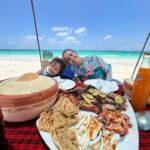
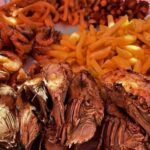
Lunch here is Swahili-style, and it’s built into the pacing, not tacked on at the end. You’ll also have tropical fruits during the farm experience. That matters on a day like this because you’re switching environments constantly—sea, heat, walking under trees, then another forest.
One of the most interesting parts is watching local practices up close. The tour includes time to see how people use spices, and you may also watch locals climb coconut trees. Even if you’ve seen photos before, it lands differently in person because you understand the motion and effort, not just the end result.
And yes, you’ll likely do some shopping while you’re there, since the farm experience includes free time and mention of shopping. If you love souvenirs, this is the natural place to browse; if you don’t, use that time to rest in the shade and enjoy the fruit.
A few more Zanzibar Archipelago tours and experiences worth a look
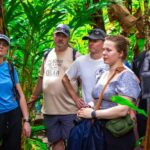

Jozani Forest National Park: Red Colobus monkeys and a guided forest walk

Jozani Forest National Park is the tour’s final big wildlife chapter, and it’s designed around one standout animal: the Red Colobus monkey. You’ll meet your guide and start a guided tour in the park, focused on wildlife viewing and a forest walk.
The highlight here is that Jozani is described as the only place in the world where you can see Red Colobus monkeys, and the experience is framed around seeing them in their habitat—playing, and even with babies. It’s the kind of wildlife moment that feels grounded, not staged.
The park visit is also about education. You’ll learn how the forest works and what to look for during the walk. The tour includes breaks for photo stops and a guided pace that helps you spot animals without rushing.
Important rule: you’re not allowed to feed or touch animals or plants in Jozani. That keeps the forest healthier and the animals safer. Plan to keep your camera ready, but your hands off.
The mangrove bridge: small ecosystem, great photos

After the forest portion, the tour ends at a local bridge where you’ll learn about mangrove trees and the fish that live under the bridge. Your guide will help you find what’s there and explain habits and how the ecosystem functions.
Why this part works: it’s not trying to be dramatic. Mangroves can look ordinary until someone points out the details. Under a bridge, the water and shadows can make fish-spotting surprisingly fun, especially if you’re the type who enjoys wildlife with a bit of patience.
It also gives you something visual to remember. The bridge is built into the ending, so you finish the day with a different kind of photo opportunity—quiet, natural, and close-up in a way that’s different from reef snorkeling and open-water dolphin watching.
Price and value: does $108 make sense for what you’re doing?
At $108 per person, the real question isn’t whether it’s cheap. It’s whether the day feels cost-effective for the experiences included.
Here’s what you get that usually costs extra if booked separately:
- Entry fees to the activities
- A private speed boat
- Snorkeling equipment
- A professional tour guide
- Snorkeling specifically at Mnemba Atoll
- A Swahili lunch at the spice farm
- Soft drinks and tropical fruits on the boat
- Hotel pickup and drop-off from your hotel and back if you choose that option
When you add up those categories—boat + gear + park access + guided time + lunch—the price looks more reasonable. You’re paying for coordination across long distances and multiple sites, which is the hidden cost of doing this alone.
The value sweet spot is people who want a full-day sampler: sea life, reef snorkeling, spice education, and Red Colobus viewing. If you only care about one element—say, just snorkel time—then a multi-stop tour might feel like you’re paying for variety instead of depth.
Who this tour is for (and who should rethink it)

This is a good fit if you:
- Want a single day that covers water + forest + culture
- Are comfortable with guided snorkeling
- Like learning while you’re sightseeing (spice uses, park rules, mangrove ecology)
- Want a private group experience rather than a large shared group
It’s not suitable for:
- Non-swimmers (snorkeling and swimming are part of the plan)
- People with mobility impairments
- People prone to seasickness (you’ll be on a boat, and the day involves open-water time)
If you’re worried about dolphins specifically, remember the ethical note about crowded waters. You can still enjoy responsible dolphin watching, but go in with realistic expectations.
What to pack and how to stay comfortable

This is a hot, active day: water time, walking, forest paths, and long transfers. Bring:
- Comfortable shoes
- Sunglasses and a sun hat
- Swimwear
- Camera
- Sunscreen
- Insect repellent
- Comfortable clothes
And follow the rules:
- No littering
- No touching marine life
- No making noise
- No making fire
Also, plan your mindset. You’ll be outside most of the day, and your comfort will make the experience better more than any small itinerary tweak.
Should you book this Mnemba Atoll + Spice Farm + Jozani tour?

If you want one Zanzibar day that feels like four stories—dolphins, reefs, spices, and Red Colobus monkeys—this is a strong option. The pacing is built to keep you engaged: snorkeling after the boat time, lunch in the middle, and the forest as the closer. The included lunch and fruit also help the day feel satisfying, not like a stressful hop from stop to stop.
I’d personally book it if you’re the type who likes learning small details while you look for animals. The spice farm part is educational, the Jozani walk is guided for Red Colobus viewing, and the mangrove bridge gives you a last, calm ecosystem lesson with photo opportunities.
I’d hesitate if you’re sensitive to long drive times, or if you deal with seasickness. This tour isn’t short, and it has multiple transport segments.
If it matches your interests and you’re okay with a full day, it’s a very practical way to see a lot of Zanzibar in one go—without having to coordinate separate tours for boat, reef, lunch, and national park.
FAQ
How long is the Mnemba Atoll, Spice Farm, and Jozani tour?
The duration is listed as 8.5 to 10 hours.
What is included in the price?
Entry fees, a private speed boat, snorkeling equipment, a professional tour guide, snorkeling at Mnemba Atoll, Swahili lunch at the spice farm, and soft drinks and tropical fruits on the boat are included. Hotel pickup and drop-off are included if you select that option.
Is dolphin swimming guaranteed?
If sea conditions allow, you can swim alongside dolphins under the guidance of the crew.
Do I need to be able to swim?
Non-swimmers are not suitable for this tour. Swimming and snorkeling are part of the experience.
What will I see in Jozani Forest?
You’ll visit Jozani Forest National Park with a guided tour focused on Red Colobus monkeys, including seeing them playing with their babies.
Is lunch included?
Yes. Lunch is Swahili lunch at the spice farm.
What about the mangrove bridge stop?
At the bridge, you’ll learn about mangrove trees and fish that live under the bridge, and your guide will help you find them.
Are there rules about touching or feeding animals?
Yes. You’re not allowed to feed or touch any animals or plants in Jozani Forest. More broadly, touching marine life is not allowed during the marine parts of the tour.