REVIEW · ARUSHA
Tour at Arusha National Park
Book on Viator →Operated by Superb Tanzania Safaris · Bookable on Viator
One of Tanzania’s easiest safaris starts near Arusha. Arusha National Park packs big scenery into a compact area, with rugged Mount Meru, the color-changing Momela Lakes, and the 3km-wide Ngurdoto Crater—perfect for a day trip when you have limited time.
I especially like the focus on variety, not just spotting animals. You get a morning and afternoon game drive, plus a picnic lunch inside the park, so your day doesn’t feel rushed or split into too many “waiting around” chunks.
One drawback to plan for: extra experiences like a walking safari or canoe safari cost extra, so the day can grow pricier if you say yes to both.
In This Review
- Key highlights to expect
- Why Arusha National Park works as a day safari
- Leaving Ilboru and getting oriented on Mount Meru country
- The park’s big three sights: Mount Meru, Momela Lakes, and Ngurdoto Crater
- Morning game drive: where your sightings start to happen
- Picnic lunch inside the park: a real break, not a road stop
- Afternoon game drive: second chances and calmer viewing
- Walking safari and canoe safari: add-ons that change the pace
- Who this tour is best for (and who should skip it)
- Price and value: what $599 buys you in Arusha National Park
- How to get the best sightings (without losing your mind)
- A quick reality check on duration and pacing
- Should you book Arusha National Park today?
- FAQ
- What time does the tour start?
- Where does the tour start and end?
- What’s included in the price?
- What size group is this tour limited to?
- Is pickup offered?
- Are walking safari and canoe safari included?
- How long is the tour?
Key highlights to expect
- Mount Meru country close to Arusha: you’re not far from town or the airport, so a day safari feels realistic
- Momela Lakes, with noticeably different colors: it’s one of the park’s signature sights
- Ngurdoto Crater (3km wide): a dramatic, old volcanic feature from about 15 million years ago
- Two game-drive sessions: morning and afternoon timing gives you more chances for wildlife action
- Picnic lunch inside the park: it breaks up the driving and keeps the day feeling like a real outing
- Small group limit (max 15): easier conversations with your guide and less crowd noise in the vehicles
Why Arusha National Park works as a day safari
If you’re trying to squeeze safari into a tight schedule, Arusha National Park is the kind of place that makes logistics behave. The park is only 137 sq km, but it’s close to the “safari town” of Arusha (about 32 km) and also relatively handy for Kilimanjaro International Airport. Even from Moshi (about 65 km), a day trip can fit.
That closeness matters because it buys you more time in the game areas and less time stuck in transit. And the park’s layout supports that. You don’t just get flat savannah and “maybe something happens.” You also get volcanic terrain and crater scenery, which helps keep the day visually interesting, even when animal sightings are slower than you hope.
This is one of those parks where you can come away feeling you saw a lot of Tanzania without needing a full-blown multi-day expedition.
You can also read our reviews of more tours and experiences in Arusha.
Leaving Ilboru and getting oriented on Mount Meru country
Your day starts around 9:30 am at Ilboru, Arusha, and you’re back at the same meeting point afterward. Pickup is offered, so you shouldn’t have to do the scavenger hunt thing when you arrive.
Once you’re met, you’ll get a short safari info briefing from your professional guide/driver before heading toward the park. Then the route takes you east toward Arusha National Park, around a one-hour drive (about 32 km). As you move into the Meru area, the mountain presence is part of the feeling of the day. Mount Meru is Tanzania’s second highest peak at 4,566m, and even when you’re not climbing it, you’re in the shadow of a major landscape feature.
A practical tip: cameras out early helps. Crater country and mountain views can show up in the same moments that animals do—so you want your gear ready.
The park’s big three sights: Mount Meru, Momela Lakes, and Ngurdoto Crater
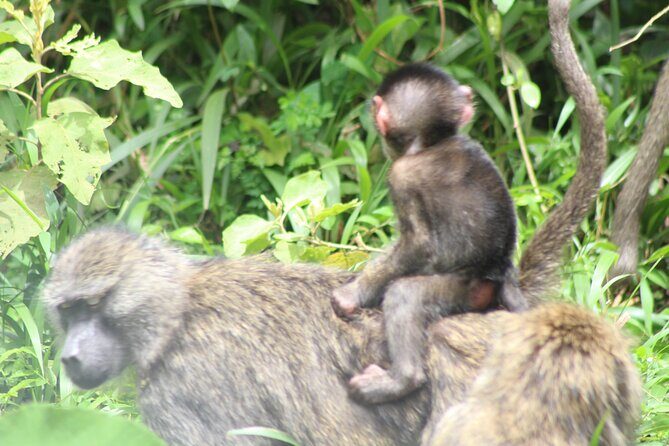
Arusha National Park is small, but its “wow” comes from topographic variety—three major features you’ll hear about and then see throughout the day.
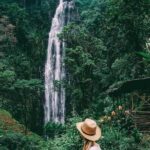
First is Mount Meru, the dramatic backdrop. Second are the Momela Lakes, which are known for their different colors. In a short safari, it’s great when you have at least one landscape feature that’s not just “a background,” but a real stop you’ll return to.
Third is the star attraction in your schedule: Ngurdoto Crater. It’s about 3 km wide and formed around 15 million years ago. Craters change how animals move and how visibility plays out. Sometimes you’ll get more concentrated viewing because the terrain channels wildlife. Other times, you’ll get long looks across the crater rims and slopes, which is when photography turns from “hoping” to “composing.”
This is the kind of itinerary that gives you more than one reason to be excited at the start of the day. If wildlife is slow, you still have these big physical landmarks to anchor your experience.
Morning game drive: where your sightings start to happen
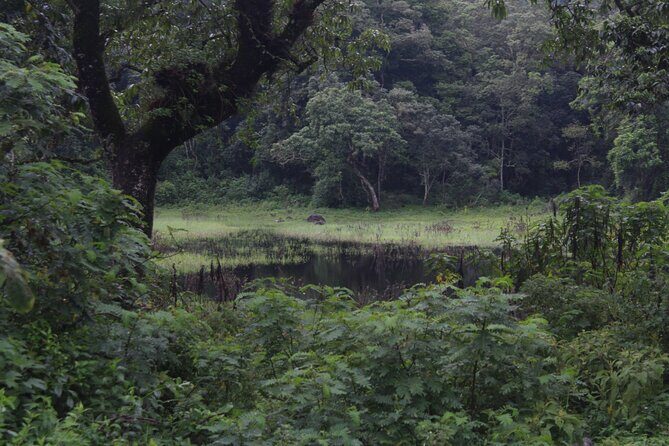
After breakfast, you’ll head into the park and enjoy a picnic lunch later. In between, you’re doing that first game drive session—morning to afternoon pacing that’s common for a reason: it helps you overlap wildlife activity patterns with better light for viewing and photos.
During the drives, you’ll visit Momela Lakes and Ngurdoto Crater. Those stops are part of the reason this feels like a “guided safari day” rather than a quick drive around a big area. You’re not wandering blindly. You’re moving through the park with a plan for the key features that define Arusha National Park.
What you can take from this, as a practical traveler: don’t assume animals will always be right next to the vehicle, even in a smaller park. Your best results come from staying patient, listening to your guide, and using the terrain. Crater edges and lake areas can create natural “waiting points” for animals moving through the region.
Picnic lunch inside the park: a real break, not a road stop
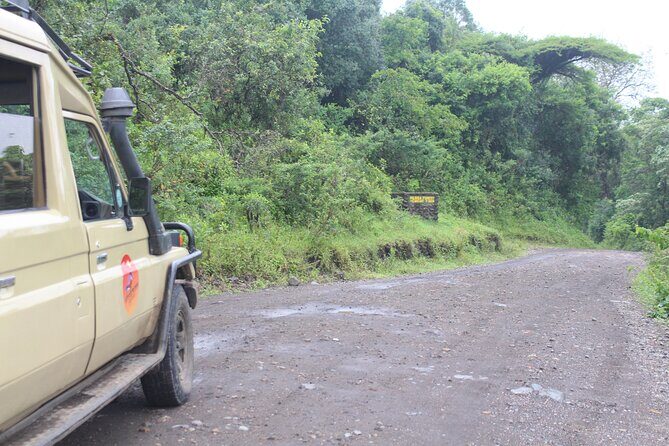
One of the smartest parts of this tour is that lunch is included and served as a picnic inside the park. That’s more than a convenience. It changes the feeling of the day.
If lunch happens outside the park, you’re usually forced into a “drive out, eat fast, drive back in” rhythm. Here, you stay in the safari mindset longer. It gives you a mental reset between game-drive sessions and helps the day stay paced without constant transfers.
Also, if you care about photos: this is one of the times you can slow down and look around without constantly scanning for movement. The area has a cool-climate feel with green fields noted by guests, which means even downtime can feel scenic rather than boring.
Afternoon game drive: second chances and calmer viewing
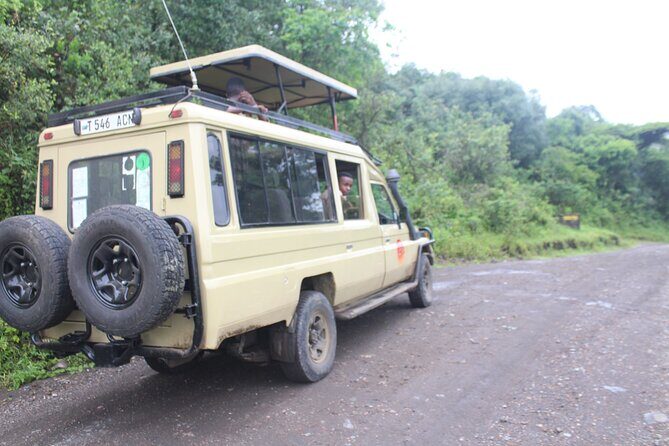
The afternoon game drive is your second shot at what you came for. For many people, the morning window brings first sightings, but the afternoon can deliver different animals or closer behavior as wildlife shifts.
Because your itinerary already ties your afternoon back to the park’s signature areas—again including Momela Lakes and Ngurdoto Crater—you’re not doing a totally different route that risks disappointment. Instead, you’re revisiting key zones with a fresh timing angle.
If you’re traveling for photography, this is also when you can get more relaxed shots. After the morning energy settles, you’re often better at spotting what matters: posture, groupings, and movement patterns.
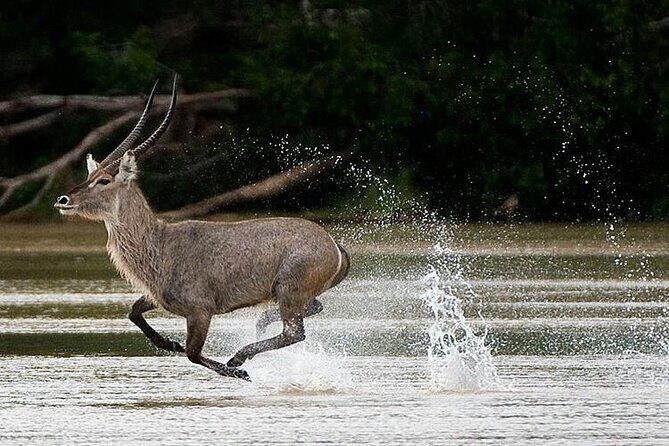
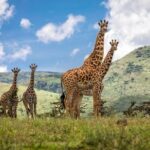
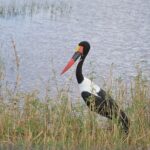
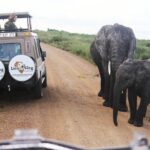
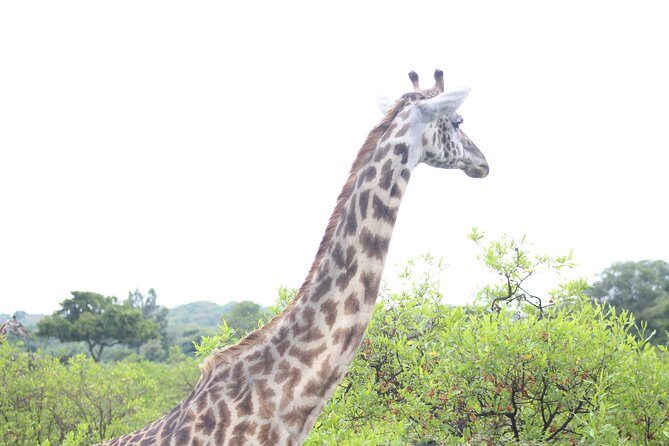
And if you’re lucky, you may see the kind of close-up encounters that people remember from this park—like giraffes and Cape buffaloes. One guest described the day as getting up close and personal, especially with those animals, and that matches the way Arusha’s compact layout lets guides position the vehicle where animals are likely to appear.
Walking safari and canoe safari: add-ons that change the pace
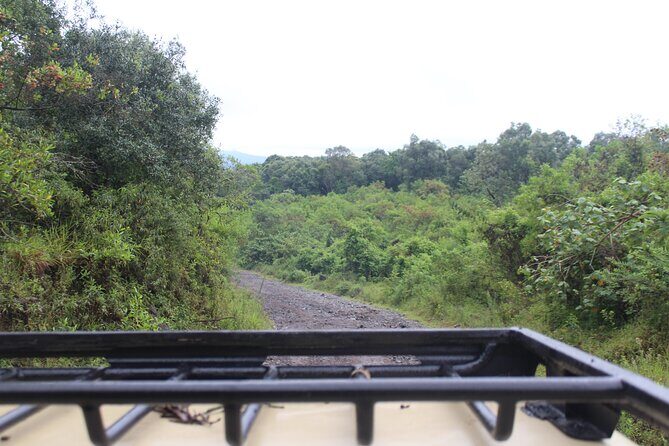
This day is built around standard game drives and a picnic lunch. But it also offers optional extras if you want to trade vehicle time for something more active.
A guided walking safari can be arranged, escorted by an armed ranger, and it’s subject to an additional cost. If you like close-range nature time and you’re comfortable with a bit more intensity, this can turn the safari into a more hands-on experience. Still, walking means you’ll cover less ground by vehicle, so your expectations should shift from broad spotting to focused, close observation.
A canoe safari is also possible in the park for an additional cost. This is the kind of option that can add variety if you already know you’re getting tired of “just driving.” But it also means planning and budgeting for extras, since the base tour price doesn’t include these activities.
For most people, I’d treat these as “choose one” add-ons unless you’re sure you want both. The day is enjoyable as-is, and adding an extra activity can sometimes make the schedule feel more tightly packed.
Who this tour is best for (and who should skip it)
This tour is well suited for:
- People doing a short safari around Arusha and want maximum value from a limited time window
- Travelers who like a guided day with a clear plan rather than open-ended searching
- Anyone who wants both wildlife and major scenery like crater terrain and lake views
It may not be the best fit if:
- You’re trying to keep costs as low as possible, because walking and canoe options are extra
- You need an early-morning start beyond the set tour timing (you start around 9:30 am)
Also, the group size is capped at 15 travelers, which is a sweet spot for comfort. It’s big enough to feel social, but small enough that you’re less likely to get lost in the shuffle.
Price and value: what $599 buys you in Arusha National Park
At $599 per person, this isn’t a bargain-basement safari. But value is about what’s included and how the logistics reduce your day’s “waste.”
Here’s what you get that matters:
- Park-focused routing that targets Momela Lakes and Ngurdoto Crater
- A structured day with morning and afternoon game drives
- Lunch included as a picnic inside the park
- Admission ticket included (per the tour summary)
- Small group limit (max 15) and professional guide/driver
- Pickup offered and a mobile ticket
So the cost isn’t just “a ride in a vehicle.” You’re paying for guide-led access to the park’s best-defined zones, plus the pacing that keeps the day from turning into a long stretch of driving.
One guest even highlighted the guide experience, praising excellent driving skills that helped with animal snapshots, naming Alex. That’s the kind of quality that you don’t always notice until you’ve done enough safaris. Smooth driving and good positioning often make the difference between a blurry memory and a real keepsake.
If you’re comparing it to alternatives, I’d think in terms of how much time you’d spend coordinating tickets, timing, and transfers on your own. When those are handled for you—and lunch is included—this price starts to feel more reasonable for a guided day.
How to get the best sightings (without losing your mind)
Arusha National Park’s compact size is helpful, but it’s still safari—meaning patience pays. To improve your odds:
- Stay alert during transitions between Momela Lakes and Ngurdoto Crater. Animals can show up right after you think the action has passed.
- Keep your camera accessible for the mountain and crater moments, not only for the animals. Those features are part of what makes the day worth it.
- Listen to your guide/driver. With a small group, you can often hear instructions clearly and act quickly.
Also, bring the basics: sun protection and layers. One review described the area as cool-climate with green fields, which suggests weather comfort can change during the day, especially as you move through crater terrain.
A quick reality check on duration and pacing
The tour is listed as lasting from 1 to 12 hours, with the start time at 9:30 am. That wide range likely reflects different scheduling or how the day is timed based on driving and park rhythms.
What that means for you: plan as if it’s a full day. Even if it ends earlier, you won’t be stressed. If it runs long, you’ll still be mentally ready.
You’re also guaranteed a return to the meeting point at the end, so you don’t have to worry about getting stranded away from Arusha.
Should you book Arusha National Park today?
I’d book it if you want a guided, scenery-and-wildlife day that’s logistically friendly from Arusha (and not too far from the airport area). The combination of Mount Meru surroundings, Momela Lakes, and Ngurdoto Crater, plus two game-drive sessions and a picnic lunch, is exactly the kind of “structured safari day” that works when you don’t have weeks.
I would hesitate if you’re price sensitive and you know you want multiple extra activities. Walking safaris and canoe safaris are available, but they’re not included, and they’ll add cost.
My final nudge: if you do book, go in expecting a well-run plan with high value built in—then add an optional activity only if it genuinely matches what you want from the day.
FAQ
What time does the tour start?
The tour starts at 9:30 am.
Where does the tour start and end?
It starts at Ilboru, Arusha, Tanzania and ends back at the same meeting point.
What’s included in the price?
Lunch is included, and the tour summary also notes an admission ticket is included.
What size group is this tour limited to?
The maximum group size is 15 travelers.
Is pickup offered?
Pickup is offered.
Are walking safari and canoe safari included?
No. Walking safari and canoe safari are available as optional activities, but they cost extra.
How long is the tour?
The duration is listed as approximately 1 to 12 hours.
If you want, tell me your travel dates and where you’re staying in Arusha (or near Moshi/airport). I’ll help you sanity-check timing and whether it makes sense to add walking or canoe time.